AI Sourcing tools are specialized platforms that leverage artificial intelligence to identify, attract, and engage potential job candidates, particularly passive ones, for recruitment pipelines. These tools utilize machine learning, natural language processing, and data analytics to scan vast talent pools, match skills, and enrich candidate profiles. They significantly enhance the efficiency and effectiveness of the initial stages of talent acquisition within the broader recruiting process, helping organizations build robust candidate pipelines faster and with greater precision.
Core Features
- Automated Candidate Discovery: Proactively identifies qualified candidates across various online platforms and databases.
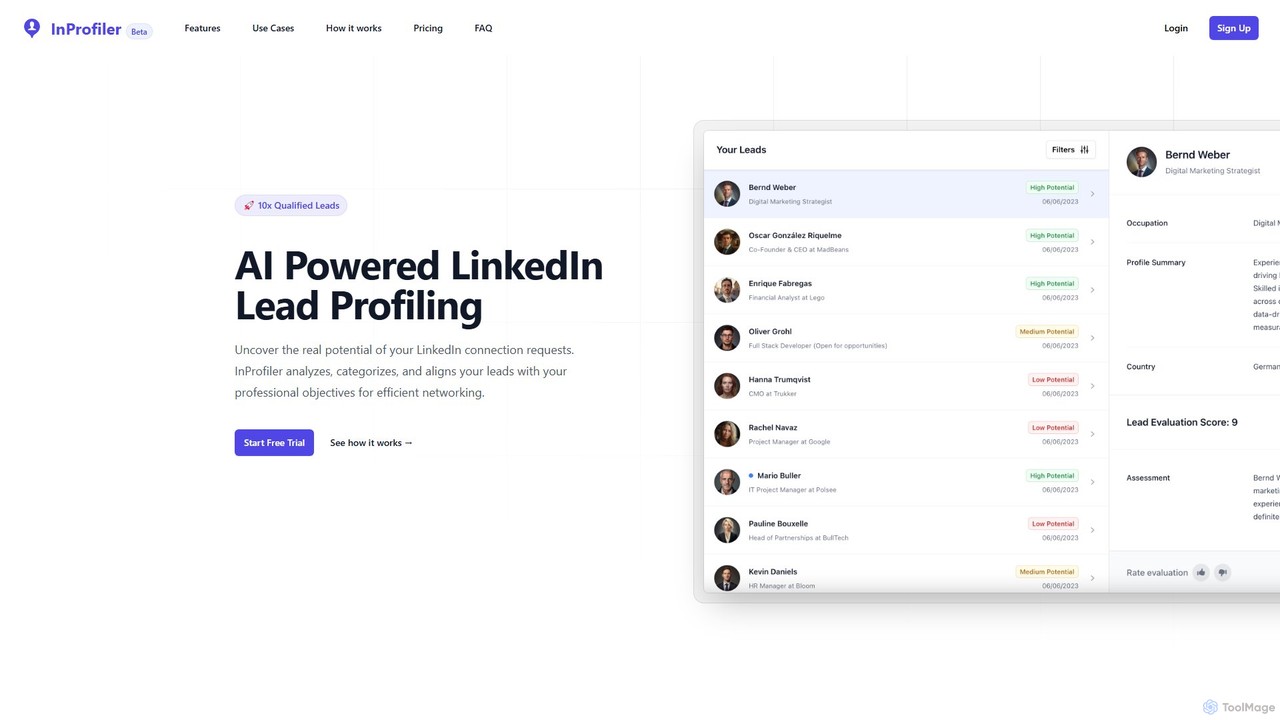
- Skill & Experience Matching: Accurately matches candidate profiles with specific job requirements using advanced algorithms.
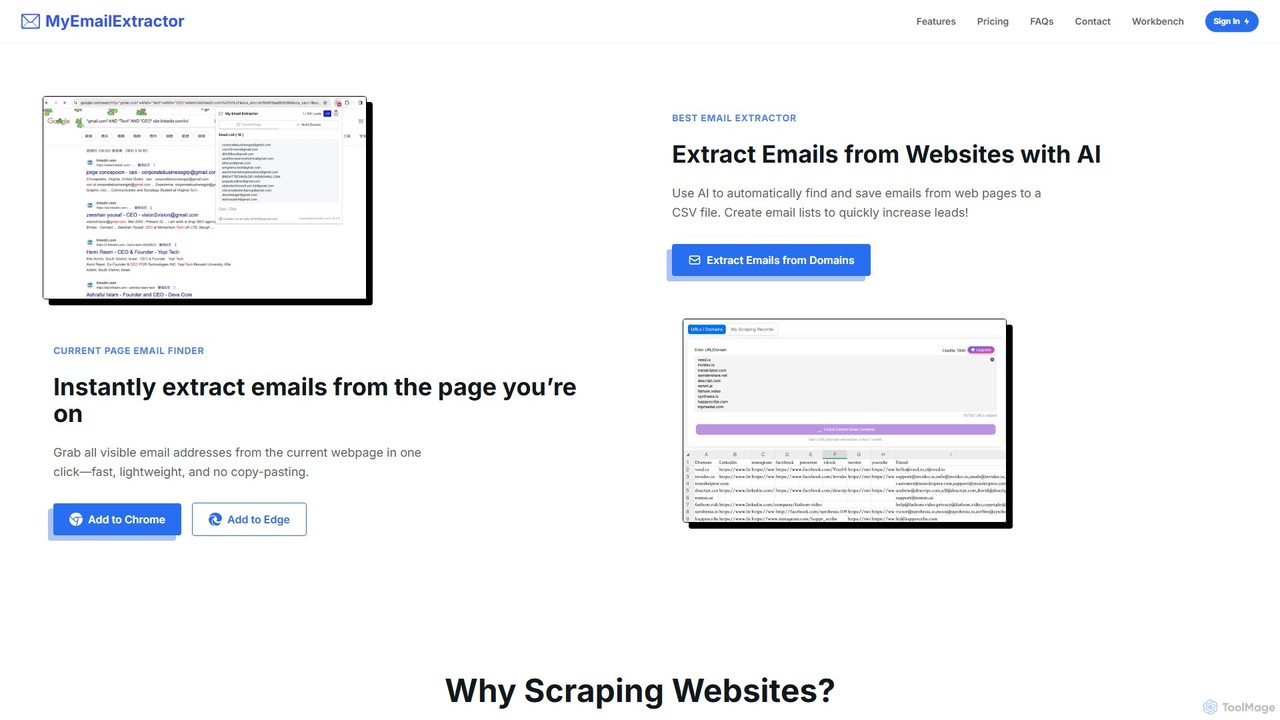
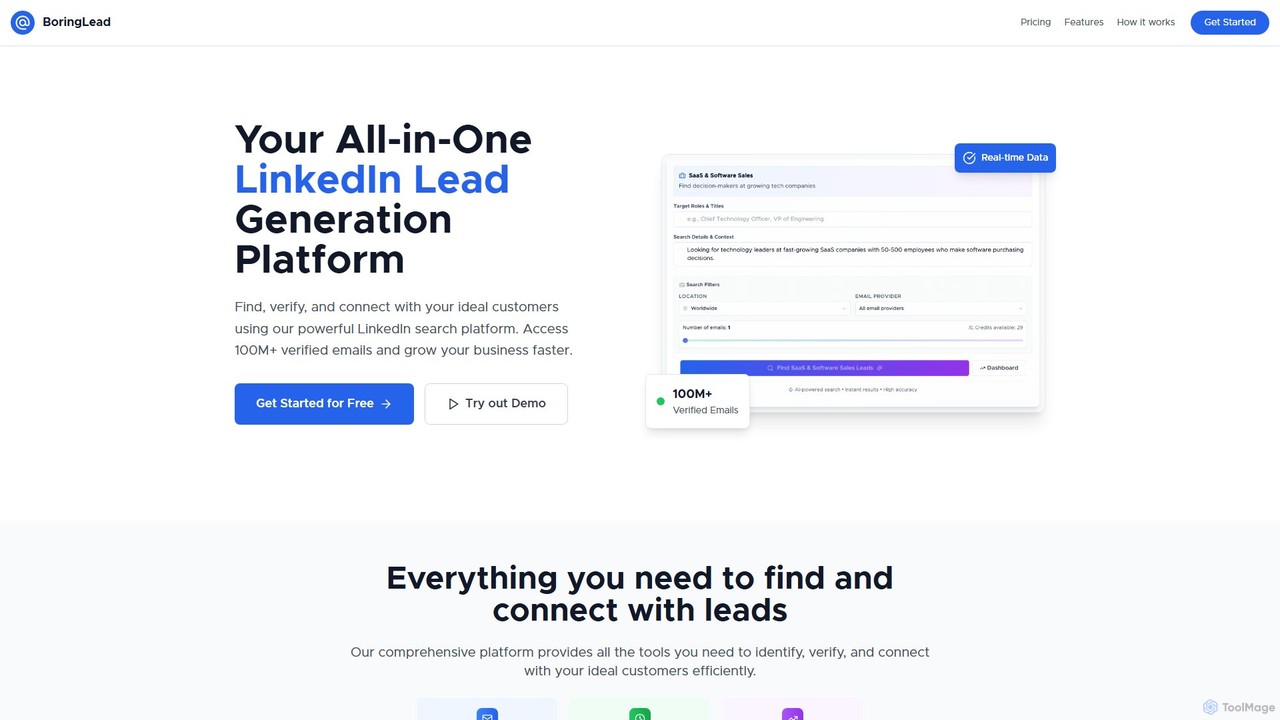
- Contact Information Enrichment: Automatically finds and verifies contact details for sourced candidates.
- Diversity & Inclusion Filters: Helps identify candidates from underrepresented groups to promote equitable hiring.
- Personalized Outreach Automation: Generates and sends initial personalized messages to engage potential candidates.
Applicable Scenarios
Talent acquisition specialists, corporate recruiters, and headhunters utilize AI Sourcing tools to streamline their candidate identification efforts. These tools are crucial for companies facing high-volume hiring needs, seeking niche skills, or aiming to diversify their workforce. They enable teams to move beyond traditional job board applications and proactively build relationships with top talent.
How to Choose
When selecting an AI Sourcing tool, consider its integration capabilities with existing Applicant Tracking Systems (ATS) and CRM platforms, the accuracy and breadth of its candidate database, and its compliance with data privacy regulations (e.g., GDPR, CCPA). Evaluate the customization options for search parameters, the quality of its matching algorithms, and the level of support for diversity and inclusion initiatives. User interface intuitiveness and pricing models are also key factors for effective adoption.