Best of the Year 7 results Reference AI Tools

Popular AI tools in the Reference field include Britannica、UpCodes、bible.ai、BYOKList、Abook、How2Solutions、Blanked, etc., helping you quickly improve efficiency.

Free
BYOKList

BYOKList

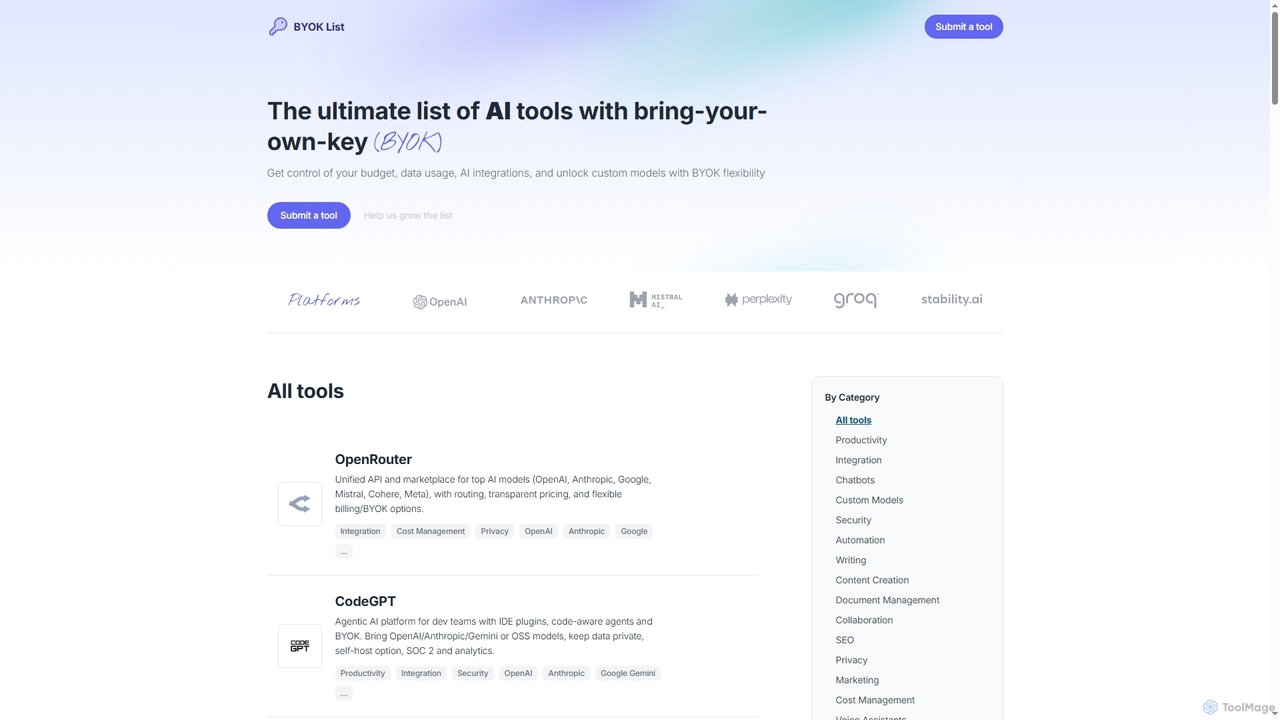
BYOKList is the ultimate directory for discovering AI tools that support Bring-Your-Own-Key (BYOK) functionality. It empowers users to …

4.3K
How2Solutions

How2Solutions

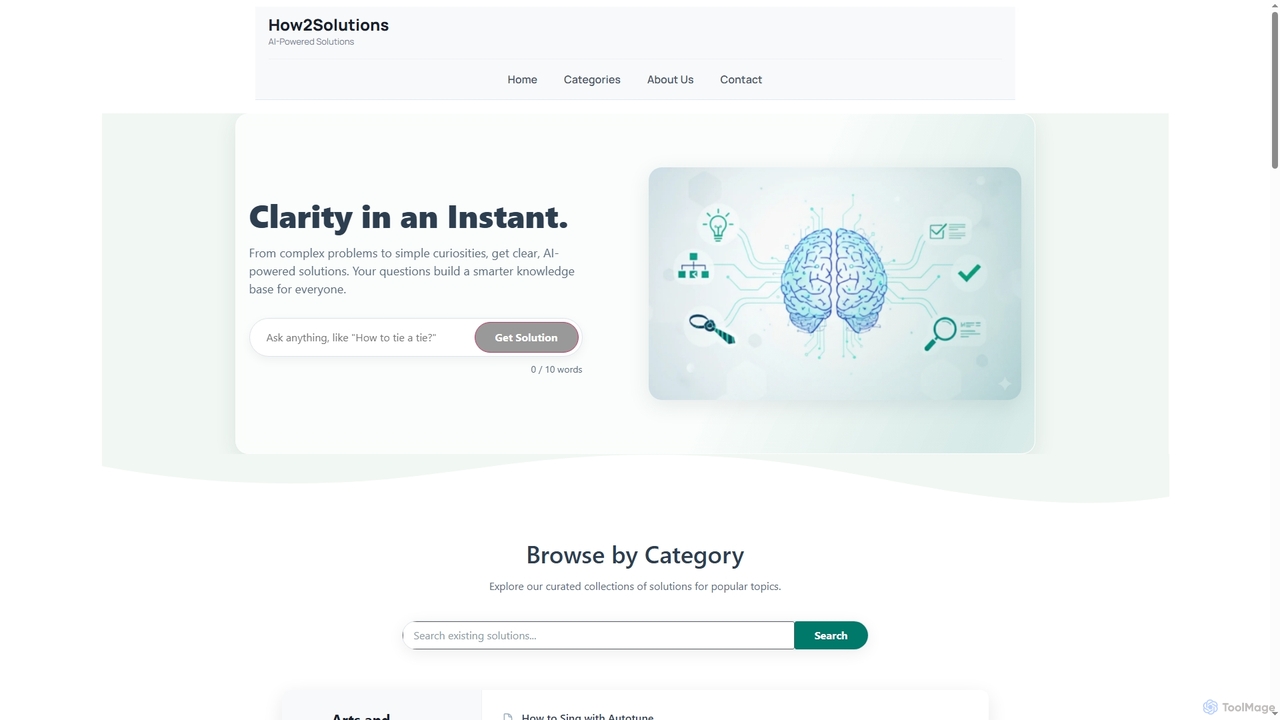
How2Solutions is an AI-powered platform designed to provide instant, clear, and concise answers to a wide range of …

2.3K
Abook

Abook

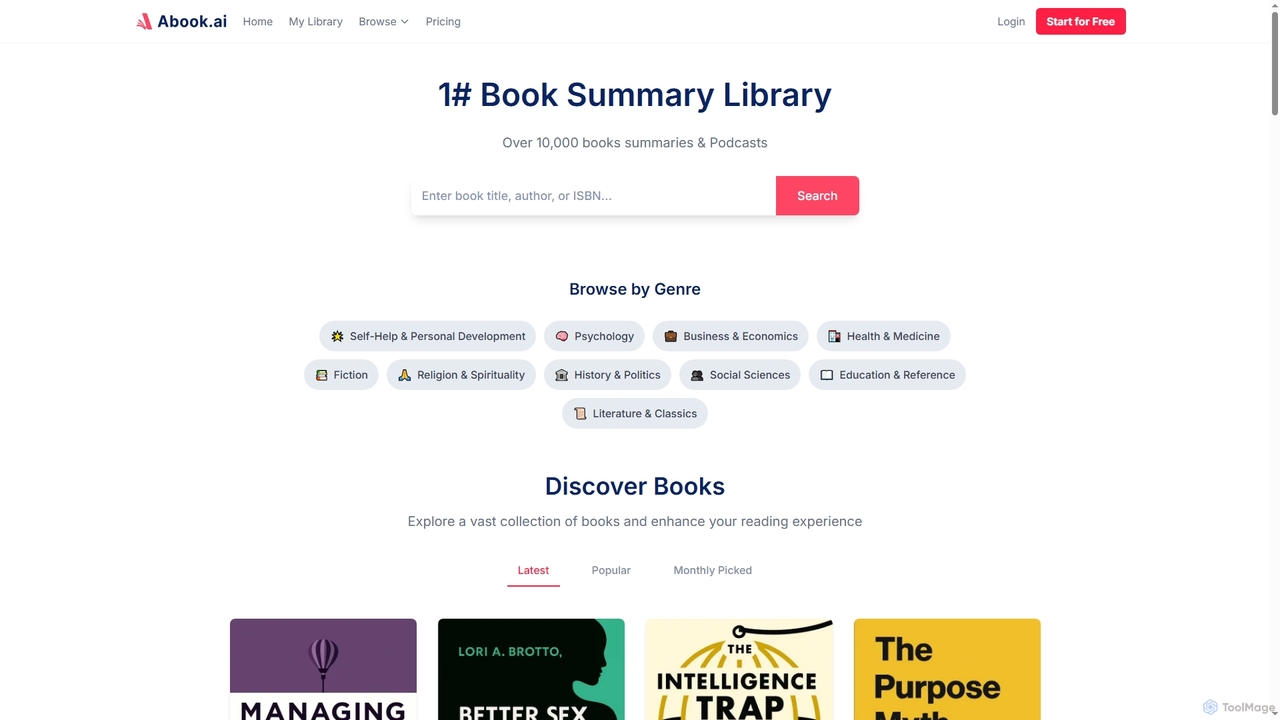
Abook is an AI-powered platform offering concise summaries, podcasts, and downloadable PDFs of over 10,000 non-fiction books. It …

3.3K
Britannica

Britannica

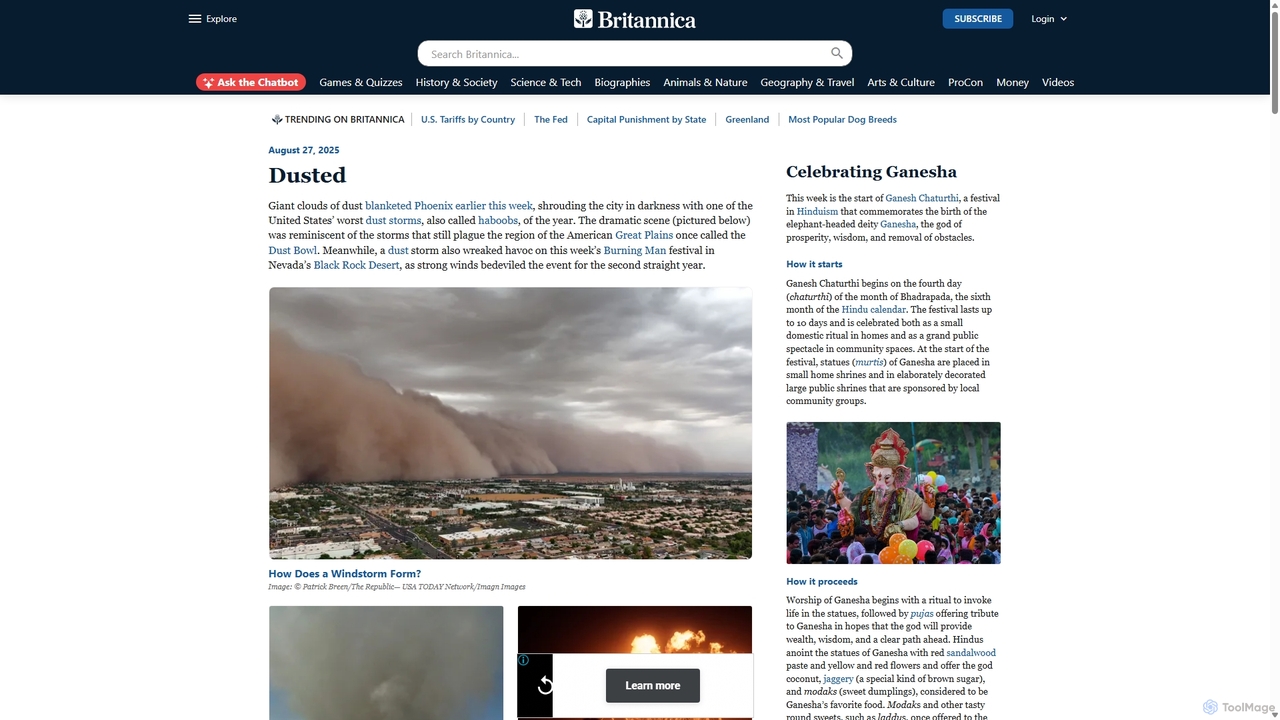
Britannica is a world-renowned knowledge platform that integrates an AI-powered chatbot to provide users with trusted, fact-checked answers …

32.1M
Free
Blanked

Blanked

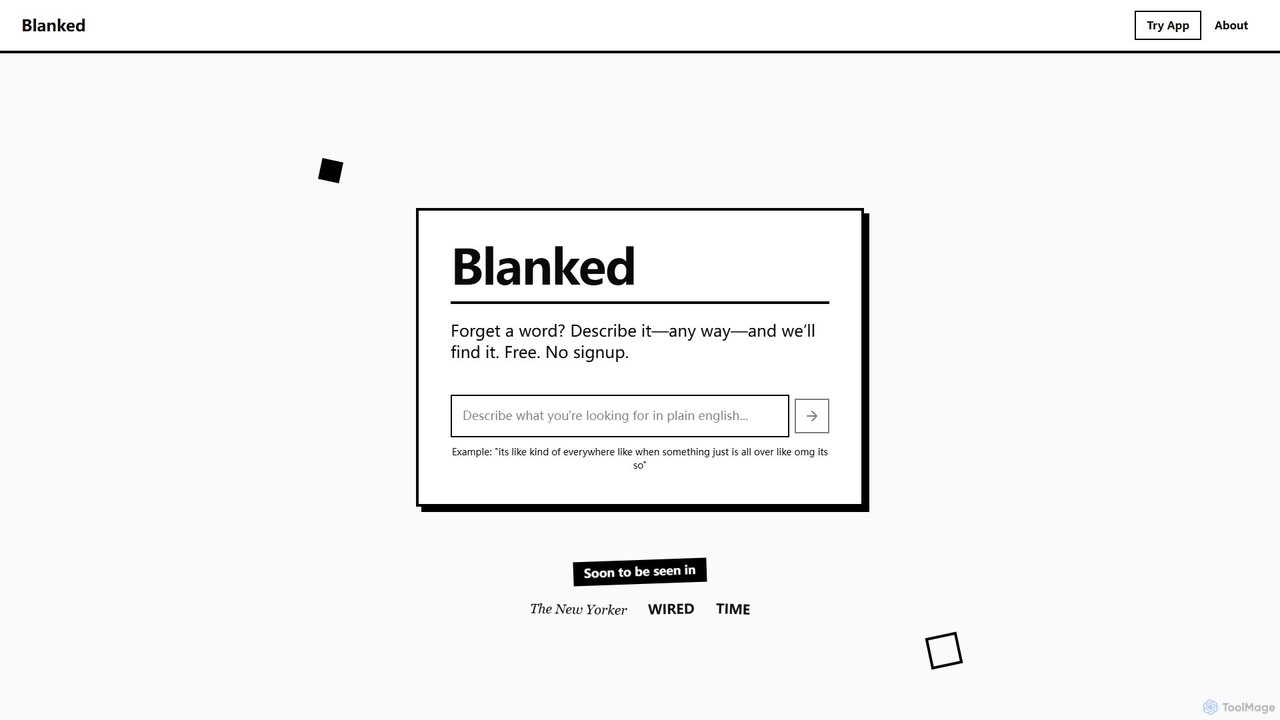
Blanked is an AI-powered reverse dictionary and word finder designed to solve the 'tip-of-the-tongue' problem. Simply describe a …

2.3K
bible.ai

bible.ai

bible.ai is an innovative AI-powered application for personal Bible study and spiritual growth. It allows users to engage …

28.8K
UpCodes

UpCodes

UpCodes is an AI-powered platform providing a searchable, up-to-date database of building codes and standards. It helps architects, …

1.2M

About Reference

AI Reference tools are intelligent systems designed to find, synthesize, and verify information from vast datasets. They leverage Natural Language Processing (NLP) and machine learning to understand complex queries, cross-reference sources, and provide contextualized answers, not just lists of links. These tools are essential for academic research, professional fact-checking, and in-depth analysis, helping users build arguments based on reliable evidence. They streamline the process of gathering and citing credible information, significantly enhancing research quality and efficiency.

Core Features

  • Information Synthesis: Consolidates data from multiple sources into a coherent, easy-to-understand summary.
  • Fact-Checking & Verification: Cross-references claims and data points against authoritative databases to assess accuracy.
  • Automated Citation Generation: Automatically creates properly formatted citations in various styles like APA, MLA, and Chicago.
  • Semantic Search: Understands the user's intent and the context of a query to deliver highly relevant results beyond simple keyword matching.
  • Data Extraction: Identifies and pulls specific information such as statistics, names, or key findings from large volumes of text.

Use Cases

AI Reference tools are invaluable in academia for students and researchers conducting literature reviews and writing papers. Journalists and content creators use them to quickly verify facts and source information for articles. In specialized fields like law and medicine, professionals rely on these tools to access case law, precedents, and the latest scientific research efficiently.

How to Choose

When selecting an AI Reference tool, evaluate the breadth and quality of its source database (e.g., peer-reviewed journals, official reports). Consider the accuracy of its citation generation and its ability to integrate with your writing software. Also, assess whether you need a general-purpose tool or one specialized for a specific domain like legal, medical, or financial research.

ReferenceUse Cases

1

Academic Research and Literature Review

A graduate student working on a dissertation needs to conduct a comprehensive literature review. Instead of manually searching dozens of academic databases, they use an AI Reference tool. The student inputs their research topic and key questions. The AI scans thousands of peer-reviewed articles, synthesizes key findings, identifies research gaps, and generates an annotated bibliography in APA format. This process reduces research time from weeks to days and ensures no critical studies are missed.

2

Journalistic Fact-Checking and Source Verification

A journalist is writing an investigative report on a complex political issue and needs to verify several claims made by a public official. Using an AI Reference tool, they input the specific claims. The tool cross-references the statements against a vast database of news articles, official records, and academic papers. It quickly highlights inconsistencies, provides links to primary sources, and summarizes expert opinions on the topic. This allows the journalist to confirm or debunk claims with high confidence and maintain journalistic integrity.

3

Legal Research and Case Precedent Analysis

A paralegal is preparing for a complex corporate litigation case. They need to find relevant case law and statutes. Using a specialized legal AI Reference tool, they input the facts of their case. The AI analyzes millions of legal documents to identify the most relevant precedents, highlighting key arguments and judicial interpretations. It also generates a summary of applicable statutes, saving the legal team dozens of hours of manual research and helping them build a stronger case strategy.

4

Market Research and Competitive Analysis

A business analyst needs to create a report on emerging trends in the renewable energy sector. They use an AI Reference tool to analyze market reports, competitor press releases, and financial filings. The tool extracts key statistics on market size, growth rates, and investment flows. It also synthesizes competitor strategies and identifies common themes in industry analysis reports. The analyst receives a consolidated dashboard of insights, enabling them to produce a comprehensive and data-driven report in a fraction of the time.

5

Medical Literature Search for Clinicians

A physician is treating a patient with a rare condition and needs to find the latest treatment protocols and clinical trial results. Using a medical AI Reference tool, she enters the patient's diagnosis and specific parameters. The AI searches databases like PubMed and Cochrane Library, filtering for the most recent and relevant studies. It presents a summary of findings, including treatment efficacy, side effects, and expert consensus, allowing the physician to make a well-informed, evidence-based decision for her patient's care quickly.

6

Content Creation and Credibility Enhancement

A content marketer is writing a white paper on the future of artificial intelligence. To add authority and credibility, they need to back up their claims with recent statistics and expert quotes. They use an AI Reference tool to find relevant data from industry reports and academic studies. The tool not only provides the statistics but also generates accurate citations and links to the original sources. This allows the marketer to create a well-researched, trustworthy piece of content that positions their company as a thought leader.

ReferenceFrequently Asked Questions