ToolMage
Sign in

Best 4 Knowledge Base AI tools for Resources

Popular Knowledge Base AI tools in Resources include Amazon Science, PC Builder AI, Maths.ai, and AI Product UX Patterns Collection, helping you work more efficiently.

AI Product UX Patterns Collection
Free

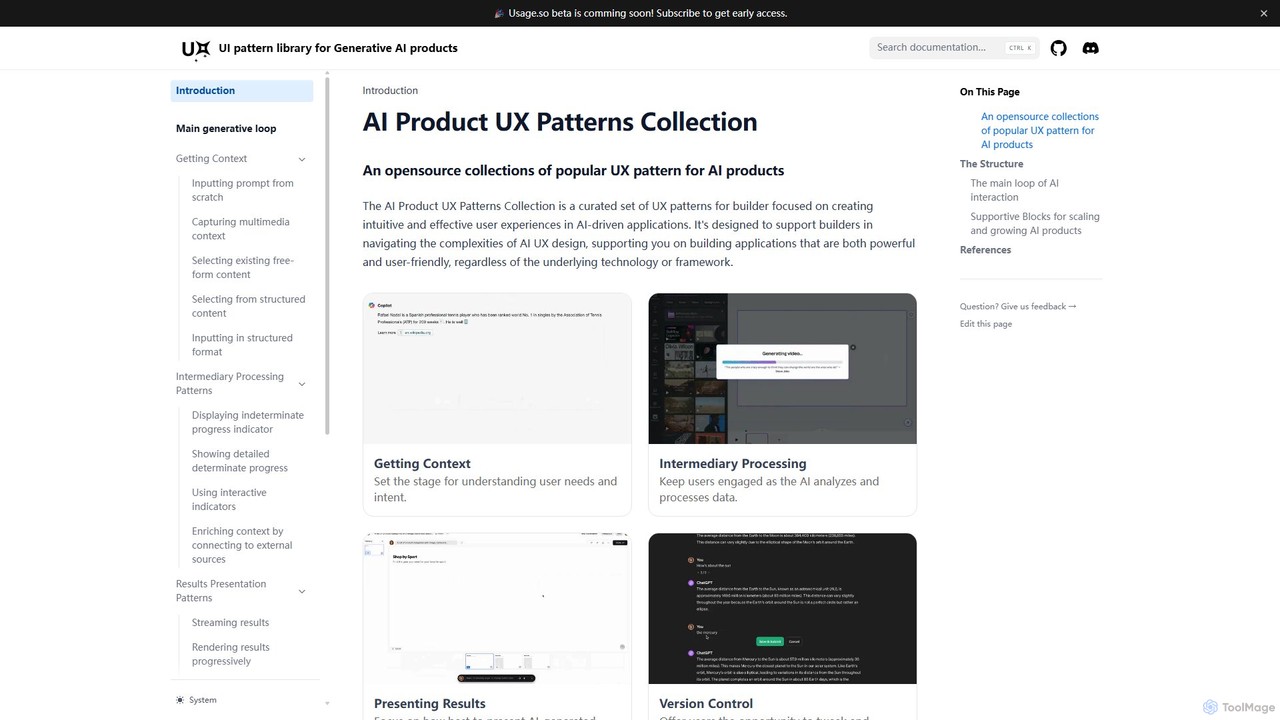
AI Product UX Patterns Collection

An open-source collection of popular UX patterns for AI products, designed to help builders create intuitive and effective user experiences. It provides a structured framework covering the entire AI interaction loop, from context gathering to results presentation.

Ux
Visits 6.5KFavorites 139Likes 118
Amazon Science
Free

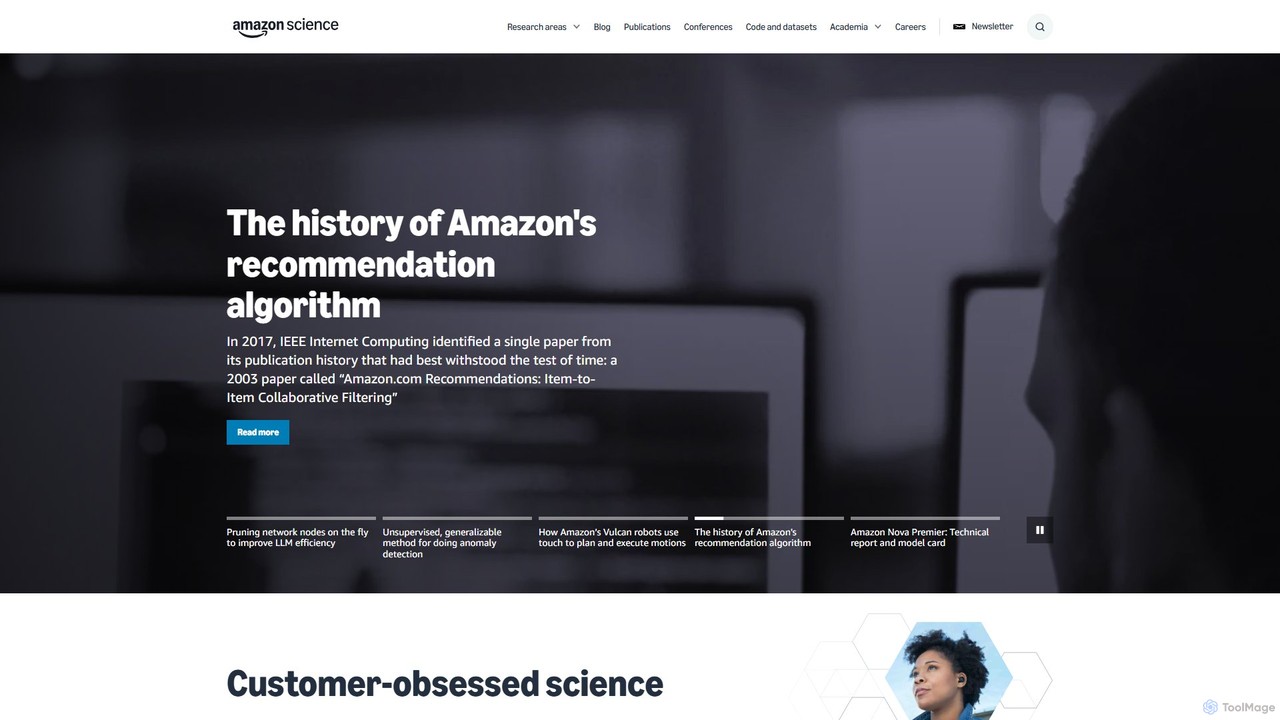
Amazon Science

Amazon Science is the official hub for Amazon's cutting-edge scientific research and innovation. It provides free access to a vast repository of research papers, articles, and news across diverse fields like AI, machine learning, robotics, and computer vision, connecting academia with industry.

Data Science
Visits 414.1KFavorites 170Likes 156
Maths.ai
Freemium

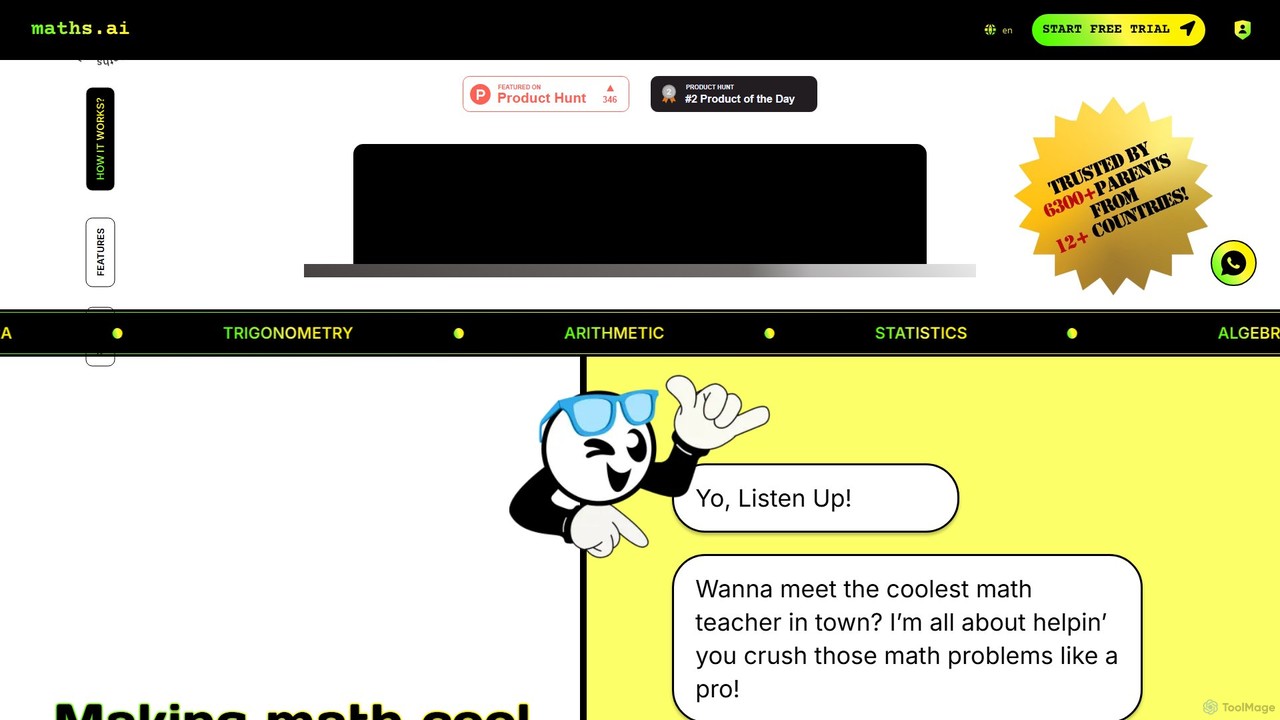
Maths.ai

Maths.ai is an AI-powered math tutor designed to help students, teachers, and professionals master mathematics. It provides instant, step-by-step solutions to a wide range of math problems, from basic arithmetic to advanced calculus, in a personalized and supportive learning environment.

Tutoring
Visits 9.7KFavorites 123Likes 122
PC Builder AI
Freemium

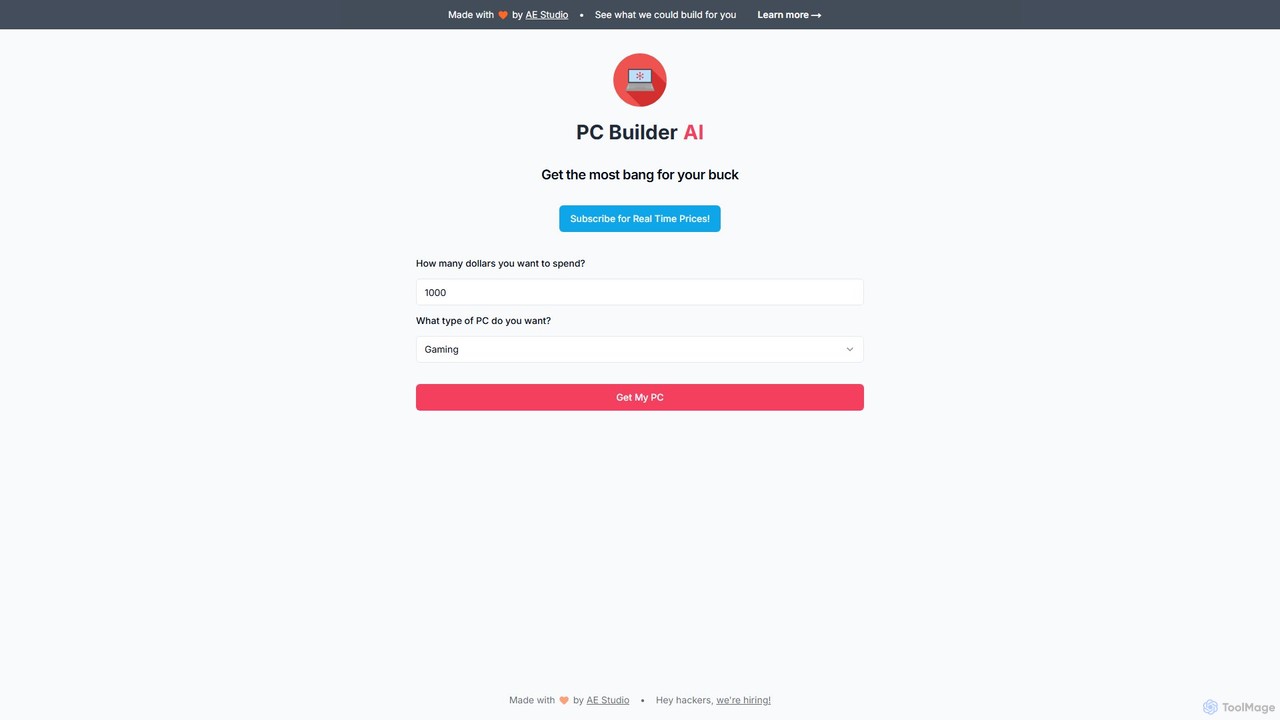
PC Builder AI

PC Builder AI is an intelligent tool that simplifies the process of building a custom PC. By leveraging AI, it provides optimized component recommendations based on your budget, performance needs, and use case, ensuring maximum value and compatibility.

Shopping Assistant
Visits 9.7KFavorites 119Likes 135

About Knowledge Base

AI Knowledge Base tools are specialized platforms that leverage artificial intelligence to intelligently store, organize, retrieve, and generate information. These systems utilize natural language processing and machine learning to understand content context, enabling users to find precise answers and insights quickly. They transform raw data and documents into an accessible, actionable repository, significantly enhancing information management and self-service capabilities.

Core Features

  • Semantic Search: Enables users to find relevant information using natural language queries, understanding intent beyond keywords.
  • Automated Content Ingestion: Automatically processes and indexes diverse data sources like documents, web pages, and chat logs.
  • AI-Powered Q&A: Generates accurate, context-aware answers to user questions directly from the stored knowledge.
  • Content Summarization: Condenses lengthy documents or conversations into concise, digestible summaries.
  • Intelligent Tagging & Categorization: Uses AI to automatically tag and categorize content, improving organization and discoverability.

Use Cases

These tools are vital for organizations aiming to centralize and democratize information. They are extensively used in customer support to power self-service portals, in internal operations for employee onboarding and policy lookup, and in content creation for research and fact-checking.

How to Choose

When selecting an AI Knowledge Base tool, consider its data ingestion capabilities (formats supported, automation), the accuracy and relevance of its AI-powered search and Q&A, integration options with existing systems (CRM, helpdesk), and scalability to handle growing information volumes. Evaluate the ease of content management and the level of customization available for different user groups.

Knowledge Base use cases

1

Enhance Customer Self-Service Portals

Customer support teams deploy AI Knowledge Base tools to create intelligent self-service portals. Customers can ask questions in natural language and receive instant, accurate answers drawn directly from the knowledge base, reducing ticket volume and improving satisfaction. This empowers users to resolve issues independently 24/7, freeing up support agents for more complex inquiries.

2

Streamline Employee Onboarding & Training

HR departments and training managers use AI Knowledge Bases to centralize company policies, training materials, and FAQs. New employees can quickly find answers to common questions about benefits, procedures, or company culture, accelerating their onboarding process and reducing the burden on HR staff. This ensures consistent information delivery across the organization.

3

Automate Internal IT Support

IT departments leverage these tools to build intelligent internal helpdesks. Employees can query the knowledge base for solutions to common technical issues, software guides, or troubleshooting steps. The AI provides immediate, relevant information, minimizing the need for direct IT intervention for routine problems and improving overall operational efficiency.

4

Accelerate Research & Development

R&D teams and researchers utilize AI Knowledge Bases to quickly access vast amounts of internal research papers, project documentation, and external scientific literature. The AI's semantic search capabilities help uncover hidden connections and insights across diverse datasets, speeding up discovery and innovation cycles and fostering data-driven decisions.

5

Centralize Sales & Marketing Collateral

Sales and marketing teams use AI Knowledge Bases to organize and retrieve product specifications, marketing assets, competitor analyses, and sales scripts. Sales representatives can rapidly find the most up-to-date information during client calls or proposal creation, ensuring consistent messaging and improving sales effectiveness and conversion rates.

6

Support Legal & Compliance Information Management

Legal and compliance departments implement AI Knowledge Bases to manage complex regulatory documents, legal precedents, and internal compliance guidelines. The AI assists in quickly locating specific clauses, understanding legal contexts, and ensuring adherence to regulations, reducing risk, improving audit readiness, and enhancing overall operational efficiency.

Knowledge Base FAQ

What are AI Knowledge Base tools?

AI Knowledge Base tools are platforms that use artificial intelligence, primarily natural language processing (NLP) and machine learning, to intelligently store, organize, retrieve, and generate information. Unlike traditional databases, they understand the context and intent of queries, providing precise answers and insights from diverse data sources. Their core purpose is to make information highly accessible and actionable for users, supporting self-service and informed decision-making.

How do AI Knowledge Base tools differ from traditional document management systems?

Traditional document management systems primarily focus on storing and organizing documents based on metadata or folder structures. AI Knowledge Base tools go further by using AI to *understand* the content within documents. They offer semantic search, AI-powered Q&A, automated summarization, and intelligent content generation, transforming static documents into dynamic, interactive knowledge assets that can answer complex questions directly and proactively.

What are the key benefits of implementing an AI Knowledge Base?

Implementing an AI Knowledge Base offers several key benefits: improved information accessibility and discoverability, reduced time spent searching for answers, enhanced self-service capabilities for customers and employees, decreased workload for support teams, and more consistent, accurate information delivery. It also aids in faster decision-making, accelerates content creation processes, and fosters a culture of knowledge sharing within an organization.

Who typically uses AI Knowledge Base tools?

A wide range of users and departments benefit from AI Knowledge Base tools. This includes customer support teams for self-service portals, HR for employee onboarding, IT for internal helpdesks, sales and marketing for collateral management, R&D for research, and legal/compliance for regulatory information. Essentially, any organization needing to manage and leverage large volumes of information intelligently to improve efficiency and decision-making can benefit.

How can I ensure the accuracy of information in an AI Knowledge Base?

Ensuring accuracy in an AI Knowledge Base involves several steps: regularly updating and verifying source content, implementing robust content governance policies, utilizing AI models trained on high-quality data, and incorporating human oversight for critical information. Many tools also offer feedback mechanisms for users to report inaccuracies, allowing for continuous improvement and validation of the knowledge base's responses and overall reliability.