Developer Tools Best in category 8 results Data Science AI Tool

Popular AI tools in the Data Science field of Developer Tools include DataCamp、Amazon Science、ProjectPro、Deepnote、Addepto、Squid & Fish Digitals、datarango、datagran, etc., helping you quickly improve efficiency.

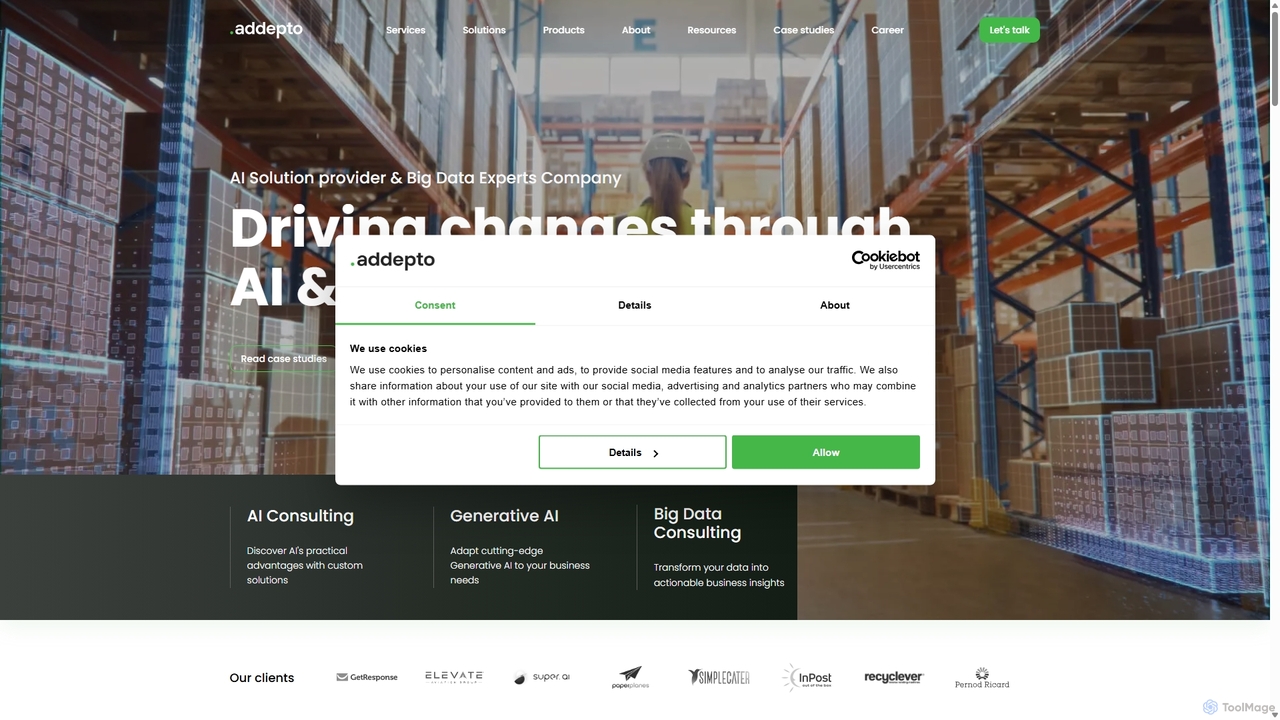
Addepto

Addepto

Addepto is a leading AI development and Big Data consulting company that empowers businesses with custom AI solutions. …

40.5K
DataCamp

DataCamp

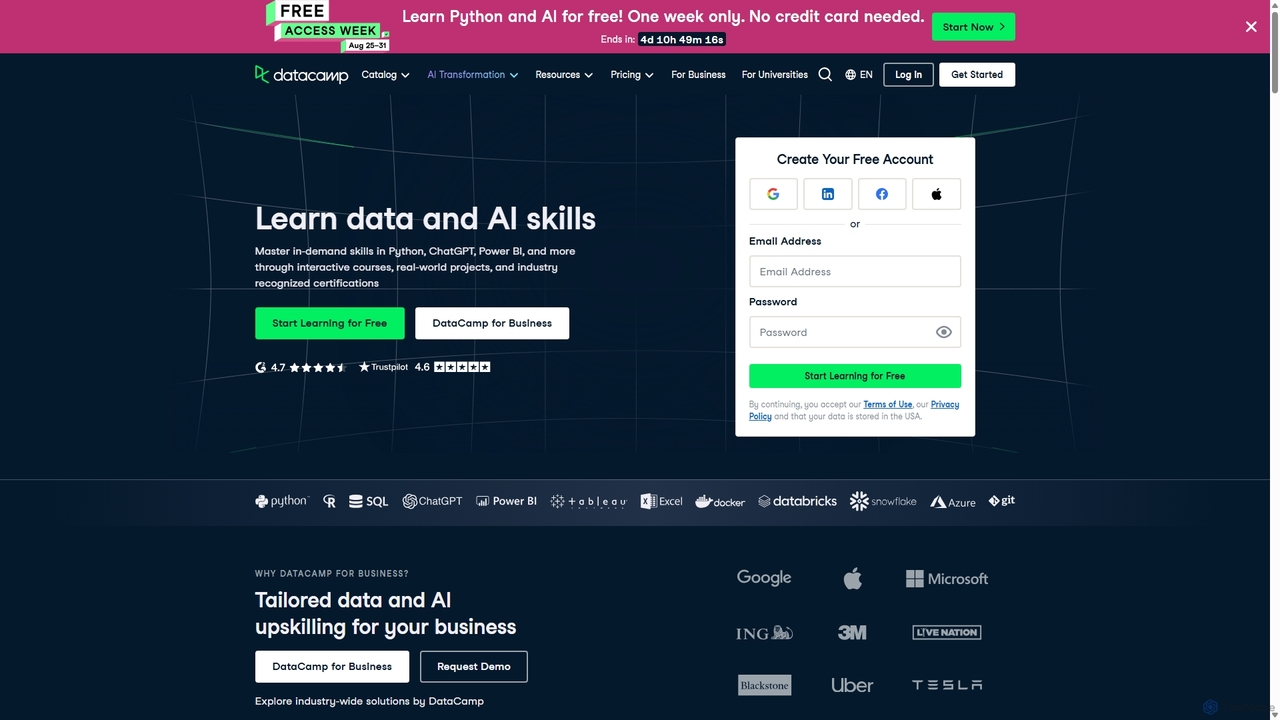
DataCamp is an interactive online learning platform for data science and AI. It offers hands-on courses in Python, …

6.0M
ProjectPro

ProjectPro

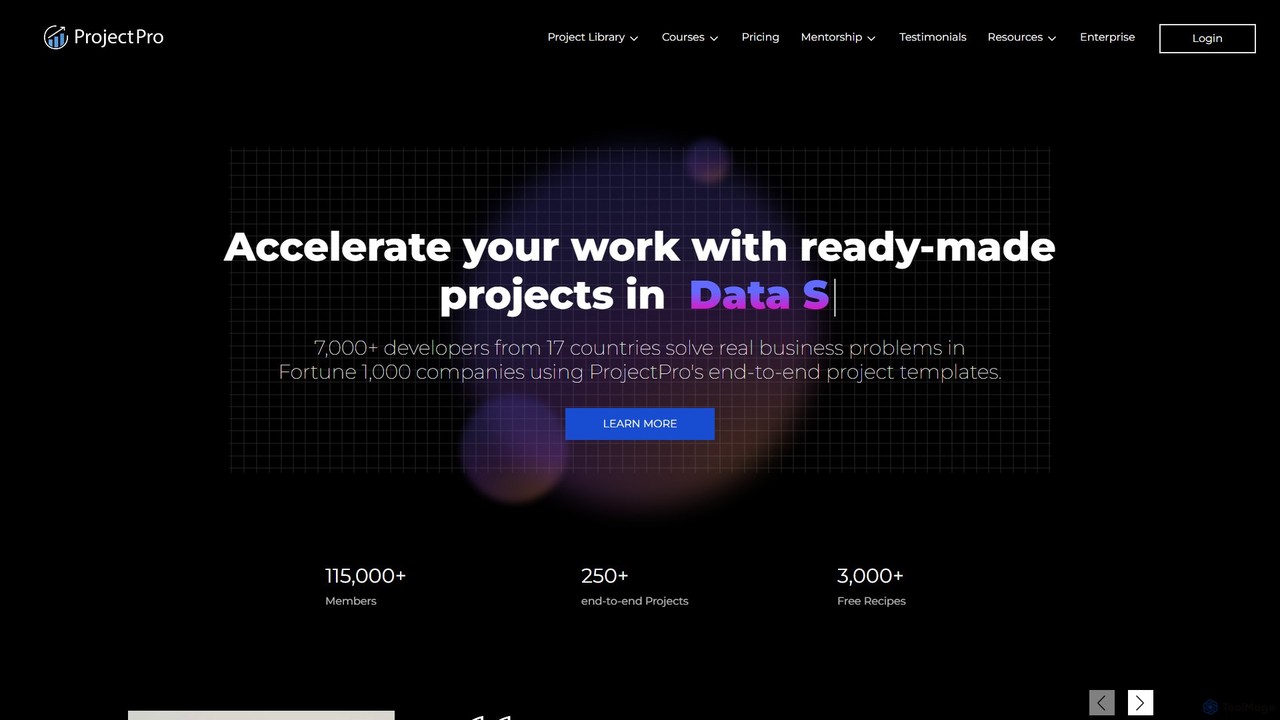
ProjectPro is a project-based learning platform designed to help data professionals accelerate their careers. It offers a vast …

239.7K
Deepnote

Deepnote

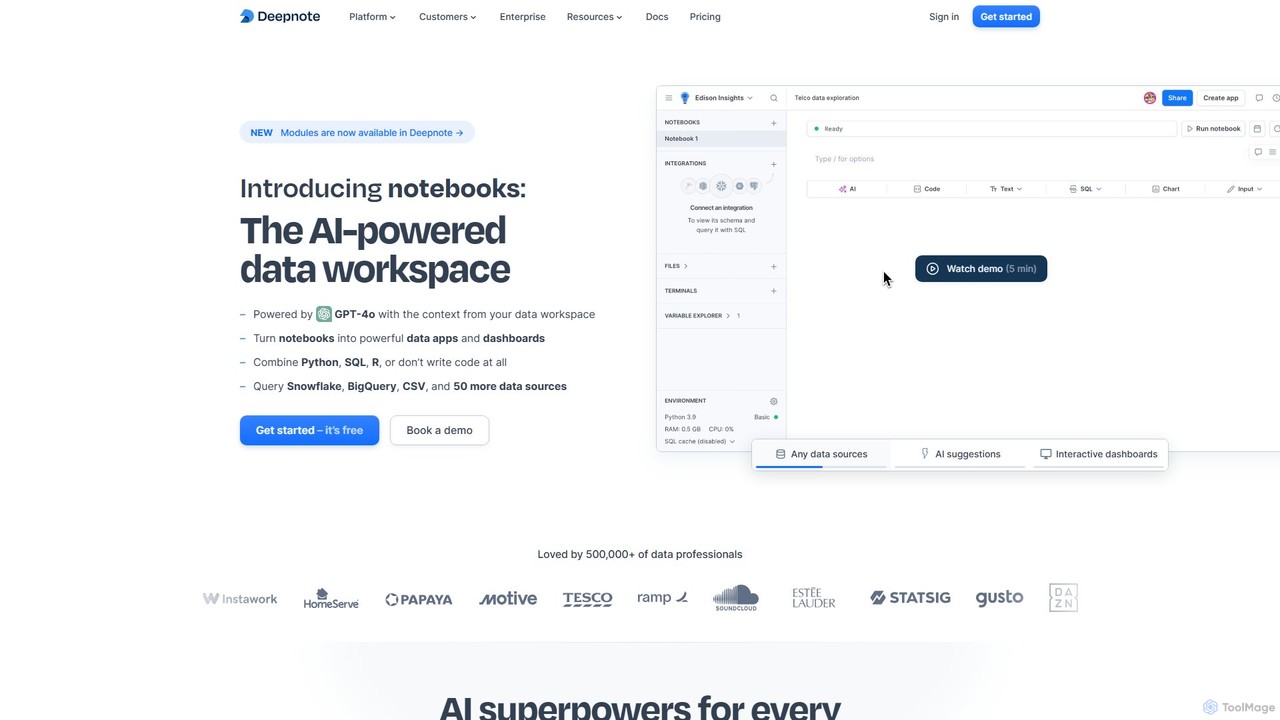
Deepnote is an AI-powered, collaborative data science notebook for teams. It unifies Python, SQL, and R in a …

217.2K
datagran

datagran

DG-i by Datagran is an advanced AI data agent that allows you to connect to any data source, …

2.3K
Squid & Fish Digitals

Squid & Fish Digitals

Squid & Fish Digitals offers a comprehensive machine learning study plan for beginners. This structured roadmap guides you …

2.9K
datarango

datarango

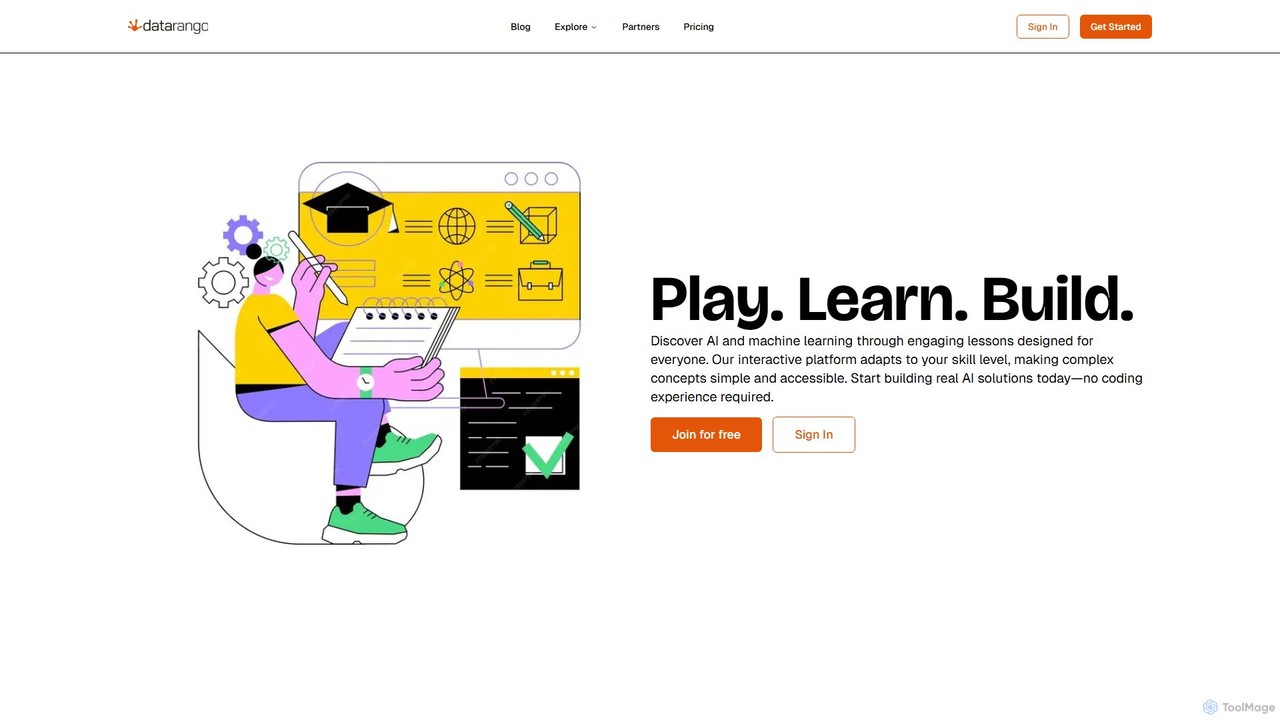
Datarango is a gamified, interactive learning platform for AI and data science. It offers industry-focused courses, hands-on projects …

2.3K
Free
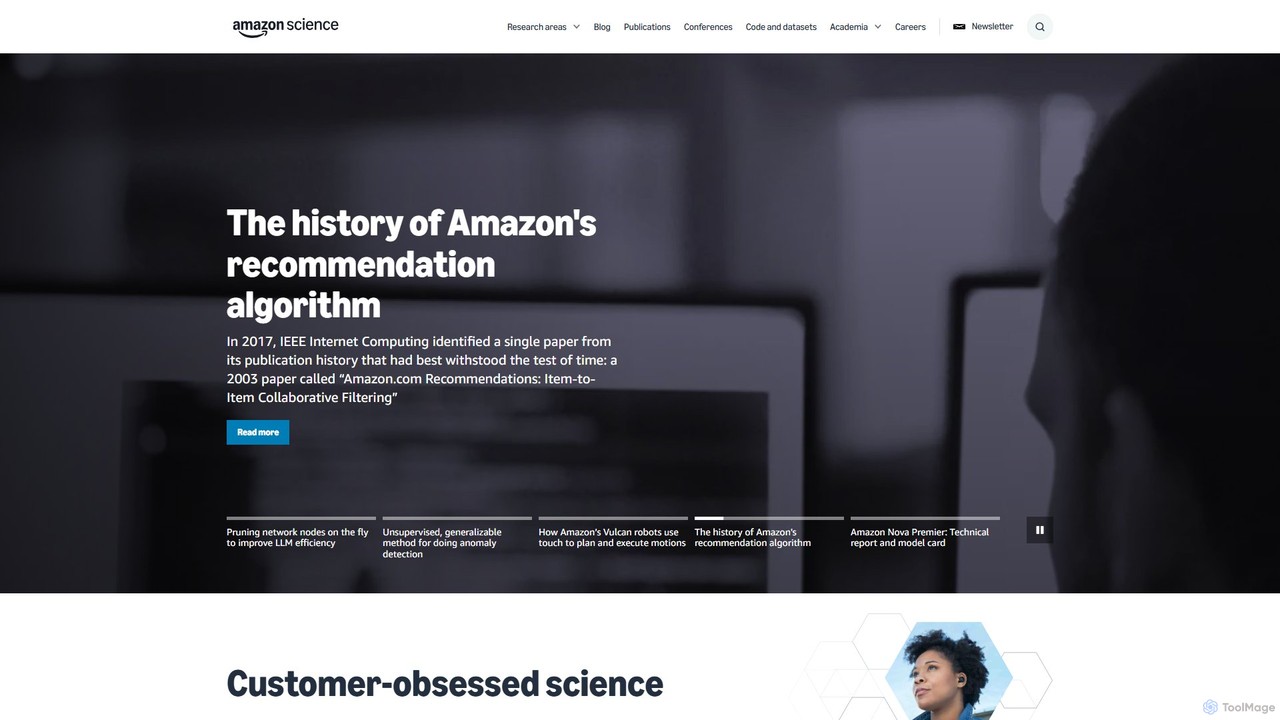
Amazon Science

Amazon Science

Amazon Science is the official hub for Amazon's cutting-edge scientific research and innovation. It provides free access to …

395.5K

About Data Science

Data Science tools are AI-powered platforms that enable the extraction of insights and knowledge from complex datasets. They leverage machine learning, statistical modeling, and advanced analytics to transform raw data into actionable intelligence. These tools are essential for data exploration, predictive modeling, and informed decision-making across various industries.

Core Features

  • Data Preprocessing: Cleaning, transforming, and preparing raw data for robust analysis and model training.
  • Machine Learning Model Building: Developing, training, and evaluating AI/ML models for predictive and classification tasks.
  • Statistical Analysis: Performing advanced statistical tests, hypothesis testing, and inferential analysis.
  • Data Visualization: Creating interactive charts, graphs, and dashboards to present complex insights clearly.
  • Model Deployment & Monitoring: Operationalizing trained models and continuously tracking their performance in production environments.

Use Cases

Data Science tools are widely used for predictive analytics in finance to forecast market trends, for customer segmentation in marketing to personalize campaigns, and for optimizing supply chains by predicting demand and managing inventory efficiently.

How to Choose

When selecting Data Science tools, consider their scalability to handle large datasets, integration capabilities with existing data sources and developer environments, ease of use for your team's skill level, and features for model explainability to understand AI decisions.

Data ScienceUse Cases

1

Predictive Sales Forecasting

Business analysts use Data Science tools to build time-series and regression models based on historical sales, market trends, and customer behavior. This enables more accurate inventory management, targeted marketing campaigns, and optimized resource allocation, significantly improving revenue projections and operational efficiency.

2

Customer Churn Prediction

Marketing analysts and product managers deploy Data Science tools to identify customers at high risk of unsubscribing or leaving a service. By applying classification algorithms to customer interaction and usage data, businesses can proactively implement retention strategies, offer personalized incentives, and enhance customer lifetime value.

3

Fraud Detection in Finance

Financial institutions utilize Data Science tools to detect anomalous transactions or activities that indicate potential fraud. Implementing advanced anomaly detection algorithms and machine learning models on vast transaction datasets helps reduce financial losses, enhance security protocols, and ensure compliance with regulatory standards.

4

Personalized Recommendation Systems

E-commerce platforms and content providers leverage Data Science tools to offer tailored product or content recommendations to individual users. By employing collaborative filtering or content-based filtering algorithms, these systems increase user engagement, drive higher conversion rates, and improve overall customer satisfaction.

5

Optimizing Supply Chain Logistics

Logistics managers and operations analysts use Data Science tools to improve efficiency in inventory management, route planning, and demand forecasting. Applying optimization algorithms and predictive models to logistics data leads to reduced operational costs, faster delivery times, minimized waste, and enhanced overall supply chain resilience.

6

Medical Image Analysis for Diagnosis

Medical researchers and radiologists, supported by data scientists, use these tools to assist in the early detection and diagnosis of diseases from medical images like X-rays or MRIs. Developing and deploying deep learning models for image classification and segmentation results in faster, more accurate diagnoses and improved patient outcomes.

Data ScienceFrequently Asked Questions