Best of the Year 9 results Risk Management AI Tools

Popular AI tools in the Risk Management field include Quensus、Control Mapping、ComplyDo、Kepler、Infinidatum、Revlence、VCV8、Pwnus、Aequitas, etc., helping you quickly improve efficiency.

VCV8

VCV8

VCV8 is an AI-powered idea validation and strategy platform designed for founders and innovators. It helps users make …

2.7K
Pwnus

Pwnus

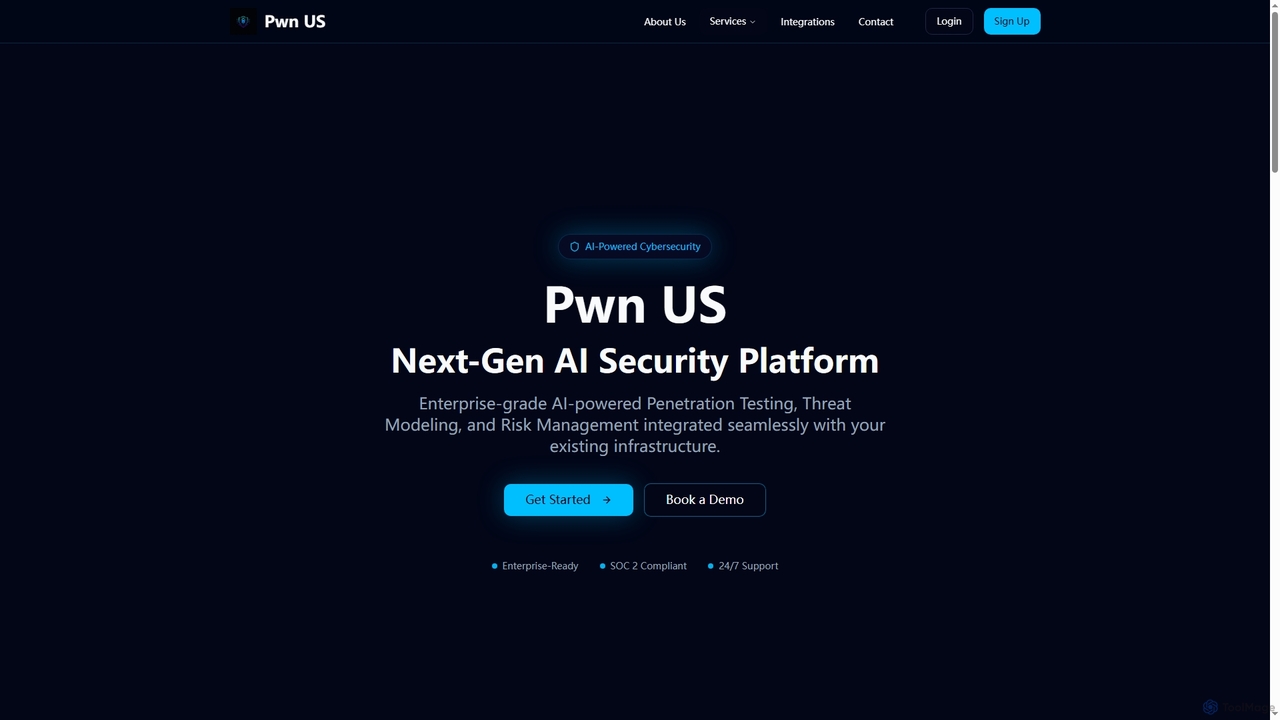
Pwnus is an AI-powered enterprise cybersecurity platform offering next-generation solutions for automated penetration testing, intelligent threat modeling, and …

2.6K
Control Mapping

Control Mapping

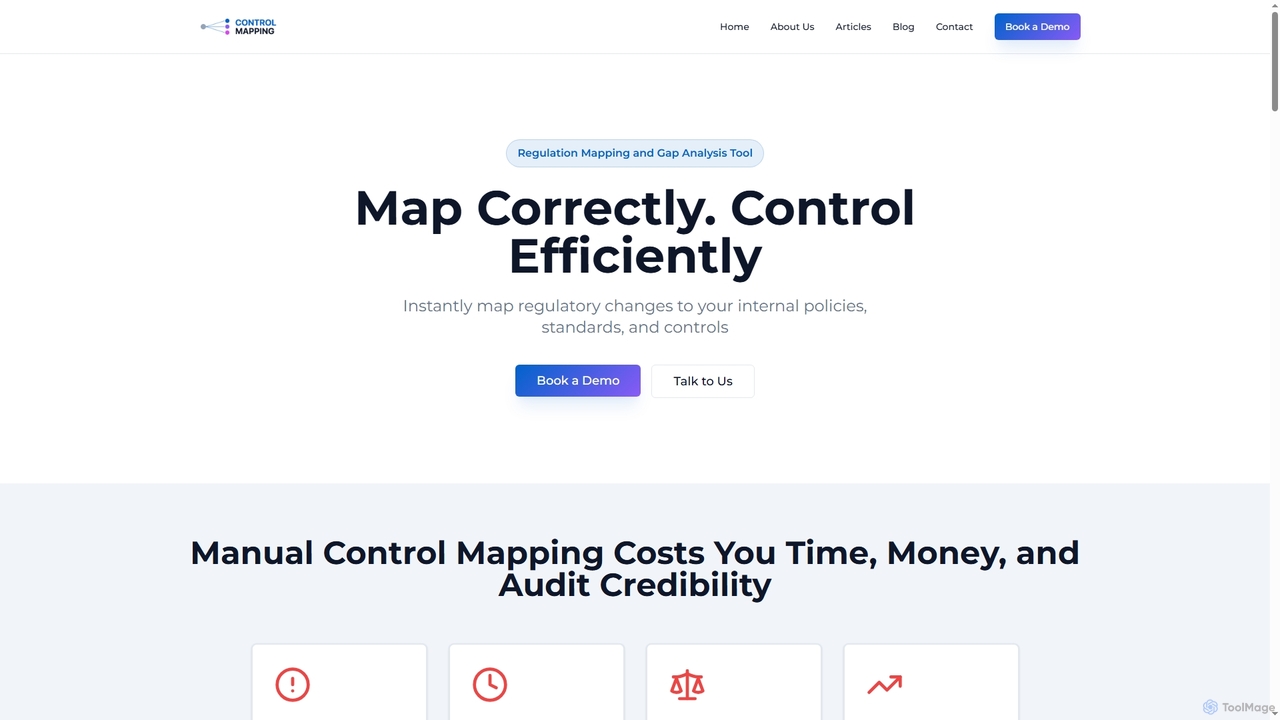
Control Mapping is an AI-powered regulation mapping and gap analysis tool for financial services firms. It automates the …

3.9K
Revlence

Revlence

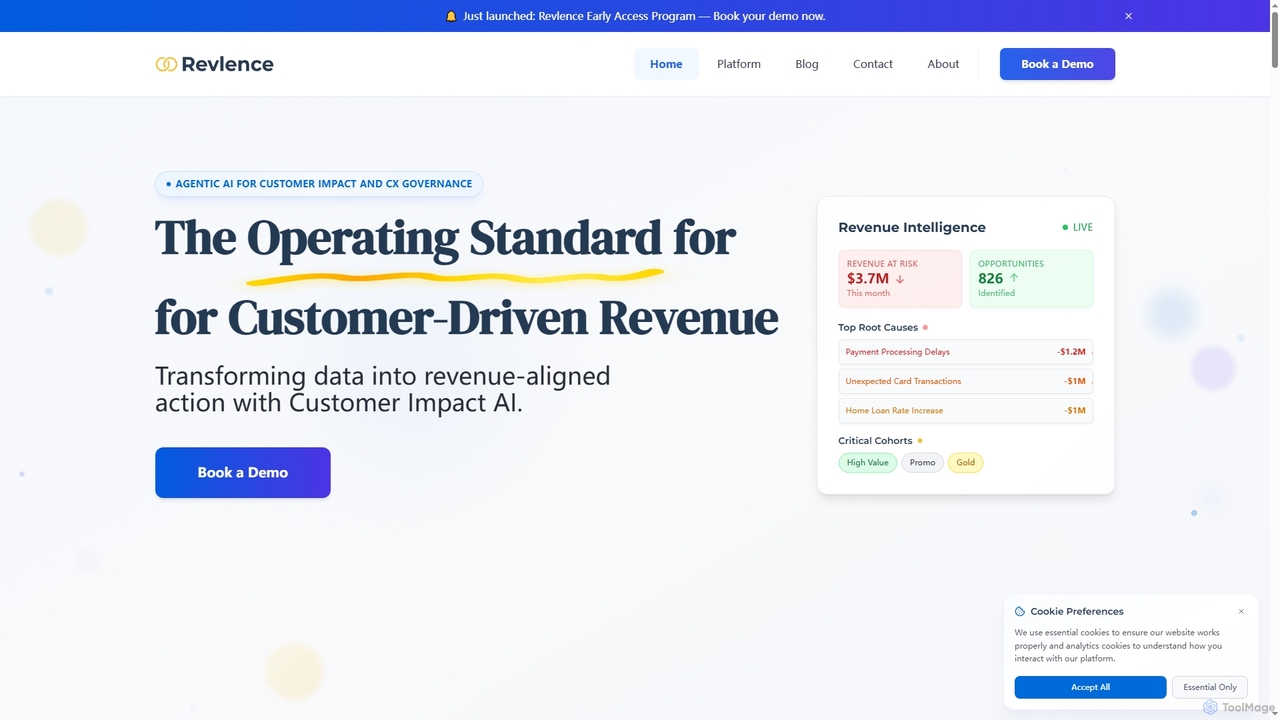
Revlence is an Agentic AI platform designed for comprehensive customer experience (CX) governance and revenue impact. It transforms …

2.7K
Aequitas

Aequitas

Aequitas is an advanced AI governance platform that transforms opaque "black-box" AI algorithms into transparent, auditable, and legally …

2.5K
Kepler

Kepler

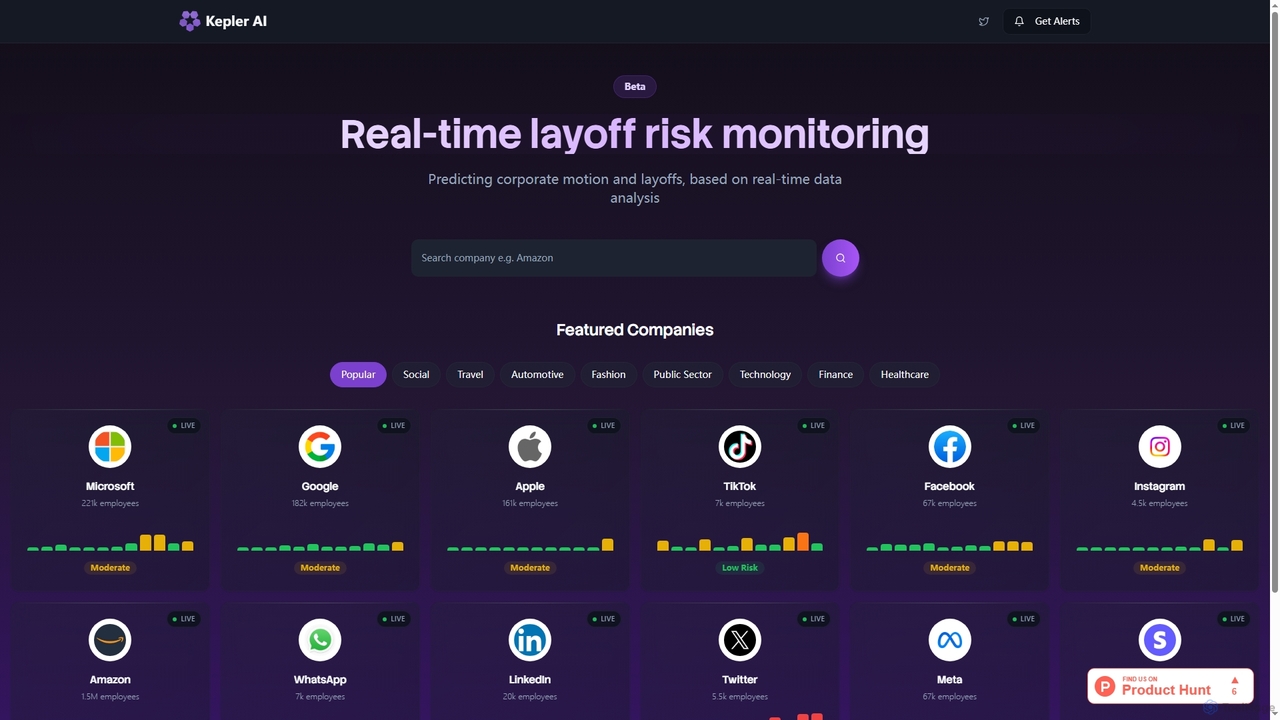
Kepler is an AI-powered tool that provides real-time layoff risk monitoring and corporate motion predictions for various companies. …

2.8K
ComplyDo

ComplyDo

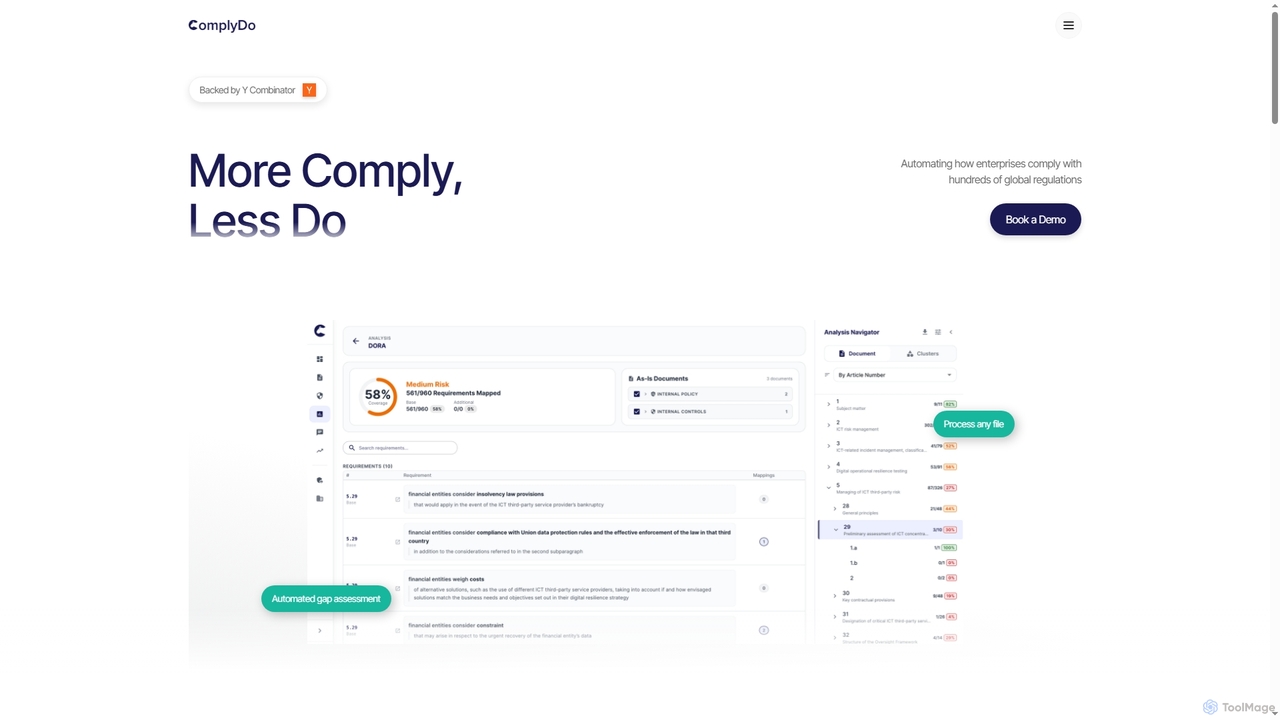
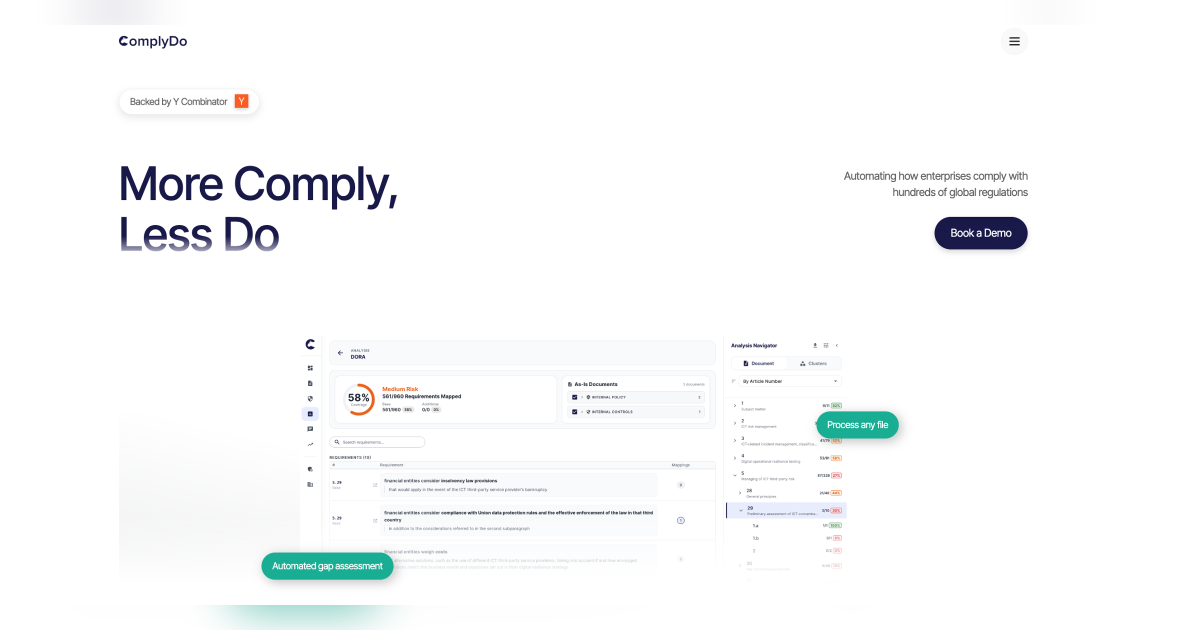
ComplyDo is an AI-powered compliance automation platform designed for enterprises to streamline internal control management, regulatory mapping, gap …

2.9K
Infinidatum

Infinidatum

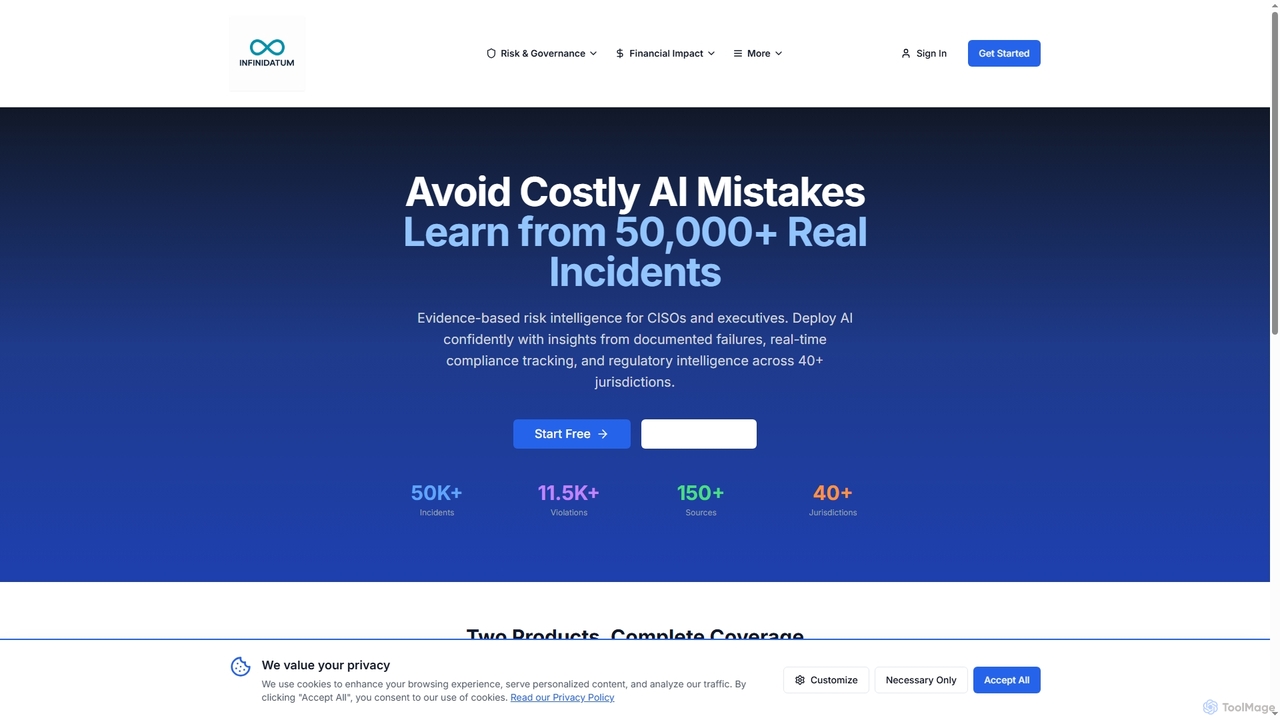
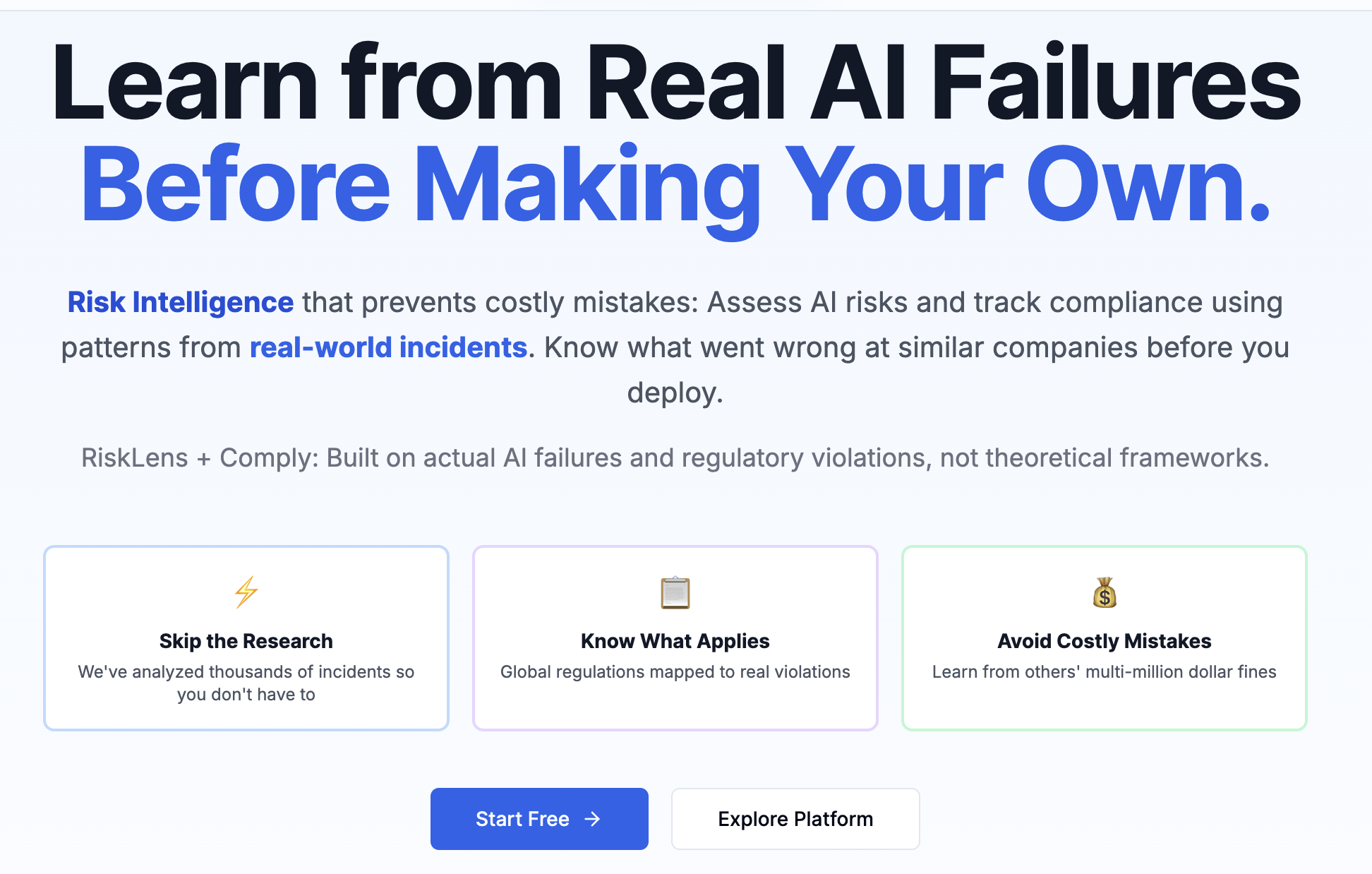
Infinidatum is an enterprise risk intelligence platform that empowers CISOs and executives to confidently deploy AI by providing …

2.7K
Quensus

Quensus

Quensus is an AI-powered intelligent water management and leak prevention system for commercial and residential properties. It combines …

8.5K

About Risk Management

AI Risk Management tools are a class of software that leverages artificial intelligence, particularly machine learning and predictive analytics, to identify, assess, and mitigate potential risks. These tools analyze vast datasets from internal and external sources to detect patterns, anomalies, and emerging threats that are often invisible to human analysis. Their primary value lies in transforming risk management from a reactive, historical-based practice to a proactive, data-driven strategy, enabling organizations to anticipate issues and make informed decisions. This approach enhances operational resilience, ensures regulatory compliance, and protects financial assets.

Core Features

  • Predictive Risk Modeling: Uses historical data and machine learning algorithms to forecast the probability and impact of future risk events.
  • Real-time Threat Detection: Continuously monitors data streams, such as network traffic or financial transactions, to identify suspicious activities instantly.
  • Automated Compliance Monitoring: Tracks changes in regulations and automatically assesses internal processes to ensure ongoing adherence.
  • Scenario Analysis & Simulation: Simulates the potential impact of various risk scenarios to help organizations develop robust contingency plans.
  • Natural Language Processing (NLP) for Risk Intelligence: Analyzes unstructured data like news reports, social media, and legal documents to identify emerging risks.

Applicable Scenarios

These tools are widely used in sectors with high regulatory and operational stakes. In financial services, they are essential for credit risk assessment and fraud detection. Manufacturing and logistics companies use them to predict supply chain disruptions. In cybersecurity, they provide advanced threat intelligence and automate incident response, while the healthcare industry applies them for patient safety and regulatory compliance.

Selection Criteria

When choosing an AI Risk Management tool, consider its specialization—whether it focuses on financial, operational, or cybersecurity risk. Evaluate its data integration capabilities to ensure it can connect with your existing systems like ERPs and CRMs. Assess the model's explainability (XAI), which is crucial for auditing and regulatory purposes. Finally, consider its scalability to handle your organization's data volume and the complexity of your risk models.

Risk ManagementUse Cases

1

Real-time Financial Fraud Detection

A financial institution's fraud analysis team uses an AI Risk Management tool to monitor millions of transactions per second. The system analyzes transaction data, user behavior, and historical patterns to assign a risk score to each transaction in real-time. When a high-risk activity is detected, such as an unusual login location followed by a large transfer, the tool automatically flags the transaction and alerts the team. This allows analysts to intervene immediately, preventing fraudulent losses and significantly reducing the rate of false positives compared to traditional rule-based systems.

2

Predicting Supply Chain Disruptions

A logistics manager for a global manufacturing company uses an AI platform to mitigate supply chain risks. The tool integrates data from weather forecasts, geopolitical news, shipping lane traffic, and supplier performance metrics. By analyzing this data, the AI predicts potential disruptions, such as a port closure due to a storm or a supplier delay due to political instability. It then recommends proactive measures, like rerouting shipments or increasing inventory from alternative suppliers, helping the company avoid costly delays and maintain production schedules.

3

Automating Regulatory Compliance Checks

A compliance officer at a large bank is responsible for ensuring adherence to hundreds of evolving financial regulations. They use an AI tool that continuously scans regulatory updates from government sources. The tool's NLP capabilities interpret the legal text and map new requirements to the bank's internal policies and procedures. It automatically flags potential non-compliance issues, generates reports detailing the risks, and suggests remediation actions. This automates a previously manual and error-prone process, reducing compliance risk and freeing up the officer's time for strategic tasks.

4

Advanced Cybersecurity Threat Intelligence

An IT security team at a tech company employs an AI risk platform to stay ahead of cyber threats. The system scours the dark web, hacker forums, and global threat feeds for mentions of the company's assets or new vulnerabilities in their software stack. It uses machine learning to distinguish real threats from noise and prioritizes alerts based on potential impact. When a credible threat is identified, the platform provides detailed intelligence and recommends specific mitigation steps, such as patching a system or blocking IP addresses, enabling the team to neutralize threats before they are exploited.

5

Dynamic Credit Scoring for Lenders

A fintech lending company uses an AI-powered risk model for credit underwriting. Instead of relying solely on traditional credit reports, the model incorporates alternative data sources like utility payments, rental history, and even online behavior (with consent). The AI continuously learns and updates the model based on loan performance, creating more accurate and inclusive risk profiles. This allows the company to approve loans for individuals with thin credit files who might be rejected by traditional banks, while simultaneously maintaining a low default rate by more accurately pricing risk.

6

Managing Operational Risk in Manufacturing

An operations manager at a smart factory uses an AI risk tool to monitor equipment health and prevent downtime. The system analyzes real-time data from IoT sensors on machinery, tracking variables like temperature, vibration, and energy consumption. By identifying subtle deviations from normal operating patterns, the AI's predictive maintenance algorithms can forecast potential equipment failures weeks in advance. This allows the manager to schedule maintenance proactively, avoiding unexpected shutdowns, reducing repair costs, and ensuring worker safety by addressing issues before they become critical.

Risk ManagementFrequently Asked Questions