
ToolMage
Sign in

Best 1 Customer Retention AI tools for Saas

Popular Customer Retention AI tools in Saas include Chargeblast, helping you work more efficiently.

Chargeblast
Paid

Chargeblast

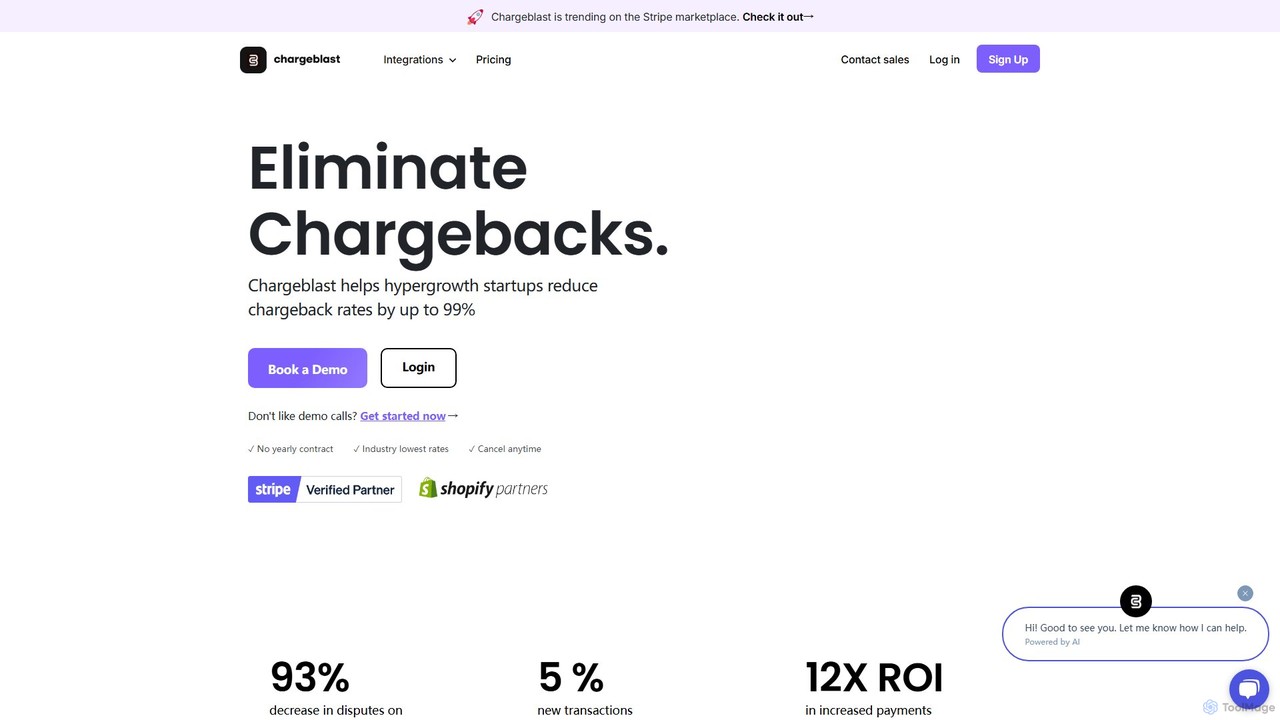
Chargeblast is a chargeback prevention tool that provides real-time alerts, allowing merchants to refund transactions before they become official disputes. It helps businesses drastically reduce dispute rates, save on fees, avoid high-risk monitoring, and increase revenue by accepting more payments.

Payment Processing
Visits 118.1KFavorites 125Likes 112

About Customer Retention

Customer Retention AI tools are specialized SaaS solutions designed to help businesses minimize churn and maximize customer lifetime value. These tools leverage artificial intelligence to analyze customer behavior, predict potential churn risks, and automate personalized engagement strategies. By proactively identifying at-risk customers and delivering targeted interventions, they enable companies to build stronger relationships and foster long-term loyalty within their customer base.

Core Features

  • Churn Prediction: Utilizes machine learning to identify patterns and predict which customers are likely to churn, often with a probability score.
  • Personalized Engagement: Automates tailored communication (emails, in-app messages) based on individual customer segments and behavior.
  • Feedback Analysis: Processes customer feedback from various channels to uncover sentiment, pain points, and areas for improvement.
  • Customer Health Scoring: Assigns a score to each customer based on their engagement, usage, and satisfaction, indicating their overall health.
  • Automated Win-back Campaigns: Triggers specific campaigns for churned or inactive customers to re-engage them with relevant offers or support.

Use Cases

SaaS companies can use these tools to monitor user activity within their platform, identifying drops in engagement that signal churn risk. E-commerce businesses can analyze purchase history and browsing behavior to offer personalized recommendations and loyalty programs.

How to Choose

When selecting a Customer Retention AI tool, consider its integration capabilities with existing CRM and marketing platforms, the accuracy of its churn prediction models, the flexibility of its personalization features, and its scalability to grow with your customer base. Evaluate the depth of analytics provided and the ease of setting up automated workflows.

Customer Retention use cases

1

Proactive Churn Prevention in SaaS

For SaaS product managers and customer success teams, these tools continuously monitor user engagement metrics, feature adoption, and support interactions. When a user's activity deviates from healthy patterns (e.g., reduced login frequency, decreased feature usage), the AI flags them as at-risk. This enables customer success managers to proactively reach out with targeted support, educational resources, or personalized offers, preventing potential cancellations before they occur and maintaining subscription revenue.

2

Enhancing E-commerce Customer Loyalty

E-commerce marketers can leverage Customer Retention AI to analyze purchase history, browsing behavior, and demographic data. The AI identifies high-value customers, segments them based on preferences, and automates personalized loyalty programs or exclusive offers. For customers showing signs of disengagement, the system can trigger re-engagement campaigns with tailored product recommendations or discounts, fostering repeat purchases and increasing customer lifetime value.

3

Automating Personalized Customer Onboarding

For businesses with complex products or services, ensuring successful customer onboarding is crucial for retention. AI tools can analyze onboarding progress, identify common sticking points, and automatically trigger personalized guidance or support messages. This ensures new users quickly grasp the product's value, reducing early-stage churn and setting a strong foundation for long-term engagement by addressing individual needs efficiently.

4

Identifying and Re-engaging Inactive Users

Many digital platforms face the challenge of inactive users. Customer Retention AI tools can segment users based on their last activity, engagement level, and historical value. The system then automates targeted re-engagement campaigns, such as personalized email sequences highlighting new features, special offers, or relevant content. This helps reactivate dormant accounts, bringing users back into the product ecosystem and recovering potential lost revenue.

5

Optimizing Subscription Renewal Rates

For subscription-based businesses, maximizing renewal rates is paramount. AI-powered retention tools predict renewal likelihood by analyzing usage patterns, payment history, and customer feedback. They can automate timely reminders, offer personalized incentives for early renewal, or flag high-risk accounts for manual intervention by sales or customer success teams. This strategic approach significantly improves the chances of successful renewals and stable recurring revenue.

6

Analyzing Customer Feedback for Service Improvement

Customer service managers and product teams can use these AI tools to analyze vast amounts of unstructured customer feedback from surveys, support tickets, and social media. The AI identifies recurring themes, sentiment, and critical pain points, providing actionable insights into product deficiencies or service gaps. This data-driven approach allows businesses to prioritize improvements that directly address customer dissatisfaction, leading to higher satisfaction and reduced churn.

Customer Retention FAQ

What are Customer Retention AI tools?

Customer Retention AI tools are software solutions that use artificial intelligence to help businesses keep their existing customers. They analyze customer data to predict churn, personalize communications, and automate strategies to improve customer loyalty and extend customer lifetime value. These tools are crucial for sustainable business growth by focusing on maintaining a stable customer base.

How do Customer Retention AI tools predict churn?

Customer Retention AI tools predict churn by employing machine learning algorithms to analyze various data points, including customer demographics, purchase history, engagement levels, support interactions, and behavioral patterns. The AI identifies correlations and anomalies that indicate a customer is at risk of leaving, often assigning a churn probability score. This predictive capability allows businesses to intervene proactively.

What is the difference between Customer Retention AI and CRM systems?

While both manage customer relationships, CRM systems primarily focus on organizing customer data, managing sales pipelines, and facilitating general customer interactions. Customer Retention AI tools, on the other hand, specialize in leveraging AI to analyze that data specifically for churn prediction, personalized engagement, and automated retention strategies. They augment CRM by providing deeper, predictive insights focused on keeping customers, rather than just managing them.

What are the key benefits of using AI for customer retention?

Using AI for customer retention offers several key benefits. It enables proactive identification of at-risk customers, allowing for timely interventions. AI facilitates highly personalized communication and offers, increasing their effectiveness. It automates repetitive tasks like sending re-engagement messages, saving time and resources. Ultimately, AI helps businesses reduce churn rates, increase customer lifetime value, and foster stronger, more loyal customer relationships.

Who typically uses Customer Retention AI tools?

Customer Retention AI tools are primarily used by customer success managers, marketing teams, product managers, and business analysts in various industries, especially SaaS, e-commerce, and subscription-based services. These roles leverage the tools to understand customer behavior, implement targeted retention strategies, improve customer satisfaction, and ultimately drive sustainable revenue growth by minimizing customer attrition.