Sales Best in category 1 results Retail AI Tool

Popular AI tools in the Retail field of Sales include Eyrene, etc., helping you quickly improve efficiency.

Eyrene

Eyrene

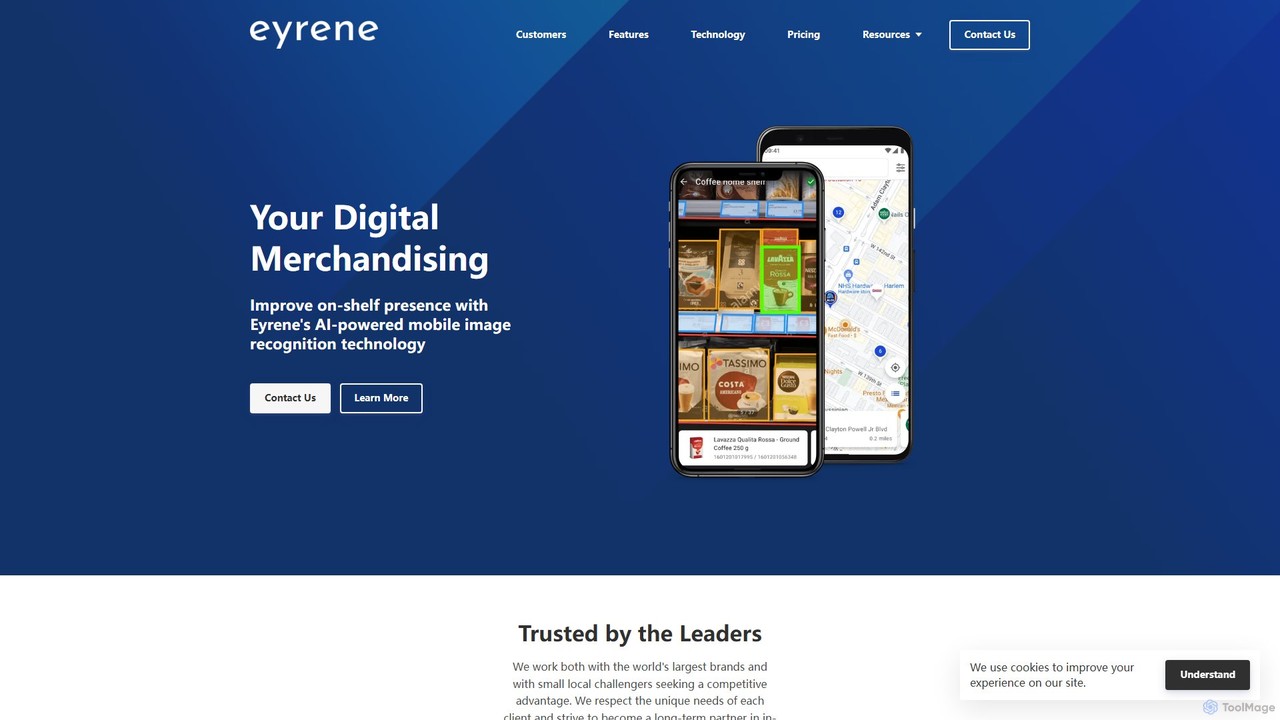
Eyrene is an AI-powered digital merchandising platform for CPG and retail companies. It utilizes real-time mobile image recognition …

4.2K

About Retail

AI Retail tools are specialized solutions designed to optimize operations and enhance customer experiences within the retail sector. These tools leverage machine learning, computer vision, and data analytics to tackle industry-specific challenges from inventory management to customer personalization. They enable retailers to make data-driven decisions, automate complex processes, and create seamless shopping journeys across online and offline channels. By analyzing vast amounts of data, these tools help predict trends, manage stock levels efficiently, and tailor marketing efforts effectively.

Core Features

  • Demand Forecasting: Utilizes historical sales data and external factors to accurately predict future product demand.
  • Personalized Recommendations: Analyzes customer behavior and purchase history to suggest relevant products in real-time.
  • Dynamic Pricing: Automatically adjusts product prices based on demand, competitor pricing, and inventory levels.
  • Inventory Optimization: Automates stock management to prevent stockouts and reduce overstock, improving capital efficiency.
  • In-Store Analytics: Employs computer vision to analyze foot traffic, customer paths, and product engagement on shelves.

Use Cases

AI Retail tools are essential for e-commerce platforms, brick-and-mortar stores, and omnichannel businesses. They are used by marketing managers to create personalized campaigns, supply chain managers to optimize logistics, and store operators to improve in-store layouts and customer flow. For example, a fashion retailer can use AI to recommend outfits, while a grocery store can use it to minimize food waste through better forecasting.

How to Choose

When selecting an AI Retail tool, consider its integration capabilities with your existing systems like POS, ERP, and e-commerce platforms. Evaluate the accuracy and specificity of its AI models for your product category. Also, assess its scalability to handle your transaction volume and product catalog size. Finally, review data security protocols and ensure compliance with privacy regulations like GDPR or CCPA.

RetailUse Cases

1

Automate Inventory Replenishment

A supply chain manager for a multi-location retail chain uses an AI tool to automate inventory management. The system analyzes real-time sales data from all stores, considers seasonal trends, upcoming promotions, and local events. Based on its demand forecast, it automatically generates optimized purchase orders for each location, ensuring popular items are always in stock while minimizing overstock of slow-moving products. This reduces manual work for staff, cuts carrying costs, and prevents lost sales due to stockouts, improving overall supply chain efficiency.

2

Personalize E-commerce Recommendations

An e-commerce marketing manager implements an AI recommendation engine on their website. The engine tracks user behavior, including pages viewed, items added to the cart, and past purchases. It then uses this data to power 'Recommended for You' and 'Frequently Bought Together' sections with highly relevant products. This personalization increases user engagement, boosts the average order value by encouraging add-on purchases, and improves customer loyalty by creating a more tailored and intuitive shopping experience.

3

Optimize In-Store Layout with Foot Traffic Analysis

A manager of a large department store uses an AI-powered video analytics tool. Cameras installed throughout the store track anonymous customer movements, creating heatmaps of high-traffic areas and identifying common customer paths. The AI analyzes this data to reveal which displays attract the most attention and where bottlenecks occur. The manager uses these insights to optimize product placement, improve store layout for better flow, and strategically place high-margin items along popular routes, leading to increased sales and a better shopping experience.

4

Implement Dynamic Pricing for Competitive Advantage

A pricing analyst for an online electronics retailer uses an AI dynamic pricing tool. The software continuously monitors competitor prices, market demand, inventory levels, and even factors like time of day. It then automatically adjusts the prices of thousands of products in real-time to remain competitive while maximizing profit margins. For example, it might slightly lower the price of a popular smartphone to match a competitor's sale, or increase the price of a rare accessory when stock is low, ensuring optimal pricing strategy without constant manual intervention.

5

Reduce Checkout Friction with Autonomous Stores

A convenience store chain pilots a cashierless store concept powered by AI. Customers scan a QR code to enter. A network of cameras and shelf sensors uses computer vision and sensor fusion to track which items each customer picks up. When they leave, the AI system automatically calculates the total and charges their linked payment method. This eliminates checkout lines entirely, providing a fast and frictionless shopping experience. The system also provides hyper-accurate, real-time inventory data, further streamlining operations.

6

Enhance Customer Service with AI Chatbots

A home goods retailer integrates an AI-powered chatbot into its website and mobile app. The chatbot is trained on the company's entire product catalog, store location data, and return policies. It can instantly answer common customer questions 24/7, such as 'Do you have this table in oak?' or 'What are the opening hours for the downtown store?'. This frees up human support agents to handle more complex issues like damaged deliveries or payment problems. The chatbot improves customer satisfaction with instant responses and reduces operational costs for the support center.

RetailFrequently Asked Questions