Sales Best in category 2 results Virtual Showroom AI Tool

Popular AI tools in the Virtual Showroom field of Sales include Zolak、imrsivo, etc., helping you quickly improve efficiency.

Zolak

Zolak

Zolak is an AI-powered 3D product visualization platform for e-commerce. It transforms online shopping with immersive experiences like …

11.8K
imrsivo

imrsivo

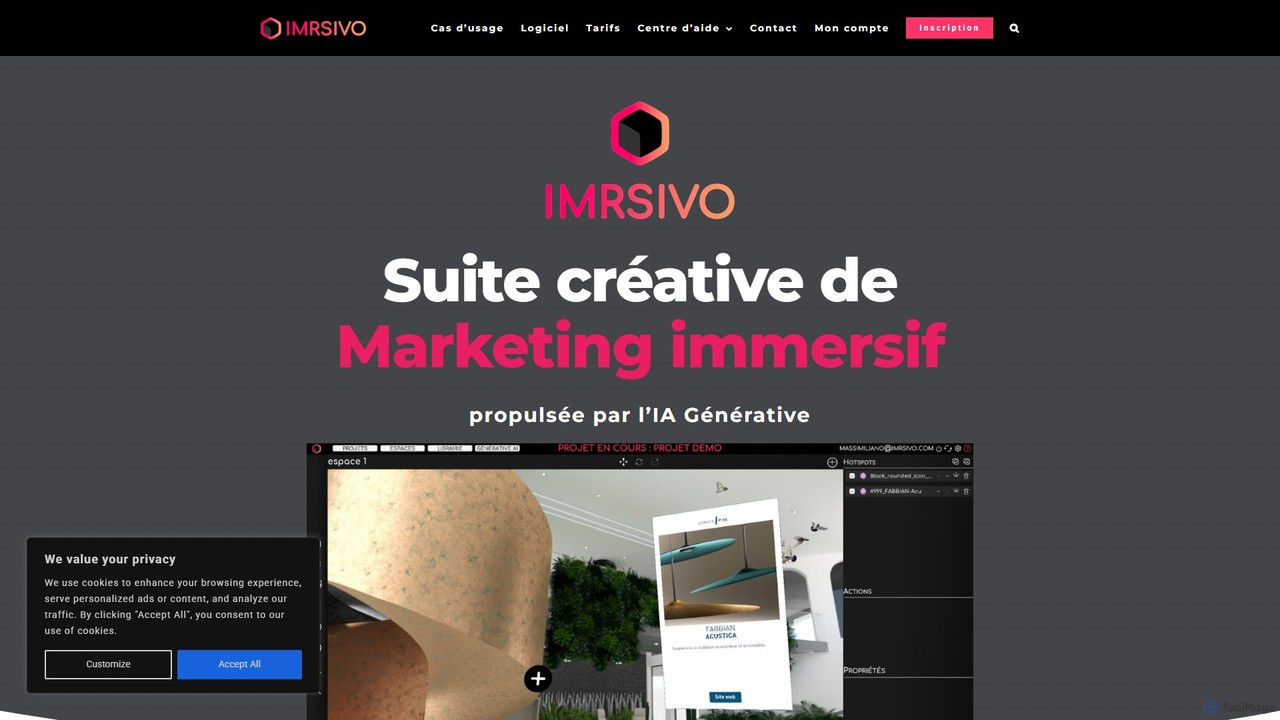
imrsivo is a generative AI-powered creative suite for building immersive marketing experiences. Create interactive 3D/VR tours and product …

3.0K

About Virtual Showroom

Virtual Showroom tools are AI-powered platforms that create immersive, interactive 3D environments for showcasing products and services. These tools leverage advanced rendering and artificial intelligence to offer customers a highly engaging and personalized exploration experience. They enable businesses to present their offerings dynamically, bridging the gap between physical and digital sales interactions, thereby enhancing customer engagement and driving purchasing decisions within the broader sales strategy.

Core Features

  • Interactive 3D Product Models: Allows customers to view, rotate, zoom, and customize products in a realistic 3D space.
  • AI-Driven Personalization: Tailors the showroom experience, product recommendations, and content based on user behavior and preferences.
  • Real-time Communication: Integrates live chat, video calls, or AI assistants for immediate customer support and guided tours.
  • Customizable Environments: Enables businesses to design branded virtual spaces that reflect their aesthetic and product lines.
  • Analytics & Insights: Provides data on user engagement, popular products, and interaction patterns to optimize sales strategies.

Use Cases

Virtual Showrooms are invaluable for industries requiring detailed product visualization and remote customer engagement. They are particularly effective for new product launches, allowing customers to explore features before physical availability, or for showcasing complex machinery that is difficult to transport. Real estate agencies use them for virtual property tours, while automotive brands offer interactive car configurators, significantly enhancing the pre-purchase experience.

How to Choose

When selecting a Virtual Showroom tool, prioritize platforms offering high-fidelity 3D rendering and robust interactivity to ensure a realistic user experience. Evaluate its AI capabilities for personalization and data analytics, as these drive engagement and provide actionable insights. Consider integration with existing CRM or e-commerce systems, scalability for future growth, and the ease of content creation and management to align with your sales and marketing objectives.

Virtual ShowroomUse Cases

1

Immersive Product Launches for E-commerce

E-commerce managers can utilize Virtual Showrooms to launch new product lines with an immersive experience. Instead of static images, customers can explore 3D models of products, customize features, and view them in various settings. This enhances product understanding and engagement, leading to higher conversion rates and reduced returns by providing a more comprehensive pre-purchase view.

2

Virtual Property Tours for Real Estate

Real estate agents can offer prospective buyers virtual tours of properties, allowing them to explore homes, apartments, or commercial spaces from anywhere in the world. This eliminates geographical barriers and saves time for both agents and clients. Buyers can navigate through rooms, view different layouts, and even visualize furniture placement, making the decision-making process more efficient and informed.

3

Interactive Vehicle Configuration for Automotive Sales

Automotive manufacturers and dealerships can deploy Virtual Showrooms to allow customers to configure their dream vehicles. Users can select models, colors, interior trims, and optional features, then view the customized car in a realistic 3D environment. This interactive experience helps customers visualize their choices, reduces the need for extensive physical inventory, and streamlines the sales process by providing a clear, personalized product view.

4

B2B Demos for Complex Industrial Equipment

Manufacturers of large or complex industrial equipment can use Virtual Showrooms for B2B demonstrations. Instead of shipping heavy machinery or requiring on-site visits, sales teams can present detailed 3D models of equipment, showcasing internal mechanisms and operational processes. This allows potential clients to thoroughly inspect products remotely, facilitating complex sales cycles and reducing logistical costs for both parties.

5

Virtual Fashion & Retail Immersive Shopping

Fashion brands and retailers can create Virtual Showrooms to offer immersive shopping experiences. Customers can explore virtual boutiques, view clothing on customizable avatars, try on accessories, and see how items look in different environments. This innovative approach enhances customer engagement, provides a unique brand experience, and helps reduce returns by allowing a more realistic 'try-on' before purchase, boosting sales in the competitive retail landscape.

6

Global Art Gallery & Museum Exhibitions

Art galleries and museums can host Virtual Showrooms to present exhibitions to a global audience, transcending physical location. Visitors can navigate through virtual halls, view artworks in high detail, read descriptions, and even attend virtual guided tours. This expands accessibility, allows for unique curatorial experiences, and generates new revenue streams through virtual ticket sales or exclusive digital content, making art more accessible worldwide.

Virtual ShowroomFrequently Asked Questions