Search Best in category 4 results Search Assistant AI Tool

Popular AI tools in the Search Assistant field of Search include ChatGPT EVO、duckduckgpt、TinaMind、Torq, etc., helping you quickly improve efficiency.

Free
duckduckgpt

duckduckgpt

A free, open-source browser extension that enhances DuckDuckGo search with AI-powered chat and summaries. It integrates seamlessly, providing …

51.8K
TinaMind

TinaMind

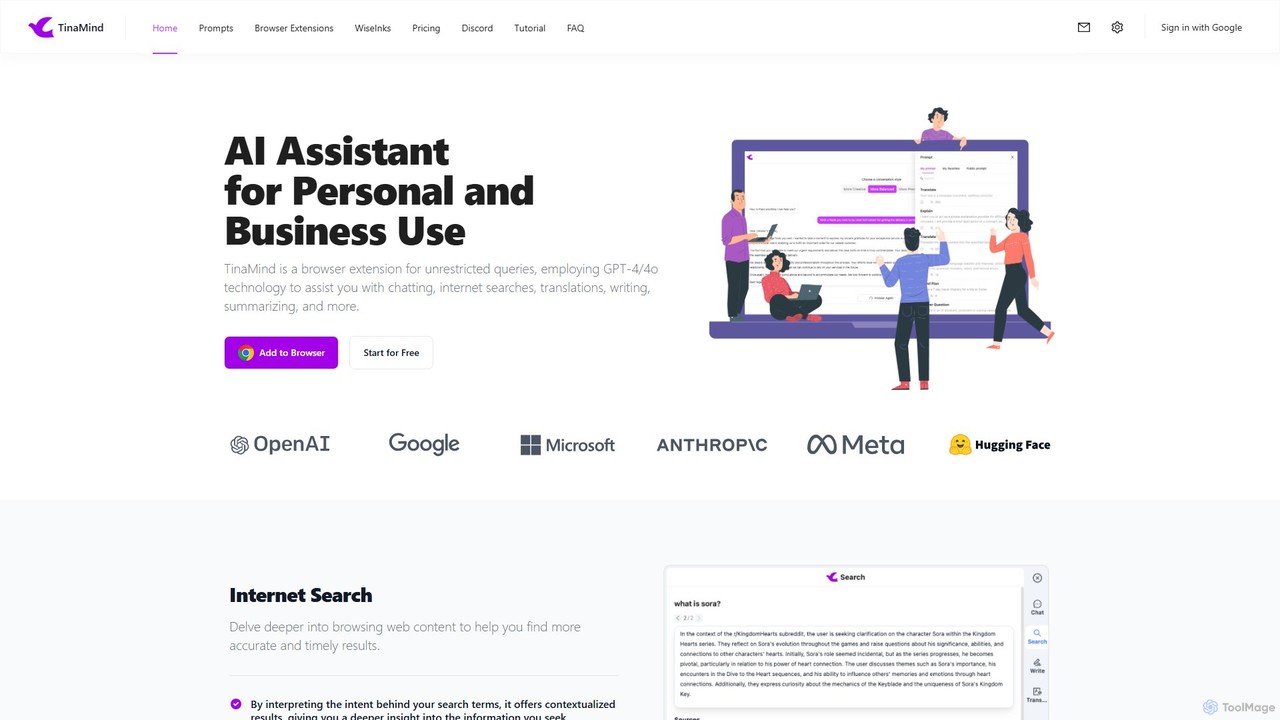
TinaMind is an AI-powered browser extension that enhances your productivity with GPT-4/4o. It acts as an all-in-one assistant …

31.3K
Free
ChatGPT EVO

ChatGPT EVO

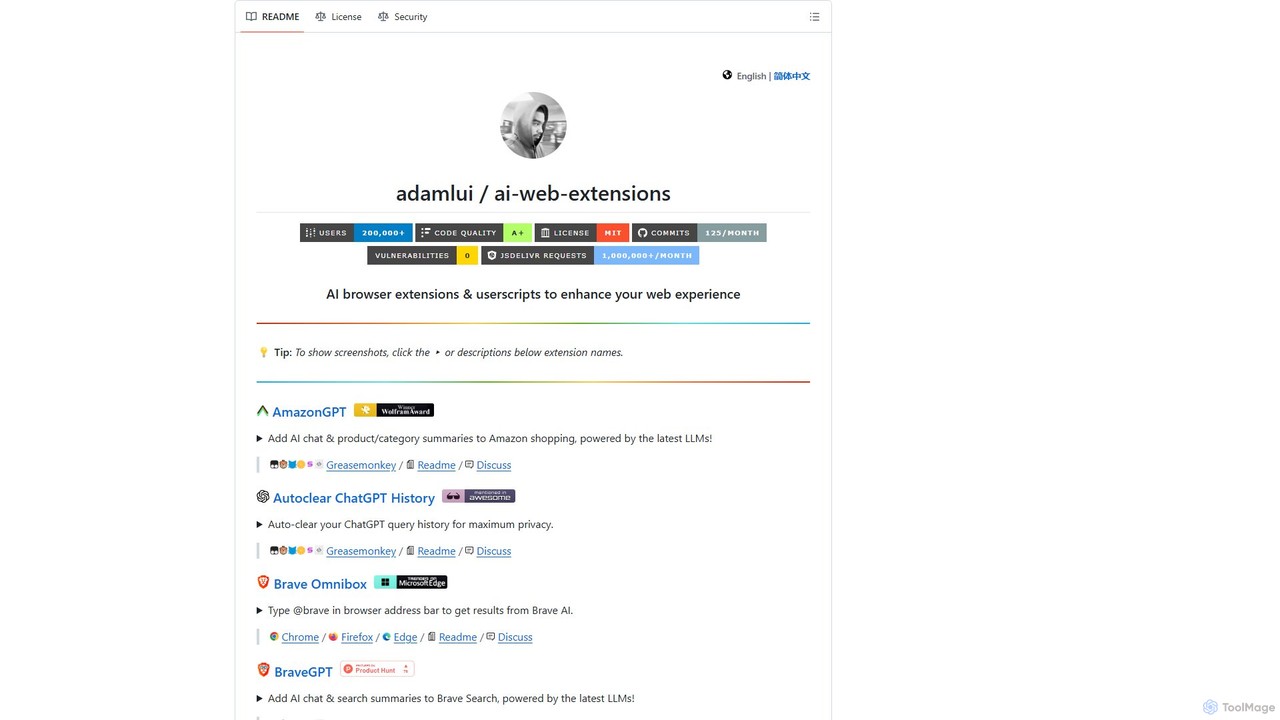
ChatGPT EVO is a powerful suite of open-source browser extensions and userscripts designed to augment your web experience. …

51.9K
Torq

Torq

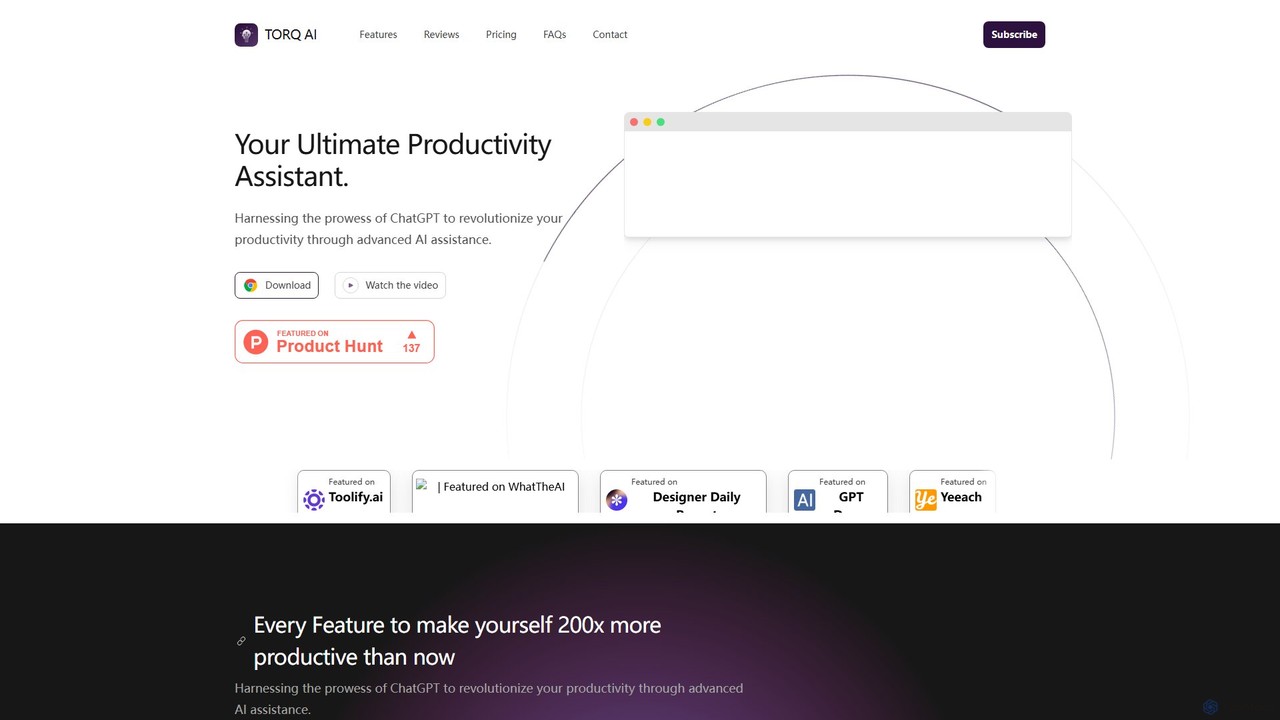
Torq is an AI-powered Chrome extension that supercharges your productivity. Leveraging ChatGPT, it offers one-click email generation, instant …

4.0K

About Search Assistant

Search Assistants are AI-powered tools designed to enhance and streamline the information retrieval process. Leveraging advanced natural language processing (NLP) and machine learning, these tools go beyond traditional keyword matching to understand user intent and provide more relevant, contextualized, and summarized results. They significantly improve research efficiency and decision-making by delivering precise answers and insights from vast datasets. These assistants often integrate with various data sources, offering a unified and intelligent search experience.

Core Features

  • Intent Understanding: Interprets complex queries and user intent, not just keywords, to deliver highly relevant results.
  • Contextual Summarization: Automatically extracts key information and summarizes search results or documents, saving reading time.
  • Multi-Source Integration: Connects to various databases, web sources, and internal documents to provide comprehensive answers.
  • Conversational Search: Allows users to interact with the search engine using natural language, asking follow-up questions for deeper exploration.
  • Personalized Results: Adapts search outcomes based on user history, preferences, and roles for a more tailored experience.

Use Cases

Professionals in research, content creation, and business intelligence frequently utilize Search Assistants to quickly gather insights, analyze market trends, or compile data for reports. For instance, a market analyst can use these tools to synthesize competitive intelligence from dozens of reports in minutes, or a student can rapidly find and summarize academic papers on a specific topic.

How to Choose

When selecting a Search Assistant, consider its ability to integrate with your existing data sources and applications, the accuracy and depth of its summarization capabilities, and its support for natural language queries. Evaluate the tool's customization options for personalization and its security features, especially when handling sensitive information. User interface intuitiveness and pricing models are also crucial for long-term adoption.

Search AssistantUse Cases

1

Accelerate Market Research and Competitive Analysis

Market researchers and business strategists can leverage Search Assistants to rapidly gather and synthesize information from diverse sources like industry reports, news articles, and competitor websites. By inputting specific queries about market trends, product features, or competitor strategies, the assistant can summarize key findings, identify emerging patterns, and highlight critical data points, drastically reducing manual data sifting and analysis time. This enables quicker, data-driven decision-making.

2

Enhance Academic Research and Literature Review

Students, academics, and researchers can utilize Search Assistants to efficiently navigate vast academic databases and scientific literature. Instead of reading through countless papers, the assistant can summarize core arguments, methodologies, and findings from relevant articles based on complex research questions. This streamlines the literature review process, helps identify gaps in existing research, and accelerates the compilation of bibliographies and research proposals.

3

Streamline Content Creation and Idea Generation

Content creators, journalists, and marketers can use Search Assistants to quickly find factual information, statistics, and background details for articles, blog posts, or marketing campaigns. By posing questions about specific topics, the assistant can provide concise summaries and relevant sources, aiding in fact-checking and generating new content ideas. This ensures accuracy and enriches content with well-researched insights, boosting productivity.

4

Improve Internal Knowledge Management and Employee Onboarding

Large organizations can deploy Search Assistants to create an intelligent internal knowledge base. Employees can ask natural language questions about company policies, project documentation, or technical specifications, and the assistant will retrieve and summarize the most relevant information from internal wikis, shared drives, and HR documents. This significantly reduces the time spent searching for information, improves employee onboarding, and fosters self-service.

5

Facilitate Legal and Compliance Document Review

Legal professionals and compliance officers often deal with extensive volumes of contracts, regulations, and case law. Search Assistants can help by quickly identifying specific clauses, precedents, or regulatory requirements across thousands of documents. By understanding complex legal terminology and context, these tools can summarize relevant sections, flag potential risks, and ensure adherence to compliance standards, making document review faster and more accurate.

6

Personalize Information Discovery for Executives

Executives and decision-makers can benefit from personalized Search Assistants that proactively deliver tailored news, industry updates, and strategic insights. Based on their roles, interests, and past queries, the assistant can filter out noise and present only the most critical and relevant information from various sources, summarized for quick consumption. This keeps leaders informed with minimal effort, supporting strategic planning and timely responses to market changes.

Search AssistantFrequently Asked Questions