Search Best in category 5 results Semantic Search AI Tool

Popular AI tools in the Semantic Search field of Search include The Grok App、Skald、Storylinematch、Dejams、MovieUncover, etc., helping you quickly improve efficiency.

Skald

Skald

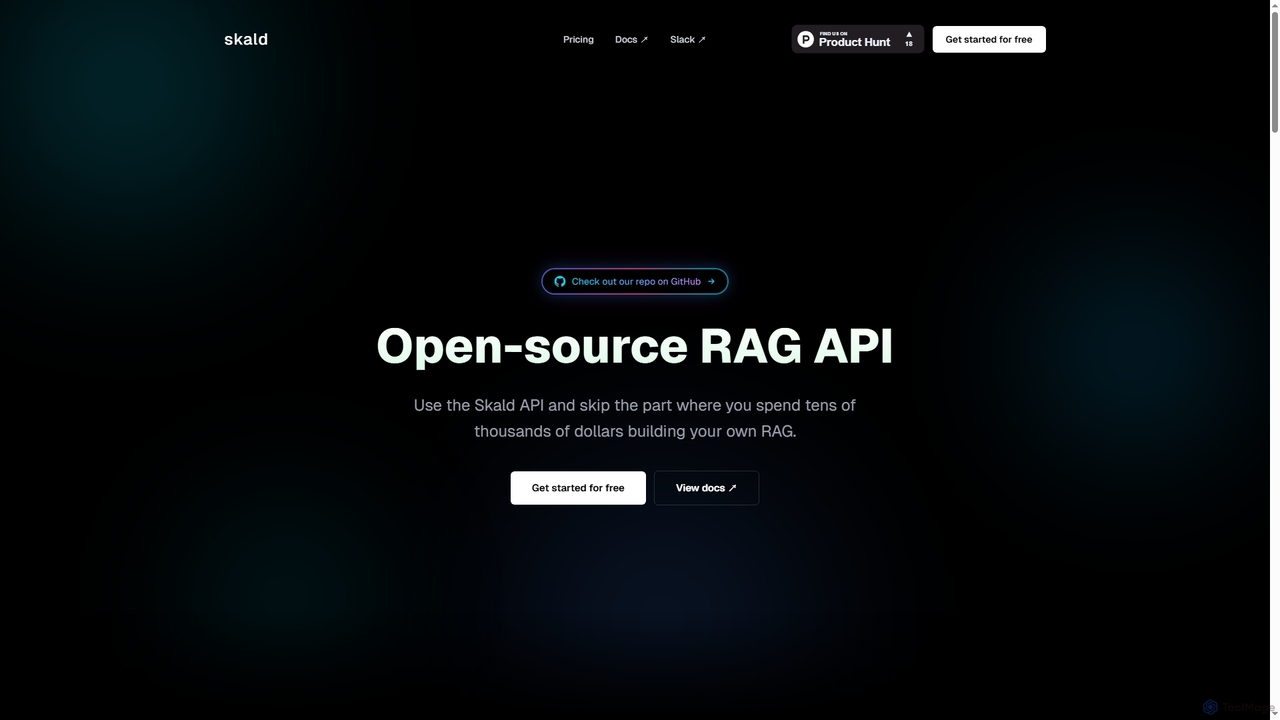
Skald is an open-source RAG API designed for developers to quickly build AI agents without the complexity of …

4.2K
Free
Storylinematch

Storylinematch

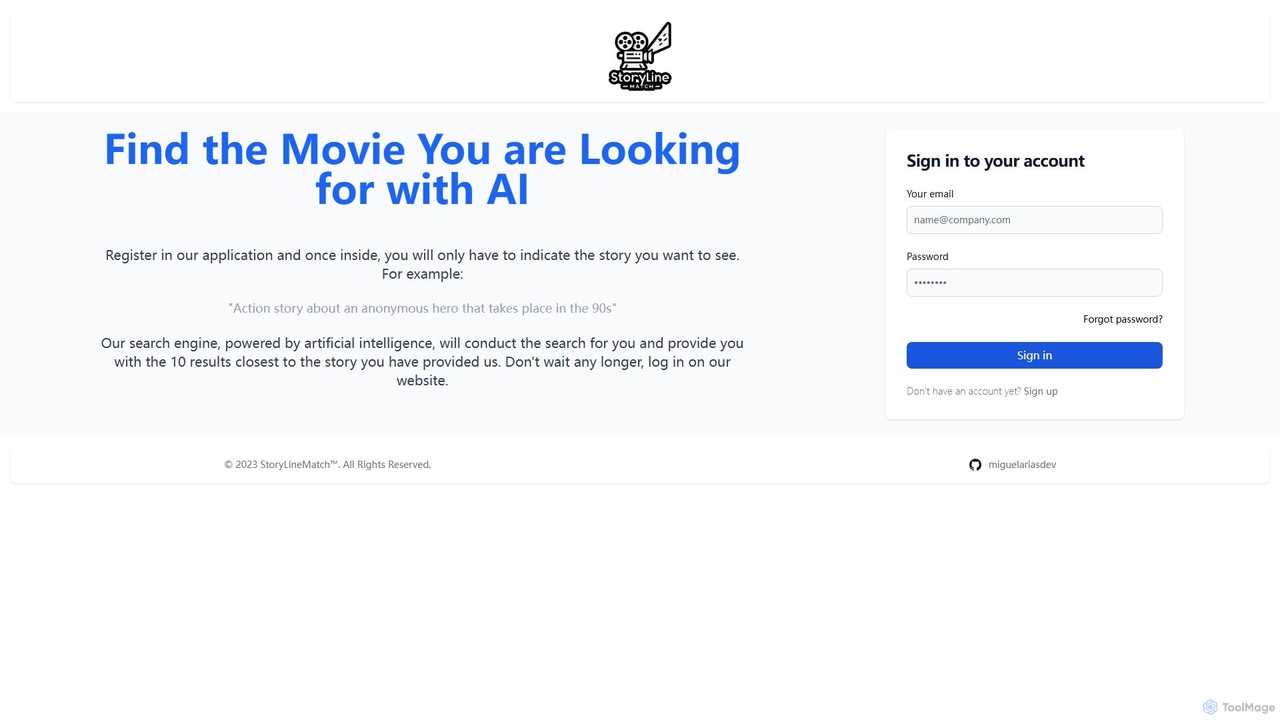
An AI-powered search engine that helps you find movies based on a natural language description of their plot. …

3.0K
Free
Dejams

Dejams

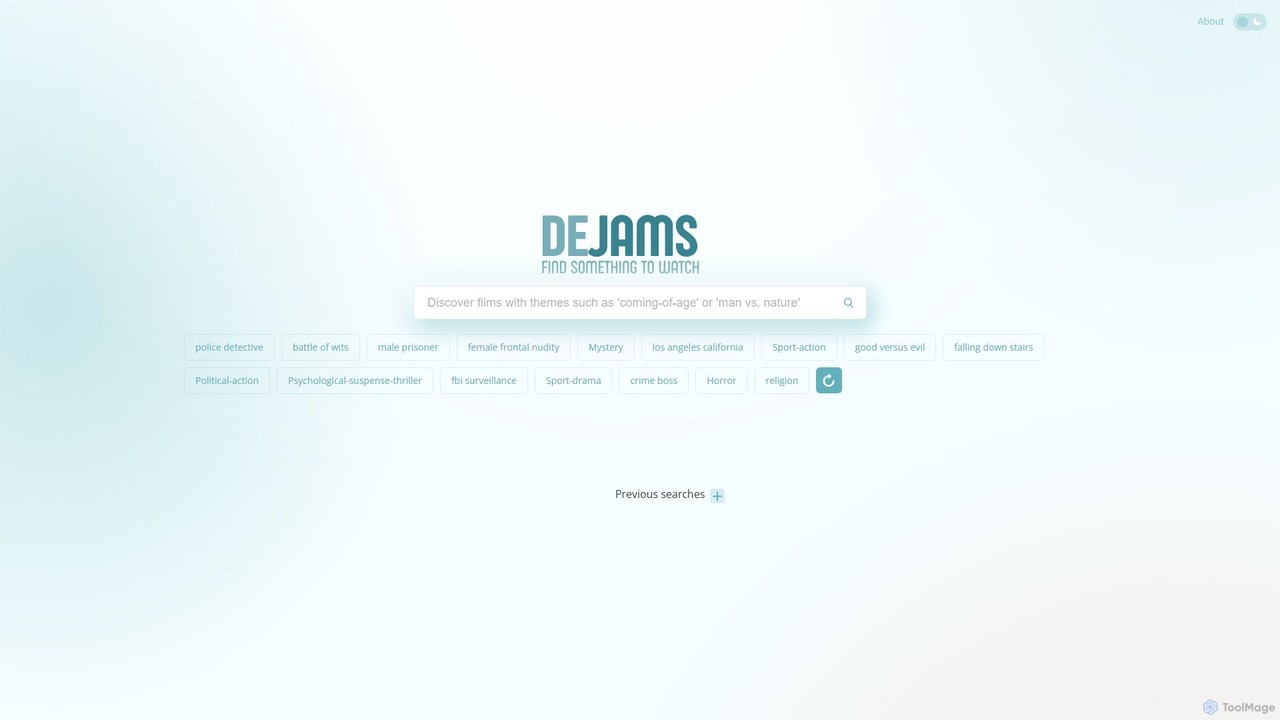
Dejams is an AI-powered semantic search engine for movies. Instead of keywords, you can search using natural language …

3.0K
The Grok App

The Grok App

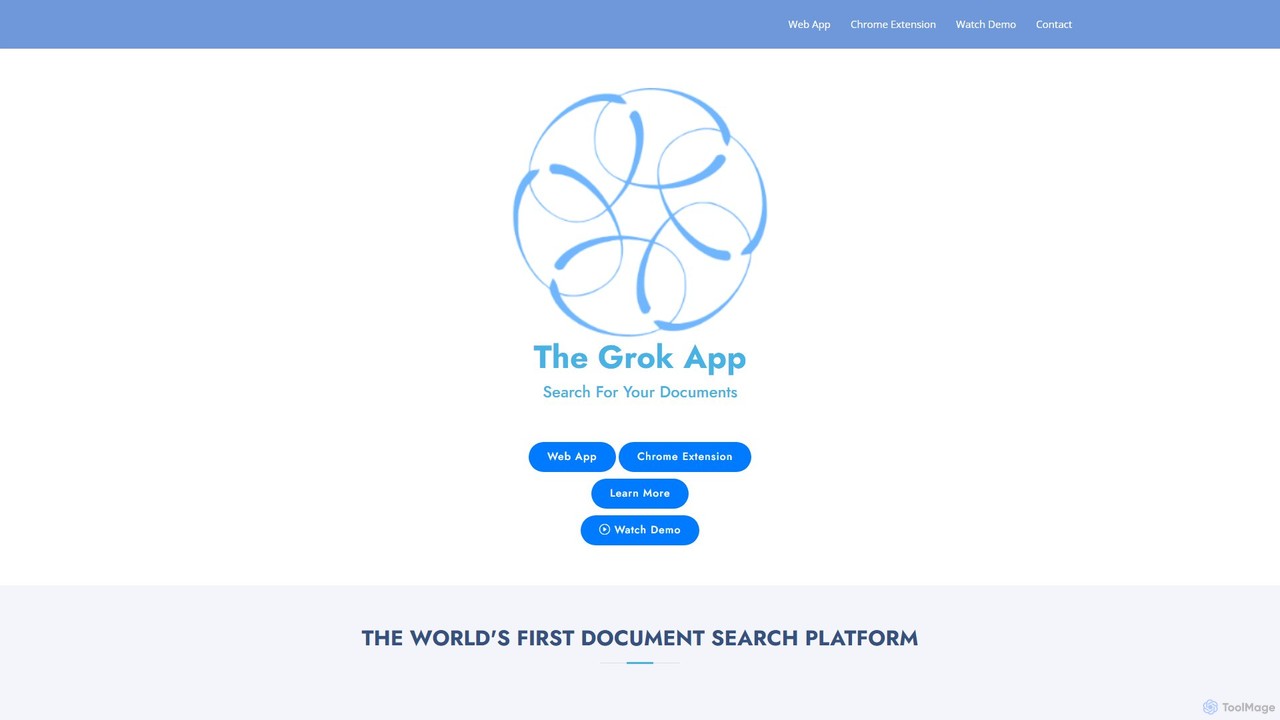
The Grok App is an AI-powered platform that transforms your personal and professional documents into a searchable knowledge …

5.5K
Free
MovieUncover

MovieUncover

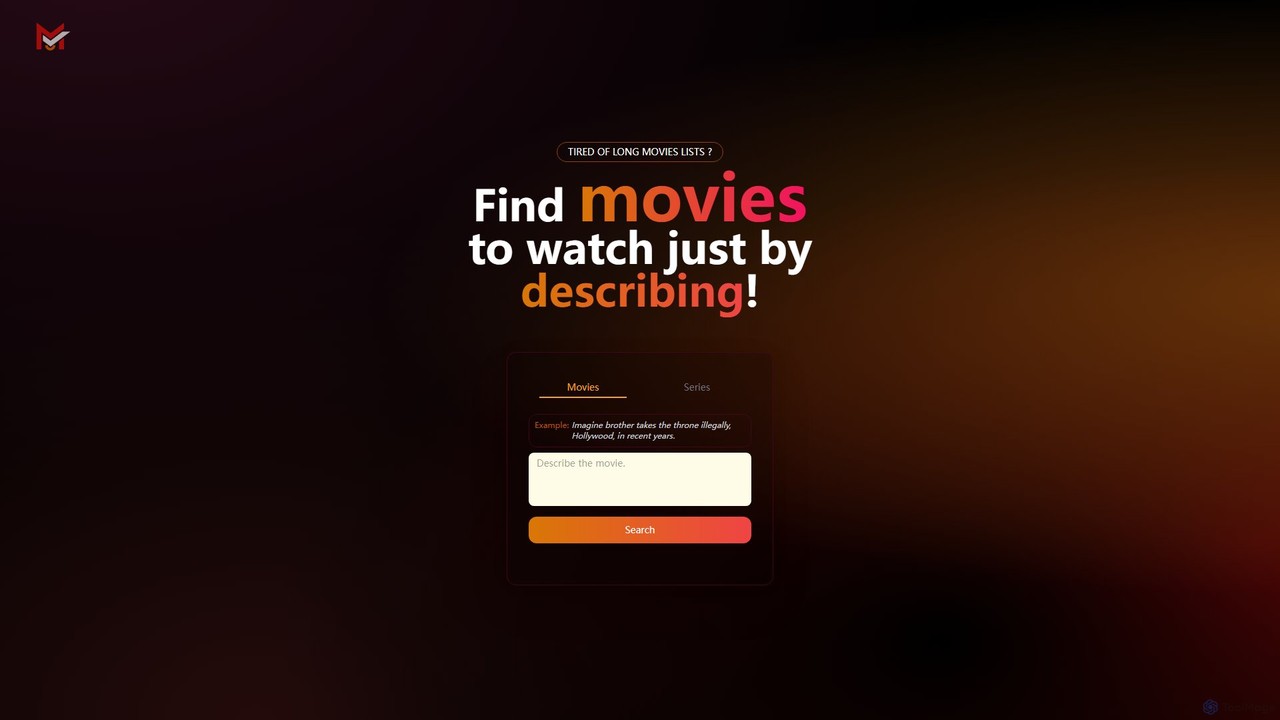
MovieUncover is an AI-powered search engine that helps you find movies and TV series by describing them in …

3.0K

About Semantic Search

Semantic Search tools are AI-powered solutions that deeply understand the user's intent behind a query. These tools leverage natural language processing (NLP) and machine learning algorithms to go beyond keyword matching, delivering more relevant and precise search results. They significantly enhance information retrieval efficiency and user experience, especially for complex or ambiguous queries.

Core Features

  • Contextual Understanding: Interprets user intent and meaning beyond literal keywords, analyzing the full query context.
  • Intent Recognition: Identifies the underlying goal or purpose of a user's search, even with vague phrasing.
  • Knowledge Graph Integration: Connects entities and concepts to provide richer, more structured search results.
  • Natural Language Querying: Allows users to ask questions in conversational language, similar to human interaction.
  • Relevance Ranking: Prioritizes results based on semantic similarity and contextual relevance, not just keyword frequency.

Use Cases

Semantic Search is crucial for scenarios requiring deep understanding of user needs. It's widely adopted in enterprise knowledge management for precise document retrieval, in e-commerce for personalized product recommendations based on descriptive queries, and in customer support to power intelligent chatbots that accurately interpret diverse user questions.

How to Choose

When selecting a Semantic Search tool, evaluate its accuracy in understanding complex queries, its scalability to handle growing data volumes, and its integration capabilities with existing systems. Consider the breadth of its NLP features, support for multiple languages, and the ease of customizing its knowledge base to your specific domain. Prioritize tools offering transparent relevance ranking and robust data privacy.

Semantic SearchUse Cases

1

Enhanced Enterprise Knowledge Retrieval

Knowledge workers in large organizations can use semantic search to quickly find precise answers within vast internal document repositories, wikis, and databases. Instead of sifting through keyword-based results, they can ask complex, natural language questions like "What are the compliance requirements for data handling in the EU for our new cloud service?" and receive direct, contextually relevant information, significantly reducing research time and improving decision-making.

2

Personalized E-commerce Product Discovery

Online shoppers can leverage semantic search to find products that match their nuanced preferences, moving beyond simple keyword matches. For instance, a user searching for "a comfortable, eco-friendly running shoe for wide feet with good arch support" will receive highly relevant product suggestions, even if the exact phrase isn't in the product description. This leads to higher conversion rates and improved customer satisfaction by connecting users with precisely what they need.

3

Intelligent Customer Support Chatbots

Customer service departments can deploy chatbots powered by semantic search to provide more accurate and helpful responses to customer inquiries. Instead of relying on rigid keyword rules, these chatbots can understand the nuances of a customer's question, even if phrased unconventionally. For example, a query like "My internet is slow, what can I do?" will be correctly interpreted as a request for troubleshooting steps, leading to faster resolution and reduced agent workload.

4

Advanced Content Research and Curation

Content creators, marketers, and researchers can utilize semantic search to discover highly relevant articles, studies, and media by describing their topic contextually rather than just using keywords. For example, a marketer researching "sustainable packaging solutions for luxury goods" will find content that discusses the concepts of sustainability, packaging, and luxury in relation to each other, even if the exact phrase isn't present, enabling more comprehensive and nuanced content creation.

5

Legal Document Analysis and Discovery

Legal professionals and paralegals can significantly streamline the process of reviewing vast legal databases and case files using semantic search. Instead of searching for exact legal terms, they can pose conceptual questions like "Find all cases where a company was held liable for environmental damage due to negligence in waste disposal." The tool will identify relevant precedents and documents based on the underlying legal concepts and relationships, drastically reducing manual review time and improving accuracy in legal discovery.

6

Academic Research and Literature Review

Academics and students conducting literature reviews can use semantic search to pinpoint highly specific research papers and studies within large scientific databases. By formulating complex, conceptual questions like "What are the long-term neurological effects of microplastic exposure in marine ecosystems?" they can retrieve articles that discuss these interconnected concepts, even if the exact keywords aren't present in the title or abstract. This ensures a more thorough and relevant literature review, saving countless hours.

Semantic SearchFrequently Asked Questions