VisionLabs
VisionLabs is a world-leading developer of enterprise-grade computer vision and machine learning solutions. Specializing in face, object, and …
VisionLabs is a world-leading developer of enterprise-grade computer vision and machine learning solutions. Specializing in face, object, and vehicle recognition, their platform offers top-ranked algorithms for industries like finance, security, transport, and retail. Key products include LUNA PLATFORM for comprehensive recognition and LUNA ID for mobile biometric verification.
Visage Technologies
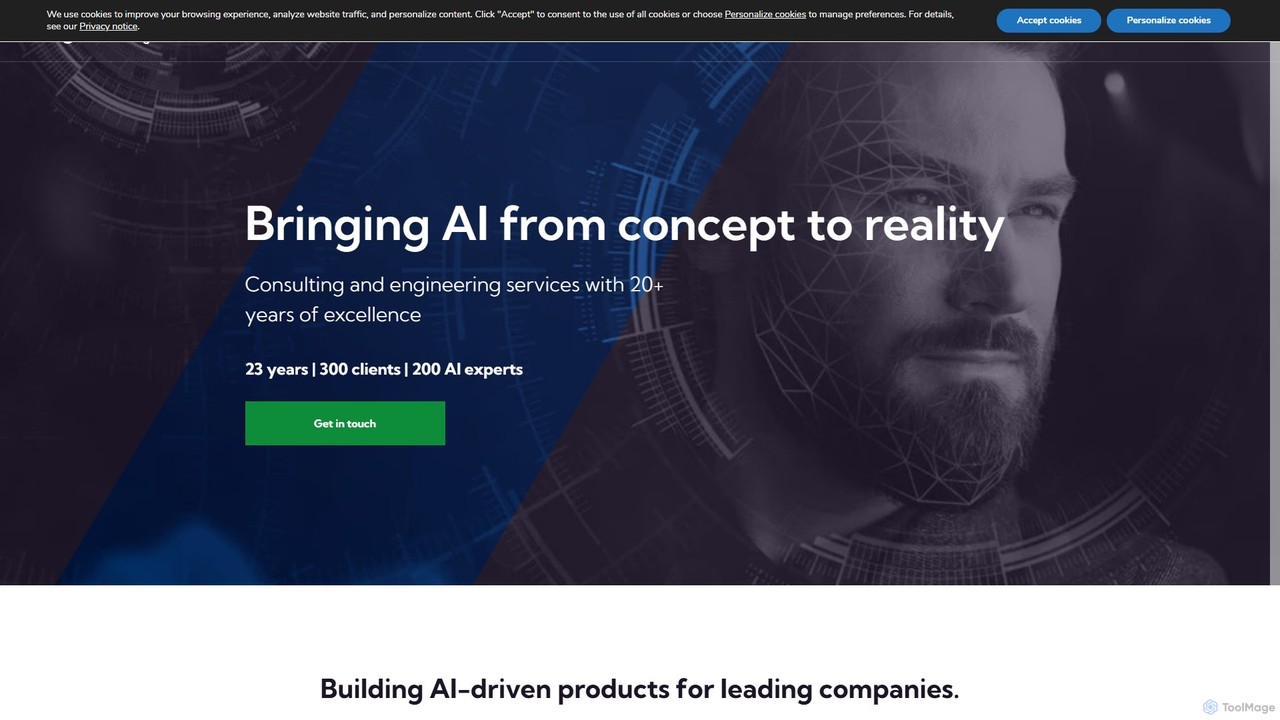
Visage Technologies provides advanced, high-performance computer vision solutions, specializing in face tracking, analysis, and recognition SDKs. With over …
Visage Technologies provides advanced, high-performance computer vision solutions, specializing in face tracking, analysis, and recognition SDKs. With over 20 years of expertise, they offer custom AI development and edge AI optimization for industries like automotive, security, retail, and healthcare.
About Biometrics
AI Biometrics tools are systems that identify and authenticate individuals based on unique biological or behavioral traits. These tools leverage machine learning algorithms to analyze data from sources like fingerprints, faces, irises, or typing patterns, creating a secure digital identity. Their primary value lies in providing a highly secure and convenient alternative to traditional passwords for access control, fraud prevention, and identity verification. Advanced systems incorporate liveness detection to prevent spoofing attacks from photos or recordings.
Core Features
- Physiological Recognition: Analyzes static physical traits such as fingerprints, facial structure, iris patterns, and voiceprints.
- Behavioral Recognition: Identifies individuals through dynamic patterns like gait, keystroke dynamics, or signature movements.
- Liveness Detection: Actively verifies that the biometric sample is from a live person, preventing spoof attacks using photos or videos.
- Template Matching: Converts biometric data into a secure digital template for rapid and accurate comparison and verification.
- Continuous Authentication: Passively monitors user behavior throughout a session to ensure consistent identity without repeated logins.
Use Cases
Biometric tools are widely used in finance for secure mobile banking and payment authorization. In corporate environments, they manage physical and digital access control, replacing traditional keycards. They are also critical in law enforcement for suspect identification and in healthcare for accurate patient record management, ensuring data integrity and privacy.
How to Choose
When selecting a biometric tool, evaluate its accuracy, specifically the False Acceptance Rate (FAR) and False Rejection Rate (FRR). Assess the strength of its anti-spoofing and liveness detection capabilities. Also consider its integration options via API, scalability for your user base, and compliance with data privacy regulations like GDPR or CCPA.
BiometricsUse Cases
Mobile Banking and Payment Authorization
A financial institution aims to enhance security and user experience for its mobile app. When a customer initiates a high-value transaction, the app uses AI biometrics instead of SMS codes. The tool activates the phone's camera for a facial scan, performs liveness detection to prevent photo-based fraud, and matches the scan against the user's enrolled template. This process authenticates the user in under two seconds, significantly reducing account takeover risks and streamlining the customer journey for critical financial operations.
Corporate Access Control and Time Tracking
A large corporation needs to secure its premises and automate employee attendance. They install AI biometric terminals at all entry points. An employee approaching a door is identified via a facial scan. The system instantly verifies their identity and access permissions, unlocking the door and logging their entry time. This eliminates the need for physical keycards, which can be lost or stolen, and prevents 'buddy punching' (one employee clocking in for another), ensuring accurate time tracking for payroll and enhancing overall building security.
Patient Identification in Healthcare
A hospital network wants to prevent medical errors and identity fraud. Upon patient registration, their facial data is securely enrolled using a biometric tool. During subsequent visits to any facility in the network, a quick facial scan instantly pulls up the correct electronic health record (EHR). This ensures that clinicians are always working with the right patient information, preventing misidentification that could lead to incorrect treatments or medication. It also protects against medical identity theft, where one person uses another's identity to receive care.
Securing Online Examinations and Remote Proctoring
An online university needs to ensure academic integrity during remote exams. They use an AI biometrics platform for proctoring. Before the exam, the system verifies the student's identity via a facial scan against their student ID photo. During the exam, the tool continuously monitors the student through their webcam, using facial recognition to ensure the same person is present throughout. It also analyzes keystroke dynamics to detect anomalies that might suggest someone else is typing. This provides a robust method to prevent cheating in a remote learning environment.
Law Enforcement and Public Safety Identification
A law enforcement agency uses a mobile biometric tool to identify individuals in the field. An officer can use a handheld device to capture a fingerprint or a photo of a person of interest. The AI system rapidly searches national databases for a match, providing the officer with potential identity, criminal history, and any outstanding warrants within seconds. This capability is crucial for quickly identifying suspects, finding missing persons, and verifying identities during traffic stops, significantly improving officer safety and operational efficiency.
Personalized Customer Experience in Retail
A high-end retail store uses an opt-in facial recognition system to enhance customer service. When a registered VIP customer enters, the system identifies them and alerts a sales associate on their tablet with the customer's name and purchase history. The associate can then greet the customer by name and offer personalized recommendations based on past preferences. This creates a highly tailored and exclusive shopping experience, fostering customer loyalty and increasing the likelihood of sales without requiring the customer to manually identify themselves.