
ToolMage
Sign in

Best 1 Encrypted Communication AI tools for Security

Popular Encrypted Communication AI tools in Security include Wire, helping you work more efficiently.

Wire
Freemium

Wire

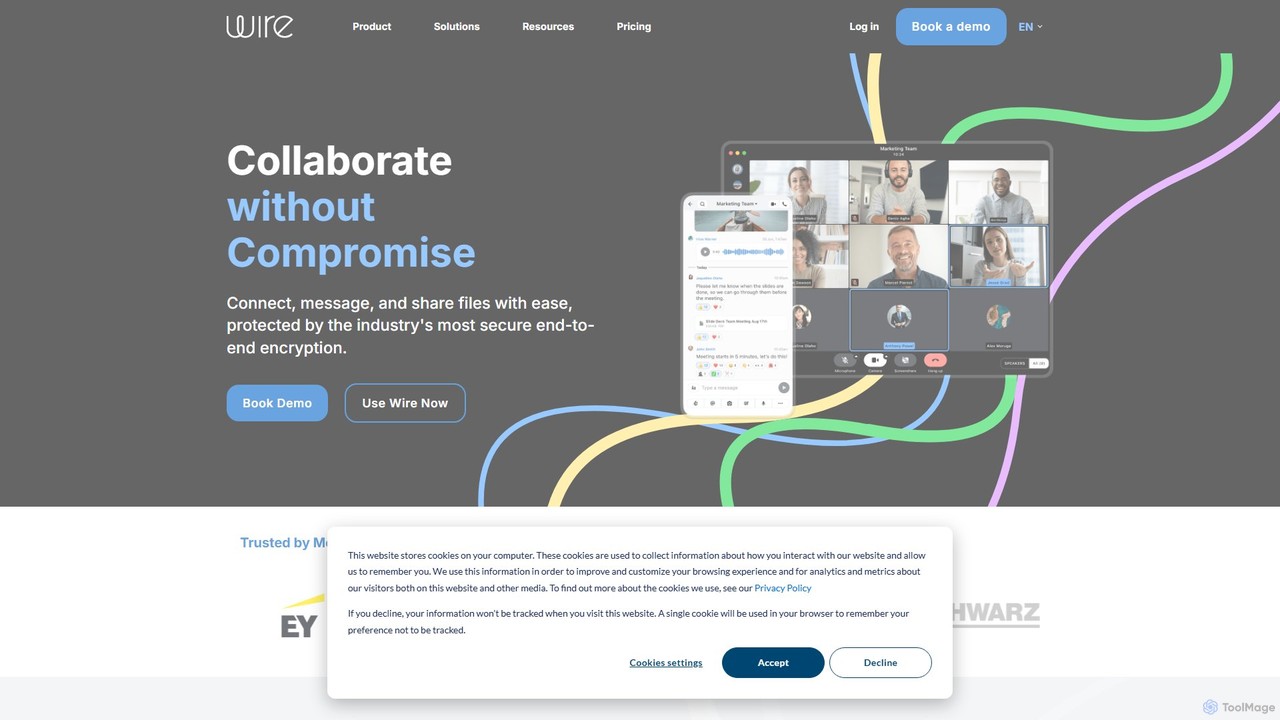
Wire is a highly secure, end-to-end encrypted collaboration platform designed for enterprises and governments. It provides messaging, calling, video conferencing, and file sharing with a primary focus on data privacy, compliance (GDPR, NIS2, HIPAA), and digital sovereignty. It ensures that all communications are private and protected from unauthorized access.

Team Management
Visits 370.2KFavorites 119Likes 101

About Encrypted Communication

Encrypted Communication tools are applications designed to protect digital conversations and data transfers using strong cryptographic methods. These tools primarily employ end-to-end encryption (E2EE), ensuring that only the sender and intended recipient can access the content. They provide a secure channel for sharing sensitive information, preventing interception by third parties, including service providers and government agencies. As a crucial component of digital security, these tools safeguard data in transit, protecting privacy and confidentiality.

Core Features

  • End-to-End Encryption (E2EE): Secures messages, calls, and files so only participants can read or access them.
  • Secure File Transfer: Allows for the encrypted sharing of documents, images, and other sensitive files.
  • Anonymity Features: Often includes capabilities to conceal user metadata or IP addresses for enhanced privacy.
  • Ephemeral Messaging: Provides options for messages to automatically self-destruct after a set period.
  • Zero-Knowledge Architecture: Ensures the service provider has no access to user encryption keys or unencrypted data.

Applicable Scenarios

These tools are vital for professionals like journalists, lawyers, and healthcare providers who handle confidential information. They are also used by corporate teams for discussing trade secrets, by activists for secure coordination, and by any individual seeking to protect their personal conversations from surveillance.

Selection Criteria

When choosing a tool, evaluate the strength of its encryption protocol (e.g., Signal Protocol). Consider the provider's jurisdiction and data logging policies. Prefer open-source applications that have undergone independent security audits, and balance advanced security features with user-friendliness for your specific needs.

Encrypted Communication use cases

1

Protecting Journalist-Source Communications

A journalist uses an end-to-end encrypted messaging app to communicate with a confidential source. This ensures that the source's identity and the sensitive information they share are protected from surveillance or discovery, maintaining journalistic integrity and personal safety. The platform's zero-knowledge policy prevents even the service provider from accessing the conversation records.

2

Securing Corporate M&A Negotiations

A corporate legal team uses a secure communication platform to conduct due diligence for a merger and acquisition. They can share confidential financial documents, contracts, and strategic plans in an encrypted data room. All conversations between the two parties are protected, preventing leaks that could jeopardize the deal or violate securities regulations.

3

Ensuring Patient Confidentiality in Telehealth

A healthcare provider conducts a remote consultation with a patient using an encrypted video calling service. This protects sensitive personal health information (PHI) and complies with medical privacy regulations. The end-to-end encryption guarantees that the conversation remains private between the doctor and patient, building trust in digital healthcare services.

4

Safeguarding Intellectual Property for Remote Teams

A distributed engineering team collaborates on a new proprietary technology. They use an encrypted communication tool to share source code, discuss algorithms, and conduct project meetings. This prevents corporate espionage and ensures that their valuable intellectual property is not intercepted or stolen while in transit across public networks.

5

Coordinating for Activist and NGO Groups

Members of a human rights organization operating in a high-surveillance environment use an encrypted messenger to coordinate their activities. Features like self-destructing messages and anonymity allow them to plan events and share information safely, minimizing the risk of persecution or interference from authoritarian regimes.

6

Maintaining Personal Privacy in Daily Chats

An individual uses an encrypted messaging app for daily conversations with family and friends. This ensures their personal photos, private discussions, and location data are not scanned for advertising purposes, collected by data brokers, or accessed by unauthorized parties. It empowers users to reclaim control over their personal digital footprint.

Encrypted Communication FAQ

What are Encrypted Communication tools?

Encrypted Communication tools are software applications that use cryptography to protect messages, calls, and files from being read by anyone other than the intended recipients. Their core feature is end-to-end encryption (E2EE), which means even the service provider cannot access the content. They are used to ensure privacy and security in all forms of digital interaction.

How do I choose a reliable encrypted communication tool?

To choose a reliable tool, consider these key factors:

  • Encryption Protocol: Verify the strength and implementation of the encryption (e.g., Signal Protocol, PGP).
  • Privacy Policy & Jurisdiction: Review the provider's data logging practices and where the company is based, as local laws can impact privacy.
  • Open Source & Audits: Prioritize open-source tools that have been independently audited for security vulnerabilities.
  • Usability: Balance the level of security with the tool's ease of use for your team or personal needs.
What is the difference between Encrypted Communication and a VPN?

Encrypted Communication tools and VPNs serve different purposes. An encrypted communication app secures the content of your messages or calls between you and the recipient (end-to-end). A VPN encrypts your entire internet connection, hiding your IP address and protecting all your device's traffic from your ISP. In short, a VPN protects the data pipe, while an encrypted app protects the message inside the pipe.

What does end-to-end encryption (E2EE) mean?

End-to-end encryption (E2EE) is a security method where data is encrypted on the sender's device and can only be decrypted by the intended recipient's device. No one in between, including the app's developers, your internet service provider, or government agencies, can access the unencrypted content. It is considered the gold standard for private digital communication.

Who should use encrypted communication tools?

Anyone who values privacy or handles sensitive information should use these tools. This includes journalists protecting sources, lawyers and doctors protecting client/patient confidentiality, businesses safeguarding trade secrets, and activists organizing securely. Everyday users also benefit by protecting their personal conversations from data mining and surveillance.