Security Best in category 1 results Misinformation AI Tool

Popular AI tools in the Misinformation field of Security include BladeRunner, etc., helping you quickly improve efficiency.

Free
BladeRunner

BladeRunner

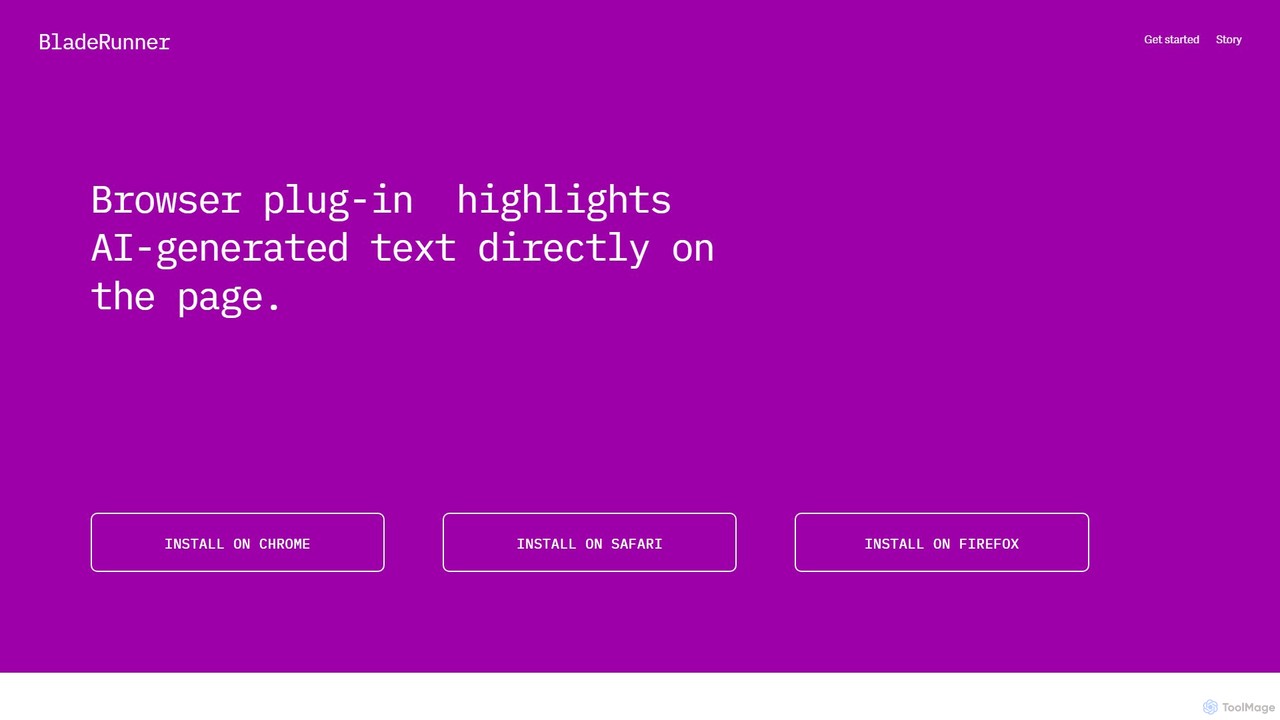
BladeRunner is a free browser extension that detects and highlights AI-generated text directly on any webpage. It helps …

2.2K

About Misinformation

Misinformation tools are AI-powered solutions designed to identify, analyze, and combat the spread of false or misleading information across digital platforms. Leveraging advanced natural language processing, computer vision, and machine learning, these tools help users verify content authenticity, detect deepfakes, and assess the credibility of sources. They play a crucial role in maintaining online integrity and trust within the broader cybersecurity and safety landscape.

Core Features

  • Automated Fact-Checking: Compares claims against verified databases and reputable sources to flag inaccuracies.
  • Deepfake Detection: Analyzes visual and audio content for signs of AI manipulation, such as synthetic media.
  • Sentiment and Bias Analysis: Evaluates content for emotional tone and potential ideological leanings to identify propaganda.
  • Source Credibility Assessment: Ranks the trustworthiness of news outlets, social media accounts, and websites based on historical accuracy and reporting standards.
  • Network Analysis: Maps the spread of false narratives across social media to identify key propagators and amplification patterns.

Use Cases

These tools are vital for journalists, social media platforms, public relations professionals, and government agencies. They are used to monitor real-time information flows, protect brand reputation from smear campaigns, and ensure the accuracy of public health announcements. By quickly identifying and contextualizing misleading content, organizations can mitigate potential harm and inform their audiences effectively.

How to Choose

When selecting a misinformation tool, consider its detection accuracy across different media types (text, image, video), the breadth of its data sources for fact-checking, and its integration capabilities with existing monitoring systems. Evaluate its ability to handle multiple languages, its real-time processing speed, and the transparency of its AI models in explaining detection rationale. User interface and reporting features are also important for effective analysis and response.

MisinformationUse Cases

1

Verifying Social Media Content Authenticity

Social media managers and trust & safety teams utilize AI misinformation tools to automatically scan posts, images, and videos for signs of false claims or manipulated media. This helps in quickly identifying and flagging viral hoaxes, preventing their spread, and maintaining platform integrity, thereby protecting users from harmful narratives and preserving the platform's credibility.

2

Detecting Deepfake Videos and Images

Media companies, cybersecurity analysts, and law enforcement agencies employ deepfake detection AI to authenticate visual content. By analyzing subtle inconsistencies in facial movements, lighting, or audio synchronization, these tools can identify AI-generated or manipulated media, crucial for verifying evidence, combating identity fraud, and preventing the spread of synthetic propaganda.

3

Assessing News Article Credibility for Journalists

Journalists and researchers use misinformation analysis tools to evaluate the trustworthiness of news sources and articles before publication or citation. These tools cross-reference factual claims, analyze author bias, and check the publication's history of accuracy, enabling reporters to ensure the integrity of their reporting and provide audiences with reliable information.

4

Protecting Brand Reputation from Online Smears

Public relations and brand management teams deploy AI misinformation monitors to track online discussions for false narratives or defamatory content targeting their brand. The tools identify the origin and spread of such information, allowing companies to respond swiftly with factual corrections, protect their public image, and mitigate potential financial or reputational damage.

5

Monitoring Public Health Misinformation

Public health organizations and government bodies leverage these tools to track and counter the spread of false health claims, especially during crises. By identifying prevalent myths, anti-vaccine propaganda, or unproven remedies, they can proactively disseminate accurate information, educate the public, and ensure that critical health decisions are based on scientific facts.

6

Analyzing Election Interference and Propaganda

Election integrity watchdogs and political analysts use AI misinformation tools to detect foreign interference, voter suppression tactics, or partisan propaganda campaigns during election cycles. These tools map influence networks, identify bot activity, and analyze narrative patterns, providing insights that help safeguard democratic processes and inform the public about potential manipulation.

MisinformationFrequently Asked Questions