
Security Best in category 1 results Phishing Protection AI Tool

Popular AI tools in the Phishing Protection field of Security include ScamMinder, etc., helping you quickly improve efficiency.

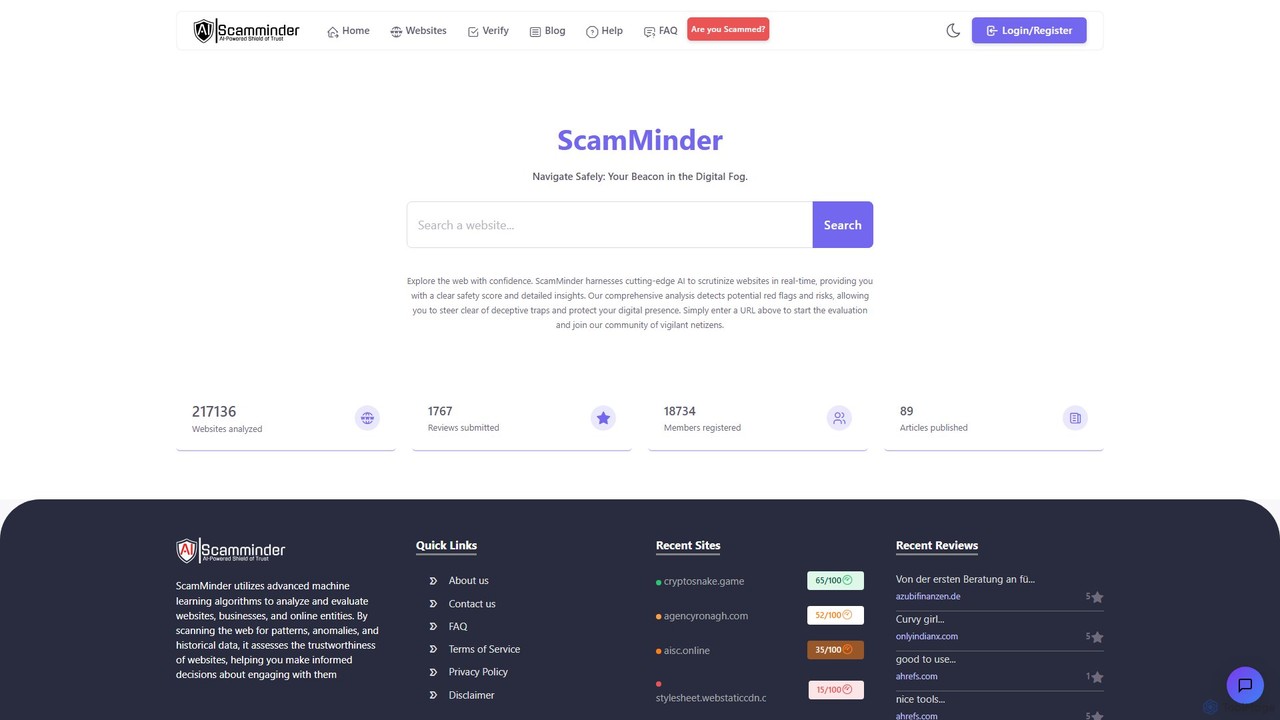
ScamMinder

ScamMinder

ScamMinder is an AI-powered cybersecurity tool that provides real-time analysis of websites to protect users from online scams. …

70.4K

About Phishing Protection

Phishing Protection tools are a specialized category of security software that uses artificial intelligence to detect and block phishing attacks in real-time. Unlike traditional rule-based filters, these tools analyze email content, sender reputation, URL structures, and behavioral anomalies to identify sophisticated threats like spear phishing and business email compromise (BEC). Their primary value lies in proactively neutralizing threats before they reach the end-user, significantly reducing the risk of data breaches and financial loss. This predictive capability makes them a critical layer in a modern cybersecurity defense strategy.

Core Features

  • Real-time Threat Analysis: Scans incoming emails, links, and attachments using Natural Language Processing (NLP) and computer vision to identify malicious intent.
  • Impersonation Detection: Uses AI to detect subtle signs of brand or executive impersonation, even when traditional authentication methods pass.
  • Link and URL Scanning: Analyzes URLs at the time of click to protect against zero-day phishing sites and malicious redirects.
  • Post-Delivery Remediation: Automatically retracts malicious emails from user inboxes even after they have been delivered, containing threats instantly.

Use Cases

These tools are essential for businesses of all sizes to protect employee email accounts, the most common vector for cyberattacks. They are particularly crucial for industries handling sensitive data, such as finance, healthcare, and legal services, where credential theft or data exfiltration can have severe consequences. Security Operations Centers (SOCs) also use them to automate threat response and reduce analyst workload.

How to Choose

When selecting a Phishing Protection tool, consider its detection technology and its effectiveness against zero-day threats. Evaluate its integration capabilities with your existing email platforms like Microsoft 365 or Google Workspace. Assess the automation features, especially for post-delivery remediation, and review the quality of its reporting and analytics to gain insights into your threat landscape.

Phishing ProtectionUse Cases

1

Protecting Corporate Inboxes from Spear Phishing

An IT security administrator deploys an AI phishing protection tool across the company's email server. The AI analyzes an incoming email pretending to be from the CEO asking for an urgent wire transfer. It flags anomalies like a slightly different sender domain, unusual language patterns, and a sense of urgency inconsistent with past communications. The tool automatically quarantines the email before it reaches the finance team, preventing significant financial loss and providing a real-world example for security training.

2

Preventing Credential Theft via Malicious Links

A remote employee receives an email that appears to be a password reset notification from a known SaaS provider. The email's design looks authentic. When the user clicks the link, the AI tool's real-time URL scanning intercepts the request. It identifies the destination as a newly registered, malicious domain mimicking the real one. Instead of loading the phishing page, the tool blocks access and displays a customizable warning page, educating the user about the blocked threat and preventing credential theft.

3

Automating Threat Response and Remediation

A Security Operations Center (SOC) analyst receives an alert about a phishing campaign targeting multiple employees. Instead of manually searching for and deleting the malicious email from hundreds of inboxes, the analyst uses the phishing protection tool's dashboard. With a single click on the 'remediate' button, the tool automatically finds and retracts all instances of the malicious email across the entire organization within minutes. This drastically reduces the response time from hours to seconds and minimizes the window of opportunity for attackers.

4

Blocking Business Email Compromise (BEC) Attacks

An accounts payable clerk receives an invoice from a 'vendor' with updated bank details. The AI tool analyzes the email's context beyond simple keyword matching. It notes the sudden change in payment information, the sender's unusual communication style compared to historical data, and the use of a free webmail service. It flags the email as a high-risk BEC attempt, alerting both the clerk and the security team. This proactive warning prevents a fraudulent payment that could have cost the company thousands of dollars.

5

Securing Cloud Email Suites like M365 and Google Workspace

A managed service provider (MSP) integrates an AI phishing protection tool via API into their clients' Microsoft 365 and Google Workspace environments. This adds a crucial security layer that works alongside the platforms' native filters. The tool specializes in detecting zero-day threats and sophisticated social engineering tactics that default security measures might miss. It automatically removes these threats from inboxes across multiple client tenants, providing enhanced, centralized protection without requiring manual intervention for each client.

6

Enhancing Security Awareness Training with Real Examples

A security team uses the phishing protection tool to enhance their employee training programs. The tool's dashboard provides detailed, anonymized reports on the types of phishing attacks that were blocked, such as brand impersonation or fake invoices. The team incorporates these real-world, relevant examples into their training materials. This approach makes the training more engaging and effective, as employees learn to recognize the specific threats targeting their own organization, rather than generic examples.

Phishing ProtectionFrequently Asked Questions