Imagetwin
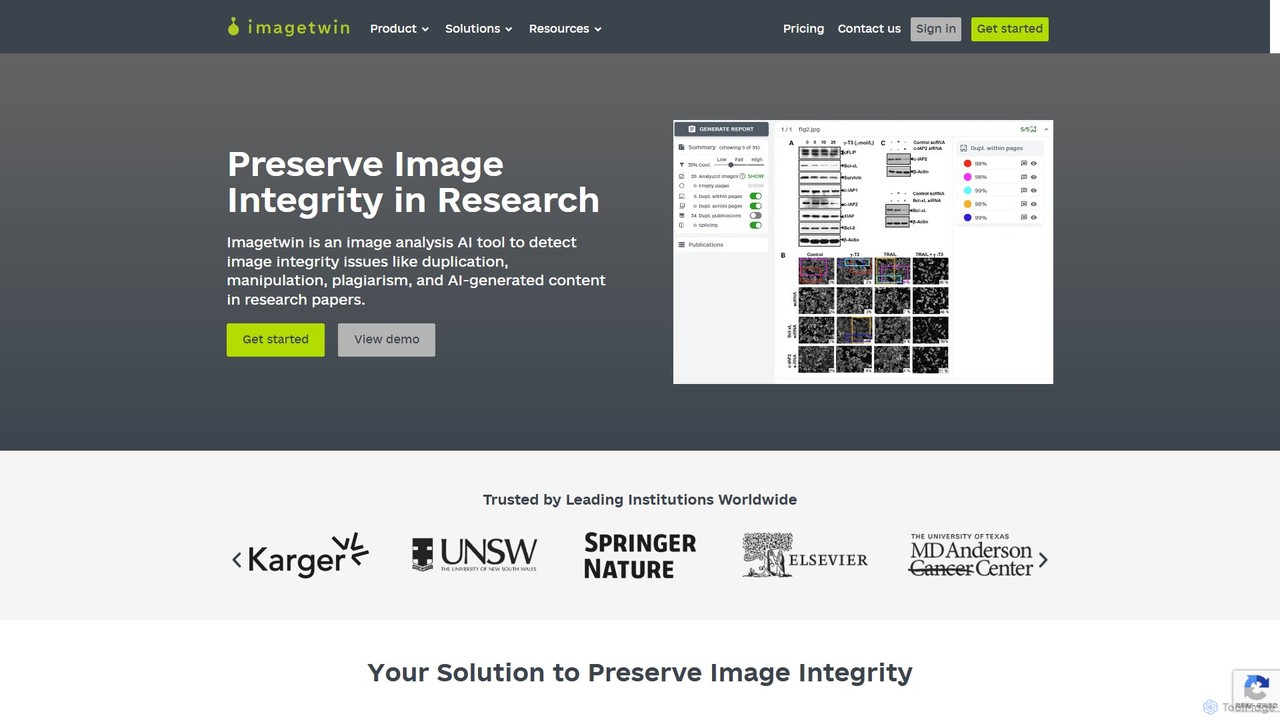
Imagetwin is an AI-powered image analysis tool designed for researchers, publishers, and academic institutions. It detects image integrity …
Imagetwin is an AI-powered image analysis tool designed for researchers, publishers, and academic institutions. It detects image integrity issues such as duplication, manipulation, plagiarism, and AI-generated content in scientific papers, helping to preserve the credibility and trust in research.
aiimagedetector
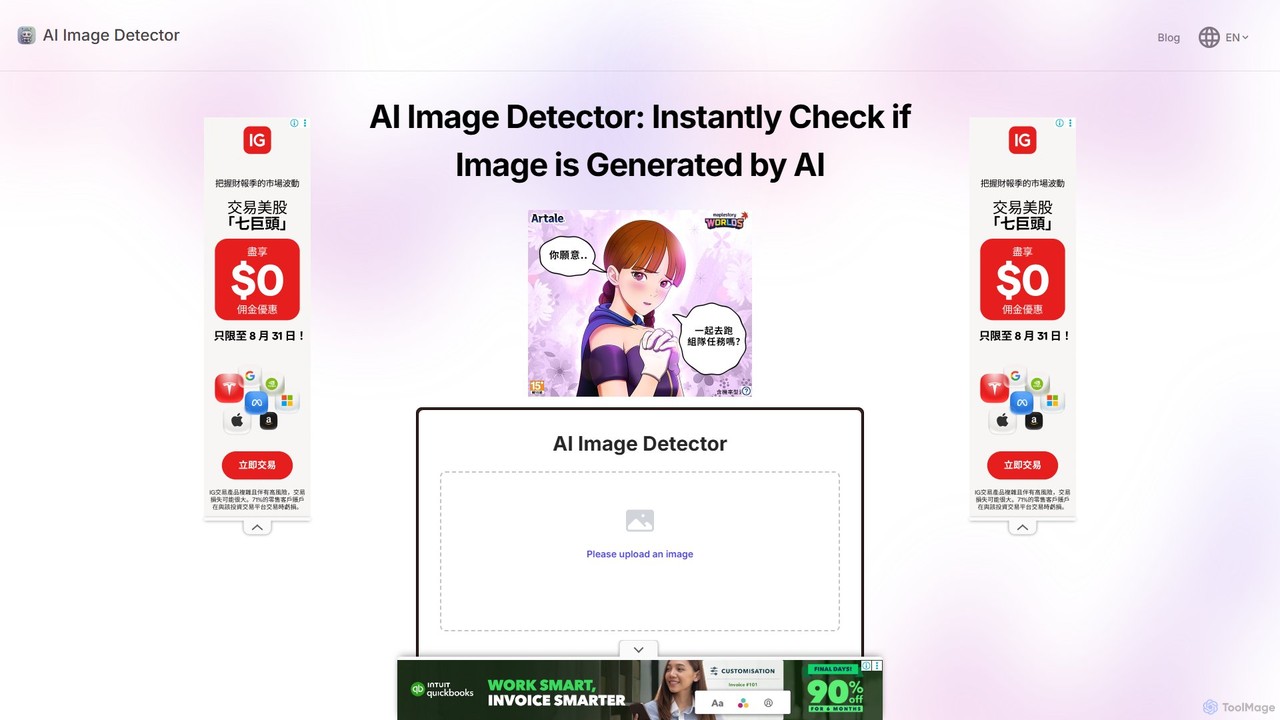
A free online tool that uses advanced AI to instantly analyze and determine if an image is human-made …
A free online tool that uses advanced AI to instantly analyze and determine if an image is human-made or AI-generated. It provides a detailed probability analysis, helping users verify image authenticity and combat misinformation in the digital age.
LiarLiar.ai
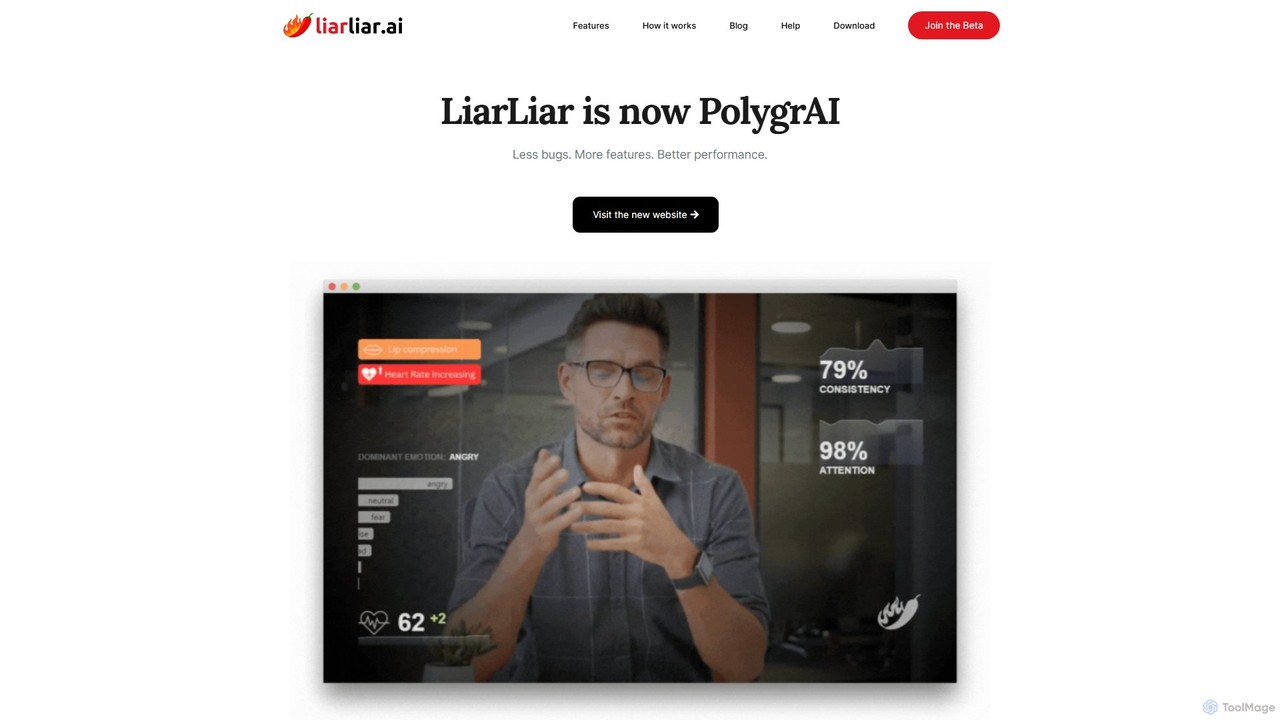
LiarLiar.ai is an AI-powered lie detector and heart rate monitor that analyzes video feeds in real-time. It uses …
LiarLiar.ai is an AI-powered lie detector and heart rate monitor that analyzes video feeds in real-time. It uses advanced technologies like Remote Photoplethysmography (rPPG), body language analysis, and emotion detection to assess truthfulness during video calls on platforms like Zoom, Google Meet, and Skype. It provides instant insights to foster transparency and trust in communication.
Copyseeker
Copyseeker is an advanced AI-powered reverse image search engine. It allows users to find the original source of …
Copyseeker is an advanced AI-powered reverse image search engine. It allows users to find the original source of an image, discover duplicates, and track where their photos are being used online. It's an essential tool for photographers, content creators, journalists, and marketers for copyright protection and content verification.
illuminarty
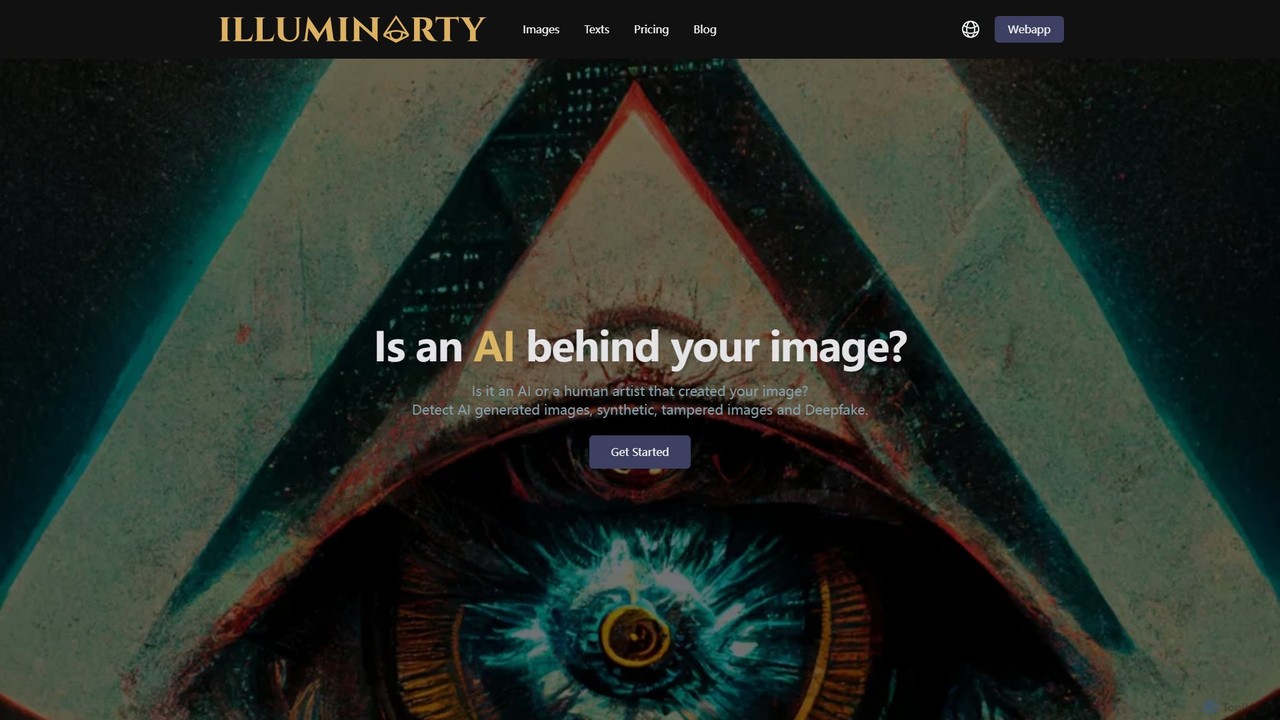
illuminarty is an advanced AI content detector that identifies AI-generated images, text, and deepfakes. It uses sophisticated computer …
illuminarty is an advanced AI content detector that identifies AI-generated images, text, and deepfakes. It uses sophisticated computer vision and NLP algorithms to determine the probability of AI generation, identify the source AI model, and pinpoint specific manipulated regions. It's designed for artists, writers, educators, and developers who need to verify content authenticity.
About Verification
AI Verification tools are a specialized class of security solutions designed to confirm the authenticity and integrity of digital identities, documents, and content. Leveraging advanced machine learning models, these tools analyze complex patterns to distinguish genuine items from sophisticated forgeries, such as deepfakes or altered documents. Their primary value lies in preventing fraud, securing digital transactions, and building trust in online interactions. This makes them critical for sectors like finance, e-commerce, and digital media.
Core Features
- Identity Verification: Confirms a user's identity using biometric data (face, voice) or official documents.
- Document Authentication: Analyzes digital documents like IDs or passports for signs of tampering or forgery.
- Deepfake & Synthetic Media Detection: Identifies AI-generated or manipulated images, videos, and audio to combat misinformation.
- Liveness Detection: Ensures a real person is present during verification, preventing spoofing with photos or videos.
- Data Integrity Checks: Verifies that data has not been altered or corrupted during transmission or storage.
Use Cases
These tools are widely used in financial services for Know Your Customer (KYC) compliance, in online marketplaces to verify sellers and buyers, and by social media platforms to combat misinformation by flagging manipulated content. They are also essential for remote proctoring in education and securing access to sensitive corporate data.
How to Choose
When selecting an AI Verification tool, consider the specific types of verification needed (e.g., identity vs. content). Evaluate its accuracy rates and ability to handle new fraud techniques. Assess its integration capabilities with your existing systems via API and ensure it complies with data privacy regulations like GDPR or CCPA.
VerificationUse Cases
Secure Customer Onboarding for FinTech
A compliance officer at a digital bank needs to onboard new customers remotely while adhering to strict Know Your Customer (KYC) and Anti-Money Laundering (AML) regulations. Instead of slow manual checks, they use an AI Verification tool. The customer uploads a photo of their government-issued ID and takes a selfie. The AI instantly verifies the document's authenticity, matches the face on the ID to the selfie, and performs a liveness check to ensure the person is real. This automates the entire process, reducing manual review time by over 90% and significantly lowering the risk of identity fraud.
Authenticate User-Generated Content on Social Media
A trust and safety team at a major social media platform is tasked with combating misinformation. A viral video emerges, claiming to show a public figure making a controversial statement. The team suspects it might be a deepfake. They process the video through an AI verification tool that analyzes pixel inconsistencies, unnatural facial movements, and audio artifacts. The tool flags the video as highly likely to be synthetic. This allows the platform to quickly label the content as manipulated or remove it, preventing the spread of harmful disinformation and protecting platform integrity.
Prevent Fraud in E-commerce Marketplaces
An e-commerce platform manager wants to reduce scams from fraudulent sellers creating fake accounts with stolen identities. To enhance security, they integrate an AI verification system into the seller registration process. New sellers must submit a business license and a personal ID. The AI tool scans these documents for any signs of digital alteration, verifies the information against official databases, and uses facial recognition to match the ID photo with a live selfie. This robust verification step makes it significantly harder for fraudsters to operate, leading to fewer chargebacks, increased buyer trust, and a safer marketplace.
Verify Academic Credentials for HR
An HR specialist at a large corporation is responsible for background checks on new hires. Manually verifying diplomas and certificates from various institutions is time-consuming and prone to error. The company adopts an AI verification tool for credential validation. Job applicants upload digital copies of their certificates. The AI analyzes the document's layout, fonts, and security features, comparing them against a database of known templates. It also checks for digital alterations, ensuring the document is authentic. This streamlines the hiring process, prevents hiring based on fraudulent qualifications, and upholds the integrity of the workforce.
Secure Remote Exam Proctoring
An online education institution needs to ensure academic integrity during final exams. To prevent cheating and impersonation, they use an AI-powered proctoring service. At the start of the exam, the system verifies the student's identity by matching their face against their student ID photo and performing a liveness check. During the exam, the AI continuously monitors the student's webcam feed to detect suspicious activities, such as another person entering the room or the student looking away from the screen frequently. This use of AI verification upholds the credibility of online degrees and certifications by creating a secure and fair testing environment.
Validate Insurance Claims with Image Analysis
An insurance claims adjuster receives photos for a car damage claim. To combat fraud, the company uses an AI verification tool to analyze the submitted images. The tool first checks the image metadata (EXIF data) to confirm the date, time, and location where the photo was taken, ensuring it aligns with the claim report. It then scans the image for signs of digital manipulation, such as cloning parts of the image to exaggerate damage or splicing elements from different photos. This process helps the adjuster quickly identify potentially fraudulent claims, speeding up the validation of legitimate ones and reducing financial losses from scams.