Security Best in category 1 results Website Security AI Tool

Popular AI tools in the Website Security field of Security include WebTotem, etc., helping you quickly improve efficiency.

WebTotem

WebTotem

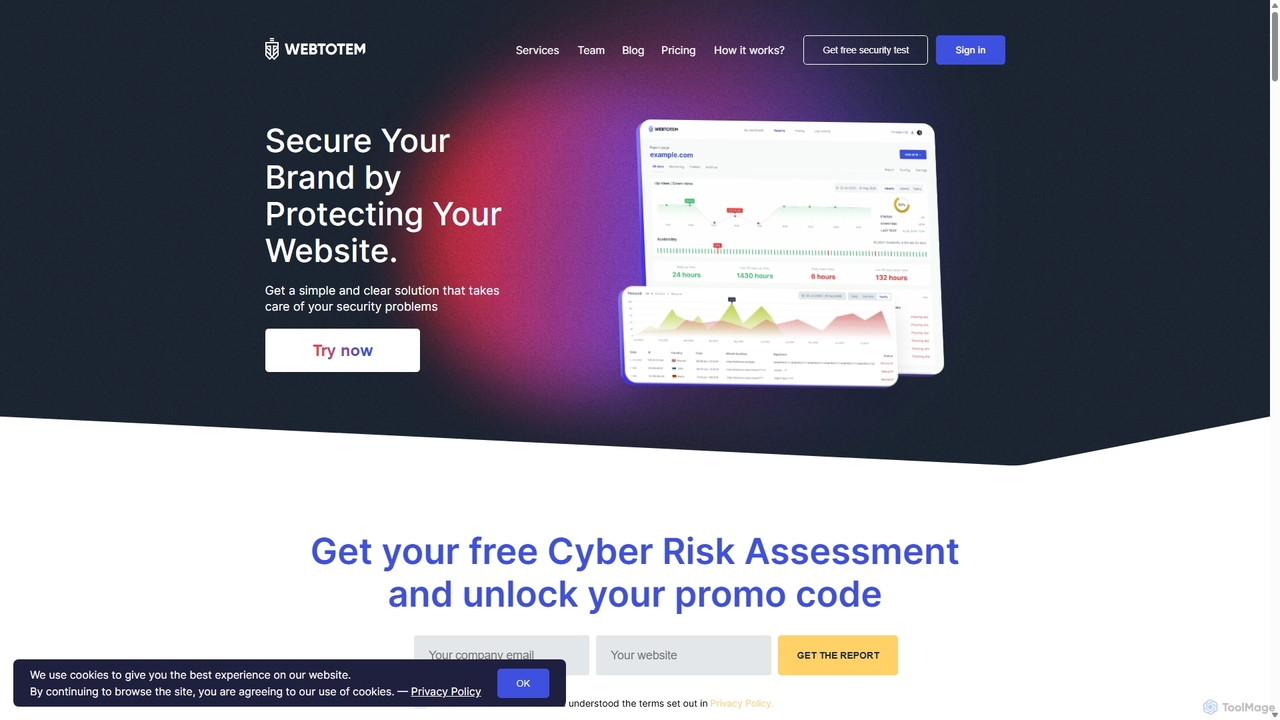
WebTotem is an AI-powered, all-in-one website security platform for individuals, SMBs, and agencies. It offers comprehensive protection with …

2.7K

About Website Security

Website Security tools are AI-powered solutions designed to protect websites and web applications from a wide array of cyber threats. Leveraging advanced machine learning and behavioral analytics, these tools proactively detect, prevent, and respond to vulnerabilities, malware, DDoS attacks, and unauthorized access attempts. They ensure the integrity, availability, and confidentiality of online assets, safeguarding user data and maintaining business continuity.

Core Features

  • Vulnerability Scanning: Automatically identifies security weaknesses and misconfigurations in web applications and infrastructure.
  • DDoS Protection: Mitigates distributed denial-of-service attacks by filtering malicious traffic and ensuring website availability.
  • Web Application Firewall (WAF): Protects web applications from common attacks like SQL injection and cross-site scripting (XSS) using AI-driven rule sets.
  • Malware Detection & Removal: Scans for and eliminates malicious code, ensuring a clean and safe browsing environment.
  • Bot Management: Differentiates legitimate user traffic from malicious bots, preventing scraping, credential stuffing, and other automated attacks.

Applicable Scenarios

E-commerce platforms rely on these tools to protect customer payment information and prevent fraud. Corporate websites use them to secure sensitive internal data and maintain brand reputation. Online service providers deploy AI-driven security to ensure uninterrupted service delivery and protect against sophisticated cyber espionage.

How to Choose

When selecting a Website Security solution, consider its scope of protection (e.g., WAF, DDoS, bot management), integration capabilities with existing infrastructure, scalability to handle traffic spikes, and the comprehensiveness of its reporting and alert systems. Evaluate its ability to detect zero-day threats and its compliance certifications for industry standards.

Website SecurityUse Cases

1

Automated Vulnerability Scanning for E-commerce Sites

An e-commerce manager needs to ensure their online store is free from security flaws that could expose customer data or disrupt sales. AI-powered website security tools automatically scan the platform for known vulnerabilities, misconfigurations, and outdated components, providing detailed reports and remediation suggestions. This proactive approach helps prevent data breaches and maintains customer trust, significantly reducing the risk of financial losses and reputational damage.

2

Real-time DDoS Attack Mitigation for Online Services

A SaaS provider experiences frequent DDoS attacks aimed at disrupting their service availability. AI-driven security solutions continuously monitor incoming traffic, identifying and filtering out malicious requests in real-time before they can overwhelm the servers. This ensures that legitimate users can always access the service, preventing costly downtime and maintaining service level agreements (SLAs) even under heavy attack.

3

Proactive Malware Detection and Removal for Content Websites

A popular news portal is concerned about malware infections that could compromise visitor devices or lead to blacklisting by search engines. AI website security tools continuously scan the website's files and databases for malicious code, suspicious scripts, and hidden backdoors. Upon detection, they can automatically quarantine or remove the threats, ensuring a clean browsing experience for readers and protecting the site's SEO ranking.

4

Securing Web Applications with AI-driven WAF

A financial institution operates a complex web application for online banking, which is a prime target for sophisticated attacks like SQL injection and cross-site scripting. An AI-powered Web Application Firewall (WAF) analyzes application traffic for anomalous patterns and known attack signatures, blocking malicious requests before they reach the application. This provides a crucial layer of defense, protecting sensitive customer data and ensuring regulatory compliance.

5

Intelligent Bot Management for Ticketing Platforms

An event ticketing platform faces issues with automated bots scalping tickets, leading to unfair pricing and frustrated customers. AI-driven bot management solutions differentiate between legitimate human users and malicious bots by analyzing behavioral patterns and IP reputation. They can block or challenge suspicious bot traffic, ensuring fair access to tickets for real fans and preventing revenue loss from fraudulent activities.

6

Compliance Monitoring and Reporting for Healthcare Portals

A healthcare provider manages an online patient portal containing highly sensitive personal health information (PHI), requiring strict adherence to regulations like HIPAA. AI website security tools continuously monitor the portal for compliance violations, unauthorized access attempts, and data leakage risks. They generate detailed audit logs and reports, simplifying the compliance process and demonstrating due diligence to regulatory bodies.

Website SecurityFrequently Asked Questions