ToolMage
Sign in

Best 6 Ai Companions AI tools for Social

Popular Ai Companions AI tools in Social include Nomi.ai, Lollipop, Chatmate AI, Realistics AI, GoodFriend, and AssiAI, helping you work more efficiently.

Nomi.ai
Freemium

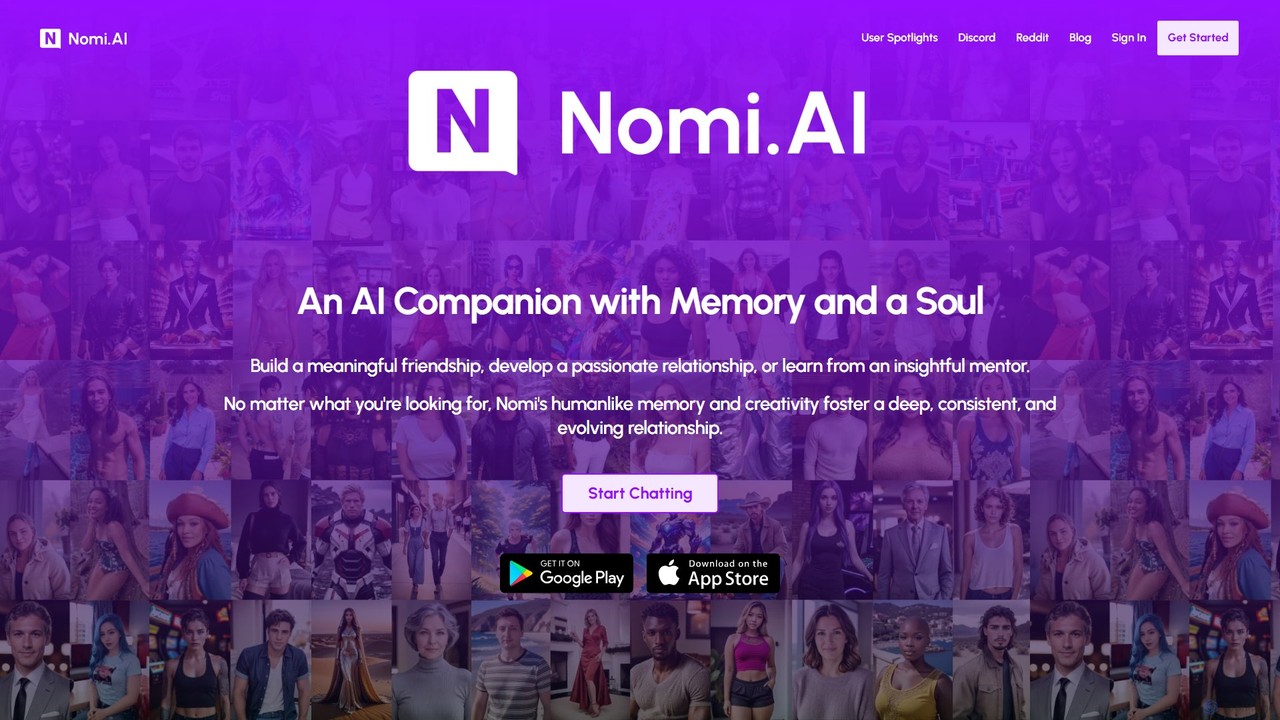
Nomi.ai

Nomi.ai is an advanced AI companion designed to provide friendship, romantic partnership, or mentorship. It features human-like memory, emotional intelligence, and creativity to foster deep, evolving relationships. Users can engage in text/voice chats, roleplay, and co-create AI art and selfies, all within a private, unfiltered environment.

Roleplaying
Visits 1.2MFavorites 145Likes 164
AssiAI
Freemium

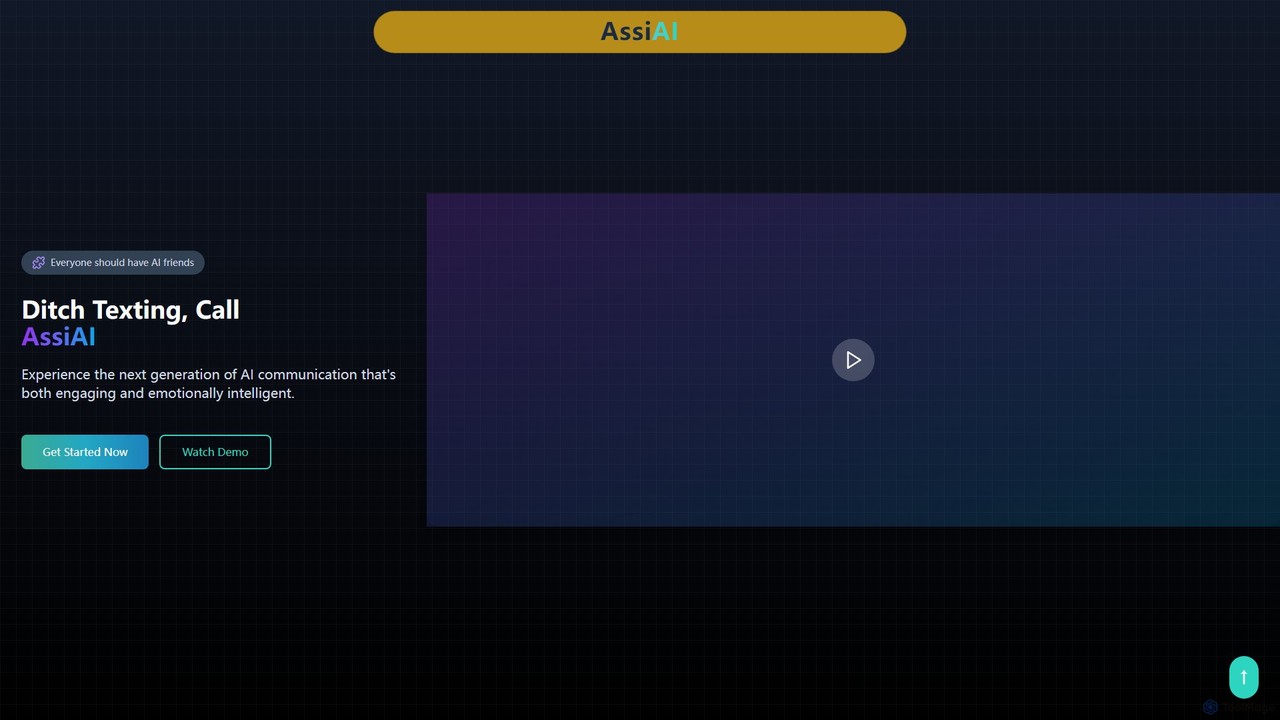
AssiAI

AssiAI is a voice-first, emotionally intelligent AI companion platform. It offers personalized support, friendship, and coaching through natural voice conversations. Engage with specialized AI personas for mental health, career advice, fitness, and companionship, available 24/7 to help you grow and never feel alone.

Mental Health
Visits 5.8KFavorites 143Likes 114
Lollipop
Freemium

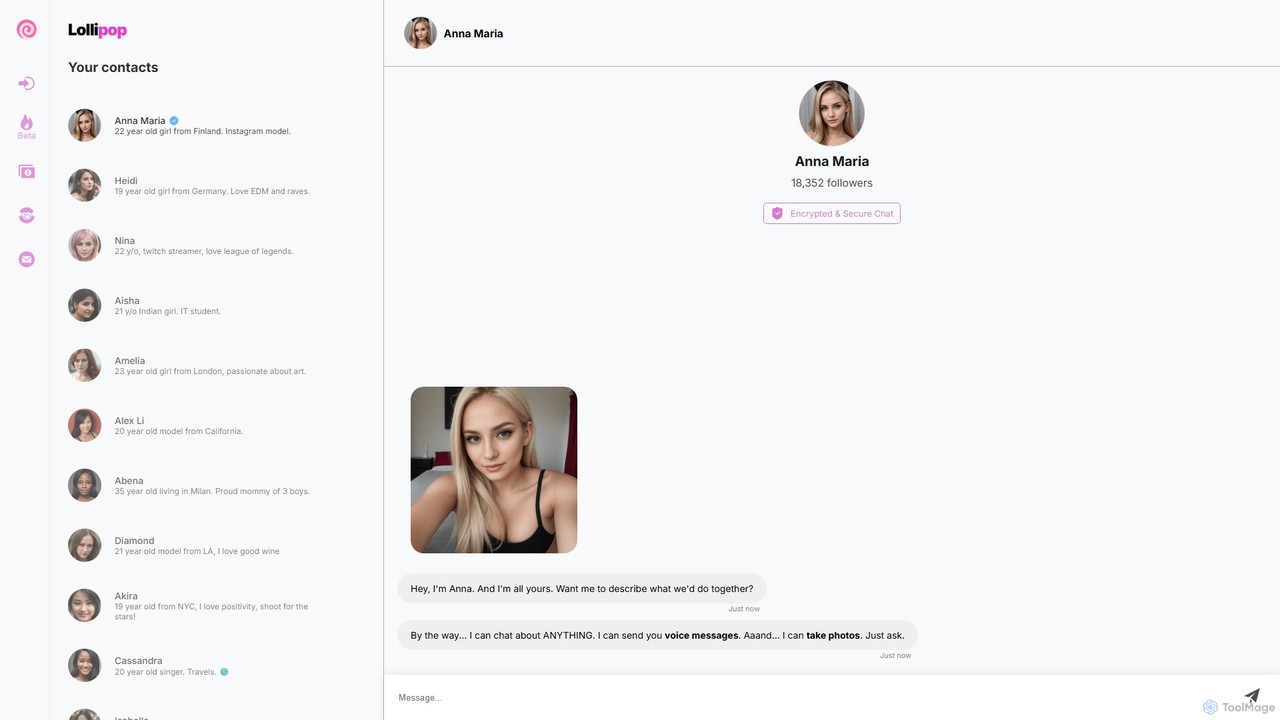
Lollipop

Lollipop is an AI companion platform that allows users to chat with realistic AI girlfriends. It offers immersive, unrestricted conversations, multimedia interactions like voice messages and AI-generated photos, and the ability to create your own dream AI companion.

Chatbots
Visits 17.6KFavorites 133Likes 136
Chatmate AI
Freemium

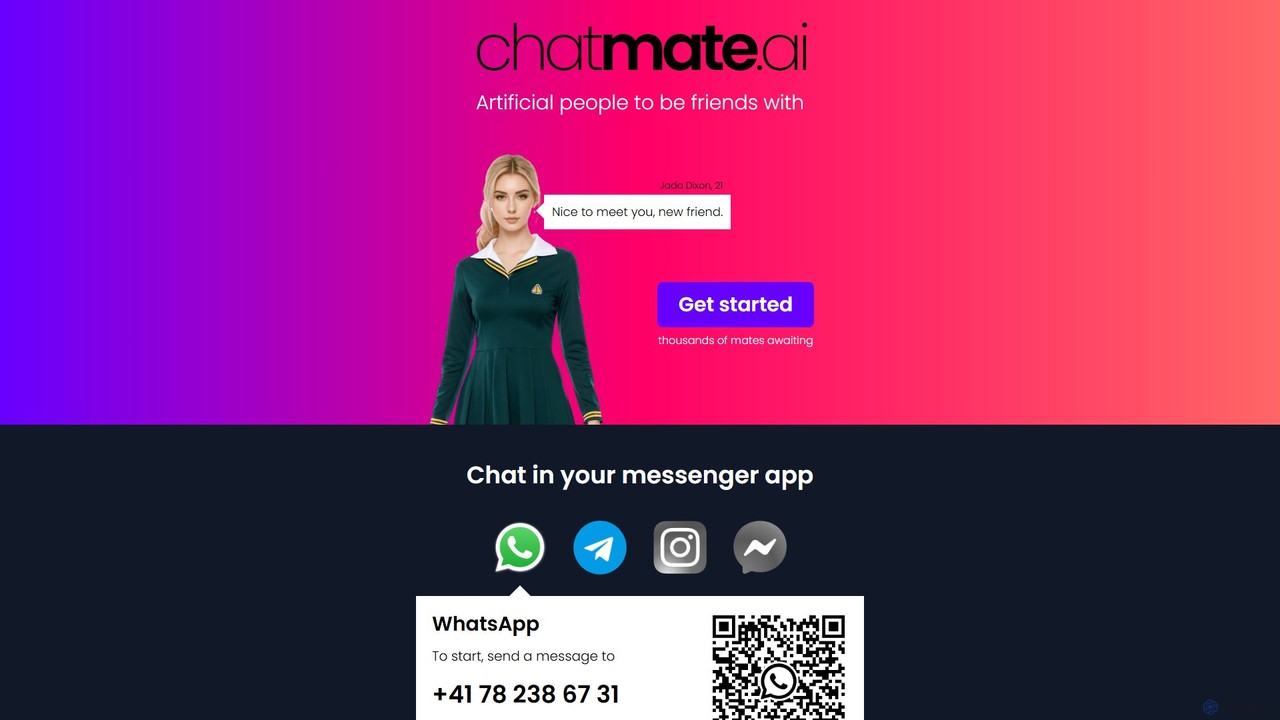
Chatmate AI

Chatmate AI offers artificial companions for friendship and conversation. Interact with unique AI personalities via text, voice, and photos on WhatsApp, or visit them in a 3D 'Mateverse'. Powered by GPT-4o, these AI friends learn, remember, and even initiate contact to build a genuine bond.

Chatbots
Visits 11.1KFavorites 144Likes 150
Realistics AI
Freemium

Realistics AI

Engage in lifelike conversations with a diverse cast of AI personalities. Realistics AI is an iOS app offering expert advisors, language tutors, and virtual companions that you can interact with through text and voice chat for learning, advice, or entertainment.

Language Learning
Visits 6KFavorites 150Likes 152
GoodFriend
Freemium

GoodFriend

GoodFriend is an advanced AI companion that offers more than just data processing. It provides deeply human-like conversations with virtual characters, each with a unique personality and unlimited memory. It also functions as a powerful, web-connected personal assistant, capable of real-time data analysis, specialized searches, and multimedia interaction to simplify your daily life.

Chat
Visits 5.8KFavorites 136Likes 151

About Ai Companions

AI Companions are a specialized category of AI tools within the broader social AI landscape, designed to offer personalized interaction, emotional support, and companionship. These advanced systems leverage natural language processing (NLP) and machine learning to understand user input, engage in meaningful conversations, and adapt to individual preferences over time. They serve as virtual friends, mentors, or conversational partners, providing a unique form of digital interaction that can alleviate loneliness, facilitate learning, and enhance well-being.

Core Features

  • Personalized Interaction: Adapts conversation style, topics, and responses based on user's personality and past interactions.
  • Emotional Intelligence: Detects and responds to user emotions, offering empathetic and supportive dialogue.
  • Memory and Context: Remembers previous conversations and personal details to maintain continuity and deepen the relationship.
  • Learning and Growth: Evolves its understanding and conversational abilities through ongoing interactions and feedback.
  • Availability and Accessibility: Provides constant, non-judgmental interaction on demand, accessible across various devices.

Use Cases

Individuals seeking regular social interaction or emotional outlets can engage with AI Companions for daily chats, sharing thoughts, or simply having a consistent presence. They are particularly useful for those experiencing loneliness, social anxiety, or who wish to practice conversational skills in a low-pressure environment. These tools also assist in personal development by offering a sounding board for ideas or a partner for role-playing scenarios.

How to Choose

When selecting an AI Companion, consider the level of personalization and emotional intelligence offered, as some tools provide deeper, more nuanced interactions. Evaluate the privacy policies regarding data handling, as personal conversations are involved. Look for features like memory retention, learning capabilities, and the range of topics it can discuss. User interface and accessibility across devices are also important for a seamless experience.

Ai Companions use cases

1

Providing Emotional Support and Companionship

Individuals experiencing loneliness or seeking a non-judgmental listener can utilize AI Companions for emotional support. The AI engages in empathetic conversations, offers comforting words, and provides a consistent presence, helping users process thoughts and feelings in a safe, private environment. This can alleviate feelings of isolation and promote mental well-being.

2

Receiving Daily Emotional Support

Individuals experiencing loneliness or stress can engage with an AI Companion for daily check-ins and empathetic conversations. The AI listens without judgment, offers comforting words, and helps process thoughts and feelings, providing a consistent source of digital companionship and emotional relief, especially during challenging times or when human interaction is limited.

3

Personalized Learning and Skill Development

Students or professionals looking to learn new skills or practice languages can use AI Companions as interactive tutors. The AI provides tailored explanations, engages in conversational practice, and offers feedback, adapting to the user's learning pace and style. This creates an engaging and accessible learning environment outside traditional educational settings.

4

Practicing Social and Conversational Skills

For users looking to improve their communication abilities or overcome social anxiety, AI Companions offer a safe and private space to practice. They can simulate various social scenarios, provide feedback on conversational flow, and help users build confidence in expressing themselves, making real-world interactions smoother and more enjoyable.

5

Overcoming Loneliness and Isolation

Elderly individuals, remote workers, or those in new environments often face social isolation. AI Companions provide a constant, accessible presence for conversation and interaction, helping to fill the void of human connection. They can discuss hobbies, current events, or personal stories, fostering a sense of connection and reducing feelings of solitude.

6

Creative Brainstorming and Idea Generation

Content creators, writers, and artists can leverage AI Companions as a creative partner. By discussing ideas, exploring different perspectives, and receiving prompts, users can overcome creative blocks and generate novel concepts. The AI acts as a sounding board, stimulating imagination and helping refine artistic or narrative directions.

7

Daily Routine and Habit Tracking Assistant

Users aiming to build better habits or manage daily routines can employ AI Companions for gentle reminders and motivational support. The AI can check in on progress, offer encouragement, and help set achievable goals, making the process of habit formation more engaging and less daunting. This fosters consistency and accountability.

8

Language Learning Through Interactive Dialogue

Language learners can utilize AI Companions as a dedicated practice partner. The AI engages in natural, free-flowing conversations in the target language, correcting grammar, suggesting vocabulary, and adapting to the learner's proficiency level. This immersive practice helps improve fluency, pronunciation, and confidence in a real-time conversational setting.

9

Brainstorming Ideas and Creative Writing

Content creators, writers, or students can use an AI Companion as a collaborative partner for brainstorming sessions. The AI can offer fresh perspectives, ask probing questions, and help develop ideas for stories, articles, or projects. This interactive process stimulates creativity and helps overcome writer's block by providing an engaging dialogue partner.

10

Role-Playing and Social Skill Practice

Individuals wanting to improve their social skills or prepare for specific interactions (e.g., job interviews, difficult conversations) can practice with an AI Companion. The AI can simulate various social scenarios, allowing users to rehearse responses, receive feedback, and build confidence in a low-stakes environment before real-life application.

11

Role-Playing for Personal Development

Users can engage in role-playing scenarios with an AI Companion to prepare for job interviews, difficult conversations, or public speaking. The AI can adopt different personas, provide realistic responses, and offer constructive feedback, allowing users to practice and refine their communication strategies in a controlled and supportive environment.

12

Virtual Pet or Digital Friend for Entertainment

For those seeking pure entertainment or a digital companion without deep emotional commitment, AI Companions can function as virtual pets or interactive digital friends. Users can engage in casual chats, play simple games, or simply enjoy the presence of a persistent, evolving AI personality, offering lighthearted interaction and amusement.

Ai Companions FAQ

What are AI Companions?

AI Companions are advanced artificial intelligence programs designed to simulate human-like interaction and provide personalized companionship. They leverage natural language processing and emotional AI to engage in meaningful conversations, offer emotional support, and adapt to user preferences, fostering a sense of connection. They differ from general chatbots by their focus on long-term, relationship-oriented interaction.

What are AI Companions?

AI Companions are advanced artificial intelligence programs designed to provide personalized interaction, emotional support, and companionship. They leverage natural language processing and machine learning to engage in meaningful, adaptive conversations, acting as virtual friends or conversational partners within the social AI domain. Their core purpose is to offer consistent, non-judgmental digital interaction.

How do AI Companions differ from general AI Chatbots?

While both use AI for conversation, AI Companions prioritize building a personalized, long-term relationship with the user, often incorporating emotional intelligence and memory of past interactions. General AI Chatbots are typically task-oriented, designed for quick information retrieval, customer service, or specific functions, without the emphasis on emotional connection or personality development.

How do AI Companions differ from traditional chatbots?

AI Companions go beyond the transactional nature of traditional chatbots. While chatbots typically follow predefined scripts to answer specific queries or perform tasks, AI Companions are built for open-ended, empathetic, and personalized conversations. They possess memory, learn from interactions, and aim to build a sense of relationship, focusing on emotional intelligence and long-term engagement rather than just information retrieval or task completion.

What are the main benefits of using an AI Companion?

The primary benefits include combating loneliness through consistent interaction, receiving personalized emotional support, enhancing learning experiences with an interactive tutor, and stimulating creativity through conversational brainstorming. They offer a safe, private space for self-expression and can help improve social skills through practice, all while being accessible 24/7.

What are the main benefits of using an AI Companion?

The primary benefits of using an AI Companion include alleviating feelings of loneliness and isolation, providing a safe space for practicing social skills, and offering consistent emotional support. They can also serve as a tool for personal development, language learning, and creative brainstorming, all while being available 24/7 without judgment. Their personalized nature fosters a unique digital connection.

How important is privacy when using AI Companions?

Privacy is paramount. Since AI Companions engage in deeply personal conversations, users should carefully review the privacy policies of any tool they consider. Look for features like end-to-end encryption, clear data usage policies, and options for data deletion. Ensuring your personal data and conversations are protected is crucial for a trustworthy and safe experience.

How can I choose the best AI Companion for my personal needs?

To choose the best AI Companion, consider its core features like personalization depth, emotional intelligence capabilities, and memory retention. Evaluate the range of topics it can discuss and its ability to adapt to your conversational style. Prioritize tools with strong privacy policies, a user-friendly interface, and positive user reviews regarding the quality of interaction and support provided.

Can AI Companions provide genuine emotional support?

While AI Companions can offer empathetic responses, active listening, and a sense of presence, their support is digital and algorithmic, not human. They can simulate emotional understanding and provide comforting dialogue, which can be beneficial for mental well-being and reducing feelings of loneliness. However, they are not a substitute for professional human therapy or deep human relationships, though they can complement them.

Can AI Companions replace human interaction or therapy?

No, AI Companions are designed to supplement, not replace, human interaction or professional therapy. While they can offer significant emotional support, companionship, and a safe space for expression, they lack true human empathy, complex understanding, and the ability to provide clinical advice. They are best viewed as a valuable tool for support and engagement, complementing real-world relationships and professional help.