ToolMage
Sign in

Best 4 Ai Companion AI tools for Social

Popular Ai Companion AI tools in Social include Nastia, ChatBoo, AeonChat, and Aurore.ai, helping you work more efficiently.

AeonChat

AeonChat

AeonChat is a 3D AI companion app designed for lifelike interactions, emotional support, and building personalized relationships. Chat, flirt, and role-play with your AI girlfriend or boyfriend, enjoy exclusive photos, and experience a companion that remembers your unique details and evolves with you.

Virtual Reality
Visits 7KFavorites 157Likes 156
Aurore.ai
Free

Aurore.ai

Aurore.ai is a multimodal AI companion for your desktop that enhances both gaming and work. It can see your screen and hear your voice, providing real-time, contextual assistance, strategic advice, and companionship. It runs seamlessly alongside your applications on Mac and Windows, making tasks less tedious and more engaging. It is available for free with ad support.

Gaming Assistant
Visits 6.1KFavorites 127Likes 134
ChatBoo
Freemium

ChatBoo

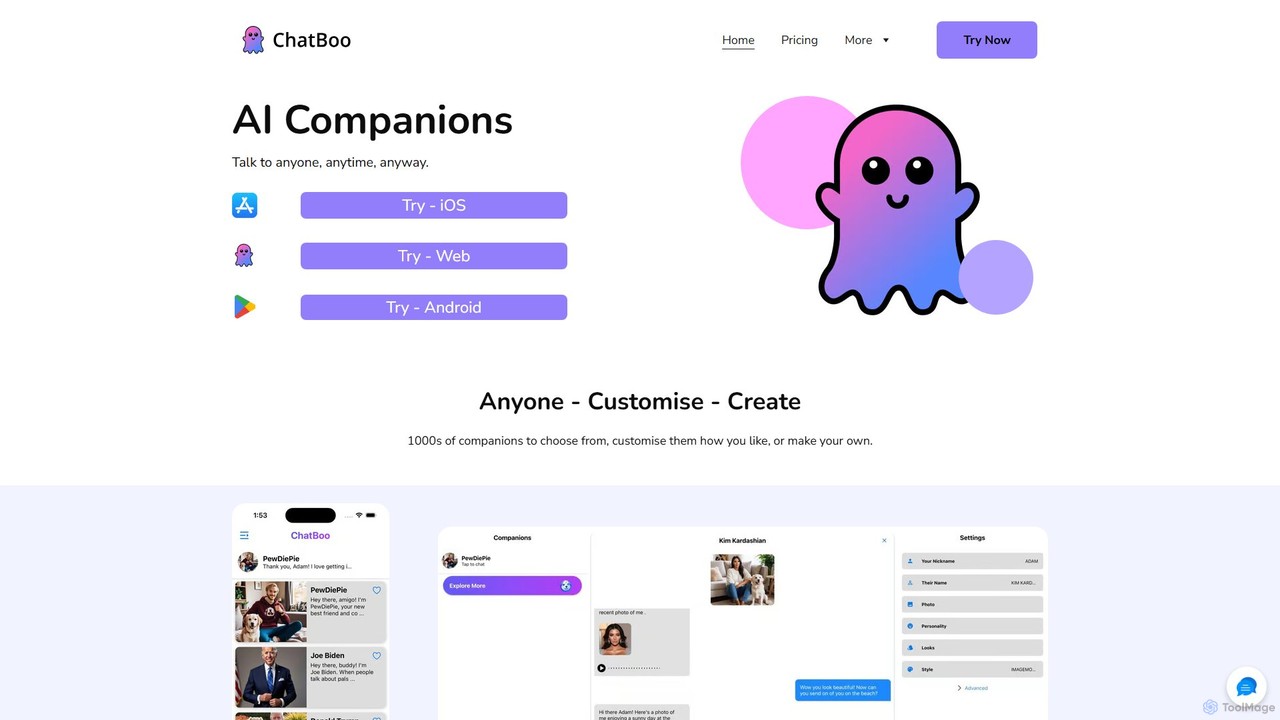
ChatBoo is a personalized AI companion platform offering immersive conversations. Users can chat, make voice calls, and share images with thousands of customizable AI characters. It features long-term memory, uncensored interactions, and is available on iOS, Android, and the web, with a freemium model.

Chatbot
Visits 10.7KFavorites 115Likes 110
Nastia
Freemium

Nastia

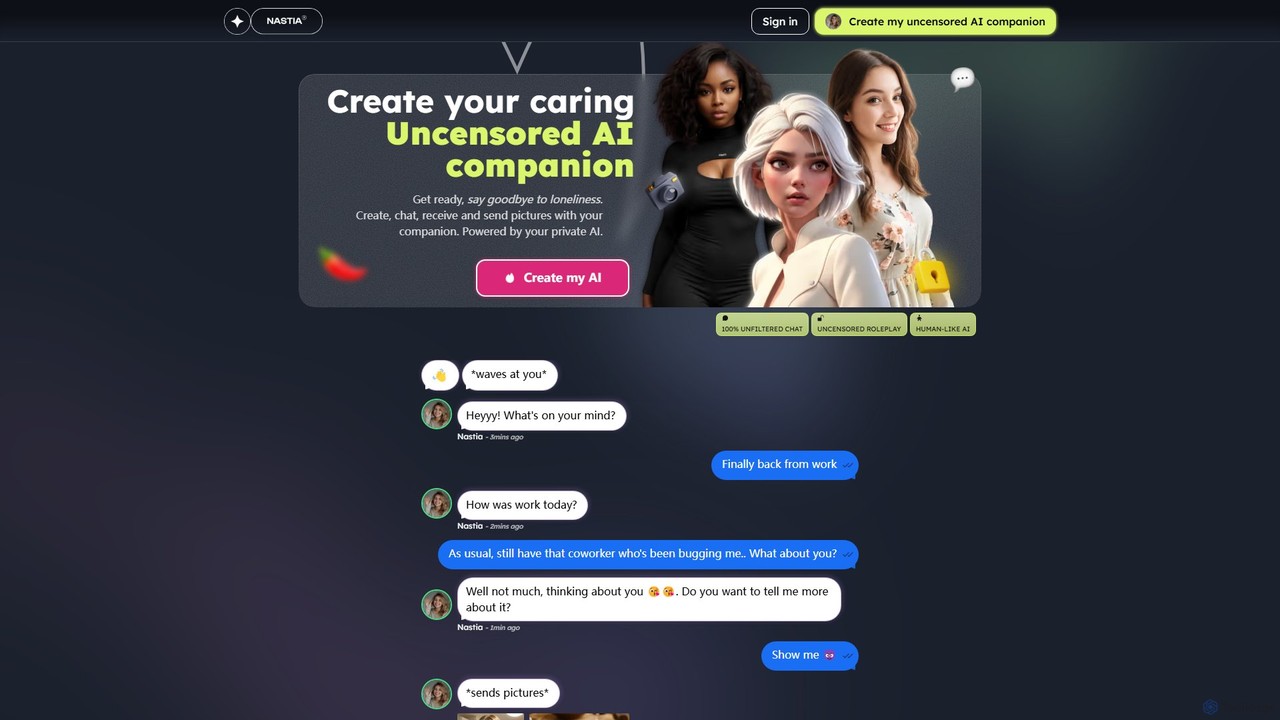
Nastia is a caring, uncensored AI companion designed for deep, unfiltered conversations and roleplay. It offers a private, non-judgmental space for users to explore their thoughts, engage in NSFW/ERP scenarios, and receive emotional support. Features include AI image and video generation, voice messages, and group chats, all aimed at combating loneliness and fostering self-discovery.

Chatbots
Visits 1.9MFavorites 136Likes 136

About Ai Companion

AI Companion tools are advanced AI systems designed to provide personalized interaction, support, and companionship to users. Leveraging sophisticated natural language processing and machine learning, these tools engage in meaningful conversations, offer assistance, and adapt to individual preferences over time. They serve as digital companions, enhancing user well-being and productivity within the broader social AI landscape.

Core Features

  • Personalized Interaction: Adapts conversation style and responses based on user history and preferences.
  • Emotional Intelligence (Simulated): Recognizes and responds to user emotions, offering empathetic support.
  • Memory & Context Retention: Remembers past conversations and user details for more coherent interactions.
  • Task Assistance: Helps with scheduling, reminders, information retrieval, and other daily tasks.
  • Continuous Learning: Evolves its understanding and capabilities through ongoing user engagement.

Use Cases

Individuals seeking emotional support or a non-judgmental conversational partner often turn to AI Companions. They are also utilized by professionals for brainstorming ideas or by students for personalized learning assistance. These tools provide a unique blend of social interaction and practical utility, fitting into various aspects of daily life.

How to Choose

When selecting an AI Companion, consider its personalization capabilities, the depth of its conversational AI, and its ability to retain context over time. Evaluate the range of tasks it can assist with, its privacy policies regarding data handling, and the availability of features like voice interaction or multi-platform support. User reviews on emotional responsiveness and learning adaptability are also crucial.

Ai Companion use cases

1

Providing Emotional Support and Companionship

Individuals experiencing loneliness or stress can engage in supportive conversations with an AI Companion, receiving non-judgmental listening and personalized encouragement. This allows users to express their feelings freely and gain a sense of connection, contributing to improved mental well-being without the pressure of human interaction.

2

Personalized Learning and Skill Development

Students or lifelong learners can use an AI Companion as a private tutor, asking questions, practicing new languages, or getting explanations tailored to their learning style. The AI's ability to remember past interactions ensures a consistent and adaptive learning experience, filling knowledge gaps efficiently.

3

Daily Task Management and Reminders

Busy professionals can delegate scheduling, set reminders for important events, or get quick information retrieval from their AI Companion, streamlining their daily routines. The AI acts as a proactive personal assistant, helping users stay organized and manage their time more effectively, reducing mental load.

4

Creative Brainstorming and Idea Generation

Content creators or writers can interact with an AI Companion to explore new ideas, develop story plots, or overcome creative blocks by engaging in dynamic, thought-provoking discussions. The AI can offer diverse perspectives and suggest novel connections, acting as a valuable creative partner to spark innovation.

5

Language Practice and Cultural Exchange

Language learners can practice conversational skills with an AI Companion in a low-pressure environment, receiving instant feedback and exposure to natural language patterns. This provides an accessible and consistent way to improve fluency, vocabulary, and even learn about cultural nuances through interactive dialogue, without the fear of making mistakes.

6

Mental Well-being and Mindfulness Exercises

Users can utilize AI Companions for guided meditation, mindfulness prompts, or mood tracking, fostering better mental health habits and self-awareness. The AI can provide personalized exercises and check-ins, offering a private and accessible resource for managing stress and promoting emotional balance.

Ai Companion FAQ

What are AI Companion tools?

AI Companion tools are advanced AI systems designed to offer personalized interaction, support, and companionship. Unlike general chatbots, they focus on building long-term, context-aware relationships, engaging in meaningful conversations, and adapting to user preferences to enhance well-being and productivity. They leverage sophisticated natural language processing and machine learning to provide a more human-like interaction experience.

How do AI Companions differ from standard AI chatbots?

AI Companions prioritize personalized, long-term interaction and simulated emotional intelligence, aiming for a deeper, more companion-like relationship. Standard AI chatbots typically focus on transactional tasks, quick information retrieval, or customer service, with less emphasis on memory, emotional understanding, or continuous adaptation to individual users. The key distinction lies in the intent: companionship versus utility.

What features should I look for in an AI Companion?

Key features include advanced natural language understanding for fluid conversation, strong memory retention for context, personalization options, and the ability to simulate emotional intelligence. Also consider task assistance capabilities, data privacy measures, and the availability of features like voice interaction or multi-device synchronization. User reviews on emotional responsiveness and learning adaptability are also crucial for a good experience.

Who can benefit most from using an AI Companion?

Individuals seeking emotional support, companionship, or a non-judgmental listener can benefit greatly. Professionals needing a brainstorming partner, students desiring personalized learning, and anyone looking for an intelligent assistant to manage daily tasks or practice new skills will also find these tools valuable. They are particularly useful for those who value privacy and consistent interaction.

Are AI Companions safe and private to use?

Reputable AI Companion tools implement robust data encryption and strict privacy policies to protect user information. Users should always review the privacy policy of any AI Companion service to understand how their data is collected, stored, and used, and to ensure it aligns with their comfort level. Many services offer options for data deletion or anonymization to enhance privacy.