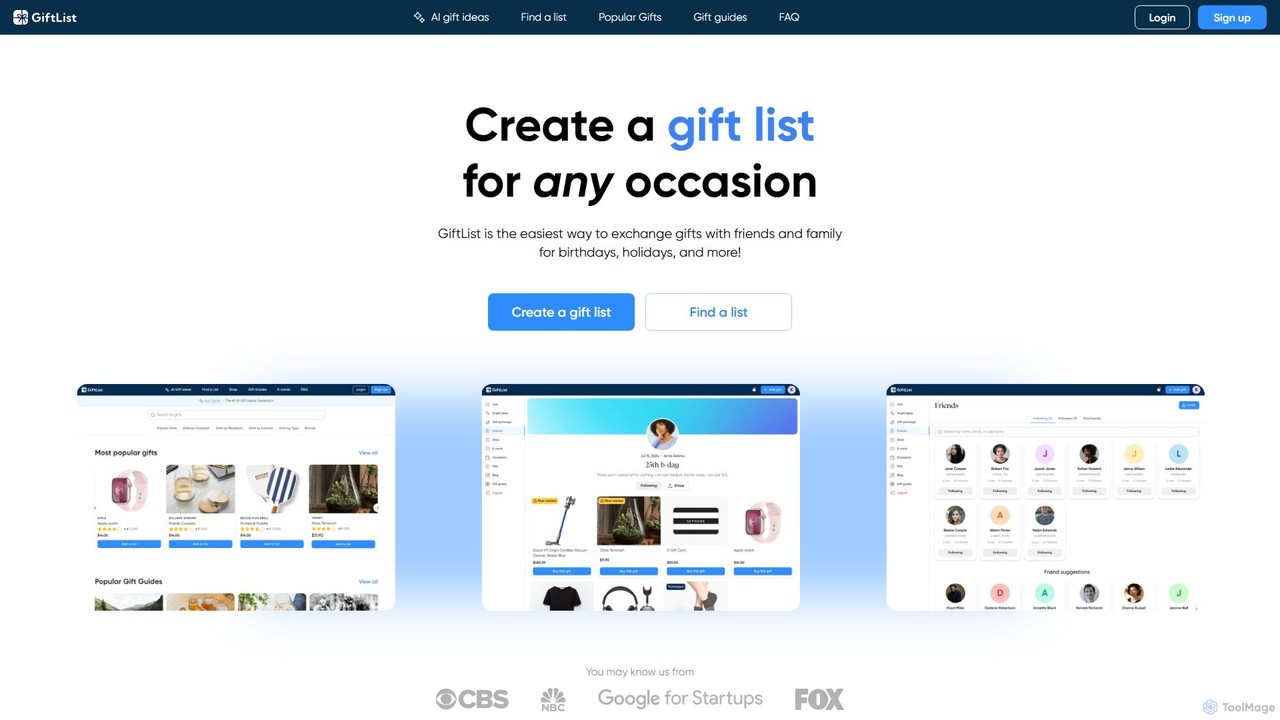
Event Management AI tools are a category of sophisticated platforms designed to streamline, automate, and enhance the entire lifecycle of events, from planning and execution to post-event analysis. Leveraging artificial intelligence, these tools go beyond traditional event software by offering intelligent automation, personalized experiences, and data-driven insights. They empower organizers to manage complex logistics, engage attendees more effectively, and optimize resource allocation, ultimately leading to more successful and impactful events within the broader Social & Communication domain.
Core Features
- Automated Registration & Ticketing: Simplifies attendee sign-ups, payment processing, and ticket distribution with intelligent form fields and secure transactions.
- Smart Agenda & Session Management: AI-driven scheduling, speaker coordination, and personalized session recommendations for attendees based on their interests.
- Personalized Communication & Engagement: Automates targeted email campaigns, push notifications, and in-app messaging to keep attendees informed and engaged before, during, and after the event.
- Real-time Analytics & Reporting: Provides live dashboards and comprehensive reports on attendance, engagement metrics, feedback, and ROI to inform decision-making.
- Logistics & Resource Optimization: Assists with venue selection, vendor coordination, and resource allocation through predictive analytics and intelligent recommendations.
Applicable Scenarios
These tools are invaluable for professional event planners, corporate marketing teams, HR departments, and educational institutions. They are used for organizing large-scale conferences, virtual summits, product launches, internal training workshops, and community gatherings. For instance, a marketing team might use an AI event management tool to plan a global virtual product launch, managing thousands of registrations and delivering personalized content tracks.
How to Choose
When selecting an AI event management tool, consider its core functionalities like registration, scheduling, and communication capabilities. Evaluate its integration potential with existing CRM, marketing automation, or analytics platforms. Assess the level of AI-driven features, such as personalization engines or predictive analytics, and ensure it aligns with your event complexity and attendee engagement goals. Finally, review pricing models, scalability, and the vendor's support and security protocols to ensure a robust and reliable solution.