ToolMage
Sign in

Best 5 Messaging AI tools for Social & Communication

Popular Messaging AI tools in Social & Communication include Telegram Messenger, heyy.ai, FireTexts, RideReply, and holabob, helping you work more efficiently.

RideReply
Free

RideReply

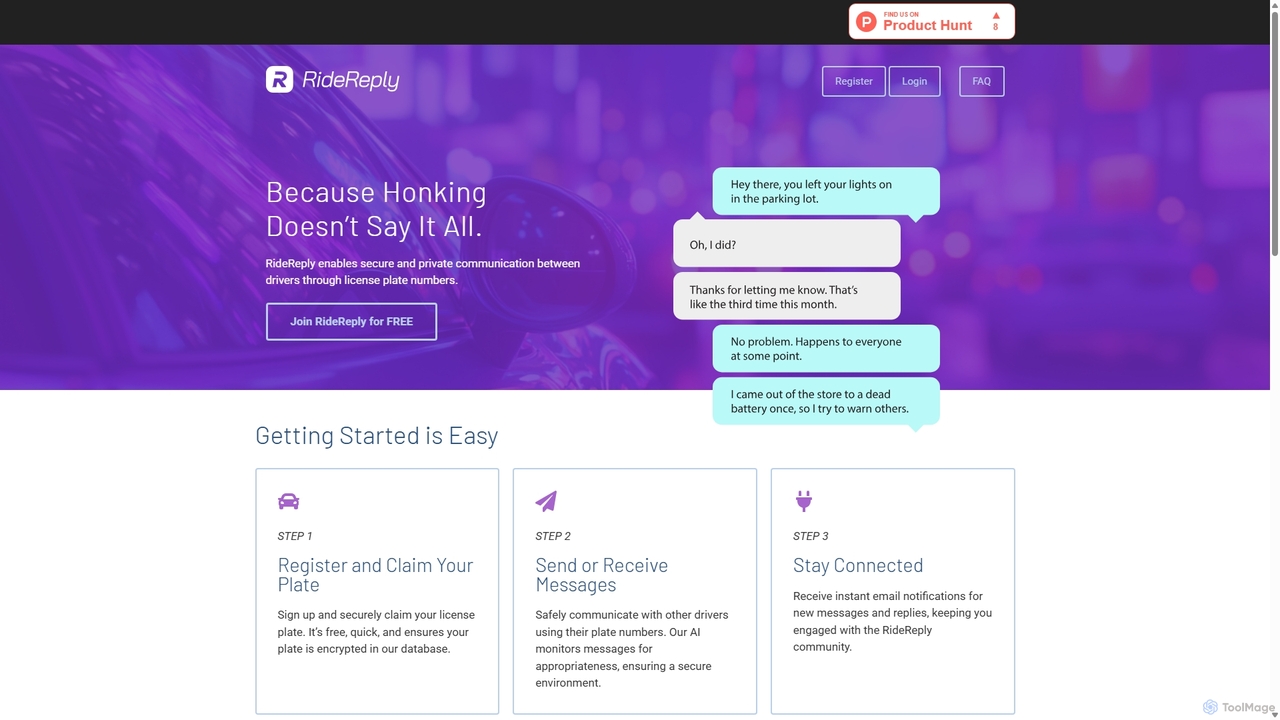
A secure communication platform enabling drivers to send and receive anonymous messages using only license plate numbers. Powered by AI for content moderation, it ensures safe, private, and appropriate interactions on the road for non-urgent notifications.

Automotive
Visits 5.5KFavorites 161Likes 159
FireTexts
Freemium

FireTexts

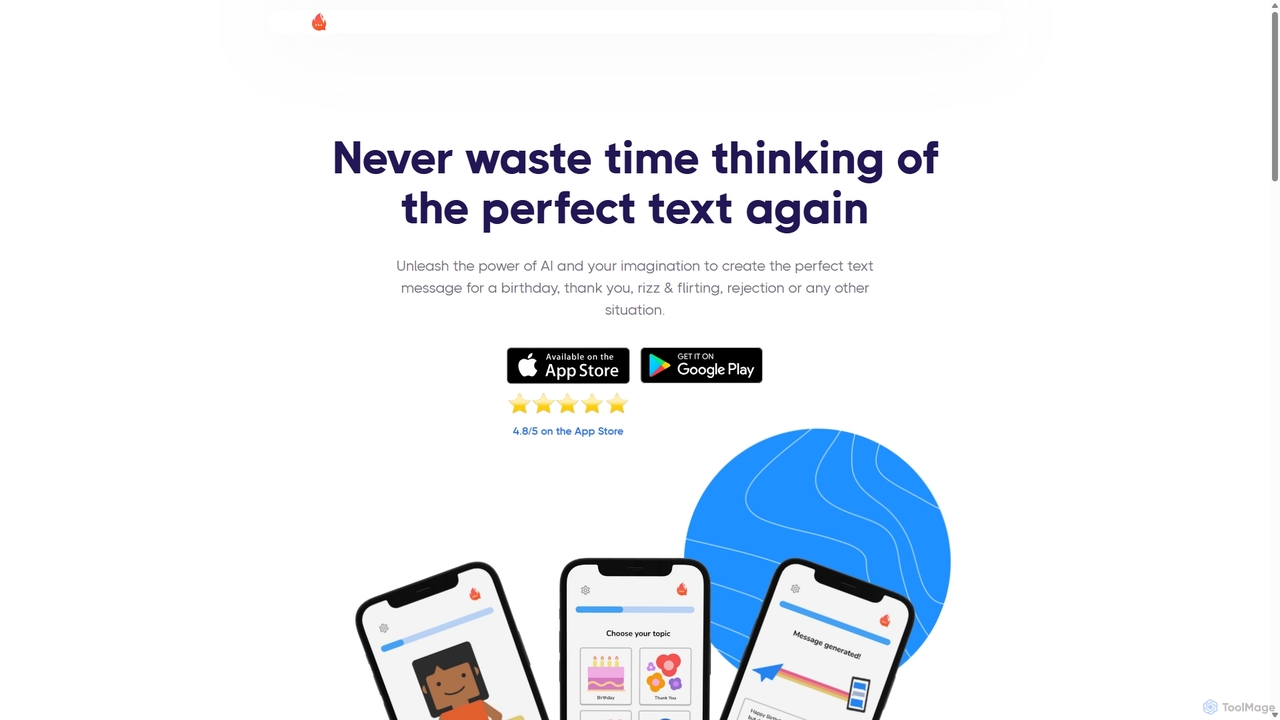
FireTexts is an AI-powered mobile app designed to help you craft the perfect text message for any situation. Leveraging GPT-4, it generates personalized and creative texts for birthdays, thank-yous, flirting (rizz), rejections, and more. It's a fast, lightweight, and intuitive tool for enhancing your daily communication.

Dating
Visits 6KFavorites 173Likes 146
holabob
Free

holabob

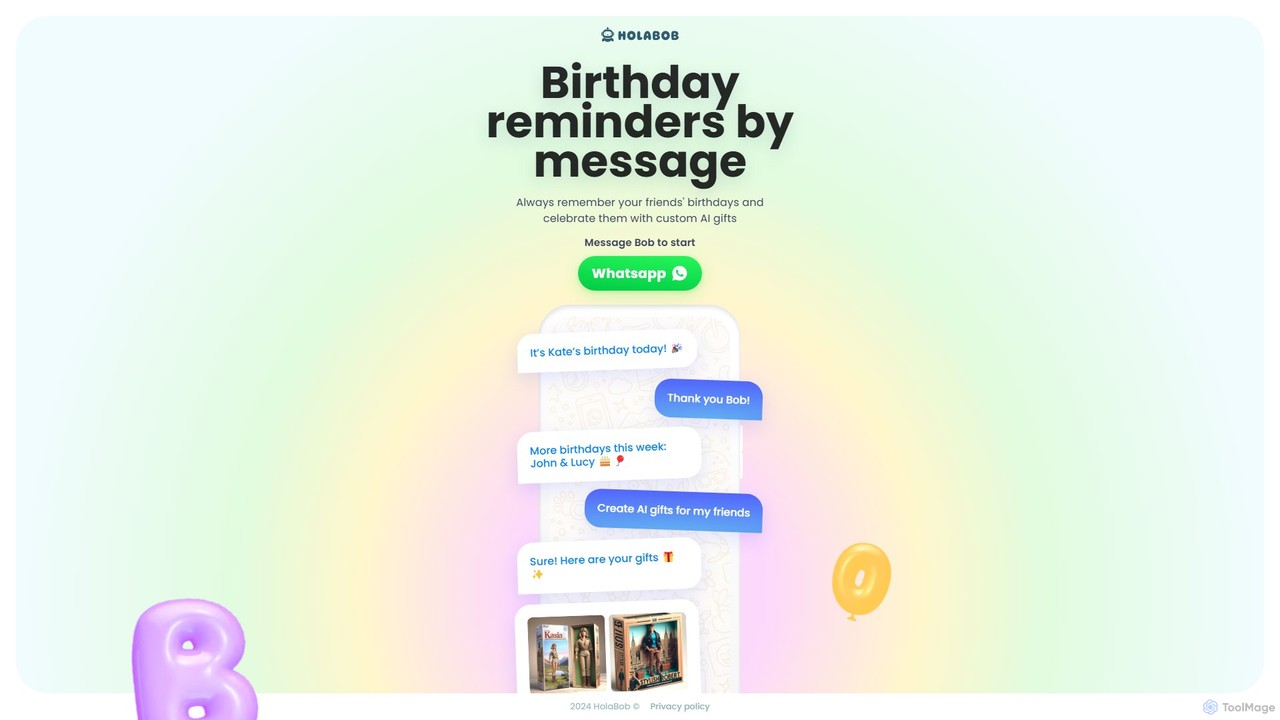
Holabob is an AI-powered WhatsApp assistant that sends you timely birthday reminders for your friends and family. Never miss an important date again and celebrate in style by creating unique, personalized digital gifts like custom images, poems, and messages, all through a simple chat interface.

Gifting
Visits 5.3KFavorites 167Likes 160
Telegram Messenger
Freemium

Telegram Messenger

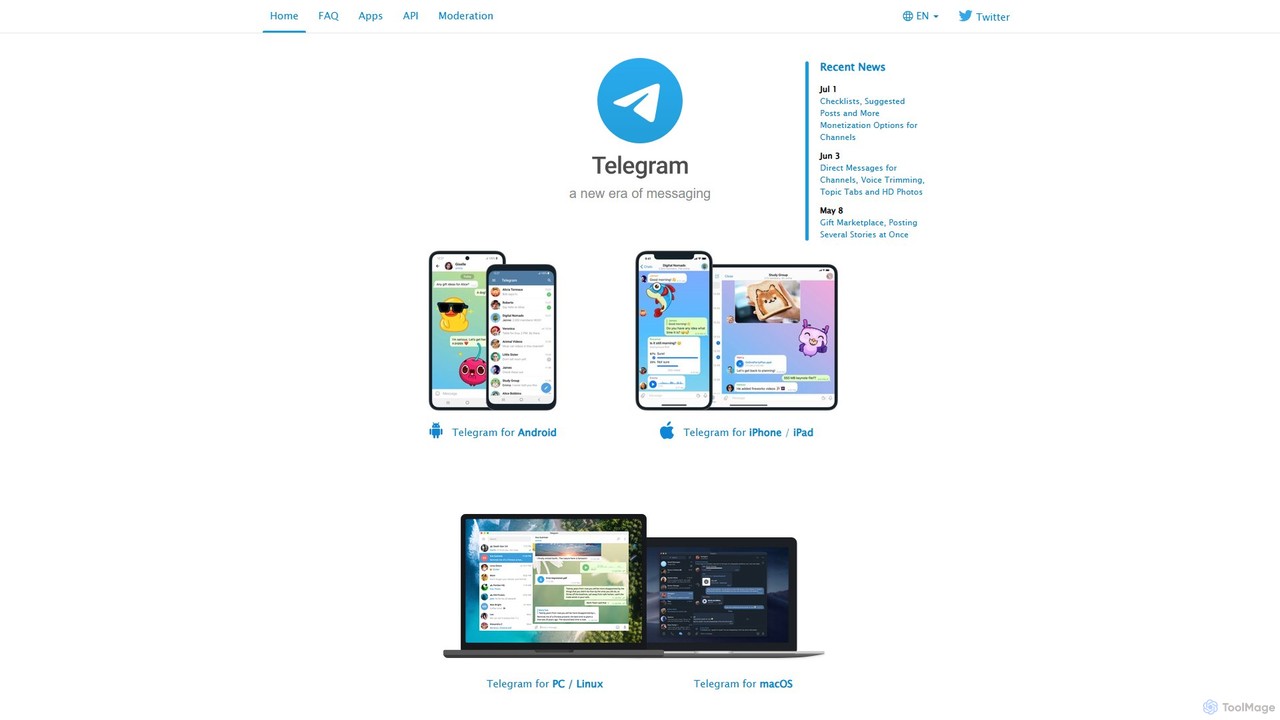
Telegram is a globally renowned secure messaging app focused on speed and privacy. It doubles as a powerful platform for a vast ecosystem of AI-powered bots, enabling automation, community management, content creation, and direct integration with various AI services within a seamless chat interface.

Community Management
Visits 374.6MFavorites 140Likes 128
heyy.ai
Freemium

heyy.ai

heyy.ai is an AI-powered communication assistant designed to help you craft the perfect message for any situation. From professional emails and networking outreach to social media DMs and dating app icebreakers, heyy.ai analyzes context and tone to generate effective, authentic, and engaging communication, helping you build better relationships and communicate with confidence.

Social Media
Visits 7.9KFavorites 145Likes 133

About Messaging

AI Messaging tools are intelligent platforms that leverage artificial intelligence to automate, personalize, and optimize communication across various channels. These tools utilize natural language processing (NLP) and machine learning to understand user intent, generate relevant responses, and manage conversations at scale. They enhance efficiency in customer service, marketing, and internal communications by providing instant, consistent, and data-driven interactions, making communication more effective and less resource-intensive.

Core Features

  • Automated Response Generation: Automatically crafts and sends replies based on predefined rules or AI-driven understanding of queries.
  • Sentiment Analysis: Analyzes the emotional tone of messages to prioritize urgent issues or tailor responses appropriately.
  • Personalized Outreach: Delivers highly customized messages to individuals or segments based on user data and behavior.
  • Multi-channel Integration: Connects and manages communications across various platforms like email, SMS, social media, and chat applications.
  • Conversation Summarization: Condenses long chat histories into concise summaries for quick review and handover.

Use Cases

AI Messaging tools are widely adopted in customer support centers for handling routine inquiries, in marketing departments for targeted campaign outreach, and by sales teams for initial lead qualification. They also serve internal communication needs by automating announcements or facilitating information retrieval, streamlining interactions across diverse business functions.

How to Choose

When selecting an AI Messaging tool, prioritize its natural language processing accuracy and ability to understand complex queries. Evaluate its integration capabilities with existing CRM, marketing, and communication platforms. Consider the level of customization offered for message templates and automation workflows, along with scalability to handle fluctuating message volumes and robust security features for data protection.

Messaging use cases

1

Automating Customer Support Inquiries

Customer service teams can deploy AI messaging tools to handle a high volume of routine customer questions 24/7. By integrating with knowledge bases, these tools provide instant answers to FAQs, guide users through troubleshooting steps, and escalate complex issues to human agents, significantly reducing response times and improving customer satisfaction without increasing staffing costs.

2

Personalizing Marketing Campaign Outreach

Marketing professionals utilize AI messaging to send highly personalized promotional messages or product recommendations to specific customer segments. Based on past purchase history, browsing behavior, or demographic data, the AI crafts tailored messages for email, SMS, or social media, increasing engagement rates and conversion probabilities compared to generic mass communications.

3

Streamlining Internal Team Communication

Organizations can use AI messaging to automate internal announcements, distribute policy updates, or facilitate quick information retrieval for employees. For instance, an AI chatbot can answer common HR questions or provide instant access to company documents, reducing email clutter and ensuring employees receive timely, accurate information without disrupting workflows.

4

Qualifying Sales Leads and Initial Engagement

Sales teams leverage AI messaging to engage with potential leads immediately after they express interest. The AI can conduct initial qualification by asking predefined questions, gathering essential contact information, and assessing lead readiness. This frees up sales representatives to focus on high-value prospects, accelerating the sales pipeline and improving conversion efficiency.

5

Managing Multi-Channel Communication Consistently

Businesses operating across multiple communication channels (website chat, WhatsApp, Facebook Messenger, email) can use AI messaging to centralize and standardize interactions. The AI ensures consistent brand voice and messaging across all touchpoints, providing a unified customer experience and simplifying the management of diverse communication streams for support and marketing teams.

6

Facilitating Event Registration and Reminders

Event organizers can deploy AI messaging tools to manage event registrations, send automated confirmations, and deliver timely reminders to attendees. From initial sign-up to post-event feedback collection, the AI handles all communication touchpoints, reducing manual administrative tasks and ensuring participants are well-informed, leading to higher attendance and engagement.

Messaging FAQ

What are AI Messaging tools?

AI Messaging tools are software applications that use artificial intelligence, primarily natural language processing (NLP) and machine learning, to automate and enhance digital communication. They are designed to understand, interpret, and generate human-like text responses, enabling intelligent interactions across various platforms like chatbots, email, and social media. These tools aim to streamline communication workflows, personalize user experiences, and improve operational efficiency.

How do AI Messaging tools differ from traditional messaging platforms?

AI Messaging tools differ from traditional platforms by offering intelligence beyond simple message transmission. Traditional platforms merely facilitate sending and receiving messages. In contrast, AI tools can understand context, analyze sentiment, automate responses, personalize content, and even learn from interactions to improve over time. They actively participate in and manage conversations, rather than just being a conduit for them, making them more dynamic and capable of handling complex communication tasks.

What are the key benefits of using AI Messaging tools?

The key benefits of using AI Messaging tools include significant improvements in efficiency and customer satisfaction. They provide 24/7 availability for support, reduce response times, and ensure consistent messaging. For marketing, they enable hyper-personalization, leading to higher engagement and conversion rates. Internally, they automate routine tasks, freeing up human resources for more complex work. Overall, they offer scalability, cost reduction, and data-driven insights into communication effectiveness.

Who can benefit most from using AI Messaging tools?

A wide range of users and organizations can benefit from AI Messaging tools. Businesses with high volumes of customer inquiries, such as e-commerce, banking, and telecommunications, can significantly enhance their customer service. Marketing and sales teams can leverage them for personalized outreach and lead qualification. HR departments can automate employee support. Essentially, any entity looking to scale, personalize, or automate their digital communication processes will find these tools highly beneficial.

What should I consider when choosing an AI Messaging tool?

When selecting an AI Messaging tool, consider its natural language understanding (NLU) capabilities and accuracy in interpreting user intent. Evaluate its integration ecosystem with your existing CRM, helpdesk, and marketing automation platforms. Look for robust customization options for workflows and message content, as well as scalability to grow with your needs. Data security, compliance, and the availability of analytics for performance tracking are also crucial factors to ensure a comprehensive and effective solution.