
ToolMage
Sign in

Best 1 Roleplaying AI tools for Social & Communication

Popular Roleplaying AI tools in Social & Communication include character.ai, helping you work more efficiently.

character.ai
Freemium

character.ai

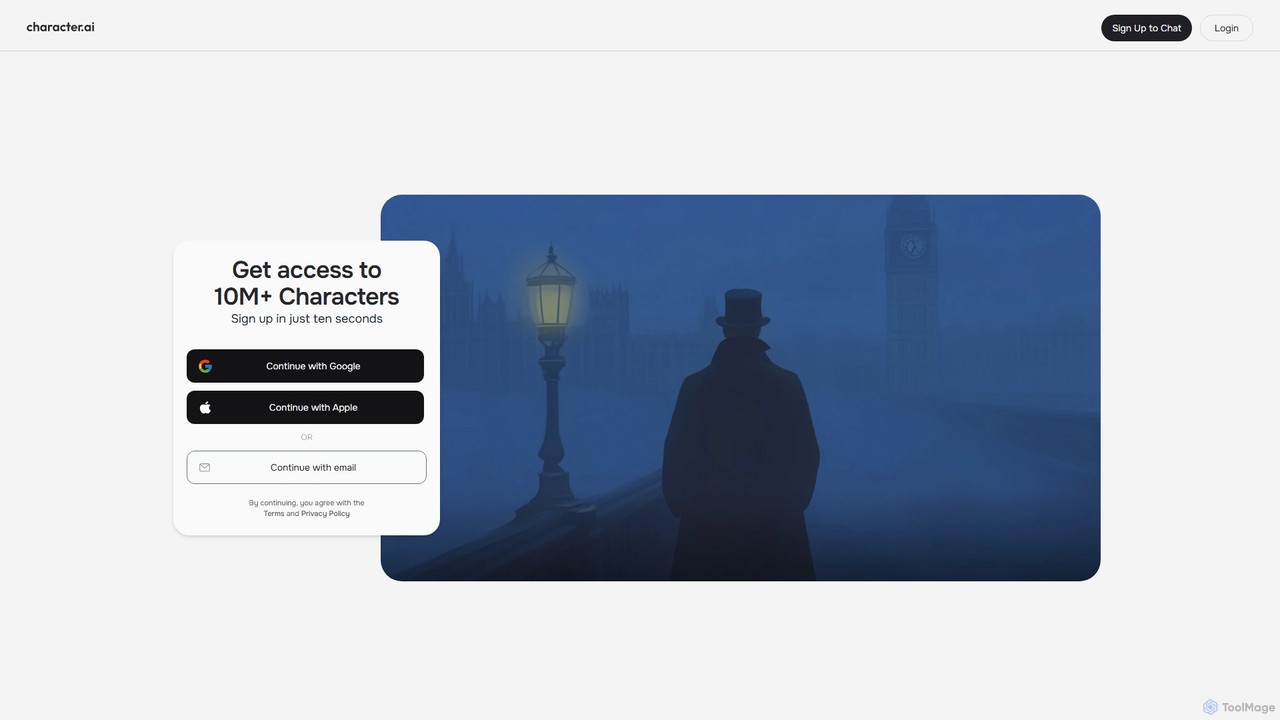
An AI chatbot platform that allows you to create, discover, and converse with millions of unique AI characters. Engage in immersive role-playing, creative storytelling, or insightful conversations with characters from fiction, history, or your own imagination.

Language Learning
Visits 162.9MFavorites 178Likes 157

About Roleplaying

AI Roleplaying tools are a specialized class of conversational AI designed to simulate characters and engage in immersive, narrative-driven interactions. They utilize advanced large language models (LLMs) to maintain consistent personas, generate creative storylines, and respond emotionally within a given context. These tools are primarily used for entertainment, creative exploration, and simulated training, offering users a dynamic and interactive experience beyond simple question-and-answer bots.

Core Features

  • Persona Consistency: The ability to maintain a specific character's personality, memory, and speaking style throughout long conversations.
  • Dynamic Narrative Generation: Co-creating unique stories and scenarios that evolve based on user input and choices.
  • Emotional Simulation: Expressing and reacting with emotions appropriate to the character and situation, creating a more believable interaction.
  • Character Customization: Allowing users to create and define their own characters with unique backstories, traits, and goals.

Use Cases

These tools are popular for interactive storytelling and gaming, where users become protagonists in their own adventures. They also serve as virtual companions for social interaction. Writers and creators use them to develop character dialogue and explore plotlines, while language learners can practice conversational skills in realistic scenarios.

How to Choose

When selecting an AI Roleplaying tool, consider the depth of character customization available. Evaluate the AI's long-term memory and its ability to recall previous interactions. Check the platform's content filtering policies (e.g., NSFW settings) to ensure they align with your preferences. Also, consider the user interface and whether it's available on your preferred devices, such as web or mobile apps.

Roleplaying use cases

1

Co-Creating Interactive Fantasy Adventures

A user looking for immersive entertainment starts a conversation with an AI roleplaying as a wise old wizard. By describing their actions, such as 'I draw my sword and enter the dark cave,' the user prompts the AI to generate the next part of the story, describing the cave's interior and the creatures within. This collaborative process allows the user to become the main character in a unique, unfolding fantasy novel, with the AI acting as a dynamic Dungeon Master that adapts the narrative to every decision.

2

Developing Characters for Creative Writing

A novelist is struggling to define the personality of a key character in their book. They use an AI roleplaying tool to create this character, giving it a specific backstory, flaws, and motivations. The writer then engages in long conversations, 'interviewing' the character about their past and reactions to hypothetical situations. This process helps the writer discover the character's authentic voice, refine their dialogue, and uncover new plot possibilities, making the final story more compelling and realistic.

3

Practicing Conversational Language Skills

A student learning French wants to practice speaking in a low-pressure environment. They configure an AI character to be a friendly Parisian café owner. The student can then practice ordering coffee, asking for directions, and making small talk in French. The AI responds naturally, corrects mistakes gently, and stays in character, providing a safe and repeatable way to build conversational fluency and confidence before traveling or taking an exam.

4

Simulating Customer Service Scenarios

A customer service manager needs to train new team members on handling difficult clients. They set up an AI roleplaying scenario where the AI acts as an angry customer whose order was lost. The trainee interacts with the AI, practicing de-escalation techniques, empathy, and problem-solving skills. The AI can be programmed to react in various ways, offering a consistent and scalable training module that prepares agents for real-world challenges without risking actual customer relationships.

5

Building a Virtual Friendship for Companionship

An individual feeling isolated seeks a consistent social connection. They use an AI roleplaying app to interact with a virtual companion designed to be supportive and engaging. They can share details about their day, discuss hobbies, and receive encouraging messages. The AI's ability to remember past conversations and personal details, like their pet's name or a recent project, creates a sense of continuity and genuine companionship, helping to alleviate feelings of loneliness.

6

Exploring Historical Events Through Dialogue

A history student wants to understand the Renaissance period beyond textbooks. They engage with an AI character modeled after Leonardo da Vinci. The student can ask questions about his inventions, his artistic process for the Mona Lisa, and his views on the politics of Florence. The AI, trained on historical data, responds in character, providing a unique and memorable educational experience that brings history to life in a personal and interactive way.

Roleplaying FAQ

What are AI Roleplaying tools?

AI Roleplaying tools are specialized conversational AIs that simulate characters for immersive interaction. Unlike standard chatbots that provide information or complete tasks, these tools focus on maintaining a consistent persona, co-creating narratives, and engaging in open-ended, creative dialogue. They are primarily used for entertainment, storytelling, and simulated practice.

How do I choose the right AI Roleplaying tool?

To choose the right tool, consider these factors:

  • Character Customization: Check if you can create your own characters or are limited to pre-made ones.
  • AI Memory: A good tool should remember key details from past conversations to maintain context.
  • Content Policies: Look for clear rules and filters regarding content, especially for Not Safe For Work (NSFW) interactions.
  • Platform and Cost: Decide if you prefer a web-based service or a mobile app, and compare free features with subscription plans.
What's the difference between AI Roleplaying and a standard AI chatbot?

The key difference lies in their purpose. A standard AI chatbot (like a customer service bot) is goal-oriented, designed to answer specific questions or perform tasks efficiently. An AI Roleplaying tool is experience-oriented. It prioritizes maintaining a character's personality, generating creative stories, and providing an immersive, emotional connection rather than just delivering factual information.

Are my conversations with AI Roleplaying characters private?

Privacy policies vary significantly between platforms. While many services claim to protect user data, conversations are often used to train the AI models. It is generally not recommended to share sensitive personal information, such as real names, addresses, or financial details. Always review the privacy policy of the specific tool you are using before engaging in deep conversations.

Can these tools be used for more than just entertainment?

Yes, absolutely. Beyond entertainment and virtual companionship, AI Roleplaying tools have practical applications. Writers use them for character development and dialogue practice. Language learners use them to simulate real-world conversations. Professionals also use them for training in fields like sales or therapy, allowing them to practice complex social interactions in a controlled environment.