ToolMage
Sign in

Best 1 Content Sharing AI tools for Social & Community

Popular Content Sharing AI tools in Social & Community include Al.ta Cucina, helping you work more efficiently.

Al.ta Cucina
Free

Al.ta Cucina

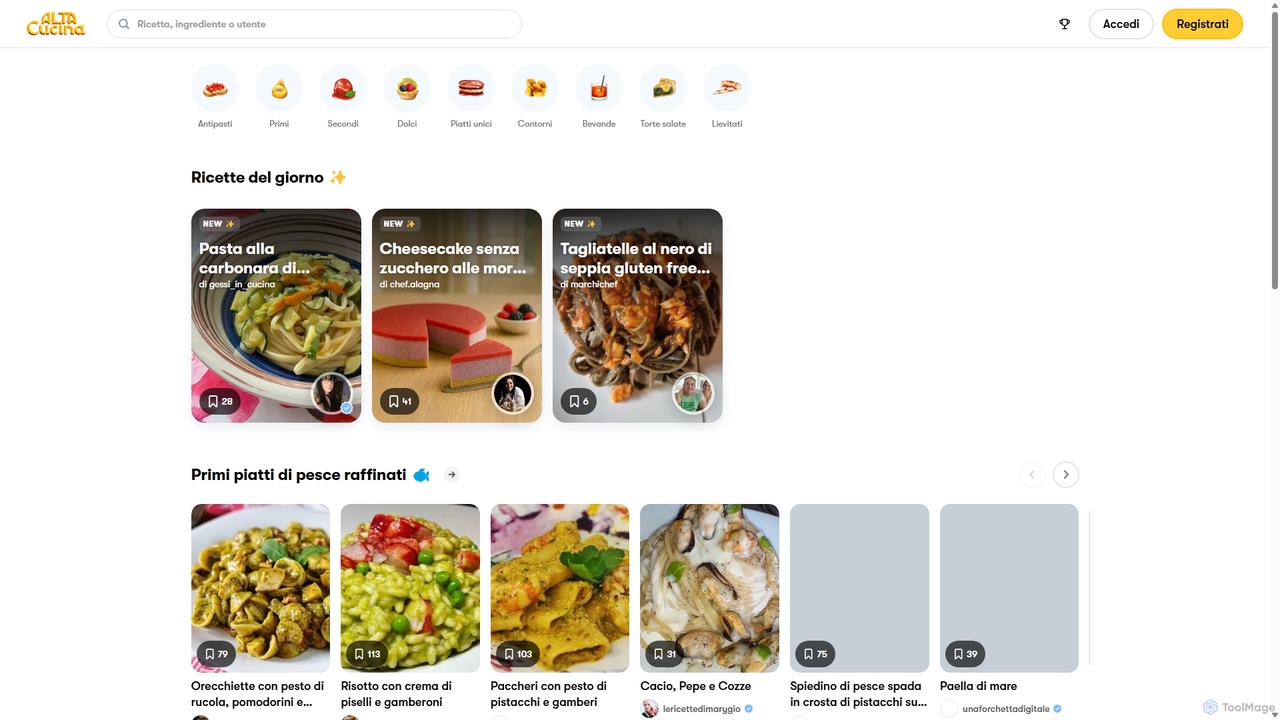
Al.ta Cucina is a vibrant social cooking platform and recipe-sharing community with over 20,000 user-generated recipes. It uses AI to provide personalized recipe recommendations based on your tastes and dietary needs. Discover, save, share, and create delicious meals with a passionate community of food lovers.

Food & Cooking
Visits 696.6KFavorites 183Likes 172

About Content Sharing

Content Sharing tools are AI-powered platforms designed to streamline and optimize the distribution of digital content across various online channels. These tools leverage artificial intelligence to automate scheduling, adapt content formats, and analyze performance, ensuring maximum reach and engagement. They empower content creators, marketers, and businesses to efficiently disseminate their messages, fostering broader audience interaction and brand visibility.

Core Features

  • Automated Scheduling: AI analyzes audience behavior and platform trends to schedule content for optimal posting times, maximizing visibility and engagement.
  • Cross-Platform Publishing: Simultaneously distribute content across multiple social media networks, blogs, email lists, and other digital channels from a single interface.
  • Content Adaptation & Repurposing: AI modifies content format, tone, and length to suit the specific requirements and audience expectations of different platforms.
  • Performance Analytics: Track and analyze key metrics such as reach, engagement, clicks, and conversions, providing insights for data-driven content strategy adjustments.
  • Audience Segmentation & Targeting: Utilize AI to segment audiences based on demographics, interests, and behavior, enabling personalized content delivery for higher relevance.

Use Cases

Content Sharing tools are invaluable for marketing teams aiming for consistent brand messaging across diverse platforms, individual content creators seeking to expand their reach, and businesses looking to optimize their digital presence. They are particularly useful for managing large volumes of content, ensuring timely delivery, and gaining actionable insights into audience interaction.

How to Choose

When selecting an AI Content Sharing tool, consider its integration capabilities with your existing platforms, the breadth of its content adaptation features, and the depth of its analytics. Evaluate the level of automation offered, the ease of use, and whether it supports your specific content types and distribution channels. Scalability and pricing models should also align with your organizational needs and budget.

Content Sharing use cases

1

Automate Multi-Platform Content Distribution for Marketing Campaigns

Marketing teams can leverage AI content sharing tools to automatically publish blog posts, videos, and images across LinkedIn, Twitter, Facebook, and Instagram. By setting up rules and schedules, the AI ensures consistent brand messaging and maximizes reach for new product launches or promotional campaigns, saving hours of manual posting and scheduling.

2

Optimize Social Media Posting Times for Peak Audience Engagement

Social media managers utilize AI content sharing tools to analyze audience activity patterns and automatically schedule posts for peak engagement times. This ensures that content reaches the maximum number of active followers, improving visibility and interaction rates without requiring constant manual monitoring of platform analytics, leading to higher ROI on social media efforts.

3

Personalize Email Newsletter Delivery for Increased Open Rates

Content creators and email marketers can segment their subscriber lists and use AI content sharing tools to tailor newsletter content and delivery times for each segment. By analyzing past engagement and preferences, the AI ensures that subscribers receive relevant content at their most active times, significantly increasing open rates and click-through rates for email campaigns.

4

Automate Content Repurposing for Diverse Platform Formats

Bloggers and content strategists can use AI content sharing tools to automatically transform long-form articles into short social media snippets, engaging infographics, or concise video scripts. The AI adapts the core message and tone for each format, expanding the content's lifespan and reaching diverse audiences across platforms like TikTok, Instagram Reels, and Twitter, maximizing content utility.

5

Amplify Influencer-Generated Content Across Brand Channels

Brands collaborating with influencers can use AI content sharing tools to track and amplify influencer-generated content across their own official channels. The AI identifies top-performing influencer posts and automatically reshares them, often with adapted captions or formats, extending campaign reach and leveraging social proof to build brand credibility and engagement with a wider audience.

6

Facilitate Real-Time News Dissemination for Media Outlets

Media outlets can leverage AI content sharing tools to rapidly disseminate breaking news updates across their website, social feeds, and mobile apps. The AI optimizes headlines and summaries for each platform, ensuring immediate impact and maximizing readership. This capability is crucial for staying competitive in fast-paced news environments, delivering timely and relevant information to diverse audiences.

Content Sharing FAQ

What are AI Content Sharing tools?

AI Content Sharing tools are software applications that use artificial intelligence to automate and optimize the distribution of digital content across various online platforms. They typically feature automated scheduling, cross-platform publishing, and content adaptation capabilities. These tools help users efficiently manage their content dissemination, enhance audience engagement, and gain insights into content performance, making them a vital part of modern digital marketing and content strategy.

How do AI Content Sharing tools differ from traditional social media management tools?

While traditional social media management tools focus on scheduling and basic analytics, AI Content Sharing tools go further by leveraging AI for deeper optimization. They offer advanced features like intelligent content adaptation for different platforms, predictive analytics for optimal posting times, and sophisticated audience segmentation for personalized delivery. This AI-driven approach provides more strategic insights and automation, moving beyond simple management to proactive content distribution and engagement enhancement.

What are the key features to look for in an AI Content Sharing tool?

When evaluating AI Content Sharing tools, prioritize features such as robust cross-platform publishing capabilities, intelligent content adaptation (e.g., reformatting for different social media), and advanced AI-driven scheduling that optimizes for audience engagement. Comprehensive performance analytics, audience segmentation, and integration with your existing content creation and CRM systems are also crucial. Look for tools that offer intuitive interfaces and strong support for various content types like text, images, and video.

Who benefits most from using AI Content Sharing tools?

AI Content Sharing tools primarily benefit content creators, digital marketers, social media managers, and businesses of all sizes. Individual creators can expand their reach and manage multiple platforms effortlessly. Marketing teams can ensure consistent brand messaging and optimize campaign performance. Businesses can streamline their content distribution workflows, gain deeper audience insights, and improve their overall digital presence, leading to increased brand visibility and customer engagement.

Can AI Content Sharing tools help improve content reach and engagement?

Yes, AI Content Sharing tools are specifically designed to significantly improve content reach and engagement. By using AI to analyze audience data, predict optimal posting times, and adapt content for various platforms, these tools ensure that your content is seen by the right people at the right time in the most effective format. This targeted and optimized approach leads to higher visibility, increased interactions, and ultimately, a more engaged audience across all your digital channels.