YouTube
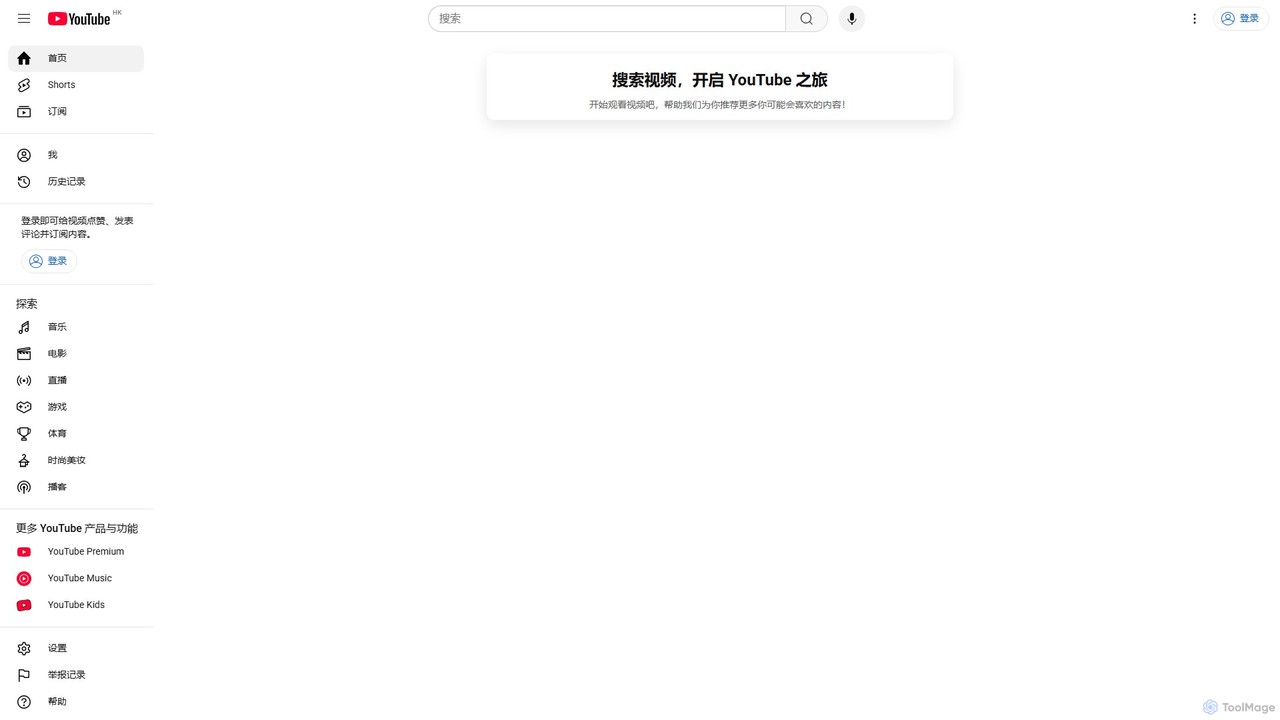
YouTube is a global video-sharing platform that leverages sophisticated AI to personalize content discovery, power search, and provide …
YouTube is a global video-sharing platform that leverages sophisticated AI to personalize content discovery, power search, and provide creators with advanced tools. Its core is an AI recommendation engine that tailors video suggestions to individual user behavior, alongside AI-driven features like automatic captions, content moderation, and in-depth analytics, making it a central hub for entertainment, education, and the creator economy.
About Content Creation
AI Content Creation tools are specialized applications designed to generate written content specifically for social media and online communities. Leveraging natural language generation (NLG) models, these tools analyze platform-specific formats, tones, and engagement trends to produce relevant posts, threads, and captions. They help social media managers, marketers, and creators maintain a consistent online presence, save significant time, and enhance audience engagement. These tools excel at transforming ideas into platform-optimized content quickly and efficiently.
Core Features
- Platform-Specific Generation: Creates content tailored to the character limits and formats of platforms like Twitter, LinkedIn, Instagram, and Facebook.
- Tone and Style Adaptation: Adjusts the writing voice to match a brand's identity, from professional and formal to witty and casual.
- Content Repurposing: Transforms long-form content like blog posts or videos into multiple, distinct social media snippets.
- Idea & Hook Generation: Brainstorms engaging questions, viral hooks, and effective calls-to-action to capture audience attention.
- Hashtag & Keyword Suggestion: Recommends relevant and trending hashtags to improve content discoverability and reach.
Applicable Scenarios
These tools are primarily used by social media managers, digital marketing agencies, brand strategists, and individual creators. They are essential for workflows involving daily content scheduling, multi-platform campaign management, and community engagement. For instance, a marketer can use them to generate a week's worth of posts in minutes, or a community manager can draft quick, empathetic responses to user comments.
Selection Criteria
When choosing an AI Content Creation tool, consider the specific social media platforms it supports. Evaluate the depth of its tone and style customization options to ensure it aligns with your brand voice. Check for integrations with social media scheduling tools like Buffer or Hootsuite. Finally, assess the quality of its idea generation and whether its pricing model aligns with your content output volume.

Content CreationUse Cases
Automating Daily Social Media Posts
A social media manager for a small e-commerce brand is tasked with maintaining an active presence on Instagram and Facebook. Instead of spending hours each day brainstorming and writing posts, they use an AI content creation tool. They input key product features and promotional events for the week. The AI then generates a variety of engaging post captions, questions for the audience, and calls-to-action, all tailored to the brand's cheerful and friendly tone. This process reduces content creation time by over 70%, freeing up the manager to focus on community engagement and performance analysis.
Crafting Engaging LinkedIn Thought Leadership Posts
A marketing consultant wants to build their personal brand on LinkedIn by sharing industry insights. They use an AI content creation tool to structure their thoughts. They provide a core idea, such as 'The Future of SEO is Semantic Search,' and the tool helps them outline the post, suggests a compelling hook, breaks down complex topics into digestible bullet points, and drafts a concluding paragraph with a question to encourage comments. This allows the consultant to produce high-quality, well-structured thought leadership content consistently, increasing their profile views and connection requests.
Generating Viral Twitter Thread Ideas
A content creator specializing in tech tutorials wants to increase their Twitter following. They struggle with creating long, engaging threads. Using an AI content tool, they input a topic like 'Underrated AI tools for productivity.' The AI generates several potential thread structures, each with a strong opening hook, a series of numbered points with brief explanations, and a concluding tweet that prompts retweets. The creator can then select the best structure, edit the content to match their voice, and schedule the thread. This approach helps them overcome writer's block and consistently publish content formatted for virality.
Repurposing a Webinar into Social Media Snippets
A B2B software company hosts a one-hour webinar on a new product feature. To maximize its reach, the marketing team uploads the webinar transcript to an AI content creation tool. The tool identifies key quotes, statistics, and actionable tips from the transcript. It then generates over 20 unique social media posts based on this information, including short text posts for Twitter, more detailed posts for LinkedIn, and engaging questions for a Facebook community group. This automates the time-consuming process of manually reviewing the webinar and creating derivative content, ensuring the value of the webinar extends for weeks across all social channels.
Drafting Empathetic Community Forum Responses
A community manager for a popular gaming app needs to respond to dozens of user queries and feedback posts daily in their Discord server. To maintain a consistent and supportive tone, they use an AI content tool. When a user reports a bug, the manager inputs the user's message and key details. The AI drafts a response that acknowledges the user's frustration, thanks them for the report, and clearly explains the next steps. The manager can then quickly review, personalize, and post the reply. This ensures timely and empathetic communication at scale, fostering a positive and loyal community environment.
A/B Testing Social Media Ad Copy Variations
A performance marketer is launching a new Facebook ad campaign for a fashion retailer. To optimize the click-through rate (CTR), they need to test multiple ad copy variations. Using an AI content creation tool, they provide the product description and target audience profile. The AI generates ten distinct ad copy versions, each with a different hook, emotional appeal (e.g., urgency, exclusivity), and call-to-action. The marketer can then easily set up an A/B test with these variations. This approach saves hours of creative brainstorming and allows for data-driven optimization of ad spend by quickly identifying the most effective messaging.