ToolMage
Sign in

Best 4 Learning Platforms for Education

Popular Learning Platforms in Education include YouTube, AI Forums, Backdrop Build, and MomentumAI, helping you work more efficiently.

AI Forums
Free

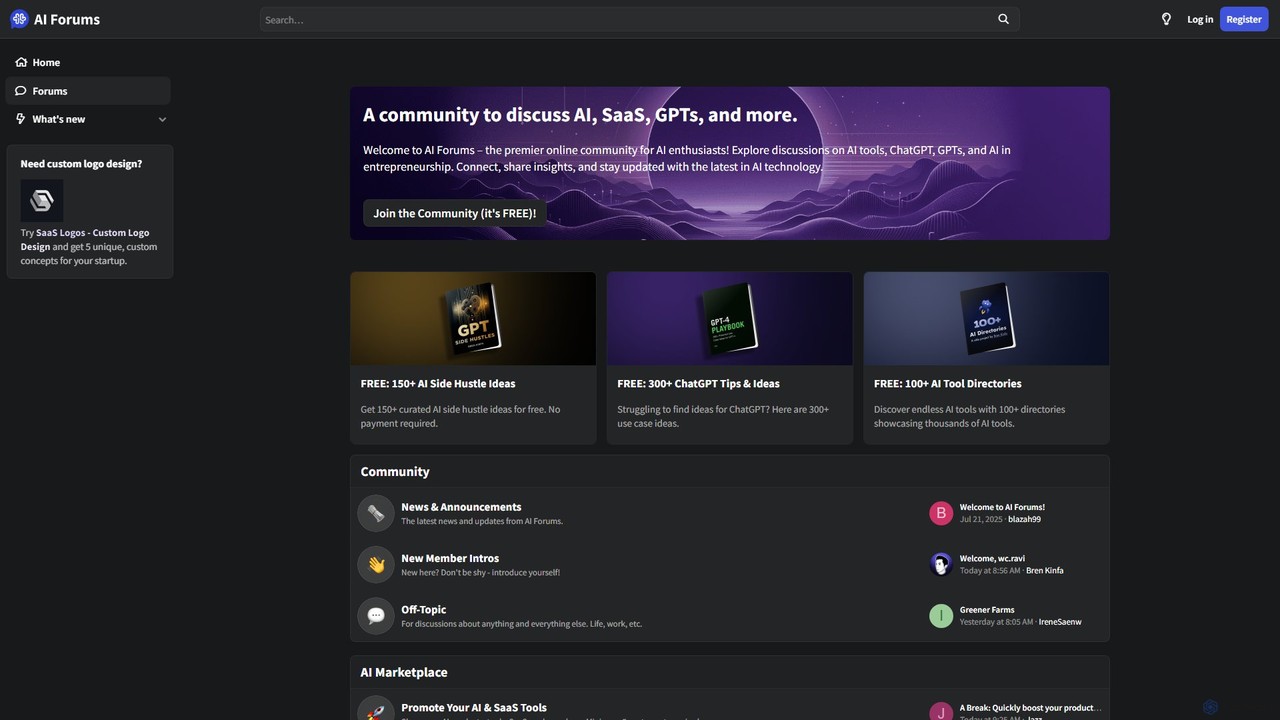
AI Forums

AI Forums is a vibrant online community for AI enthusiasts, entrepreneurs, and creators. Discuss the latest in AI technology, including SaaS, GPTs, ChatGPT, and generative tools. Connect with peers, share insights, promote your tools, and access valuable free resources.

Entrepreneurship
Visits 5.3KFavorites 134Likes 145
MomentumAI
Freemium

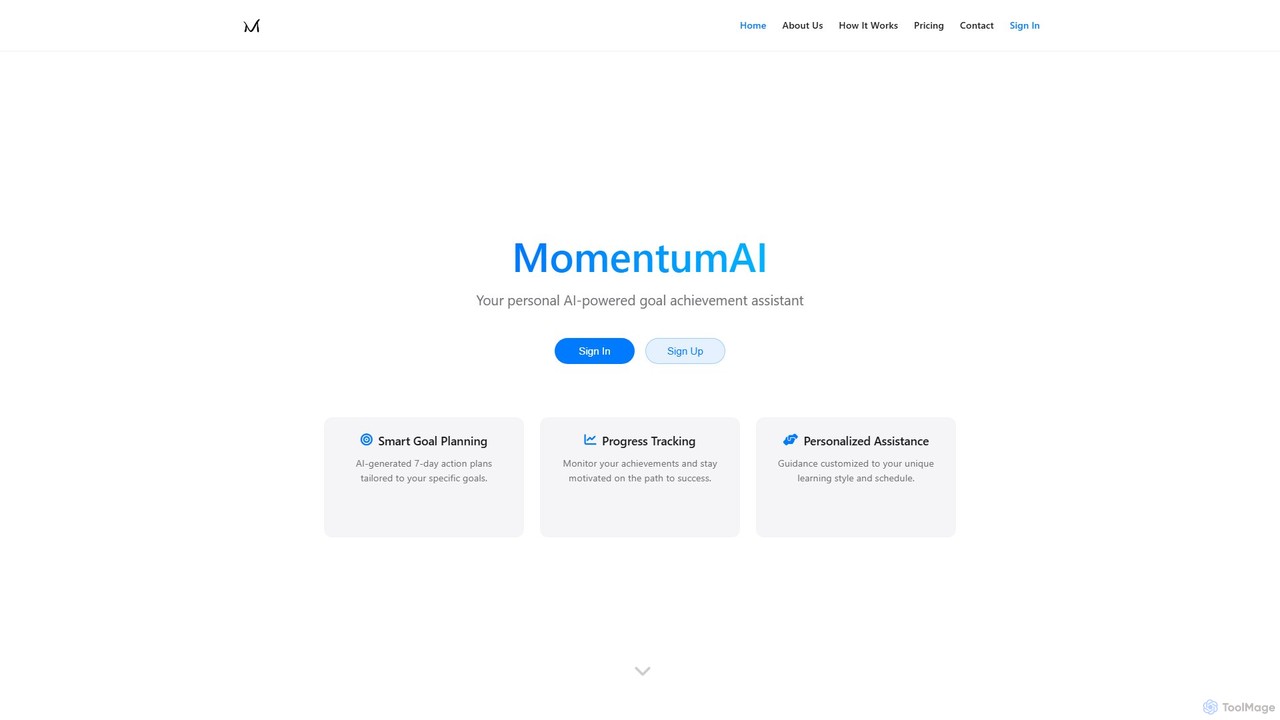
MomentumAI

MomentumAI is an AI-powered personal coach designed to help you achieve your goals. It creates personalized, step-by-step plans, suggests relevant learning resources, and connects you with experienced mentors to guide you on your journey to success.

Learning Platforms
Visits 4KFavorites 106Likes 101
Backdrop Build
Free

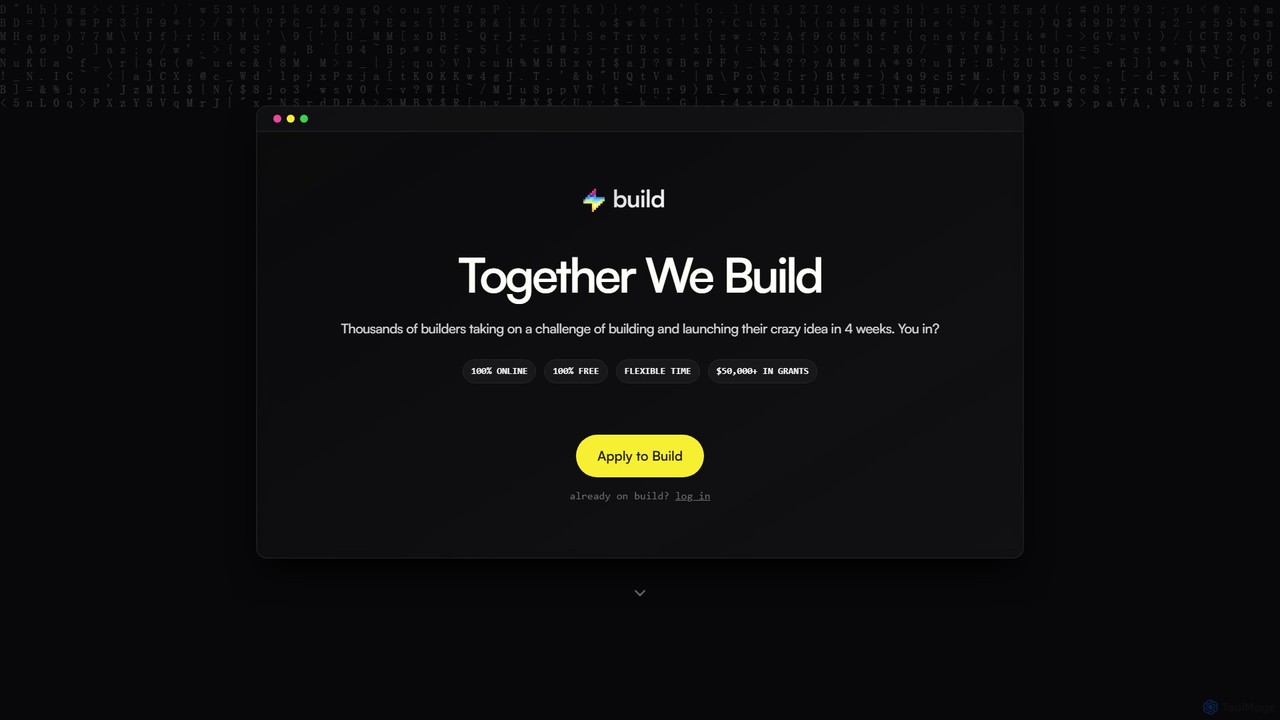
Backdrop Build

Backdrop Build is a free, 4-week online program for builders and developers to launch their ideas. It offers a supportive community, expert feedback, and over $50,000 in grants to help turn concepts in AI, Crypto, Gaming, and Open Source into reality.

Networking
Visits 5.3KFavorites 108Likes 108
YouTube
Freemium

YouTube

YouTube is a global video-sharing platform that leverages sophisticated AI to personalize content discovery, power search, and provide creators with advanced tools. Its core is an AI recommendation engine that tailors video suggestions to individual user behavior, alongside AI-driven features like automatic captions, content moderation, and in-depth analytics, making it a central hub for entertainment, education, and the creator economy.

Learning Platforms
Visits 57.1KFavorites 90Likes 85

About Learning Platforms

AI-powered Learning Platforms are sophisticated tools designed to personalize and optimize educational experiences. Leveraging machine learning and natural language processing, these platforms adapt content, assess progress, and provide tailored feedback to individual learners. They aim to enhance engagement, improve knowledge retention, and make learning more efficient across various domains, serving as a key component within the broader field of AI in Education.

Core Features

  • Personalized Learning Paths: AI analyzes learner data to create customized curricula and content sequences.
  • Intelligent Content Recommendation: Suggests relevant learning materials, courses, and resources based on user performance and interests.
  • Automated Assessment & Feedback: Provides instant grading, identifies knowledge gaps, and offers targeted suggestions for improvement.
  • Adaptive Tutoring & Support: Offers real-time, context-aware assistance and explanations to guide learners through challenging concepts.
  • Performance Analytics & Insights: Tracks individual and group progress, highlighting strengths and areas requiring further attention for educators and learners.

Applicable Scenarios

Learning Platforms are widely adopted in diverse educational settings. Corporate training departments utilize them for employee upskilling and compliance courses, adapting content to different roles and learning paces. Academic institutions deploy them to offer supplementary learning, personalized homework, and adaptive test preparation for students. Individual learners also benefit from these platforms for mastering new skills, languages, or preparing for certifications, receiving tailored guidance.

How to Choose

When selecting an AI Learning Platform, consider its adaptability to your specific learning goals and content requirements. Evaluate the depth of its personalization features, including how it customizes learning paths and content recommendations. Assess the quality and granularity of its automated assessment and feedback mechanisms. Finally, examine its integration capabilities with existing Learning Management Systems (LMS) and its scalability to accommodate your target audience size and future growth.

Featured tool rankings

Learning Platforms use cases

1

Personalized Corporate Training for Employee Upskilling

HR departments and corporate trainers utilize AI learning platforms to deliver customized training modules for new hires or to upskill existing employees. The platform analyzes individual learning styles and existing knowledge, then adapts content difficulty and pace based on their progress. This ensures efficient knowledge acquisition and skill development across diverse roles, leading to higher employee competency and reduced training costs.

2

Adaptive Language Learning for Rapid Fluency

Individuals learning a new language utilize AI learning platforms for highly personalized practice. The AI identifies specific grammar weaknesses, vocabulary gaps, or pronunciation errors through interactive exercises and speech analysis. It then generates targeted drills, conversational scenarios, and pronunciation feedback, accelerating fluency and improving retention significantly faster than traditional methods.

3

Student Academic Support and Personalized Homework

K-12 or university students leverage AI learning platforms for supplementary study and personalized homework assignments. The platform analyzes their performance in specific subjects, identifies areas of struggle, and then recommends additional resources, video tutorials, and provides adaptive quizzes to reinforce understanding. This helps students master challenging concepts, improve grades, and prepare more effectively for exams.

4

Optimized Certification Exam Preparation

Professionals preparing for industry certifications (e.g., IT, finance, project management) use AI learning platforms to optimize their study plan. The AI identifies areas where the user needs more focus based on diagnostic tests and practice questions. It then curates a personalized study schedule, provides practice questions mimicking the exam format, and tracks progress, maximizing preparation efficiency and increasing the likelihood of passing.

5

Skill Development for Career Advancement

Individuals seeking to acquire new technical skills (e.g., coding, data science, digital marketing) for career advancement use AI learning platforms. The AI curates a learning path with relevant courses, projects, and real-world simulations, offering real-time feedback on code, problem-solving approaches, or campaign strategies. This facilitates practical skill mastery and provides verifiable credentials, directly contributing to professional growth and new job opportunities.

6

Content Generation for Educators and Course Designers

Educators, instructional designers, and course creators employ AI learning platforms to streamline the generation of adaptive learning materials. The AI can suggest content variations, create diverse question types (e.g., multiple-choice, open-ended, fill-in-the-blank), and structure modules to cater to different learning styles and proficiency levels. This significantly reduces content development time, allowing educators to focus more on pedagogical strategies and student interaction.

Learning Platforms FAQ

What are AI Learning Platforms?

AI Learning Platforms are digital educational tools that use artificial intelligence to personalize and enhance the learning experience. They typically feature adaptive content delivery, intelligent recommendations, and automated feedback mechanisms, aiming to make education more engaging and effective for individual learners by tailoring the educational journey to their unique needs and pace.

How do AI Learning Platforms personalize learning?

AI Learning Platforms personalize learning by continuously analyzing a learner's performance, progress, and preferences. They use machine learning algorithms to adapt the difficulty of content, recommend specific resources, and adjust the pace of instruction in real-time. This ensures that each learner receives a tailored educational journey that addresses their unique strengths, weaknesses, and learning style, optimizing their engagement and outcomes.

What is the difference between a traditional LMS and an AI Learning Platform?

A traditional Learning Management System (LMS) primarily manages and delivers static course content, tracks basic progress, and facilitates communication. An AI Learning Platform, while often incorporating LMS functionalities, goes further by using AI to dynamically adapt content, personalize learning paths, provide intelligent recommendations, and offer adaptive feedback. This makes the learning experience more interactive, responsive, and tailored to individual needs, unlike the more static approach of a conventional LMS.

Who benefits most from using AI Learning Platforms?

A wide range of users benefits significantly from AI Learning Platforms. This includes individual students seeking personalized academic support, professionals aiming for skill upgrades or certification, and corporate organizations looking to deliver efficient and customized employee training. Educators also benefit from these platforms as they provide tools that help them create more adaptive, engaging, and data-driven content, ultimately enhancing the teaching and learning process for all.

Can AI Learning Platforms replace human teachers?

No, AI Learning Platforms are designed to augment and support human teachers, not replace them. While AI can automate tasks like grading, content recommendation, and adaptive tutoring, human teachers provide crucial elements like emotional intelligence, complex problem-solving guidance, mentorship, and fostering critical thinking skills that AI cannot replicate. They work best in collaboration, allowing teachers to focus on higher-level pedagogical strategies and individual student needs.

What are the key benefits of using AI Learning Platforms?

AI Learning Platforms offer several key benefits. They provide highly personalized learning experiences, adapting to individual paces and styles, which significantly boosts engagement and knowledge retention. Automated assessments and instant feedback save time for both learners and educators. Furthermore, intelligent content recommendations ensure relevance, while performance analytics offer valuable insights for continuous improvement. These platforms ultimately lead to more efficient, effective, and accessible education.