ToolMage
Sign in

Best 1 Generative Fun AI tools for Social & Fun

Popular Generative Fun AI tools in Social & Fun include Websim, helping you work more efficiently.

Websim
Freemium

Websim

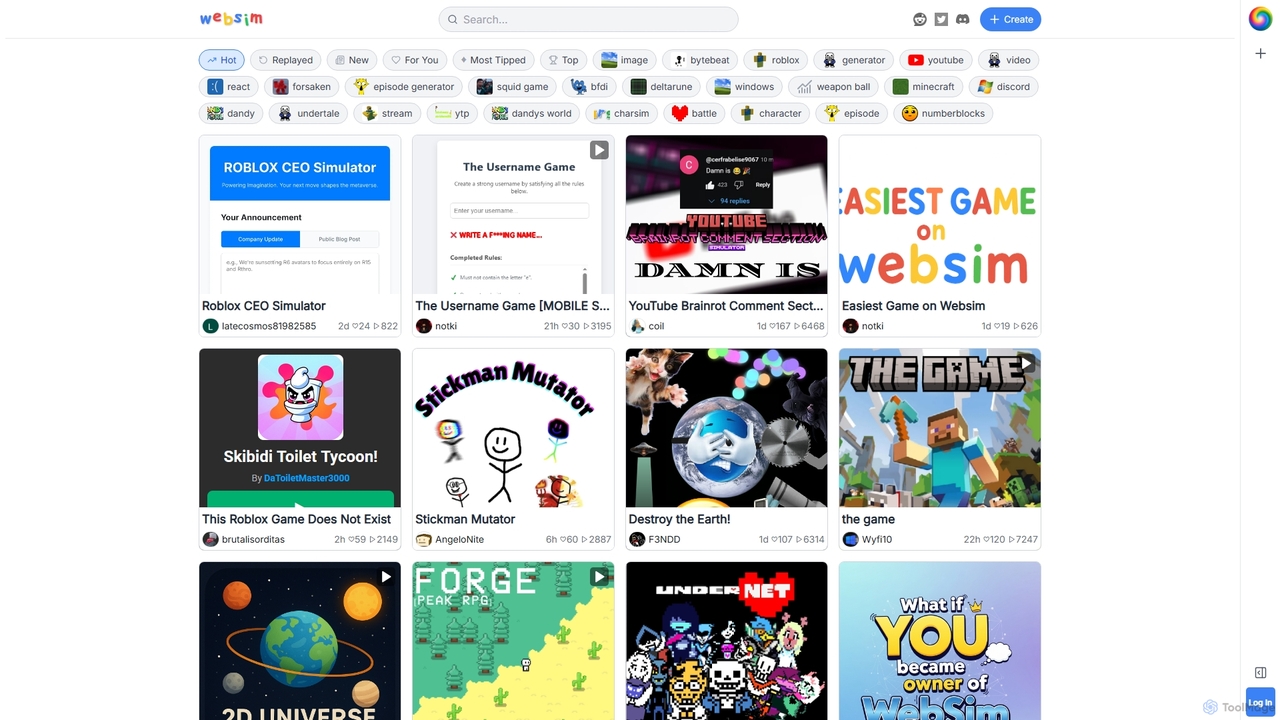
Websim is a creative online sandbox platform for building and playing interactive simulations and games. Users can create everything from simple text-based adventures to complex generative systems, share them with a vibrant community, and explore thousands of unique user-generated experiences.

Learning
Visits 10.5KFavorites 98Likes 103

About Generative Fun

Generative Fun tools are a class of AI applications designed specifically for creating entertaining, humorous, and whimsical content. These tools leverage simplified generative models to transform simple text prompts or inputs into surprising and often absurd outputs like memes, jokes, or quirky images. Their primary purpose is to provide a playful outlet for creativity, spark laughter, and generate shareable content for social media, rather than producing professional-grade assets. They offer an accessible and amusing way for anyone to engage with generative AI technology purely for enjoyment.

Core Features

  • Meme Generation: Quickly create topical or classic memes using text prompts and templates.
  • Absurd Image Creation: Generate bizarre, funny, or surreal images that defy logic and spark imagination.
  • Playful Text Generation: Craft jokes, humorous short stories, song lyrics, or quirky poems.
  • AI Character Interaction: Chat with unique and entertaining AI personalities for amusement and role-playing.
  • Gamified Content Creation: Turn the process of generating content into an engaging game or challenge.

Use Cases

These tools are ideal for social media users, content creators, and anyone looking for a fun, creative pastime. They are used to produce unique, shareable content for platforms like Instagram, TikTok, and Twitter, create custom entertainment for social gatherings, or simply to explore the playful side of AI. Marketers also use them to craft lighthearted, engaging posts for brand campaigns.

How to Choose

When selecting a Generative Fun tool, consider the type of content you want to create (images, text, memes). Evaluate the user interface for simplicity and ease of use, as these tools are meant for casual fun. Check for robust social sharing options for easy posting. Finally, consider the pricing model—many offer free tiers perfect for experimentation and entertainment.

Featured tool rankings

Generative Fun use cases

1

Creating Viral Social Media Memes

A social media manager needs to quickly capitalize on a trending news story. Instead of spending time in complex photo editing software, they use a Generative Fun tool. By inputting a simple text prompt like 'cat politician giving a speech about fish prices,' the tool instantly generates several humorous meme images. The manager selects the best one, adds a witty caption, and posts it. The unique and timely content leads to high engagement, shares, and increased follower interaction, all achieved in a matter of minutes.

2

Designing Unique Party Game Content

Someone planning a game night with friends wants to create a custom version of a drawing or guessing game. They use a Generative Fun tool to create a list of absurd and hilarious prompts, such as 'a knight riding a giant snail into battle' or 'a robot trying to bake a cake'. The AI generates hundreds of unique ideas in seconds, saving hours of brainstorming. During the party, these prompts lead to unpredictable drawings and memorable moments of laughter, making the game night far more engaging than using standard prompts.

3

Entertaining Children with AI-Generated Stories

A parent wants to create a unique bedtime story for their child. Using a playful text generation tool, they input a prompt combining their child's favorite things: 'a story about a brave squirrel, a magical cupcake, and the moon'. The AI instantly weaves a short, whimsical tale featuring these elements. The parent can even regenerate the story multiple times for different variations. This provides endless, personalized entertainment and encourages the child's imagination, offering a creative alternative to reading the same books repeatedly.

4

Creating Custom Avatars and Profile Pictures

A user wants a new, funny profile picture for their gaming or social media accounts but lacks artistic skills. They use a Generative Fun tool that specializes in creating cartoonish or absurd characters. They upload a photo of themselves or type a description like 'a cyberpunk wizard cat wearing sunglasses'. The tool produces a variety of unique, humorous avatars. The user can then select their favorite to use across all their profiles, establishing a memorable and entertaining online identity without needing any design experience.

5

Generating Lighthearted Icebreakers for Meetings

A team lead wants to start a remote weekly meeting with a fun, non-work-related activity to boost morale. They use a Generative Fun tool to create funny 'what if' scenarios or generate humorous images related to their industry. For example, they might generate an image of 'a server rack disguised as a birthday cake'. Sharing this at the beginning of the meeting provides a moment of shared laughter, helps team members connect on a personal level, and sets a positive tone before diving into business topics.

6

Chatting with a Humorous AI Companion

A user feeling bored or seeking a lighthearted distraction opens an AI character chat tool. Instead of a standard assistant, they choose to talk to a character like a 'sarcastic pirate' or a 'drama queen robot'. The user engages in a playful conversation, asking absurd questions and receiving witty, in-character responses. This interaction serves as a form of entertainment, similar to improvisational comedy. It provides a unique and amusing way to pass the time, offering a dynamic experience that is different with every conversation.

Generative Fun FAQ

What are Generative Fun tools?

Generative Fun tools are AI applications focused on creating entertaining, humorous, or whimsical content rather than professional or functional outputs. They use generative AI models to turn simple user inputs into funny images, memes, jokes, or quirky stories. Unlike professional creative tools, their main goal is amusement, creative play, and generating shareable content for social media and personal enjoyment.

How do Generative Fun tools differ from professional AI art generators?

The main difference lies in intent and features. Professional AI art generators aim for high-fidelity, artistic, or realistic outputs with extensive user controls for style, composition, and detail. Generative Fun tools prioritize speed, simplicity, and humor. They often have fewer controls, embrace randomness and absurdity, and are optimized for creating content that is immediately entertaining and shareable, rather than aesthetically perfect.

What kind of content can I create with these tools?

You can create a wide variety of lighthearted content. Common examples include:

  • Memes: Combining images and text to create classic or trending memes.
  • Funny Images: Generating surreal, bizarre, or cartoonish pictures from text prompts.
  • Jokes and Stories: Creating short, humorous narratives or one-liners.
  • Custom Avatars: Designing unique and playful profile pictures.
  • AI Character Chats: Engaging in amusing conversations with fictional AI personalities.

Are Generative Fun tools free to use?

Many Generative Fun tools operate on a freemium model. This typically means they offer a free tier with certain limitations, such as a limited number of daily generations, watermarked outputs, or access to only basic features. Paid plans usually unlock more advanced features, higher generation limits, and remove watermarks. For casual entertainment, the free versions are often sufficient.

How to choose the right Generative Fun tool?

To choose the best tool for you, consider these factors:

  • Content Type: Decide if you want to create images, text, memes, or chat with an AI. Pick a tool that specializes in your desired format.
  • Ease of Use: Look for a simple, intuitive interface that allows you to create content quickly without a steep learning curve.
  • Sharing Features: Check if the tool makes it easy to download or directly share your creations to your favorite social media platforms.
  • Community and Inspiration: Some tools feature a gallery of user creations, which can be a great source of inspiration.