ToolMage
Sign in

Best 8 Community AI tools for Social & Fun

Popular Community AI tools in Social & Fun include The StoryGraph, Peerup, Mirro, MusoLink, Zizoto, whatdidyouhavefordinner, NomadSpot, and Dressrious, helping you work more efficiently.

Zizoto
Freemium

Zizoto

Zizoto is a free, community-driven AI image generation platform powered by Stable Diffusion SDXL. It allows users to create stunning visuals, morph and remix images from other creators, and print their digital masterpieces as high-quality posters in a unique social network for collaborative art.

Generative Art
Visits 5.4KFavorites 126Likes 142
Peerup
Freemium

Peerup

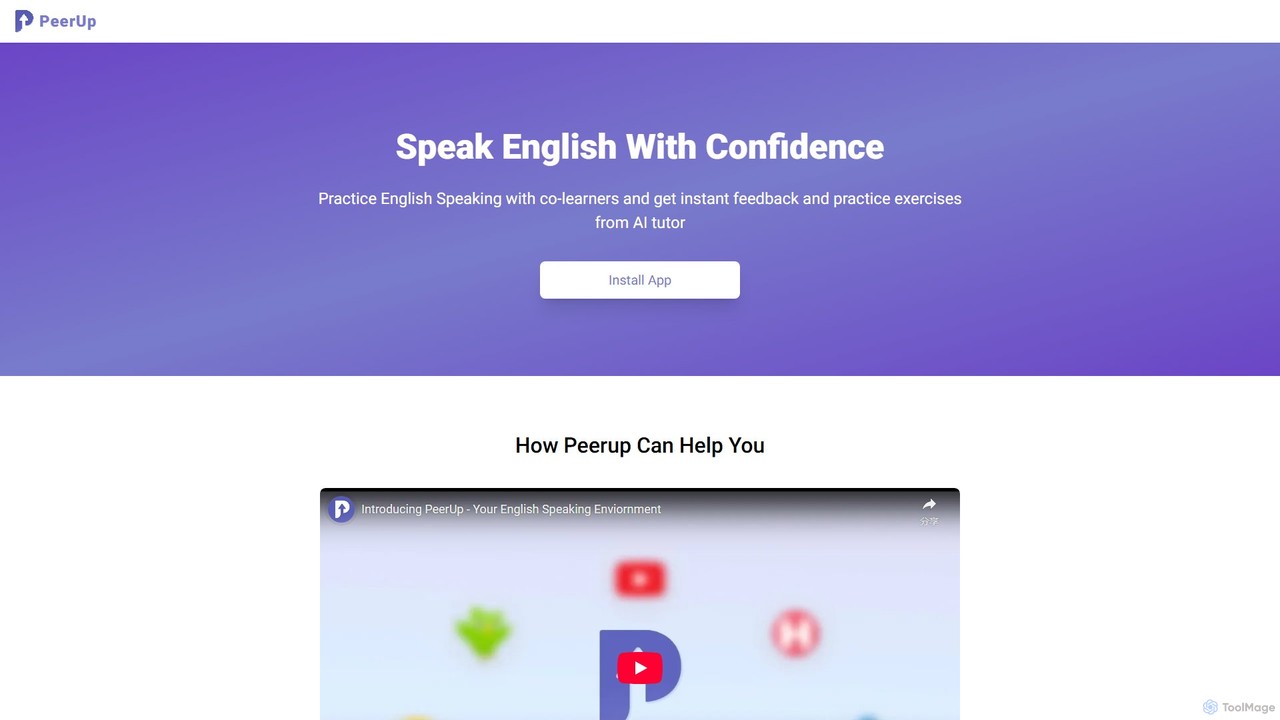
Peerup is an AI-powered mobile app for English speaking practice. It connects you with fellow learners for real-time conversations and provides instant feedback from an AI tutor to help you improve pronunciation, fluency, and confidence.

Language Learning
Visits 35.8KFavorites 130Likes 146
NomadSpot
Freemium

NomadSpot

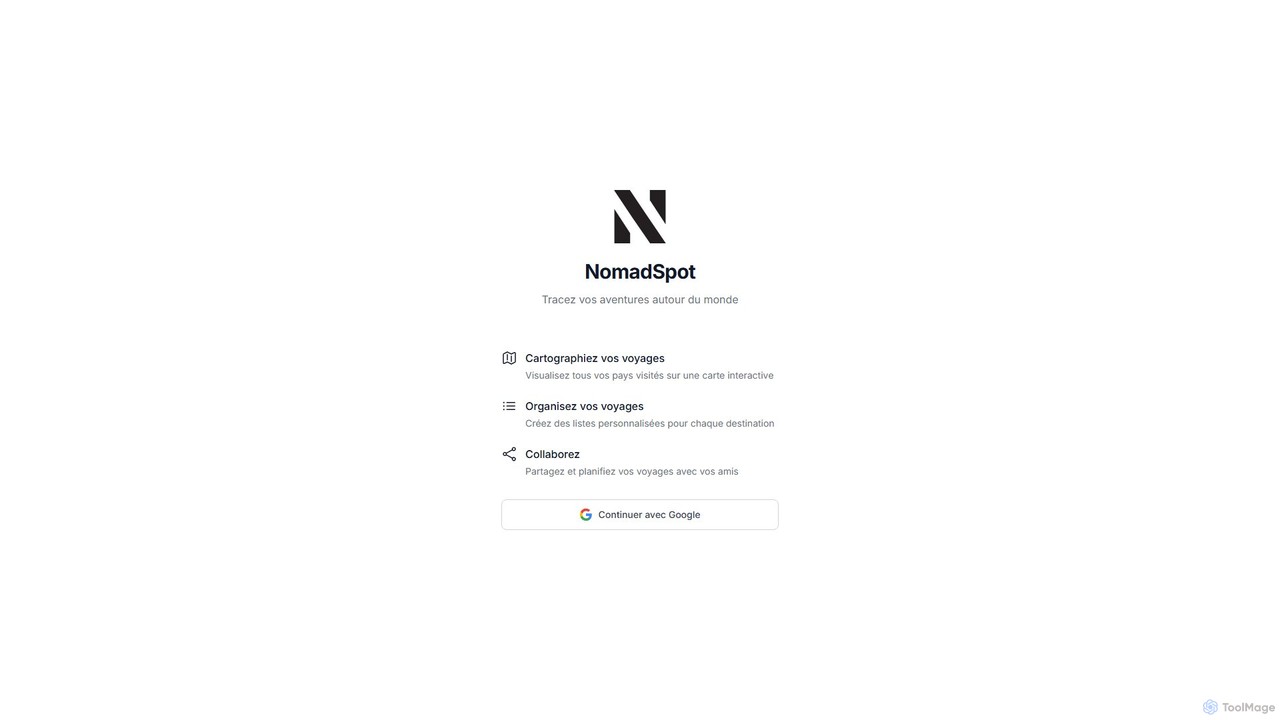
NomadSpot is an AI-powered travel platform for modern adventurers. It allows you to visually map your past journeys, collaboratively plan future trips with friends, and discover new destinations with intelligent recommendations. Perfect for digital nomads, backpackers, and vacation planners.

Organization
Visits 5.4KFavorites 157Likes 119
whatdidyouhavefordinner
Freemium

whatdidyouhavefordinner

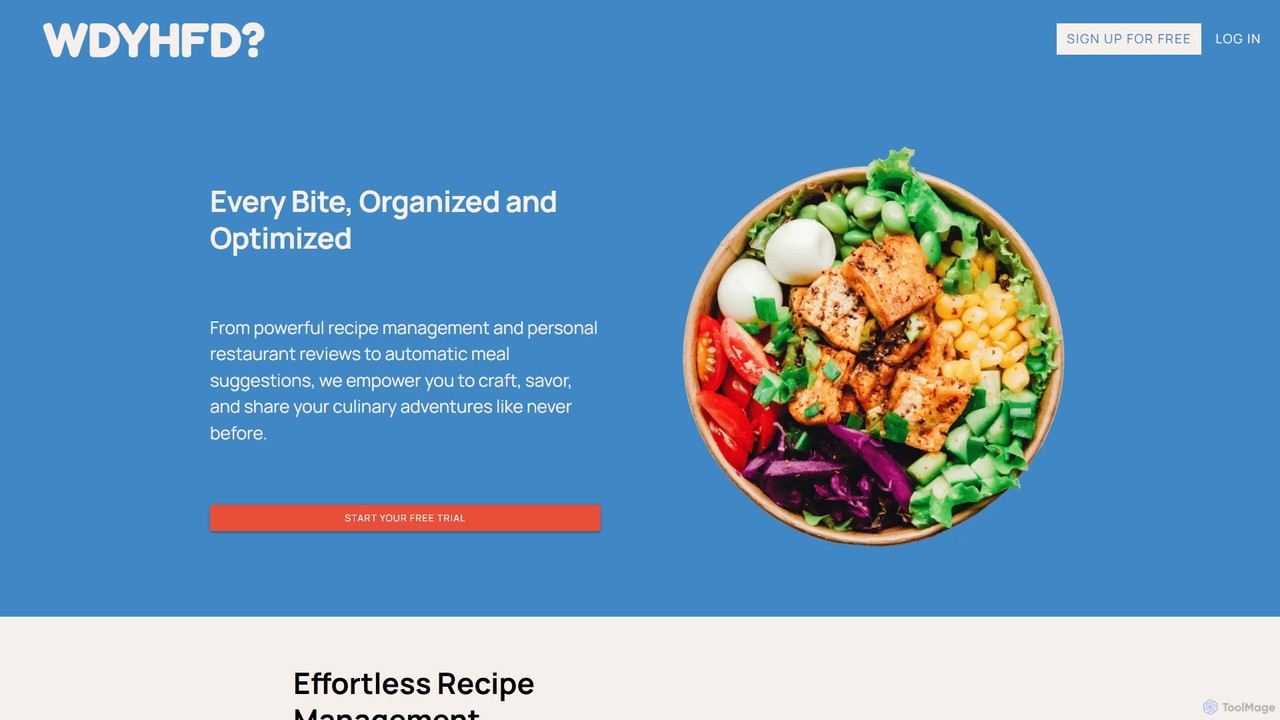
An AI-powered food journal and recipe database designed to organize your culinary life. Import recipes, log home-cooked meals and restaurant visits, write reviews, and receive personalized meal suggestions. Share your food adventures with a community of friends.

Food & Drink
Visits 5.4KFavorites 98Likes 127
Mirro
Freemium

Mirro

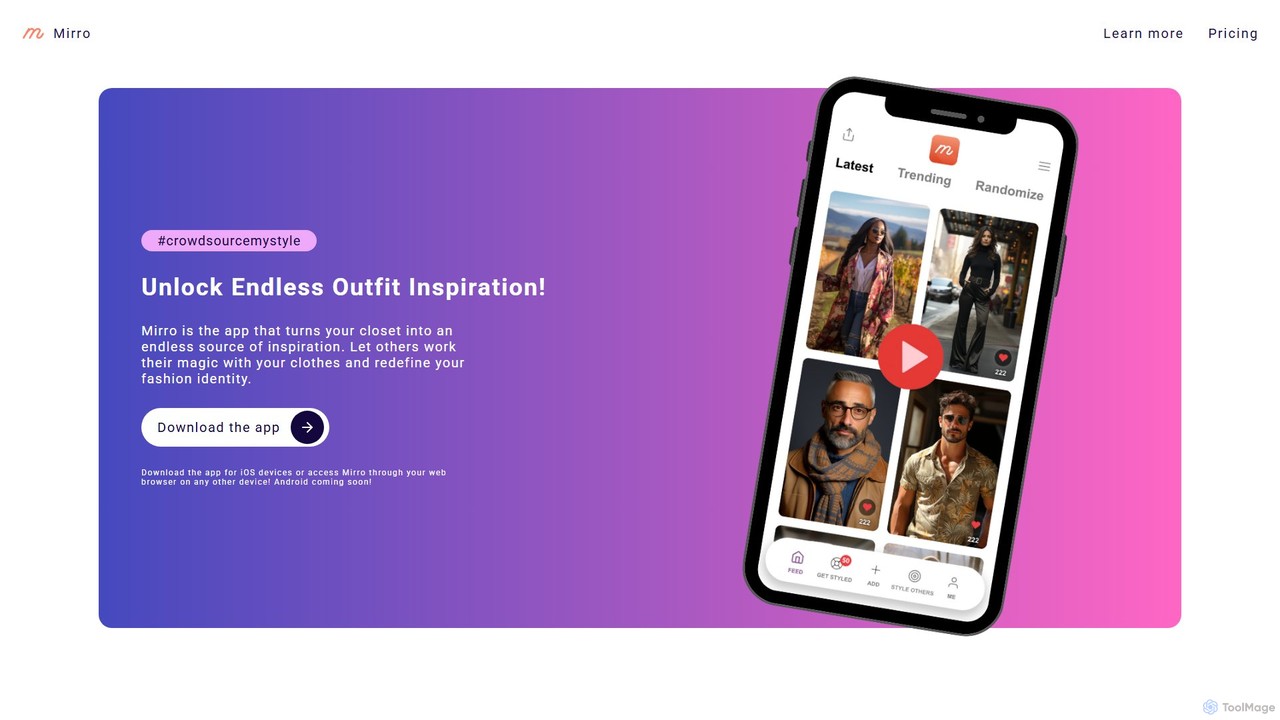
Mirro is an AI-powered social styling app that transforms your wardrobe into a source of endless inspiration. By creating a digital closet of your clothes, you can receive personalized outfit suggestions from a fashion-loving community and generative AI. Discover new ways to wear what you already own and redefine your personal style.

Image Generation
Visits 7.3KFavorites 129Likes 127
MusoLink
Freemium

MusoLink

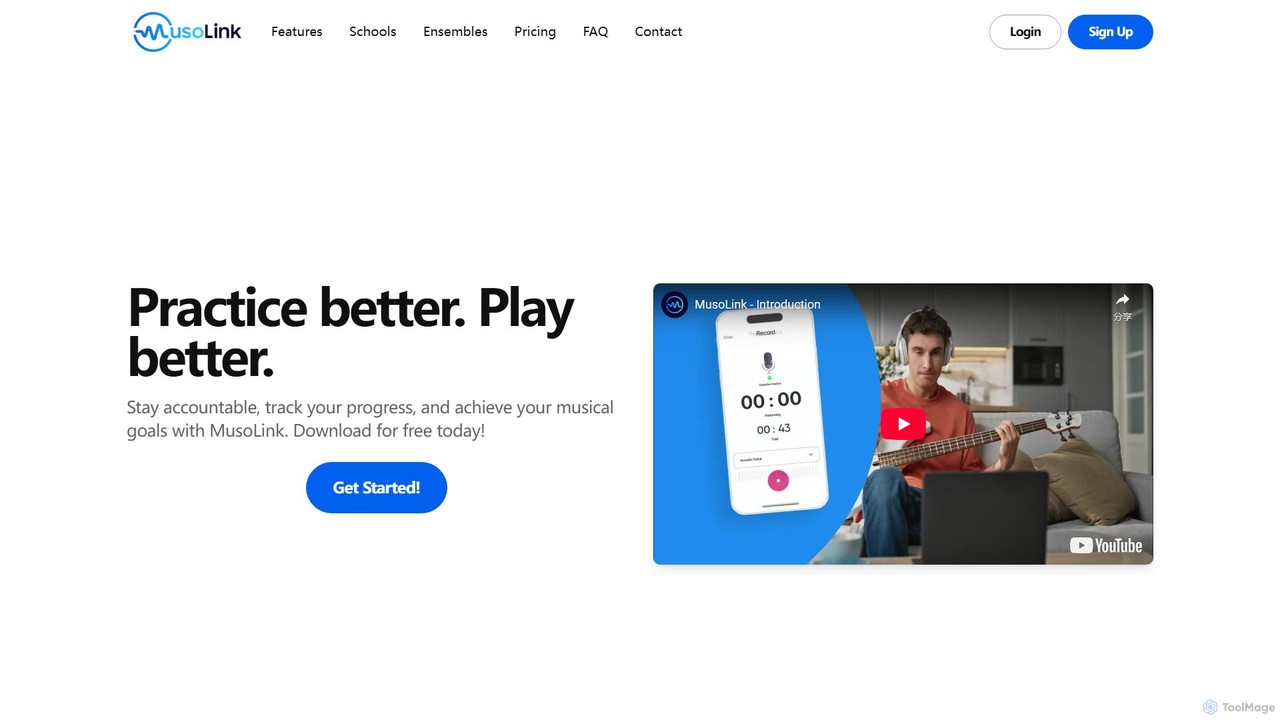
MusoLink is an AI-powered app for musicians that automatically tracks practice time to foster accountability and motivation. It offers social features like leaderboards and progress sharing, making it ideal for individual musicians, students, teachers, and ensembles to improve their skills and achieve their musical goals.

Music Learning
Visits 6KFavorites 116Likes 119
The StoryGraph
Freemium

The StoryGraph

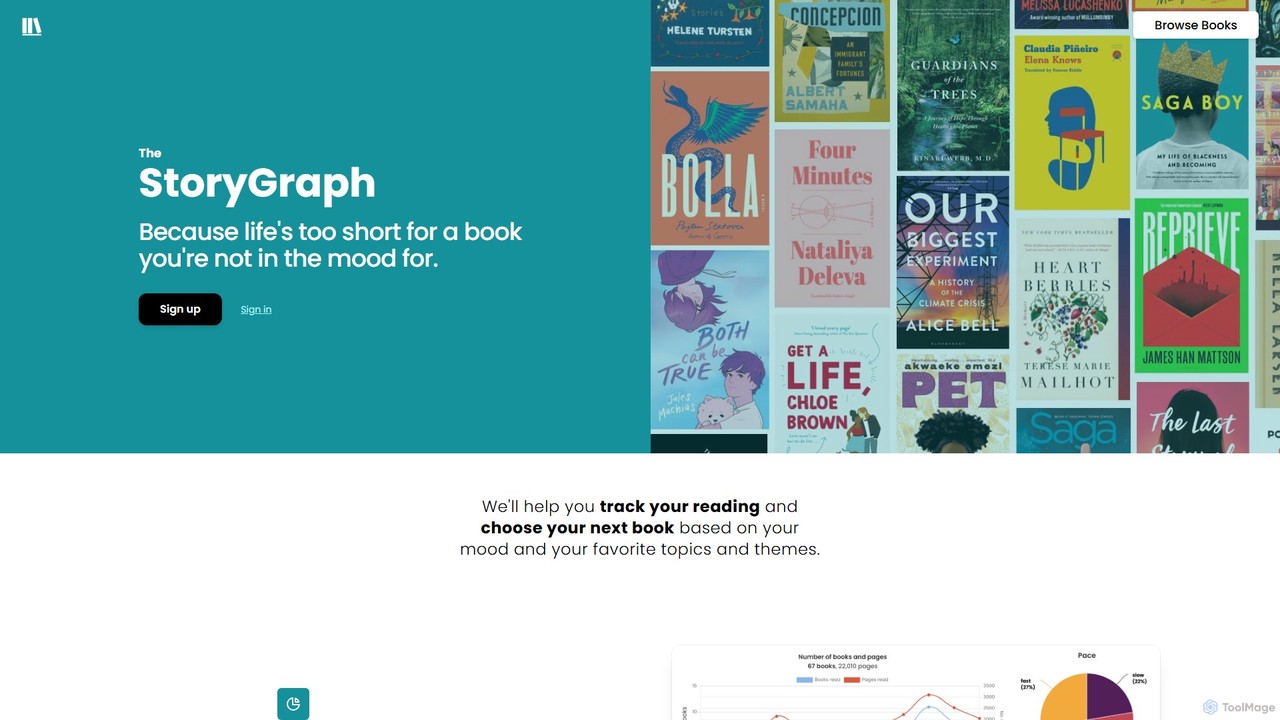
The StoryGraph is an AI-powered book tracking and recommendation platform. It helps you find your next read based on your mood and reading preferences, provides insightful stats about your habits, and offers a unique social reading experience without spoilers.

Reading
Visits 5.1MFavorites 135Likes 140
Dressrious
Freemium

Dressrious

Dressrious is an all-in-one AI-powered fashion platform designed for stylists, influencers, and fashion enthusiasts. It acts as a digital closet, outfit maker, AI stylist, and fashion community, helping you manage your wardrobe, get personalized outfit suggestions, and plan your looks for any occasion.

Fashion
Visits 5.3KFavorites 126Likes 125

About Community

AI Community tools are specialized platforms that use artificial intelligence to manage, analyze, and grow online communities. These tools leverage machine learning for tasks like automated content moderation, sentiment analysis, and identifying key member behaviors. They empower community managers to foster healthier engagement, gain deep insights from user conversations, and scale their operations efficiently. Unlike standard social platforms, AI Community tools provide an analytical and administrative layer to enhance the community experience.

Core Features

  • Automated Moderation: Automatically detects and removes spam, toxic comments, and policy-violating content to maintain a safe environment.
  • Community Analytics: Provides dashboards with data on member engagement, sentiment trends, popular topics, and overall community health.
  • Member Segmentation: Identifies and categorizes members based on activity levels, influence, or sentiment, such as superusers or at-risk members.
  • Content Summarization: Uses AI to generate summaries of long discussions or highlight the most important posts and comments.
  • Engagement Automation: Facilitates automated welcome messages, event reminders, and targeted notifications to boost member participation.

Use Cases

AI Community tools are valuable for brand community managers, online course creators, game developers, and non-profit organizations. They are used to manage user forums for software products, moderate large-scale Discord or Slack groups, analyze feedback in fan communities, and track engagement on educational platforms to improve user retention.

How to Choose

When selecting an AI Community tool, consider its integration capabilities with your existing platforms (e.g., Discord, Slack, Circle). Evaluate the depth and customizability of its analytics and moderation rules. Assess its scalability to handle your community's size and growth, and compare pricing models based on features and the number of members you need to manage.

Community use cases

1

Managing a Brand's User Community

A community manager for a software company uses an AI tool to oversee their official user forum. The AI automatically flags posts containing bug reports and categorizes feature requests based on keywords. It also provides a daily sentiment analysis report, allowing the manager to quickly gauge user satisfaction after a new software update. This process helps identify critical issues faster and provides the product team with structured, data-driven feedback, saving the manager hours of manual sorting and analysis each week.

2

Automating Moderation for a Large Creator Community

A popular content creator with a Discord server of over 50,000 members uses an AI community tool for moderation. The tool's AI model is trained to instantly detect and delete spam links, toxic language, and NSFW content, operating 24/7. It also automatically mutes users who repeatedly violate rules. This frees up the human moderation team to focus on organizing community events and engaging with members, rather than constantly policing chat channels, ensuring a safer and more positive environment for all fans.

3

Identifying Superusers in a Gaming Community

A game development studio uses an AI community tool to analyze interactions on its forums and social channels. The tool's analytics dashboard highlights the most active and helpful members who consistently answer other players' questions and provide constructive feedback. The community manager uses this data to identify 'superusers' and invites them to an exclusive beta testing program. This not only rewards engaged players but also provides the development team with high-quality, reliable feedback from their most dedicated fans.

4

Gauging Member Sentiment in an Online Course

An online education platform uses an AI community tool within its course discussion boards. The tool analyzes student posts to track overall sentiment for each course module. If it detects a spike in negative sentiment (e.g., confusion, frustration) around a specific lesson, it alerts the course instructor. The instructor can then proactively address the issue by posting a clarification video or hosting a live Q&A session, improving the learning experience and reducing student dropout rates.

5

Automating New Member Onboarding

A non-profit organization's online community uses an AI tool to improve the onboarding experience for new volunteers. When a new member joins their Slack workspace, the AI bot sends a personalized welcome message, asks them about their interests, and then recommends relevant channels and introductory resources. It also automatically introduces them in a dedicated 'introductions' channel. This ensures every new member feels welcomed and guided, increasing their likelihood of becoming an active participant from day one.

6

Summarizing Community Feedback for Product Teams

A product manager wants to understand user feedback from a large community without reading thousands of posts. They use an AI community tool that integrates with their community platform. The tool's summarization feature analyzes all conversations over the past month related to a specific product feature. It then generates a concise report highlighting the top 5 most requested improvements, the 3 most common complaints, and overall user sentiment. This allows the product team to quickly digest community feedback and prioritize their development roadmap effectively.

Community FAQ

What are AI Community tools?

AI Community tools are software platforms designed to help manage, analyze, and grow online communities using artificial intelligence. They are not community platforms themselves, but rather a management layer that integrates with existing platforms like Discord, Slack, or forums. Their core purpose is to automate repetitive tasks, provide data-driven insights, and enhance member engagement. Key functions often include automated content moderation, sentiment analysis of discussions, and identifying influential members.

How to choose the right AI Community tool?

Choosing the right tool depends on your specific needs. Consider these factors:

  • Platform Integration: Ensure the tool seamlessly connects with the platform where your community lives (e.g., Discord, Slack, Circle, forums).
  • Feature Set: Do you need advanced moderation, deep analytics, engagement automation, or all three? Prioritize features that solve your biggest challenges.
  • Scalability: Select a tool that can handle your current community size and support its future growth without significant price increases.
  • Customization: Check if you can customize moderation rules, analytics dashboards, and automated messages to fit your community's unique culture and guidelines.
  • Budget: Compare pricing models (per member, per feature, etc.) and choose one that aligns with your budget and provides a clear return on investment.
What's the difference between an AI Community tool and a social media platform?

The primary difference lies in their function. A social media platform (like Discord, Facebook Groups, or a forum) is the 'venue' where the community exists and interacts. An AI Community tool is the 'management and analytics team' for that venue. It doesn't host the community but integrates with the platform to provide advanced capabilities. For example, Discord provides the chat rooms, while an AI tool analyzes those chats for sentiment, moderates content automatically, and identifies key members, tasks that are beyond the native capabilities of the platform itself.

What are the key benefits of using AI for community management?

Using AI for community management offers several significant benefits. Firstly, it provides scalability, allowing managers to moderate large, active communities 24/7 without a massive human team. Secondly, it delivers data-driven insights by analyzing conversations to reveal trends, sentiment, and key topics, which helps in making strategic decisions. Thirdly, it improves efficiency by automating repetitive tasks like welcoming new members or flagging spam, freeing up managers to focus on high-value activities like content creation and relationship building. Finally, it can lead to a healthier and more engaged community by quickly removing toxic content and identifying members who need support.

Who should use AI Community tools?

AI Community tools are most beneficial for individuals and organizations managing medium to large-scale online communities where manual oversight is challenging. Key users include:

  • Community Managers: To automate moderation and gain insights to improve engagement strategies.
  • Brand and Marketing Managers: To monitor brand sentiment, identify advocates, and gather product feedback from user communities.
  • Online Course Creators: To track student engagement, identify common points of confusion, and foster a supportive learning environment.
  • Game Developers: To manage large player communities on platforms like Discord, gather feedback, and identify superusers for beta testing.
  • Non-Profit Organizations: To efficiently manage volunteer groups, automate onboarding, and maintain a positive and safe space for members.