Education Best in category 4 results Music Learning AI Tool

Popular AI tools in the Music Learning field of Education include Chord ai、Lamucal、Notewize、MusoLink, etc., helping you quickly improve efficiency.

Chord ai

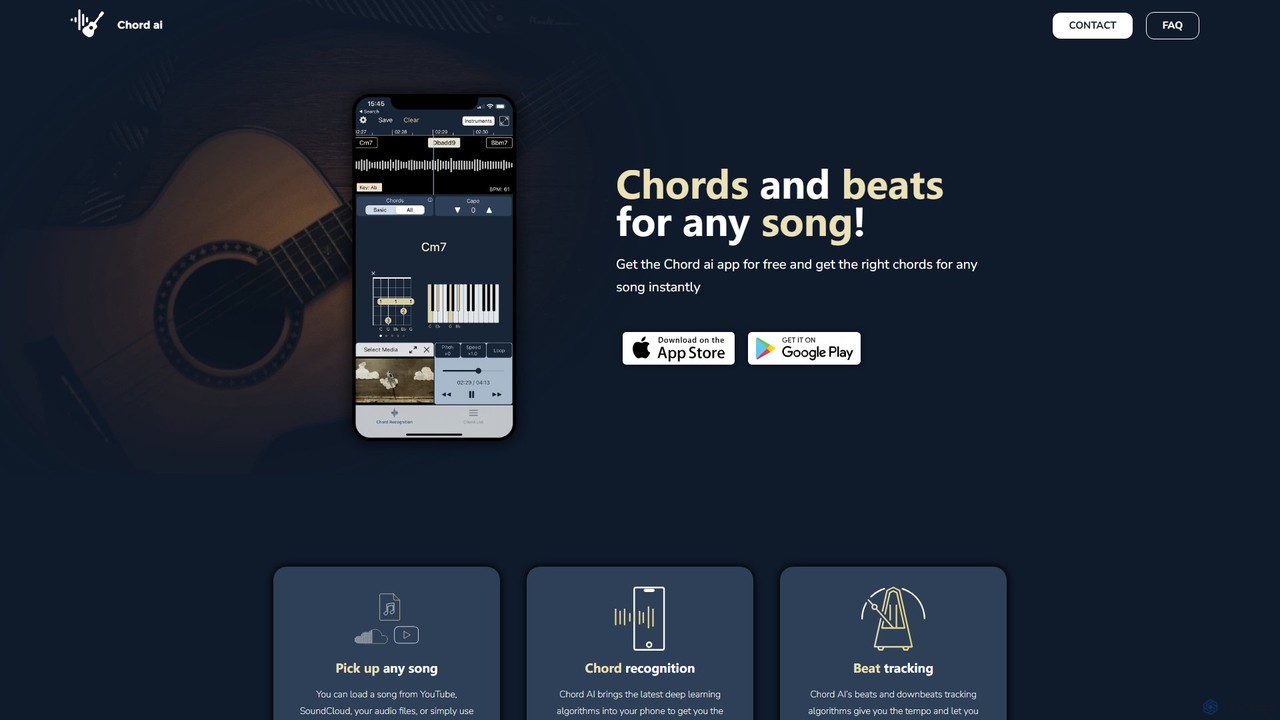
Chord ai

Chord ai is an AI-powered mobile app that instantly analyzes any song to provide accurate chords, tempo, and …

197.0K
Lamucal

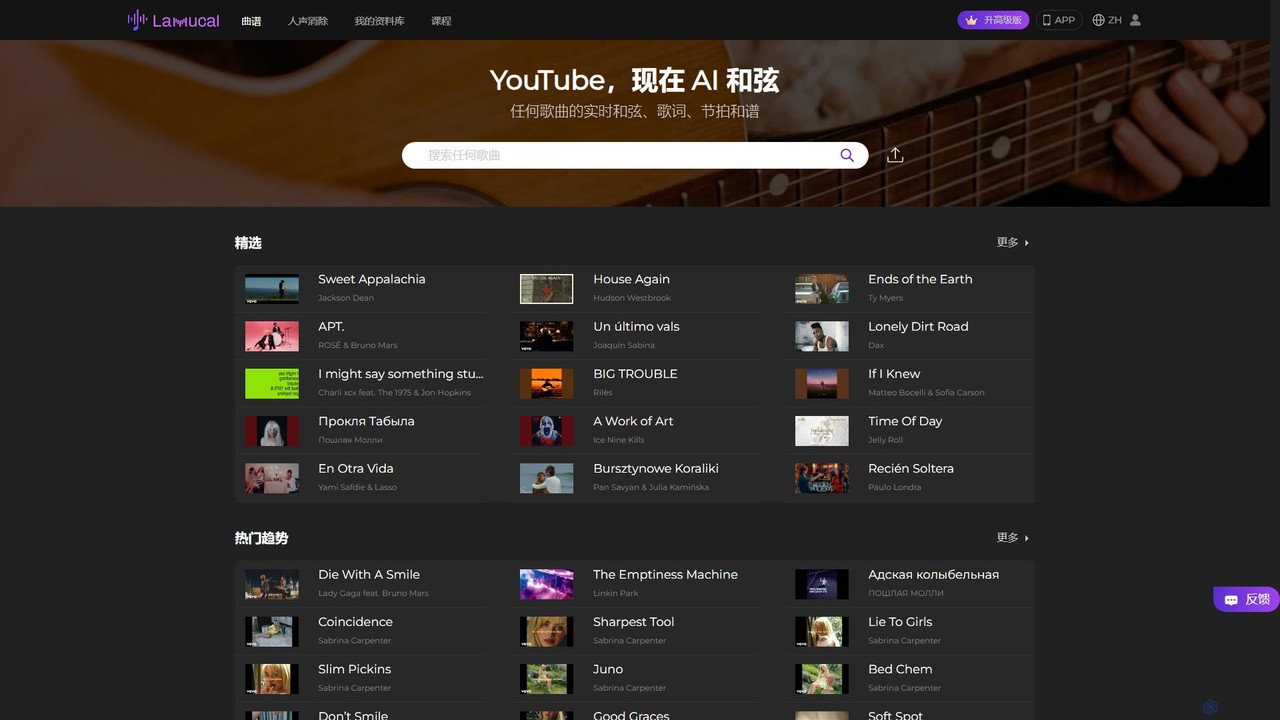
Lamucal

Lamucal is an AI-powered music tool that automatically generates accurate chords and lyrics for any song from audio …

160.7K
MusoLink

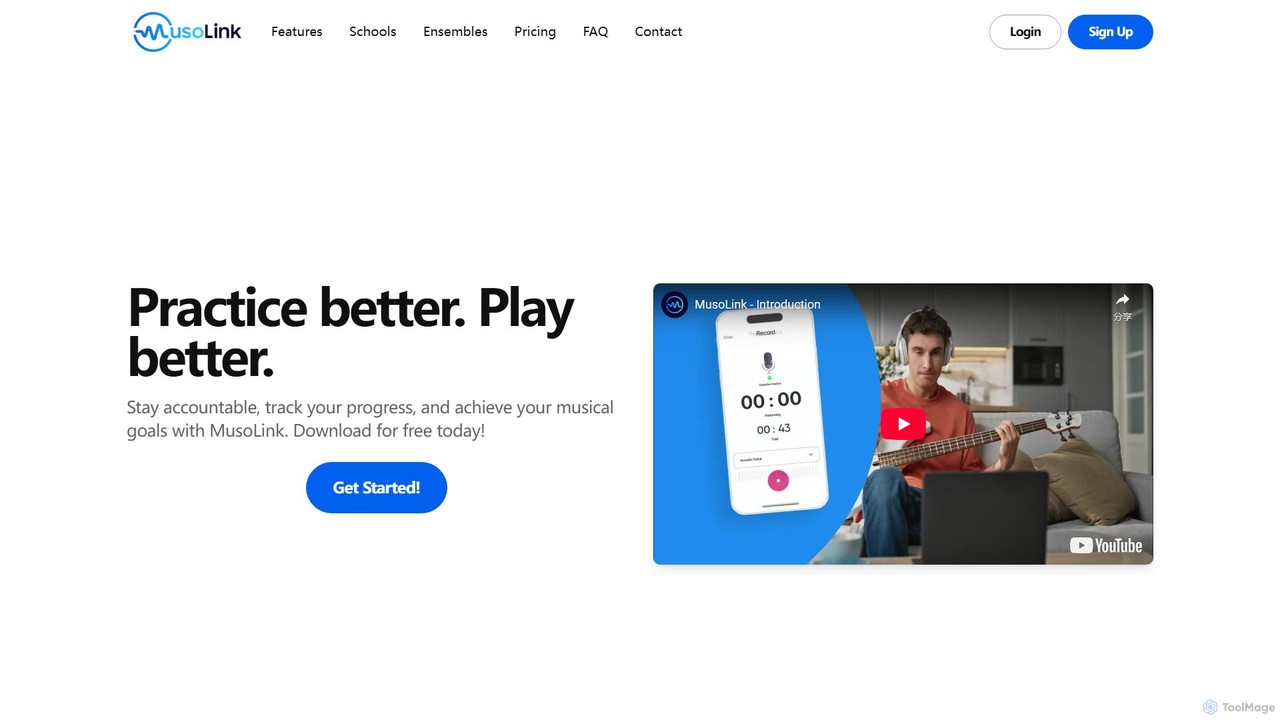
MusoLink

MusoLink is an AI-powered app for musicians that automatically tracks practice time to foster accountability and motivation. It …

3.0K
Notewize

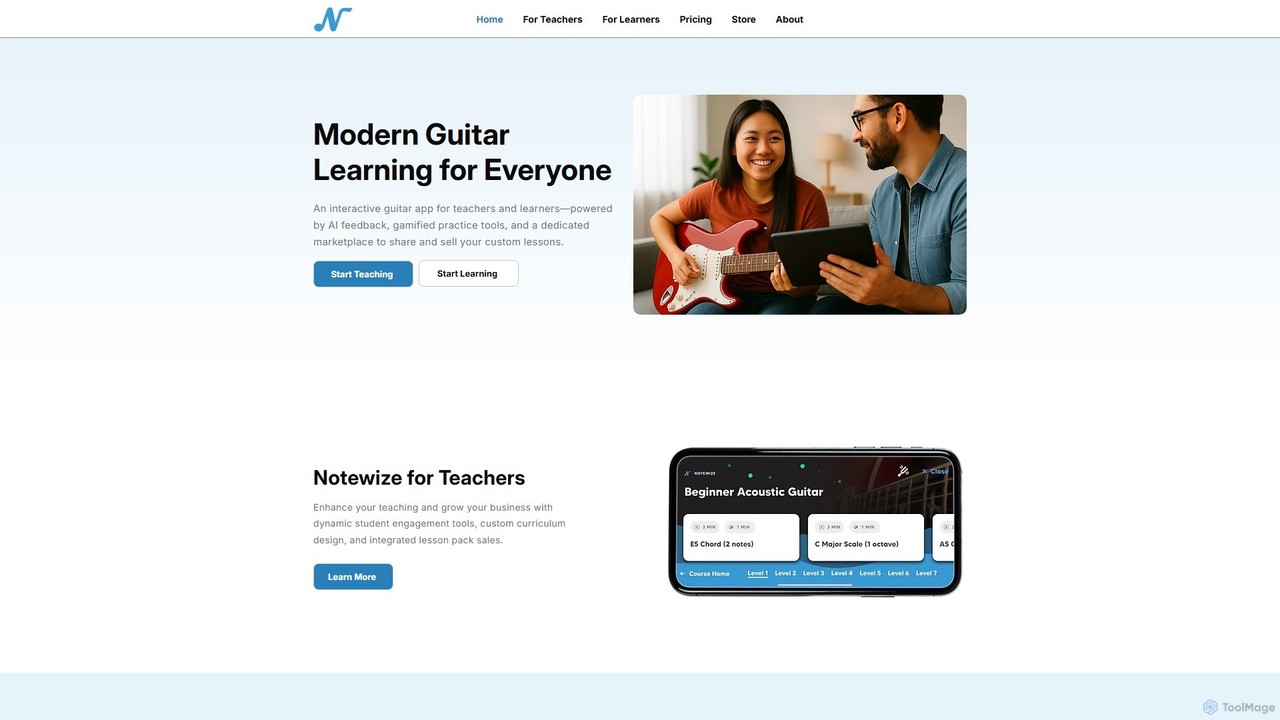
Notewize

An AI-powered interactive guitar app for learners and teachers. Notewize offers real-time feedback, gamified practice tools, and a …

3.6K

About Music Learning

AI Music Learning tools are applications that use artificial intelligence to provide personalized music education and interactive practice feedback. These tools analyze a user's performance in real-time via microphone or MIDI input, identifying inaccuracies in pitch, rhythm, and dynamics. This enables the creation of customized exercises and adaptive learning paths, helping musicians of all levels improve their skills more efficiently. They bridge the gap between static tutorials and a personal instructor by offering immediate, data-driven guidance.

Core Features

  • Real-time Performance Analysis: Instantly evaluates pitch, timing, and note accuracy as you play or sing.
  • Personalized Practice Plans: Generates custom exercises and lesson plans based on your specific weaknesses and goals.
  • Interactive Sheet Music: Displays digital scores that listen and follow along, turning the page automatically or highlighting notes.
  • Ear Training Drills: Offers gamified exercises to improve interval recognition, chord identification, and melodic recall.
  • AI-Powered Music Theory Tutors: Provides interactive lessons and quizzes on fundamental concepts like scales, chords, and harmony.

Use Cases

These tools are ideal for self-taught musicians seeking structured guidance, music students looking for supplementary practice between lessons, and hobbyists wanting to learn a new instrument. Music educators also use them to assign homework and track student progress with detailed performance reports, allowing for more targeted instruction during in-person sessions.

How to Choose

When selecting an AI Music Learning tool, first consider its compatibility with your specific instrument (e.g., piano, guitar, voice, violin). Evaluate the depth and accuracy of its feedback mechanism—does it support both audio and MIDI input? Also, assess the scope of its curriculum to ensure it matches your skill level and learning goals, from beginner fundamentals to advanced techniques. Finally, consider the user interface and pricing model.

Music LearningUse Cases

1

Piano Practice with Real-time Feedback

A beginner piano student uses an AI music learning app connected to their digital piano via MIDI. As they practice a piece by Bach, the app displays the sheet music on a tablet. When the student plays a wrong note or has incorrect timing, the app immediately highlights the error on the score and provides auditory feedback. It waits for the student to play the correct note before proceeding. After the session, the app generates a report showing an accuracy score of 85% and identifies the specific measures that need more practice, saving the teacher time on basic note correction.

2

Vocal Pitch Training for Singers

An amateur singer wants to improve their pitch accuracy for an upcoming choir audition. They use an AI vocal coach app on their smartphone. The app provides various exercises, from simple scales to complex melodies. As the singer performs, the app uses the phone's microphone to analyze their voice and displays their pitch in real-time on a graph, showing how it deviates from the target notes. This visual feedback helps the singer understand when they are sharp or flat and make immediate adjustments, accelerating their ear training and muscle memory development without needing a live accompanist.

3

Guitar Chord and Technique Correction

A self-taught guitarist is learning the F major barre chord, a common challenge for beginners. They use an AI guitar learning tool that listens through the device's microphone. When they strum the chord, the AI analyzes the sound and reports that the B string is muted. It then suggests applying more pressure with the index finger. For a different exercise on strumming patterns, the AI provides a rhythm to follow and gives a score based on timing accuracy. This targeted feedback helps the guitarist overcome specific technical hurdles much faster than by simply watching video tutorials.

4

Personalized Music Theory Drills

A university music student is preparing for a final exam in music theory. They use an AI tutor that adapts to their knowledge level. Initially, the student takes a diagnostic test. The AI identifies a weakness in identifying minor scale variations (natural, harmonic, melodic). Based on this, the AI generates a series of targeted quizzes and ear training exercises focused specifically on these scales. As the student's performance improves, the AI introduces more complex concepts like chord progressions within these minor keys, ensuring an efficient and personalized study session that focuses on areas needing the most improvement.

5

Interactive Sight-Reading Practice

A violinist wants to improve their sight-reading skills, which requires quick recognition of notes and rhythms. They use an AI tool that generates an endless supply of new, short musical pieces tailored to their current skill level. The app displays a piece on screen and uses the device's microphone to listen as the violinist plays. The music on the screen only advances once the correct note is played, forcing the user to accurately read each note. This 'listen and wait' mode turns a traditionally solitary practice into an interactive and more engaging exercise, building confidence and speed.

6

Tracking Student Progress for Music Teachers

A piano teacher manages 20 students and finds it difficult to monitor their daily practice habits. She integrates an AI music learning platform into her curriculum. She assigns specific pieces and exercises through the platform for homework. Each student's practice session is recorded, and the AI generates a detailed report for the teacher, highlighting metrics like time practiced, accuracy percentage, and recurring problem areas. Before each lesson, the teacher reviews these reports, allowing her to tailor the lesson plan to address each student's specific challenges, making her teaching more efficient and data-informed.

Music LearningFrequently Asked Questions