Audio Best in category 3 results Music Creation AI Tool

Popular AI tools in the Music Creation field of Audio include MelodyStudio、Notewize、Riff, etc., helping you quickly improve efficiency.

MelodyStudio

MelodyStudio

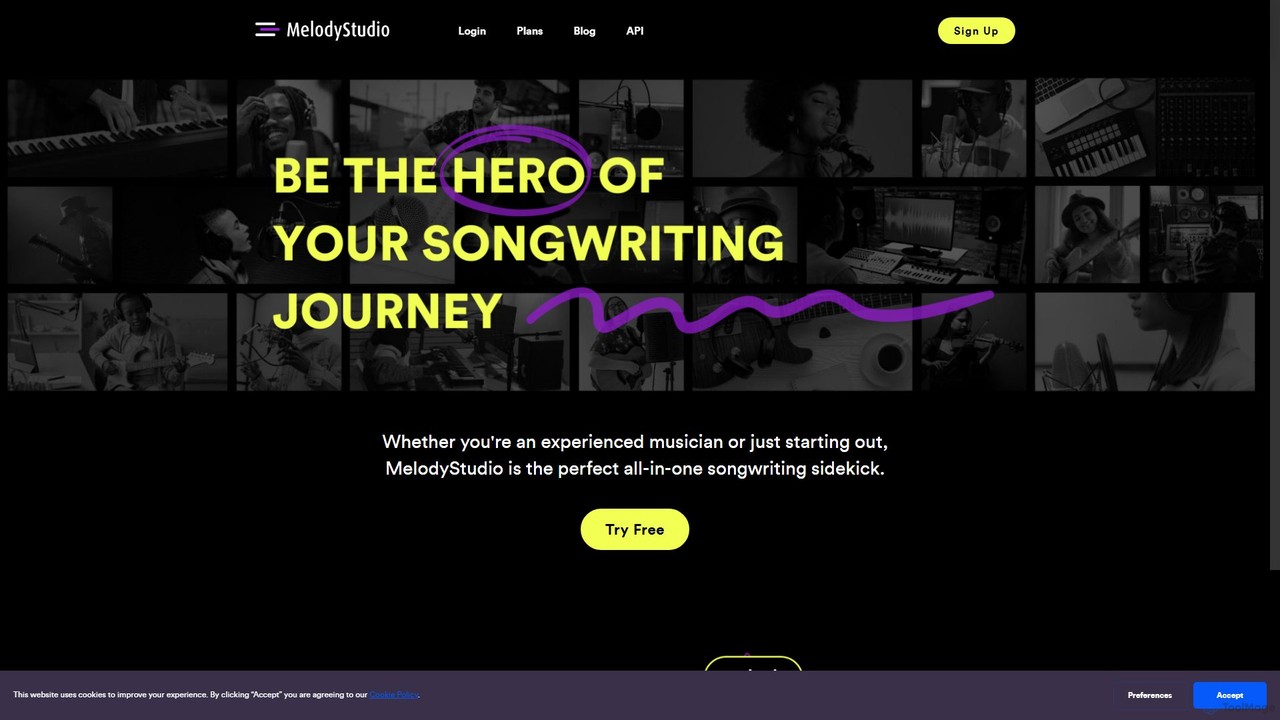
MelodyStudio is an AI-powered songwriting partner that generates original, royalty-free melodies for your lyrics. It's designed for musicians, …

34.6K
Riff

Riff

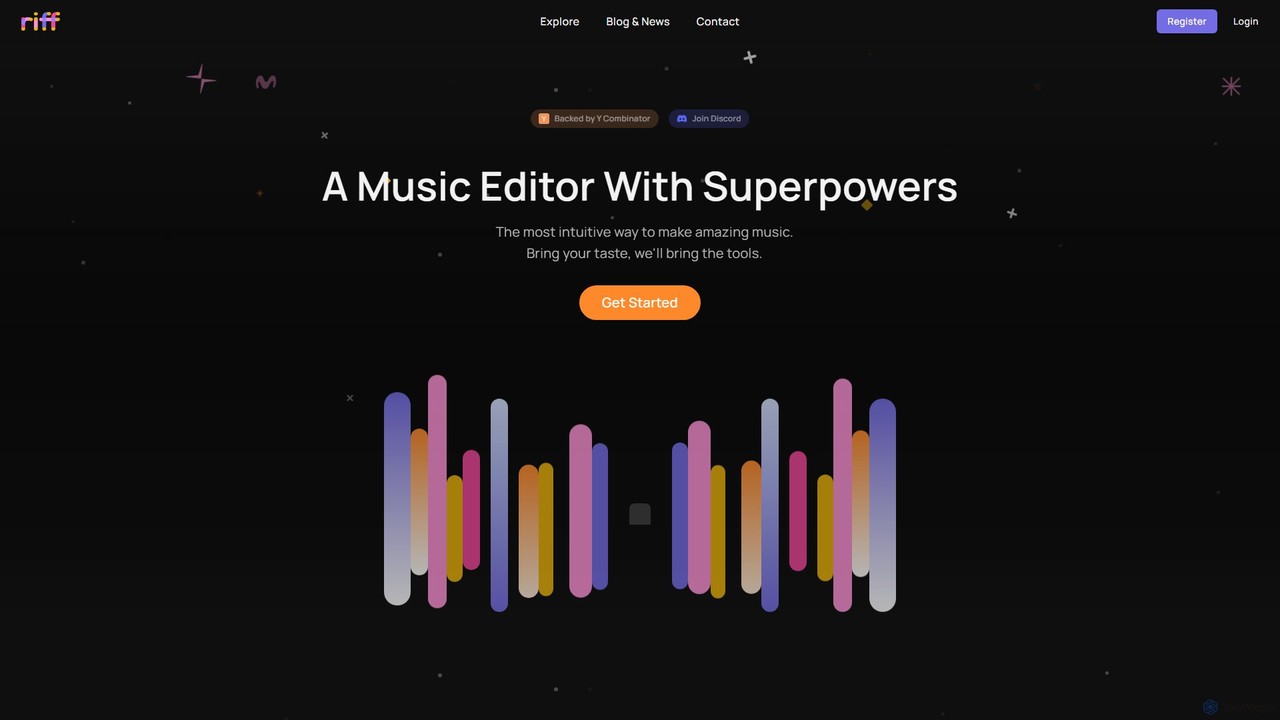
Riff is an AI-powered music editor and collaborative platform designed to make music creation intuitive and fun. Backed …

3.1K
Notewize

Notewize

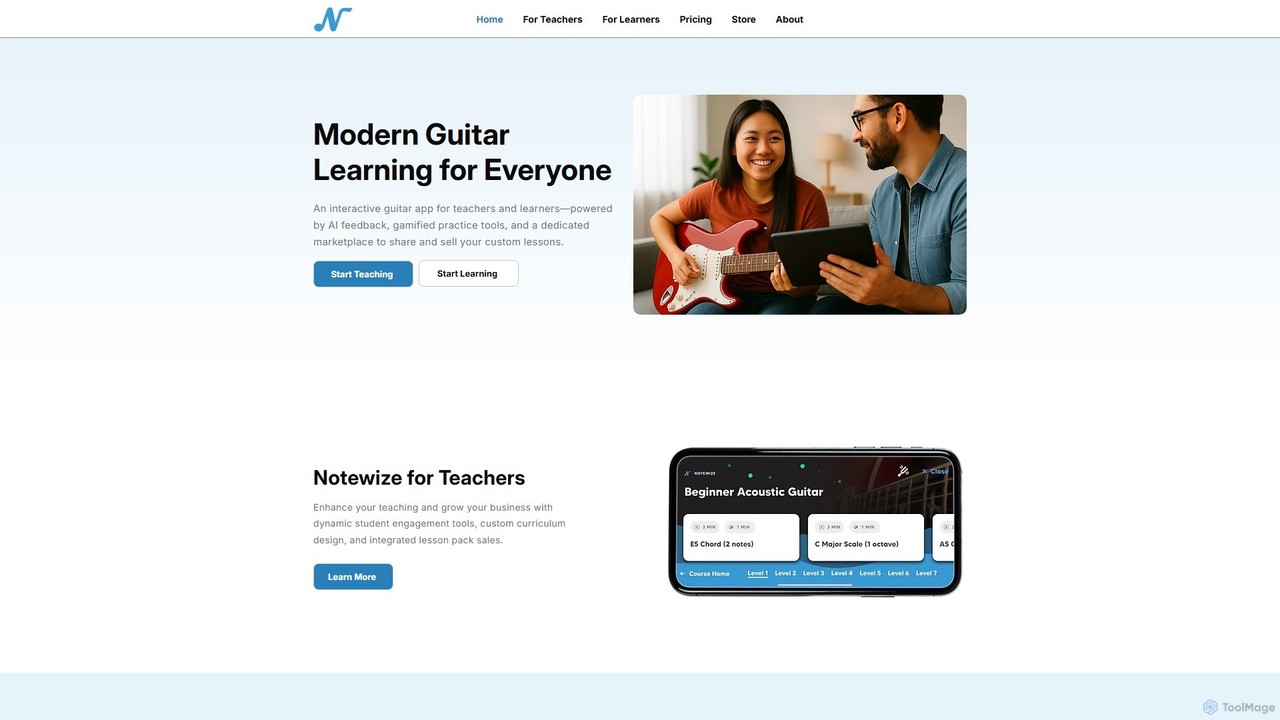
An AI-powered interactive guitar app for learners and teachers. Notewize offers real-time feedback, gamified practice tools, and a …

3.6K

About Music Creation

AI Music Creation tools are a class of software that leverages artificial intelligence to generate original musical compositions. These tools utilize deep learning models, such as generative adversarial networks (GANs) or transformers, to produce unique melodies, harmonies, and rhythms based on user inputs like text prompts, genres, or moods. They provide a powerful solution for creators who need custom, royalty-free soundtracks without the complexities of music licensing or the cost of hiring a composer. This technology enables rapid production of audio for videos, games, podcasts, and marketing campaigns.

Core Features

  • Text-to-Music Generation: Creates complete musical pieces from descriptive text prompts specifying genre, mood, and instruments.
  • Genre and Mood Customization: Allows users to select from a wide range of styles (e.g., cinematic, lo-fi, electronic) and emotional tones (e.g., happy, dramatic, calm).
  • Instrument and Stem Control: Provides the ability to generate and export individual instrument tracks (stems) like drums, bass, and melody for advanced mixing.
  • Melody-to-Composition: Expands a simple user-provided melody or chord progression into a fully orchestrated arrangement.
  • Royalty-Free Licensing: Offers clear licensing terms, often for commercial use, eliminating copyright concerns for creators.

Use Cases

These tools are widely used by video content creators for YouTube, social media managers for ad campaigns, and indie game developers for in-game soundtracks. Podcasters also use them to create unique intro and outro music, while app developers integrate them to produce dynamic soundscapes for their applications.

How to Choose

When selecting an AI Music Creation tool, consider the audio output quality (e.g., sample rate, bit depth), the depth of customization options (e.g., track length, tempo, key), and the clarity of the licensing terms for commercial use. Also, evaluate the user interface's ease of use and whether the platform offers API access for integration into other workflows.

Music CreationUse Cases

1

Generating Background Music for YouTube Videos

A content creator needs a unique, mood-specific soundtrack for their weekly travel vlog. Instead of spending hours searching stock music sites and risking copyright claims, they use an AI music creation tool. They input a prompt like 'uplifting, adventurous cinematic track with orchestral strings and light percussion, 3 minutes long'. Within moments, the AI generates several options. The creator selects the best fit, slightly adjusts the tempo, and downloads a high-quality, royalty-free audio file, saving significant time and ensuring their video has a unique auditory identity.

2

Creating Soundtracks for Indie Games

An indie game developer is working on a fantasy RPG and needs adaptive music for different scenarios: exploration, combat, and village life. Hiring a composer is beyond their budget. Using an AI music generator, the developer creates a core theme by inputting 'epic fantasy adventure, orchestral, heroic'. Then, they generate variations by adding keywords like 'tense combat percussion' for battles or 'calm, peaceful flutes' for villages. The tool allows them to export stems, giving them control to layer and trigger different musical elements dynamically within the game engine, resulting in a professional and immersive soundtrack.

3

Crafting Unique Podcast Intros and Outros

A podcaster wants to establish a strong brand identity with custom intro, outro, and transition music. They use an AI music tool to generate a short, catchy jingle. Their prompt is '15-second modern pop jingle, upbeat and motivational, with a simple synth melody'. After generating a few options, they find one that perfectly matches their show's tone. They then create slightly different versions for transitions by asking the AI to remove the drums or change the main instrument. This provides a cohesive yet varied audio branding package without any musical skill or licensing fees.

4

Producing Music for Social Media Ads

A marketing team for a fashion brand needs to create multiple short video ads for Instagram and TikTok, each requiring engaging background music. To maximize engagement, they want to A/B test different audio tracks. Using an AI music creator, they input 'energetic, trendy future bass for fashion promo' and generate five distinct 15-second clips in minutes. This allows them to quickly produce several ad variations and deploy them to test which soundtrack resonates best with their target audience, optimizing their ad spend and improving campaign performance without a large audio production budget.

5

Overcoming Writer's Block for Musicians

A music producer is feeling uninspired and struggling to start a new track. To break the creative block, they turn to an AI music creation tool. They input a simple prompt like 'lo-fi hip hop drum loop, 90 bpm, jazzy chords'. The AI generates several foundational ideas. The producer listens through them, finds a chord progression they like, and exports it as a MIDI file. They then import this MIDI into their Digital Audio Workstation (DAW), change the instrument, and start building a new, original song around the AI-generated foundation. The tool acts as a creative partner, providing a starting point rather than a final product.

6

Integrating Dynamic Soundscapes into Apps

A developer of a meditation and wellness app wants to provide users with endless, non-repeating ambient soundscapes. Manually creating hours of audio is impractical. Instead, they integrate an AI music generation API into their app. When a user starts a session, the app sends a request to the API like 'generate calm, ambient soundscape with gentle rain and soft piano'. The API streams a unique piece of music in real-time. This ensures that every user session has a fresh audio background, enhancing user retention and providing a premium, dynamic experience that static audio loops cannot match.

Music CreationFrequently Asked Questions