
ToolMage
Sign in

Best 1 Gifting AI tools for Social & Fun

Popular Gifting AI tools in Social & Fun include Likiee, helping you work more efficiently.

Likiee
Free

Likiee

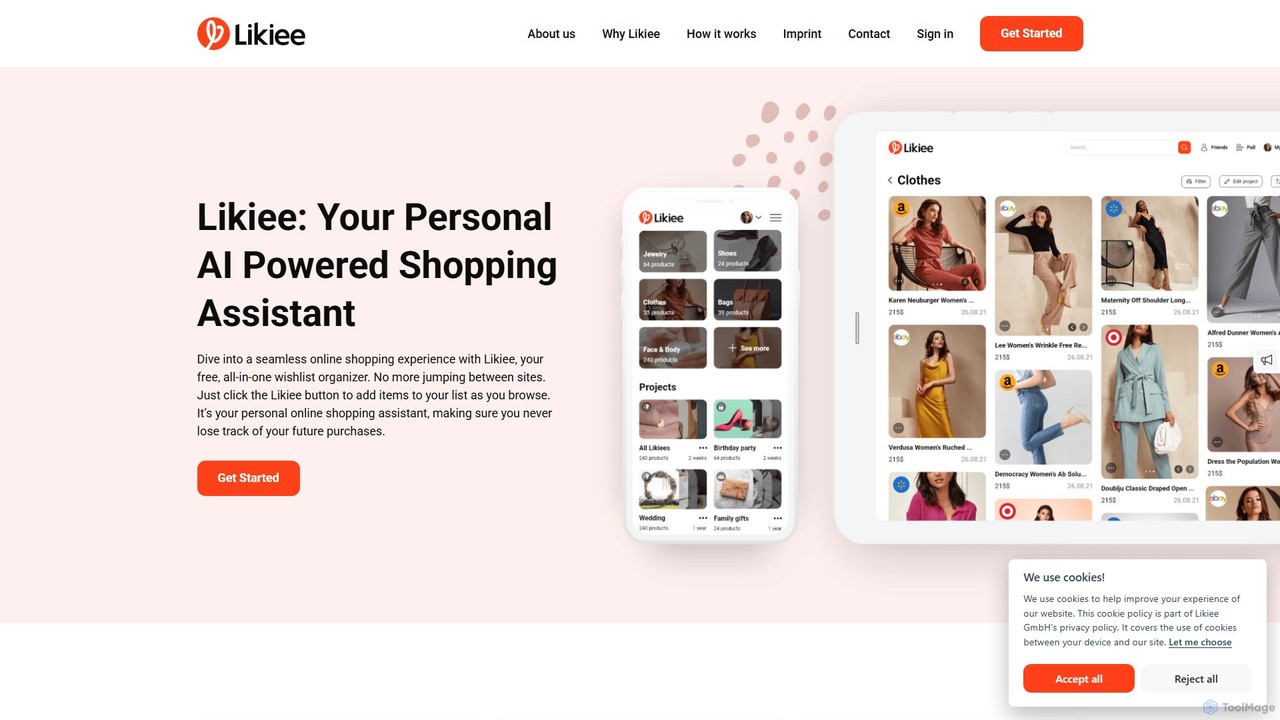
Likiee is a free, AI-powered shopping assistant that centralizes your online shopping. It allows you to save items from any store into a single, organized wishlist using a browser extension or photo upload. The AI categorizes products, finds better deals, tracks prices, and enables you to create sharable gift registries and community polls for smarter purchasing decisions.

Shopping Assistant
Visits 6.1KFavorites 115Likes 112

About Gifting

AI Gifting tools are intelligent platforms designed to simplify and enhance the process of selecting, personalizing, and managing gifts. These tools leverage advanced AI algorithms to analyze recipient preferences, past interactions, and current trends, offering highly relevant and thoughtful gift suggestions. They aim to transform the often-stressful task of gift-giving into a seamless and joyful experience, ensuring every present is unique and appreciated.

Core Features

  • Personalized Suggestions: Generates gift ideas tailored to the recipient's interests, hobbies, and past behaviors.
  • Recipient Profiling: Builds detailed profiles based on social media, purchase history, and user input to refine suggestions.
  • Gift List Management: Organizes gift lists for multiple recipients, tracking purchases and delivery statuses.
  • Budget Optimization: Helps users stay within their spending limits by suggesting gifts across various price points.
  • Customizable Gift Creation: Offers options to personalize physical or digital gifts with unique designs or messages.

Use Cases

These tools are invaluable for individuals planning special occasions like birthdays or anniversaries, ensuring a truly unique and thoughtful present. Businesses also utilize them for corporate gifting programs, efficiently selecting personalized appreciation gifts for clients or employees. Event planners can leverage AI gifting to customize attendee welcome packages, making every guest feel uniquely valued.

How to Choose

When selecting an AI Gifting tool, consider the depth of its personalization capabilities and the range of gift categories it covers. Evaluate its ease of use and the intuitiveness of its interface, especially for managing multiple recipients. Look for robust budget tracking features and the ability to integrate with popular e-commerce platforms for seamless purchasing. Finally, assess its data privacy policies to ensure recipient information is handled securely.

Gifting use cases

1

Personalized Birthday Gift Selection

An individual user, struggling to find a unique birthday gift for a close friend, inputs their friend's social media handles and a few known interests into an AI gifting tool. The AI analyzes this data, cross-references it with current trends, and suggests several highly personalized gift ideas, complete with purchase links. This saves hours of browsing and ensures a thoughtful, well-received present.

2

Corporate Client Appreciation Gifting

A marketing manager needs to send personalized appreciation gifts to 50 key clients across different industries and locations. The AI gifting platform allows the manager to upload client profiles, including job roles and company sizes. The tool then recommends appropriate corporate gifts, manages the selection process, and even coordinates shipping, ensuring each client receives a relevant and professional token of gratitude efficiently.

3

Holiday Season Gift Planning & Budgeting

A family organizer faces the annual challenge of buying gifts for numerous relatives during the holiday season while adhering to a strict budget. The AI gifting tool helps by creating a comprehensive gift list, tracking individual spending limits, and suggesting gifts based on each family member's profile. It also identifies potential deals and discounts, significantly reducing stress and ensuring thoughtful gifts for everyone within budget.

4

Event Attendee Welcome Gift Customization

An event planner is organizing a tech conference and wants to provide personalized welcome gifts for 200 attendees. By integrating the AI gifting tool with the registration system, the planner can leverage attendee data like preferred tech interests or dietary restrictions. The AI then suggests customizable gift items, such as branded tech gadgets or gourmet snack boxes, making each attendee feel uniquely acknowledged and enhancing their overall event experience.

5

Last-Minute Thoughtful Gift Ideas

A busy professional suddenly remembers a colleague's farewell party is tonight and needs a thoughtful gift quickly. The AI gifting tool, with minimal input about the colleague's general interests (e.g., "loves coffee" or "enjoys reading"), rapidly generates a list of readily available or digital personalized gift options. This allows the user to procure a meaningful gift without extensive searching, saving time and avoiding a generic present.

6

Subscription Box Content Personalization

A subscription box company aims to increase customer retention by offering highly personalized monthly boxes. They integrate an AI gifting tool with their customer feedback and purchase history data. The AI analyzes individual subscriber preferences, past ratings, and emerging product trends to curate optimal item combinations for each box. This ensures subscribers receive items they genuinely desire, leading to higher satisfaction and reduced churn.

Gifting FAQ

What are AI Gifting tools?

AI Gifting tools are software applications that use artificial intelligence to assist users in finding, personalizing, and managing gifts. They analyze data such as recipient preferences, past purchases, and social media activity to generate highly relevant and thoughtful gift suggestions. Their primary goal is to streamline the gift-giving process, making it more efficient, personalized, and enjoyable for both the giver and the receiver.

How do I choose the best AI Gifting tool for my needs?

When selecting an AI Gifting tool, consider several factors. First, evaluate its personalization depth – how accurately does it match gifts to recipients? Second, check the breadth of its gift categories and vendor integrations. Third, assess its ease of use, especially for managing multiple recipients and budgets. Finally, prioritize tools with strong data privacy policies, ensuring your and your recipients' information is handled securely and ethically.

What specific features do AI Gifting tools offer to enhance the gifting experience?

AI Gifting tools offer a range of features designed to enhance the gifting experience. These include advanced algorithms for personalized gift suggestions based on recipient data, comprehensive gift list management to track purchases and delivery, and budget optimization tools to help control spending. Many also provide options for customizable gift creation, such as personalized messages or designs, and integration with e-commerce platforms for seamless purchasing.

How can AI Gifting tools help reduce stress during peak gifting seasons?

During peak gifting seasons like holidays, AI Gifting tools significantly reduce stress by automating and streamlining many aspects of the process. They eliminate the guesswork by providing tailored suggestions, help manage extensive gift lists for multiple recipients, and track budgets to prevent overspending. By offering efficient solutions for selection, personalization, and logistics, these tools free up users to focus on the joy of giving rather than the associated pressures.

Are AI Gifting tools secure with personal data, and how do they protect privacy?

Reputable AI Gifting tools prioritize data security and privacy. They typically employ encryption for personal information, adhere to strict data protection regulations (like GDPR or CCPA), and often use anonymized data for trend analysis. Users usually have control over the data they share, with options to manage or delete recipient profiles. It's crucial to choose tools from trusted providers that clearly outline their privacy policies and data handling practices.