Social & Fun Best in category 1 results Personalized Recommendations AI Tool

Popular AI tools in the Personalized Recommendations field of Social & Fun include ootd_rate, etc., helping you quickly improve efficiency.

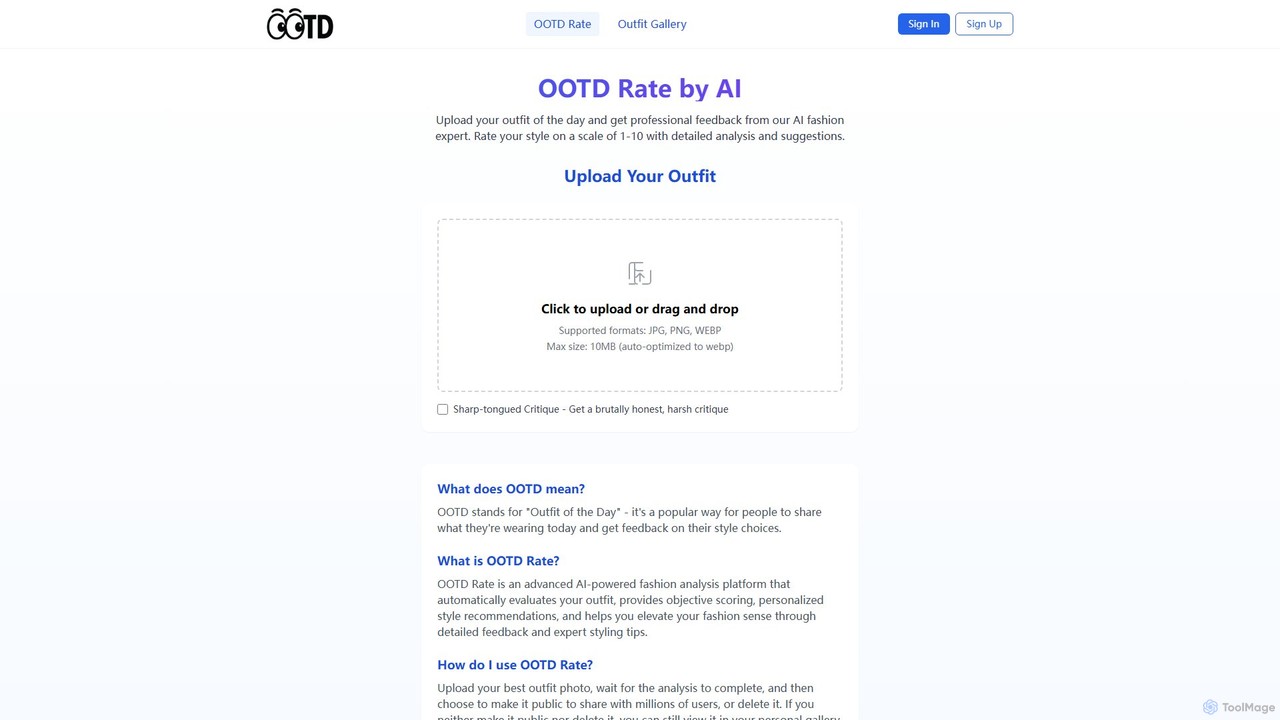
ootd_rate

ootd_rate

ootd_rate is an AI-powered fashion expert that analyzes and rates your 'Outfit of the Day' (OOTD) on a …

3.4K

About Personalized Recommendations

Personalized Recommendations tools are a class of AI systems that analyze user data to predict and suggest relevant content, products, or services. These tools utilize machine learning algorithms, such as collaborative and content-based filtering, to understand individual preferences from behaviors like clicks, views, and purchases. Their primary value lies in enhancing user engagement, increasing conversion rates, and improving customer retention on digital platforms. By delivering tailored experiences, they make discovery more intuitive and satisfying for users.

Core Features

  • Behavioral Data Analysis: Tracks and interprets user interactions like clicks, watch time, and purchase history to build a preference profile.
  • Collaborative Filtering: Recommends items by identifying patterns among users with similar tastes.
  • Content-Based Filtering: Suggests items that share attributes with those a user has previously shown interest in.
  • Real-Time Adaptation: Instantly updates recommendations based on the user's most recent actions and context.
  • Hybrid Models: Combines multiple recommendation strategies to improve accuracy and overcome limitations of single-algorithm approaches.

Use Cases

These tools are integral to e-commerce platforms for suggesting products, streaming services for recommending movies or music, and news aggregators for curating article feeds. They are also the engine behind personalized content feeds on social media, helping to maximize user time on the platform by showing the most relevant posts and videos.

How to Choose

When selecting a Personalized Recommendations tool, consider the type of algorithms offered (collaborative, content-based, hybrid) and their suitability for your data. Evaluate its data integration capabilities with your existing systems, its scalability to handle your user base and item catalog, and the level of control it provides for implementing custom business rules or promotional logic.

Personalized RecommendationsUse Cases

1

Enhance E-commerce Cross-selling

An e-commerce manager for an online fashion retailer uses a personalized recommendation tool to increase average order value. The tool integrates with the store's product catalog and customer data. When a customer adds an item to their cart, the system analyzes past purchase data from similar users and displays sections like 'Complete the Look' or 'Frequently Bought Together'. This suggests complementary products like shoes or accessories, encouraging additional purchases and boosting revenue per transaction without manual curation.

2

Curate Personalized Streaming Content

A product manager at a video streaming service aims to reduce churn by improving content discovery. They implement a recommendation engine that personalizes the user's homepage. The AI analyzes viewing history, ratings, genre preferences, and even the time of day a user watches. It then populates carousels like 'Top Picks for You', 'Because You Watched...', and 'New Releases You Might Like'. This tailored experience helps users quickly find content they love, increasing session duration and long-term subscriber loyalty.

3

Automate Personalized Music Playlists

A music streaming app developer wants to drive daily engagement. They use a recommendation AI to automatically generate personalized playlists for each user, such as 'Discovery Weekly' or 'Daily Mix'. The algorithm analyzes listening habits, skipped tracks, liked songs, and even the listening patterns of users with similar music tastes. This creates a continuous stream of fresh, relevant music, encouraging users to open the app daily and fostering a sense of personal curation that builds strong brand affinity.

4

Deliver a Personalized News Feed

An editor at a digital news publication uses a recommendation system to combat information overload for their readers. The system tracks which articles a user reads, the topics they engage with, and the authors they follow. Based on this data, it curates a unique 'For You' section on the homepage and in the daily newsletter. This ensures readers see the stories most relevant to their interests first, increasing the likelihood they will read more articles per session and view the publication as their primary news source.

5

Suggest Relevant Travel Destinations

A product team at an online travel agency wants to inspire users to book their next trip. They deploy a recommendation engine that analyzes a user's search history, past bookings, and stated preferences (e.g., 'beach', 'city break', 'adventure'). The system then presents personalized travel guides, destination suggestions, and hotel deals on the homepage. For example, a user who previously booked a ski trip to Aspen might see recommendations for Whistler or the Swiss Alps, increasing the chances of a new booking by presenting highly relevant options.

6

Power a Social Media 'For You' Feed

A social media platform's growth team focuses on maximizing user session time. They utilize a sophisticated recommendation algorithm to power the main 'For You' feed. This AI constantly learns from every user interaction—what videos they watch to completion, what content they share, which accounts they follow, and even what they scroll past quickly. It then delivers a highly addictive, endless stream of content tailored to each user's implicit interests, which is a key factor in driving daily active usage and overall platform growth.

Personalized RecommendationsFrequently Asked Questions