
Sports Best in category 1 results Athletic Training AI Tool

Popular AI tools in the Athletic Training field of Sports include peakstrength, etc., helping you quickly improve efficiency.

peakstrength

peakstrength

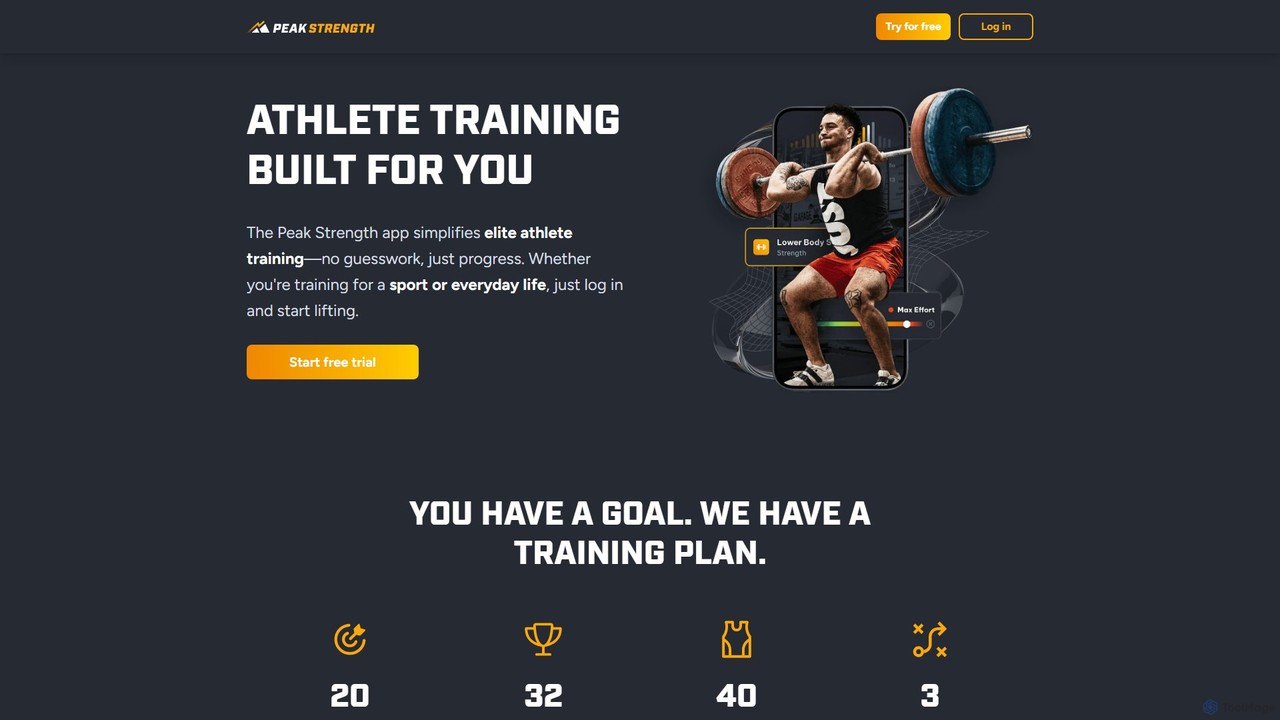
Peak Strength is an AI-powered training app designed for athletes of all levels. It delivers personalized strength, speed, …

42.4K

About Athletic Training

AI Athletic Training tools are specialized platforms that use machine learning and computer vision to analyze and optimize athlete performance. They process vast amounts of data, including biomechanical movements from video and physiological metrics from wearables, to provide deep insights. This enables the creation of highly personalized training programs designed to maximize gains and minimize injury risk. These tools move beyond generic plans, offering data-driven feedback specific to an individual's body and goals.

Core Features

  • Biomechanical Analysis: Utilizes computer vision to deconstruct movement patterns, offering precise feedback on form and technique.
  • Personalized Plan Generation: Creates adaptive training schedules based on performance, fatigue, and recovery data.
  • Injury Risk Prediction: Analyzes workload and movement asymmetries to identify athletes at a higher risk of injury.
  • Physiological Monitoring: Integrates with wearables to track metrics like heart rate variability (HRV), sleep quality, and strain.
  • Performance Forecasting: Employs predictive models to project future athletic outcomes and guide training adjustments.

Use Cases

These tools are primarily used by professional sports teams, elite individual athletes, sports scientists, and physical therapists to gain a competitive edge and support rehabilitation. They are valuable in environments where marginal gains can determine success, such as in Olympic training or professional leagues.

How to Choose

When selecting a tool, consider its sport-specific analysis capabilities, as a model for swimming differs from one for weightlifting. Evaluate its compatibility with your existing wearables and video equipment. Also, assess the depth of the feedback provided and whether it offers features for team management if you are a coach.

Athletic TrainingUse Cases

1

Optimize Running Gait for Marathon Training

A long-distance runner uploads videos of their training runs to an AI platform. The tool's computer vision analyzes their gait, identifying subtle inefficiencies like over-striding or excessive vertical oscillation. It provides specific, actionable feedback and drills to correct these issues. By implementing these changes, the runner improves their running economy, reduces the risk of common injuries like shin splints, and can sustain a faster pace for longer durations, ultimately leading to better race times.

2

Personalize Strength Training Programs

A strength coach uses an AI tool to manage a weightlifter's program. The athlete wears a sensor or is filmed during lifts. The AI analyzes bar speed, movement path, and form consistency for each repetition. Based on this data and the athlete's reported sleep and recovery scores from a wearable, the platform automatically adjusts the next day's training volume and intensity, preventing overtraining while ensuring progressive overload for optimal strength gains.

3

Prevent Team Injuries in Soccer

A sports science department for a professional soccer team uses an AI system to monitor player load and injury risk. The platform integrates GPS data from training sessions, player wellness questionnaires, and historical injury data. It flags players who show signs of fatigue or exhibit movement patterns associated with a high risk of non-contact injuries, such as hamstring strains. This allows coaches to proactively modify a player's training or schedule rest days, keeping the squad healthier throughout the season.

4

Refine Swimming Stroke Technique

An elite swimmer and their coach use an AI video analysis tool to gain a competitive edge. They upload underwater and above-water footage of the swimmer's strokes. The AI breaks down each phase of the stroke—catch, pull, and recovery—providing precise metrics on stroke length, rate, and body roll. The visual overlays and data help the swimmer make micro-adjustments to their technique, leading to reduced drag and increased propulsion in the water.

5

Track Post-Injury Rehabilitation Progress

A physical therapist works with an athlete recovering from an ACL surgery. They use an AI motion analysis tool, which only requires a smartphone camera, to track the athlete's progress. The tool objectively measures joint angles, stability, and movement symmetry during rehabilitation exercises like squats and lunges. This quantitative data helps the therapist tailor the recovery plan precisely and provides the athlete with clear, visual feedback on their improvement over time.

6

Identify Athletic Potential in Young Athletes

A sports academy uses AI-powered assessment tools for talent identification. Prospective young athletes perform a series of standardized athletic tests, such as vertical jumps and agility drills, which are recorded on video. The AI analyzes their biomechanics, measuring factors like power output, movement efficiency, and coordination. This provides scouts with objective data to supplement their traditional observations, helping them identify individuals with high athletic potential who may benefit most from specialized training.

Athletic TrainingFrequently Asked Questions