footagentexam
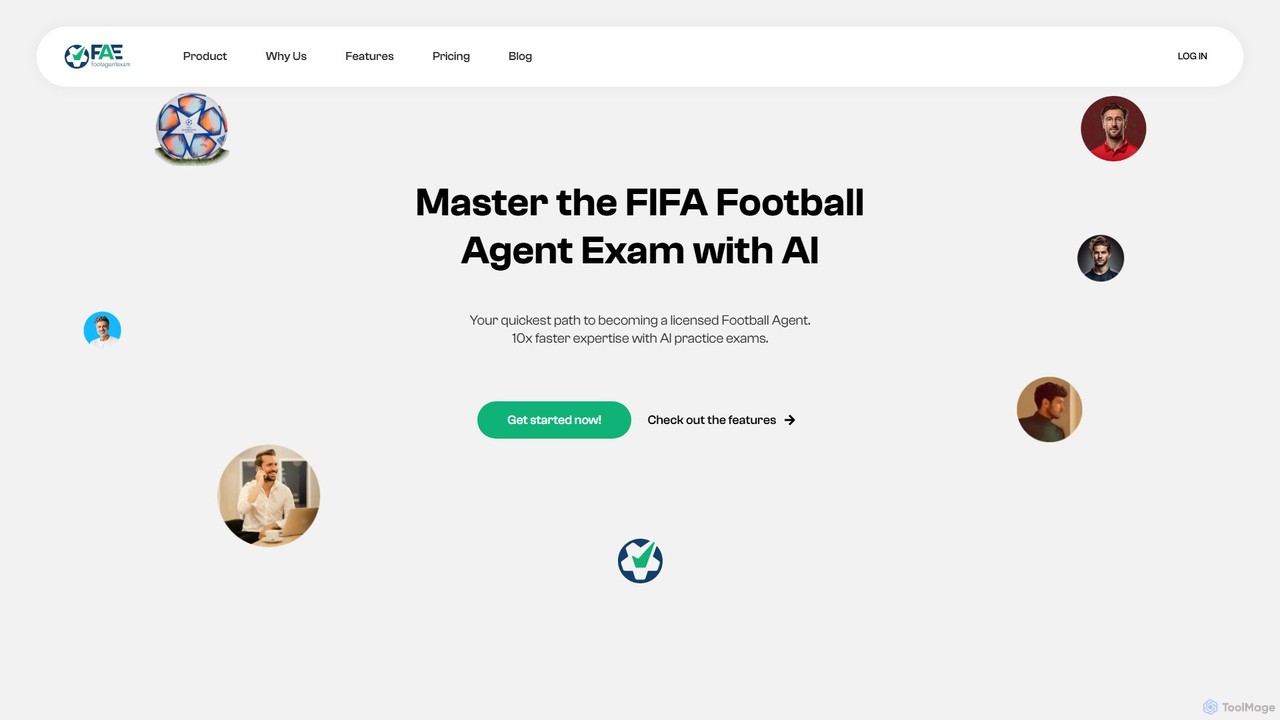
An AI-powered platform designed to help aspiring football agents prepare for the official FIFA Football Agent Exam. It …
An AI-powered platform designed to help aspiring football agents prepare for the official FIFA Football Agent Exam. It offers interactive quizzes based on real-world scenarios and FIFA regulations, provides immediate, detailed feedback, and uses an AI-powered search to act as an instant mentor. The platform aims to make users not just exam-ready, but fully prepared for a career in football management.
About Management
AI Sports Management tools are specialized platforms that leverage data analytics, machine learning, and automation to optimize the operations of sports organizations. These tools analyze vast datasets—from player performance metrics to fan behavior—to provide actionable insights for coaches, managers, and executives. They help improve team performance, enhance fan engagement, and streamline administrative tasks, moving beyond traditional management methods. This data-driven approach enables smarter decision-making in everything from talent scouting to financial planning.
Core Features
- Player Analytics & Scouting: Analyzes performance data and video to identify talent and track player development.
- Team Operations Automation: Streamlines scheduling, travel logistics, and communication for teams and staff.
- Fan Engagement & CRM: Uses data to personalize marketing campaigns, manage ticketing, and increase fan loyalty.
- Predictive Injury Prevention: Monitors athlete workload and biometric data to forecast and mitigate injury risks.
- Financial & Roster Management: Assists with budget planning, contract negotiations, and salary cap optimization.
Use Cases
These tools are essential for professional sports clubs, collegiate athletic departments, sports agencies, and league administrators. For instance, a football club can use AI to scout undervalued players globally, while a league can optimize its season schedule to minimize team travel fatigue and maximize broadcast viewership.
How to Choose
When selecting a tool, consider the specific needs of your sport and organization. Evaluate its data integration capabilities (e.g., with wearable tech, video feeds), the depth of its analytical models, its user-friendliness for coaches and staff, and its scalability. Ensure the platform complies with data privacy regulations for athlete information.

ManagementUse Cases
Automated Player Scouting and Recruitment
A professional soccer club's scouting department uses an AI management tool to analyze video from various leagues worldwide. The system automatically tags key actions, evaluates player performance against predefined metrics (e.g., pass completion, defensive interceptions), and generates a shortlist of high-potential players who fit the team's specific tactical needs. This process reduces manual video analysis time by over 80% and uncovers talent that might have been missed by human scouts alone, providing a significant competitive advantage in the transfer market.
Dynamic Ticket and Merchandise Pricing
The commercial director of a basketball arena uses an AI platform to maximize revenue. The tool analyzes historical sales data, opponent popularity, team performance, and even weather forecasts to recommend optimal ticket prices for each game in real-time. It also identifies fan segments likely to purchase merchandise and pushes targeted promotions to their mobile devices during games, leading to a measurable increase in both ticket yield and per-capita spending.
Personalized Athlete Training and Injury Prevention
A collegiate athletics performance coach implements an AI management system to monitor the well-being of student-athletes. The tool integrates data from wearable sensors (tracking sleep, strain, and recovery) with training logs. It generates alerts when an athlete shows signs of overtraining or elevated injury risk, allowing coaches to adjust individual training loads proactively. This data-driven approach helps reduce the incidence of non-contact injuries and ensures players are at peak condition for competitions.
Optimizing Team Strategy and Game Planning
An analytics team for an American football franchise uses an AI tool to prepare for upcoming games. The platform processes years of opponent game footage to identify tactical patterns, player tendencies, and exploitable weaknesses. It runs thousands of simulations to suggest high-probability plays for specific game situations (e.g., 3rd down and long). Coaches use these insights to build a more effective game plan, increasing their chances of success on the field.
Streamlining League and Tournament Scheduling
A national sports league administrator is tasked with creating a fair and efficient season schedule. They use an AI management tool that considers numerous constraints, such as venue availability, team travel distances, broadcast partner requirements, and competitive balance. The AI generates multiple optimized schedule options in hours, a task that would take weeks to complete manually. The final schedule minimizes operational costs and enhances the competitive integrity of the league.
Enhancing Fan Engagement Through AI-Powered Content
A sports team's marketing department uses an AI platform to automate the creation of personalized content for fans. After a game, the system automatically generates highlight clips for individual players, creates custom graphics with key stats, and drafts social media posts. This content is then distributed to fan segments based on their favorite players or location, significantly increasing social media interaction and strengthening the connection between the team and its supporters.