Sports Best in category 4 results Training AI Tool

Popular AI tools in the Training field of Sports include Weightlifting.ai、GymPact、getactyv、Ai Boxing Coach, etc., helping you quickly improve efficiency.

Ai Boxing Coach

Ai Boxing Coach

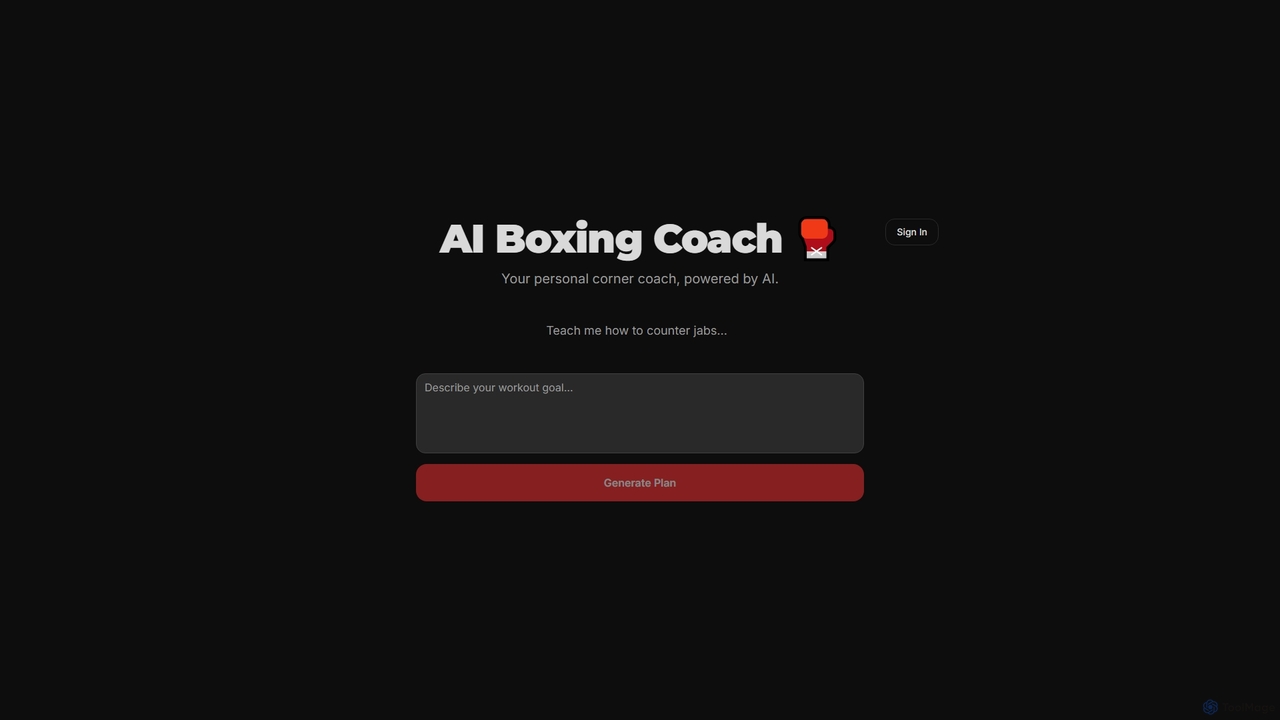
An AI-powered personal corner coach designed to help boxers and enthusiasts improve their skills. Users can ask for …

3.1K
Free
GymPact

GymPact

GymPact is an AI-powered athletic trainer designed to elevate sports performance. It delivers hyper-personalized fitness programs that adapt …

3.5K
getactyv

getactyv

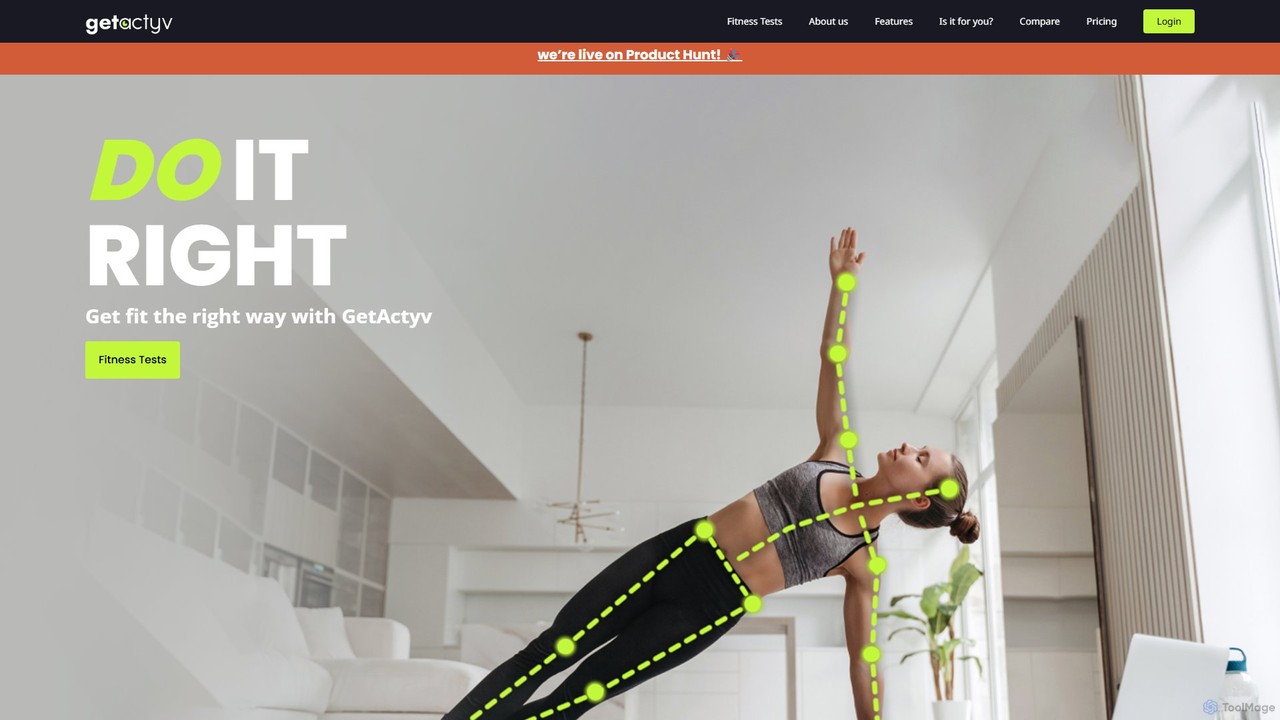
getactyv is an AI and computer vision-powered health and fitness platform that acts as a virtual personal trainer. …

3.1K
Weightlifting.ai

Weightlifting.ai

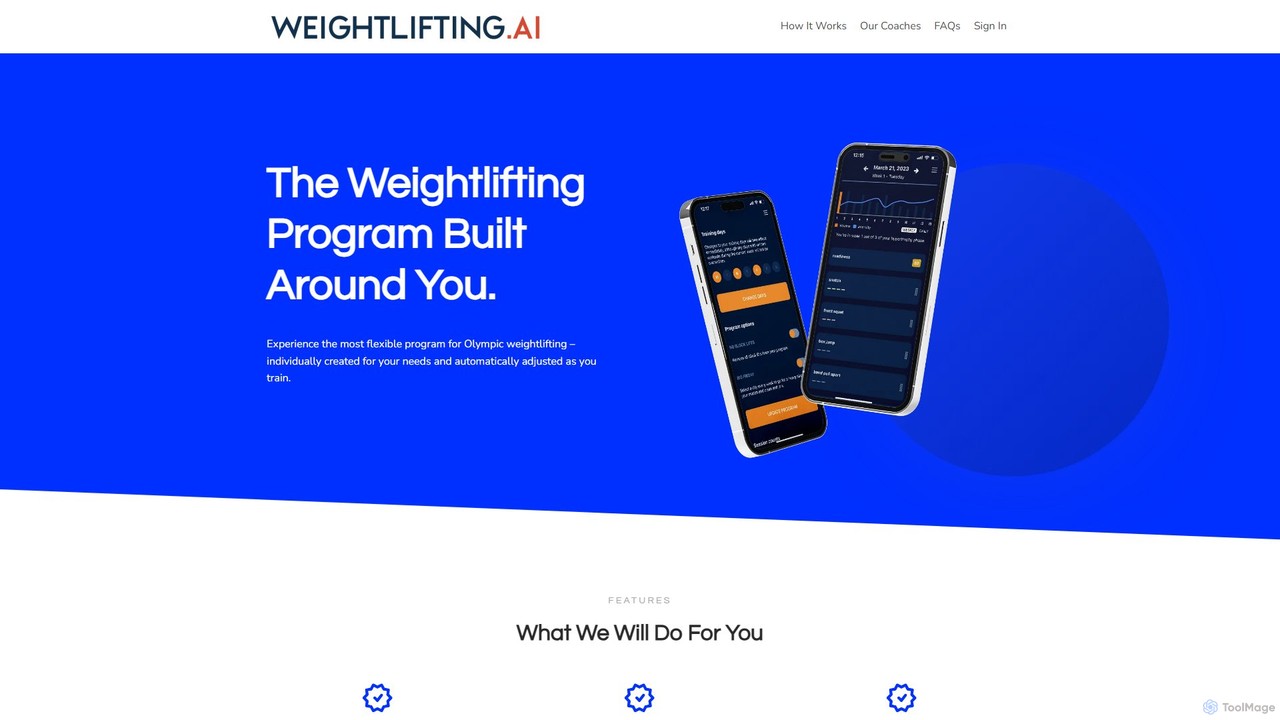
Weightlifting.ai is an AI-powered coaching app that creates personalized, adaptive training programs for Olympic weightlifters. It tailors workouts …

5.1K

About Training

AI Training tools are specialized AI-powered platforms designed to significantly optimize athletic performance, personalize fitness regimens, and enhance overall physical development within the dynamic realm of sports. Leveraging advanced machine learning algorithms and sophisticated data analytics, these tools meticulously analyze vast amounts of data from wearables, sensors, video analysis, and historical performance records to provide highly actionable insights. Their primary objective is to dramatically improve training efficiency, proactively prevent injuries through predictive modeling, and offer adaptive, real-time guidance meticulously tailored to individual needs, evolving goals, and current physical states. This makes them an invaluable asset for professional athletes, dedicated coaches, and enthusiastic fitness practitioners alike.

Core Features

  • Personalized Workout Generation: These tools dynamically create and continuously adjust training plans, taking into account an individual's current performance metrics, recovery status, specific athletic objectives, and even external factors like weather or sleep quality.
  • Performance Analytics & Feedback: Users receive detailed, data-driven insights into key metrics such as speed, power output, endurance levels, and technique efficiency. This feedback can be delivered in real-time during a session or as comprehensive post-session reports, highlighting areas for improvement.
  • Injury Risk Assessment: By analyzing biomechanical data, movement patterns from video, and historical injury records, AI can identify subtle indicators of potential injury risks. It then suggests targeted preventative exercises or adjustments to training load to mitigate these risks.
  • Real-time Biometric Monitoring: Integrated with smart devices, these tools track vital signs, heart rate zones, oxygen saturation, and other physiological data throughout an exercise session. This allows for immediate adjustments to optimize intensity, ensure training within safe limits, and monitor fatigue.
  • Skill Development & Technique Correction: Utilizing computer vision and sensor data, AI can analyze complex movement patterns in sports like golf, swimming, or weightlifting. It pinpoints flaws in technique and provides precise, guided corrections to help users refine their form and improve skill acquisition.

Applicable Scenarios

AI Training tools are transforming various facets of sports and fitness. Professional athletes and elite sports teams extensively utilize these platforms to gain a competitive edge, optimize strategic planning, and manage player load effectively throughout a season. Fitness enthusiasts and personal trainers benefit immensely from highly customized and efficient workout programs that adapt to their progress and preferences, ensuring sustained motivation and optimal results. Furthermore, these tools play a crucial role in physical rehabilitation, where they help individuals recover from injuries by providing data-driven, guided exercises and objective progress tracking, accelerating the return to full function.

How to Choose

When selecting an AI Training tool, several critical factors should guide your decision. Firstly, assess its data integration capabilities, ensuring seamless compatibility with your existing wearables, smart equipment, and other fitness platforms. Secondly, evaluate the depth of personalization offered; a superior tool will adapt not just to performance but also to recovery, sleep, and even mood. Thirdly, prioritize tools known for the accuracy and reliability of their analytical insights and recommendations, as these directly impact training effectiveness and safety. Finally, consider the user interface for intuitiveness and ease of use, and confirm that the tool's features and focus align precisely with your specific sport or overarching fitness goals, whether that's performance enhancement, injury prevention, or general well-being improvement.

TrainingUse Cases

1

Optimizing Marathon Training Plans

Amateur runners often struggle with rigid training schedules. AI Training tools analyze a runner's daily performance, heart rate variability, sleep quality, and even weather forecasts. They dynamically adjust long-distance running plans, suggesting optimal rest days, intensity modifications, or alternative routes, ensuring the runner peaks at the right time while minimizing overtraining and injury risk for their marathon goal.

2

Real-time Football Performance Analysis for Coaches

Football coaches need immediate insights during training sessions and matches. AI Training tools, integrated with player tracking sensors and video analysis, provide real-time data on player speed, distance covered, tactical positioning, and fatigue levels. This allows coaches to make instant strategic adjustments, identify underperforming players, or prevent potential injuries by recognizing early signs of exhaustion, significantly enhancing team performance.

3

Personalized Strength & Conditioning for Athletes

Athletes in sports like weightlifting or team sports require highly specific strength and conditioning. AI Training tools create adaptive gym routines based on an athlete's current strength levels, muscle imbalances, recovery needs, and sport-specific demands. They track progress, suggest optimal weight loads, rep ranges, and exercise variations, ensuring continuous improvement while minimizing plateaus and reducing the risk of overtraining or injury, leading to peak physical condition.

4

Injury Prevention for Gymnasts

Gymnasts face high risks of injury due to complex movements. AI Training tools use computer vision to analyze a gymnast's form and biomechanics during routines. By identifying subtle deviations from ideal technique or signs of muscle fatigue, the AI can predict potential injury hotspots and recommend targeted pre-habilitation exercises or adjustments to training volume, significantly reducing the incidence of strains, sprains, and more severe injuries.

5

Rehabilitation Progress Tracking for Physical Therapy

Physical therapists can leverage AI Training tools to objectively track patient recovery. By using motion sensors or video analysis, the AI monitors a patient's range of motion, strength, and gait patterns during prescribed exercises. It provides therapists with data-driven insights into progress, adherence, and areas needing more attention, allowing for precise adjustments to therapy plans and accelerating the patient's return to full mobility and function after an injury or surgery.

6

Smart Home Fitness Coaching

Individuals seeking effective home workouts often lack personalized guidance. AI Training apps offer smart home fitness coaching by analyzing user input (goals, equipment), real-time form via smartphone cameras, and biometric data from wearables. They generate adaptive workout routines, provide instant feedback on exercise execution, track progress, and adjust difficulty, making personalized and safe fitness accessible without the need for a physical trainer, improving adherence and results.

TrainingFrequently Asked Questions