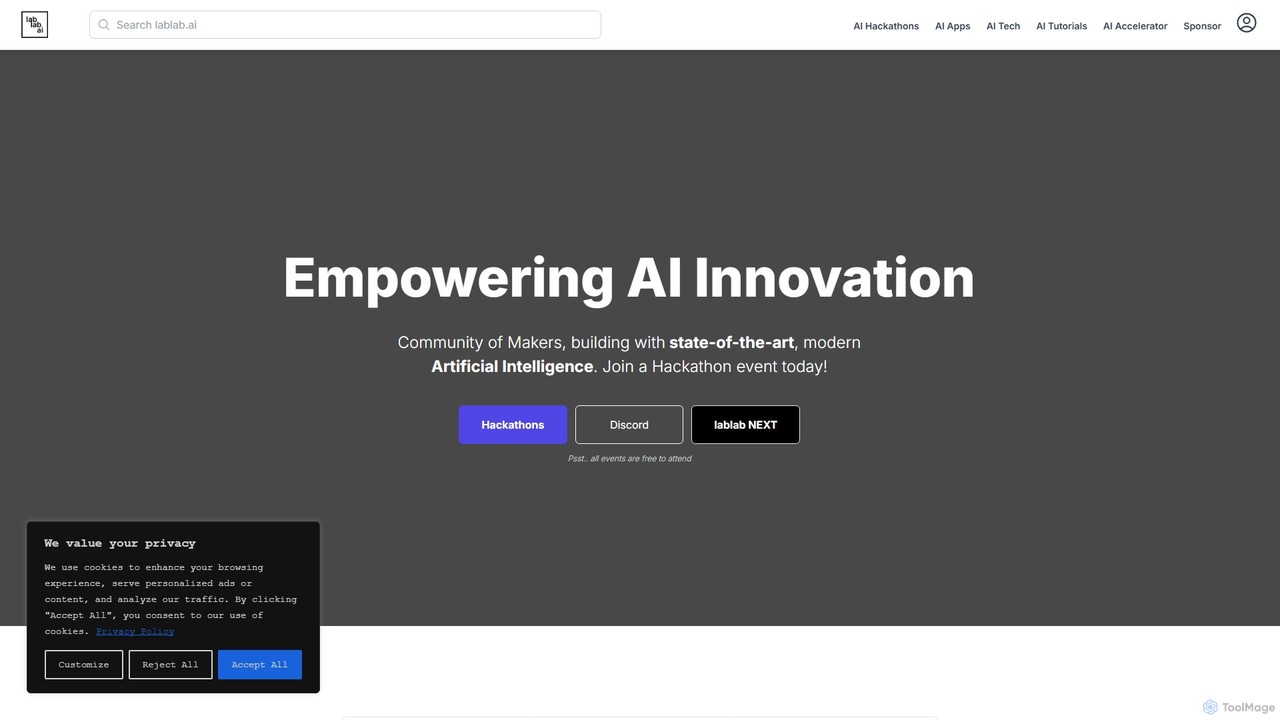
Incubators are specialized programs or organizations designed to support early-stage AI startups by providing essential resources and guidance. As a crucial part of the broader startup tools ecosystem, these entities typically offer a structured environment where nascent AI companies can develop their products, refine business models, and accelerate growth. They play a pivotal role in nurturing innovative AI solutions from concept to market readiness, often bridging the gap between academic research and commercial application.
Core Features
- Mentorship & Strategic Guidance: Provides expert advice on AI development, business strategy, and market entry from seasoned entrepreneurs and industry leaders.
- Funding & Investment Access: Offers seed capital, grants, or facilitates connections to venture capitalists and angel investors specifically interested in AI.
- Technical Resources & Infrastructure: Grants access to high-performance computing, specialized AI development tools, datasets, and cloud credits.
- Networking Opportunities: Connects startups with potential partners, customers, talent, and a community of fellow founders.
- Workspace & Facilities: Provides physical or virtual office space, meeting rooms, and collaborative environments conducive to innovation.
Applicable Scenarios
Incubators are ideal for early-stage AI startups with innovative ideas but limited resources, seeking structured support to validate their concepts and build initial products. Founders needing guidance on navigating the complex AI landscape, from technical challenges to market fit, greatly benefit. Teams looking for seed funding and connections to accelerate their growth and secure follow-on investment also find incubators invaluable.
How to Choose
When selecting an AI incubator, consider its specialization in AI or your specific domain (e.g., NLP, computer vision). Evaluate the quality and network of the mentors provided, as well as the incubator's track record of successful alumni. Understand the funding structure, equity terms, and the overall program curriculum and duration. Finally, assess the post-program support and community engagement for long-term benefits.