Startups Best in category 2 results Market Research AI Tool

Popular AI tools in the Market Research field of Startups include Build The Keyword、findmicrosaasideas, etc., helping you quickly improve efficiency.

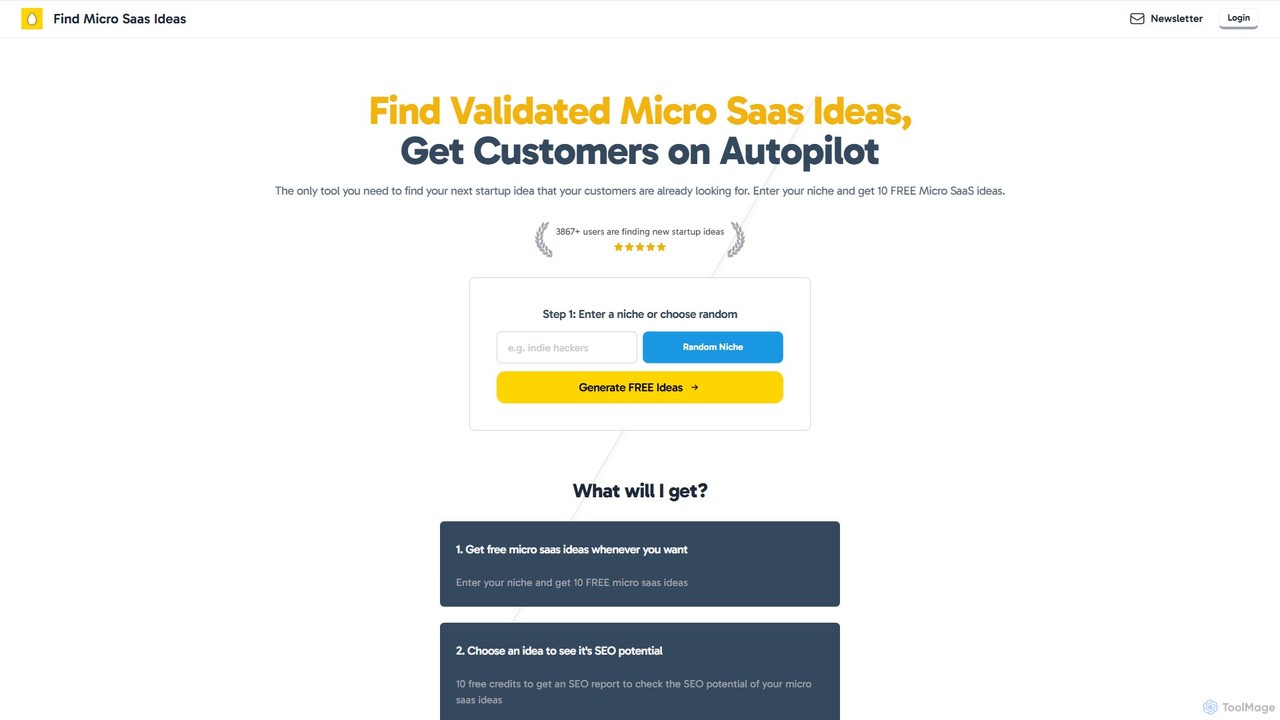
findmicrosaasideas

findmicrosaasideas

An AI-powered tool that helps solopreneurs and indie hackers discover and validate profitable Micro SaaS ideas. It generates …

3.7K
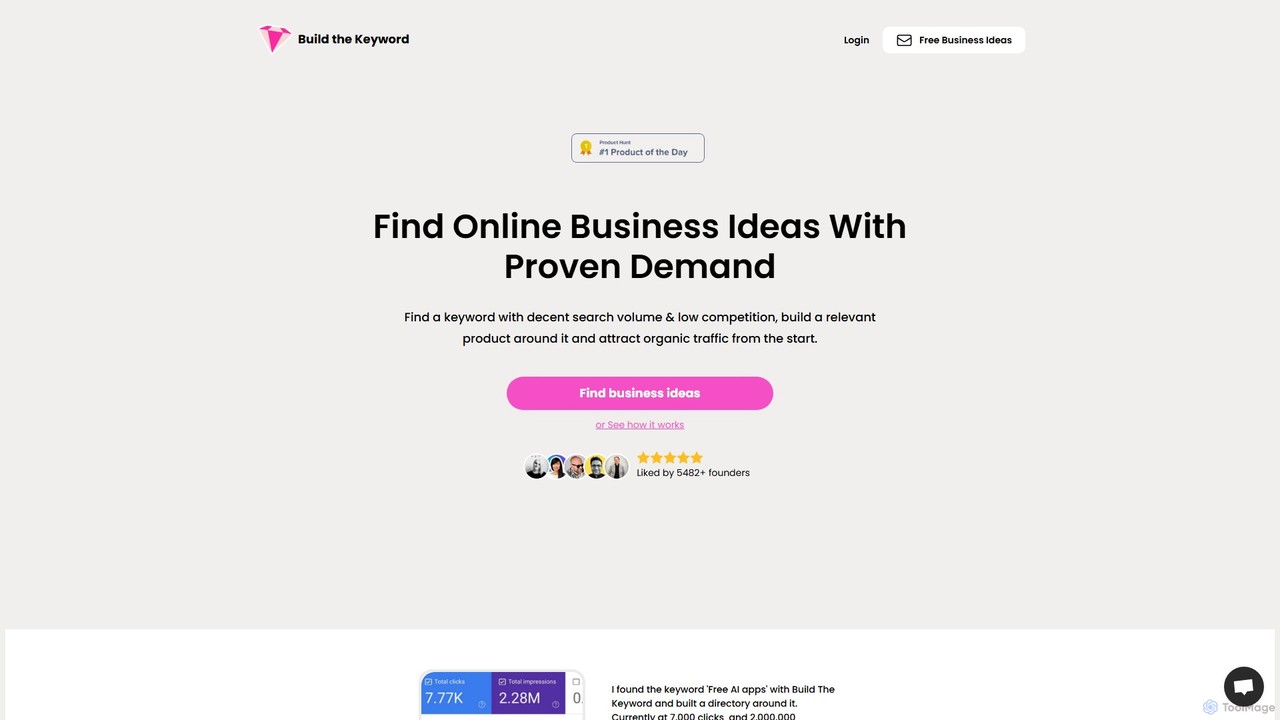
Build The Keyword

Build The Keyword

A data-driven platform for entrepreneurs to discover and validate online business ideas. It identifies keywords with high search …

5.0K

About Market Research

AI Market Research tools are platforms that automate the collection, analysis, and interpretation of market data to provide strategic insights. Leveraging machine learning and natural language processing (NLP), these tools sift through vast datasets from social media, customer reviews, forums, and news articles. They empower startups and businesses to quickly understand consumer sentiment, identify emerging trends, and monitor the competitive landscape. This allows for data-driven decision-making, reducing the risks associated with new ventures and product launches.

Core Features

  • Sentiment Analysis: Automatically determines the emotional tone (positive, negative, neutral) behind online conversations and reviews.
  • Trend Identification: Detects and forecasts emerging topics, keywords, and patterns from real-time data streams.
  • Competitive Intelligence: Monitors competitors' online presence, product feedback, and marketing strategies.
  • Audience Segmentation: Identifies and profiles distinct customer groups based on their demographics, interests, and online behavior.

Use Cases

These tools are essential for startup founders, product managers, and marketing teams. They are used to validate business ideas, define target audiences, find product-market fit, and craft resonant marketing messages. By providing access to large-scale market intelligence, they level the playing field for smaller companies competing with established players.

How to Choose

When selecting an AI Market Research tool, consider the scope of data sources it covers (e.g., social media, news, specific forums). Evaluate the depth of its analytical capabilities, such as the accuracy of sentiment analysis and trend forecasting. Also, assess its ease of use, integration options with other business software, and a pricing model that aligns with your startup's budget and growth stage.

Market ResearchUse Cases

1

Validate a New Product Idea

A startup founder uses an AI market research tool to analyze thousands of online conversations and search trends related to a specific problem they aim to solve. The tool quantifies the discussion volume, identifies the most common pain points users mention, and maps out existing competitors. This provides concrete data to validate market demand and refine the product concept before writing a single line of code, significantly reducing the risk of building something nobody wants.

2

Analyze Competitor Strengths and Weaknesses

A product manager monitors customer reviews of competing products across app stores and review sites. The AI tool automatically categorizes thousands of reviews into themes like 'user interface,' 'pricing,' and 'customer support.' It highlights recurring positive and negative sentiments for each theme, revealing a competitor's weak spot (e.g., poor customer service) that can be turned into a key differentiator for their own product.

3

Identify Untapped Market Niches

A marketing team analyzes broad industry discussions on forums like Reddit and specialized blogs. The AI tool identifies clusters of conversations around specific, unmet needs that larger players are ignoring. For example, within the 'project management software' category, it might uncover a growing demand for tools tailored specifically to freelance artists. This insight allows the startup to pivot or focus its marketing on a highly targeted and underserved niche.

4

Craft Data-Driven Marketing Copy

Before launching an ad campaign, a marketer uses an AI tool to analyze the language their target audience uses when discussing relevant topics. The tool extracts common phrases, slang, and emotional keywords. This intelligence is then used to write ad copy, social media posts, and landing page headlines that resonate authentically with the audience, leading to higher engagement rates and conversion, as the messaging speaks their language.

5

Monitor Brand Perception in Real-Time

A communications team sets up continuous monitoring for their brand's name and key products. The AI market research tool provides a real-time dashboard showing sentiment trends. If a sudden spike in negative mentions occurs, the system sends an alert. This allows the team to immediately investigate the cause—be it a product bug or a PR issue—and respond proactively before the situation escalates into a major crisis, protecting the startup's reputation.

6

Discover Emerging Industry Trends for R&D

An R&D team at a tech startup uses an AI tool to scan industry reports, academic papers, and tech news. The platform identifies and tracks the growth of emerging concepts and technologies before they become mainstream. By spotting a rising trend in 'decentralized data storage' early, the team can direct their research efforts to develop a new feature or product that aligns with the future direction of the market, giving them a first-mover advantage.

Market ResearchFrequently Asked Questions