planpros
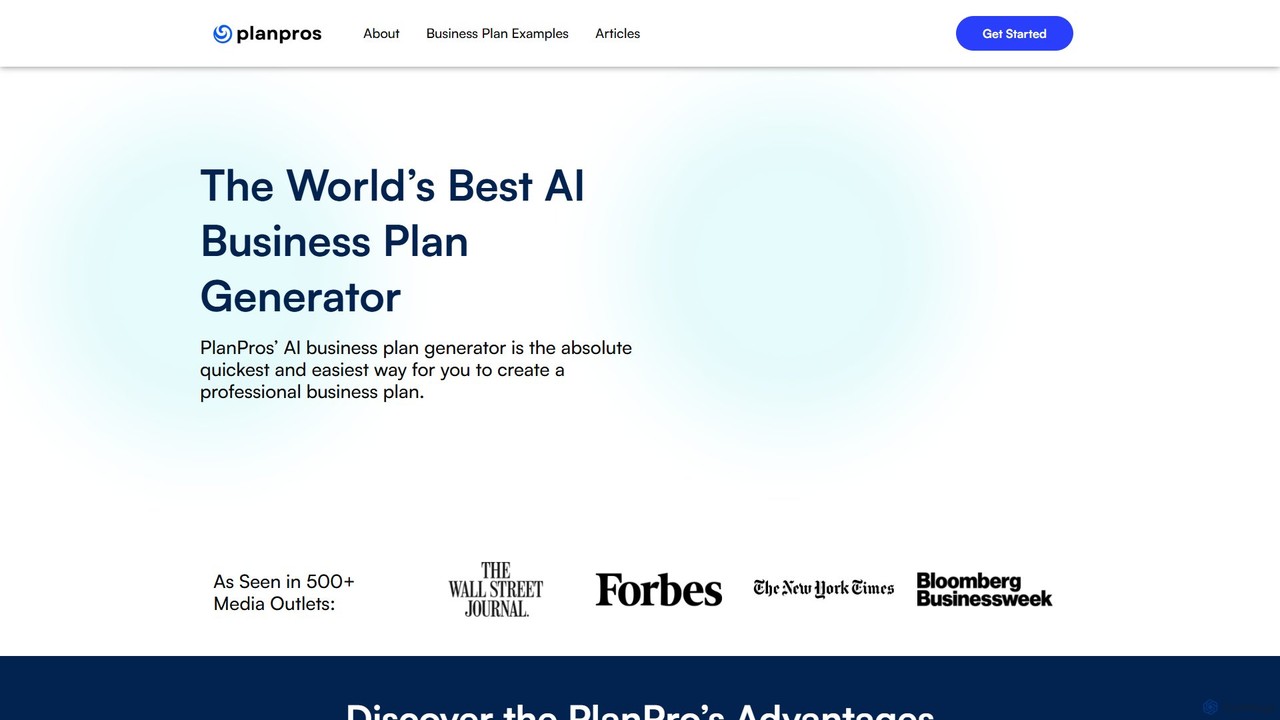
PlanPros is an AI-powered business plan generator that enables entrepreneurs to create professional, investor-ready business plans in minutes. …
PlanPros is an AI-powered business plan generator that enables entrepreneurs to create professional, investor-ready business plans in minutes. By answering simple questions, users receive a comprehensive plan including market analysis, financial projections, and strategic insights, tailored to over 1,000 business types.
PageRoaster.AI
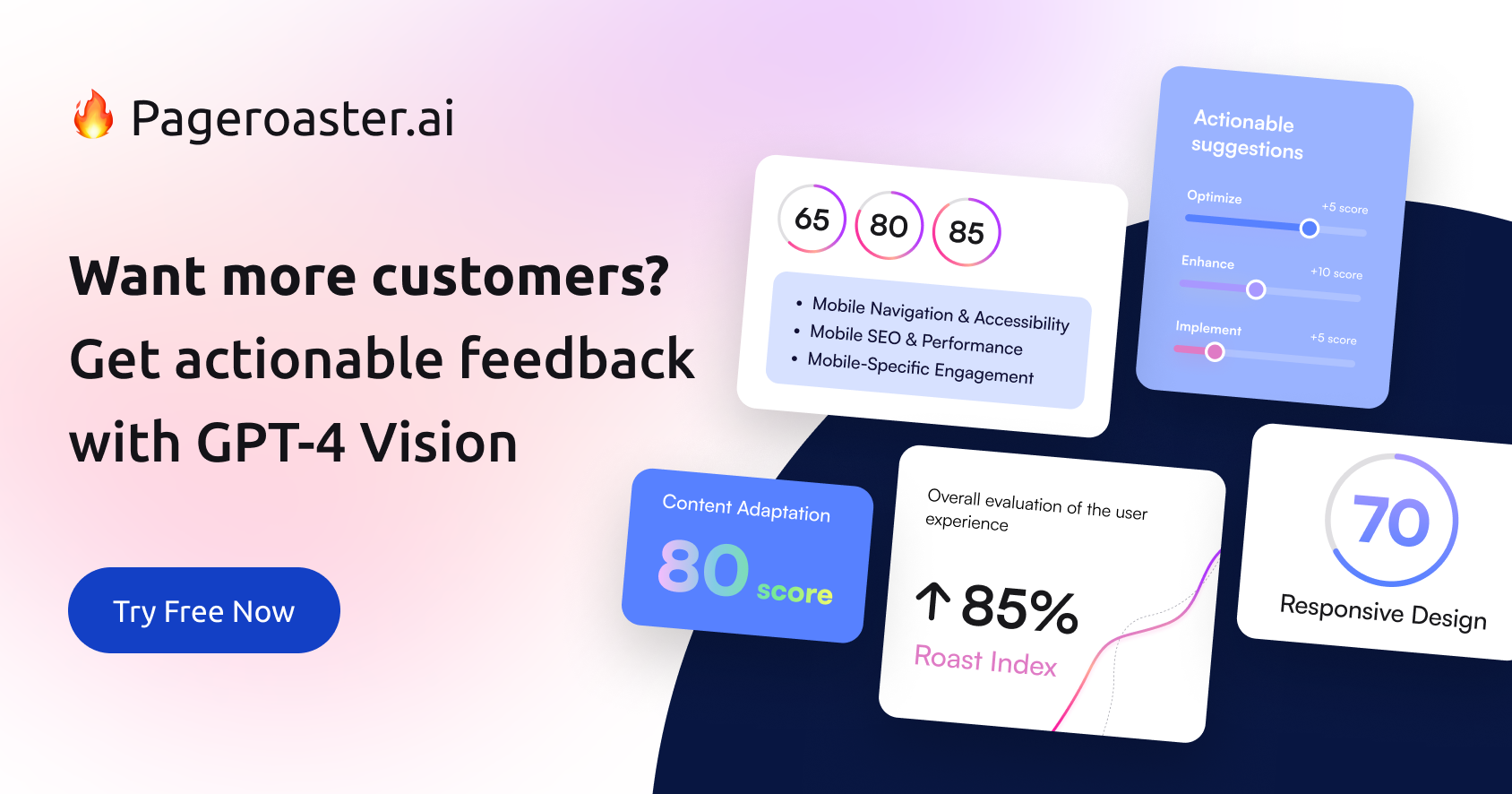
PageRoaster.AI is an AI-powered tool that analyzes and 'roasts' your landing pages to uncover conversion-killing flaws. It provides …
PageRoaster.AI is an AI-powered tool that analyzes and 'roasts' your landing pages to uncover conversion-killing flaws. It provides actionable recommendations and a unique 'Roast Index' score to help you optimize your pages, improve user experience, and turn more visitors into customers.
About Tools
AI Tools for Startups are a curated collection of intelligent software designed to accelerate growth and optimize operations for new ventures. These tools leverage artificial intelligence to automate complex tasks in marketing, sales, development, and customer support, enabling small teams to achieve significant results with limited resources. They provide data-driven insights and enhance productivity, which is crucial during the critical early stages of a business. This allows founders and their teams to focus on core product development and strategic growth.
Core Features
- Automated Marketing & Sales: Tools for AI-driven lead generation, personalized email campaigns, and social media content creation.
- Rapid Development & Prototyping: AI code assistants and no-code platforms that speed up the creation of MVPs and new features.
- Data-Driven Insights: Platforms that analyze user behavior, market trends, and financial data to inform strategic decisions.
- Operational Efficiency: Solutions for automating administrative tasks, project management, and customer support workflows.
Use Cases
These tools are essential for early-stage startups (pre-seed to Series A) across all industries, including SaaS, e-commerce, and fintech. Roles such as founders, marketers, product managers, and developers use them to streamline workflows, reduce operational costs, and make faster, more informed decisions in a competitive landscape.
How to Choose
When selecting AI tools for a startup, prioritize solutions that offer scalability to grow with your business. Look for strong integration capabilities with your existing tech stack (e.g., CRM, Slack). Consider pricing models that are startup-friendly, such as freemium tiers or pay-as-you-go options. Finally, evaluate the ease of use, as tools with a low learning curve allow for quicker adoption by the entire team.

ToolsUse Cases
Automating Early-Stage Lead Generation
A founder of a B2B SaaS startup needs to identify and contact potential customers but lacks a dedicated sales team. Using an AI lead generation tool, they can define their ideal customer profile. The AI then automatically scans sources like LinkedIn and company databases to build a targeted list of prospects. It can also draft and send personalized outreach emails, track open rates, and even schedule initial meetings, saving the founder over 10 hours of manual work per week and significantly increasing the pipeline of qualified leads.
Creating MVP Marketing Content with AI
A non-technical founder wants to test a new product idea by launching a Minimum Viable Product (MVP). To attract initial users, they need a landing page, blog posts, and social media content. Instead of hiring a freelance writer and designer, they use an AI content generation suite. They input prompts about their product's features and target audience. The AI generates compelling website copy, several blog post drafts on relevant topics, and a month's worth of social media captions. This allows them to launch their marketing efforts in days instead of weeks, at a fraction of the cost.
Analyzing User Feedback for Product Iteration
A product manager at a growing startup is overwhelmed by the volume of user feedback from support tickets, app store reviews, and surveys. To identify key trends, they use an AI feedback analysis tool. The tool automatically categorizes feedback into themes like 'bug reports,' 'feature requests,' and 'UI/UX issues.' It also performs sentiment analysis to gauge user satisfaction. This provides a clear, data-backed overview of what users want most, enabling the product team to prioritize the development roadmap effectively and build features that truly matter to their customers.
Optimizing Ad Spend with AI Analytics
A marketing lead at a seed-stage startup is managing a limited advertising budget across Google, Facebook, and LinkedIn. To maximize ROI, they connect their ad accounts to an AI-powered analytics platform. The platform continuously analyzes campaign performance, identifying underperforming ads and audience segments. It provides real-time recommendations, such as reallocating budget from a low-converting Facebook campaign to a high-performing Google Ads keyword. This data-driven approach helps the startup reduce wasted ad spend and ensures their marketing dollars are focused on the most effective channels.
Streamlining Customer Support with AI Chatbots
A small e-commerce startup experiences a surge in customer inquiries after a successful promotion. Their two-person support team is struggling to keep up. They implement an AI chatbot on their website. The chatbot is trained on their FAQ and product data, allowing it to instantly answer common questions about order status, shipping policies, and product details 24/7. This deflects over 60% of incoming queries, freeing up human agents to handle complex, high-value issues. As a result, customer satisfaction improves due to faster response times, and the support team avoids burnout.
Accelerating Code Development with AI Assistants
A startup's small engineering team needs to build and ship new features quickly to stay competitive. They integrate an AI coding assistant into their development environment. The assistant helps by autocompleting complex code blocks, suggesting optimizations, and generating boilerplate code for new components. It can also help write unit tests and explain unfamiliar codebases. This allows developers to focus more on problem-solving and logic rather than syntax, significantly reducing development time and helping the team meet aggressive deadlines for product releases.