Best of the Year 7 results Trading AI Tools

Popular AI tools in the Trading field include ChartScout、EconPulse、Moodfol、TradeBot Signals、Muntze、AIBFarm、Code88, etc., helping you quickly improve efficiency.

Muntze

Muntze

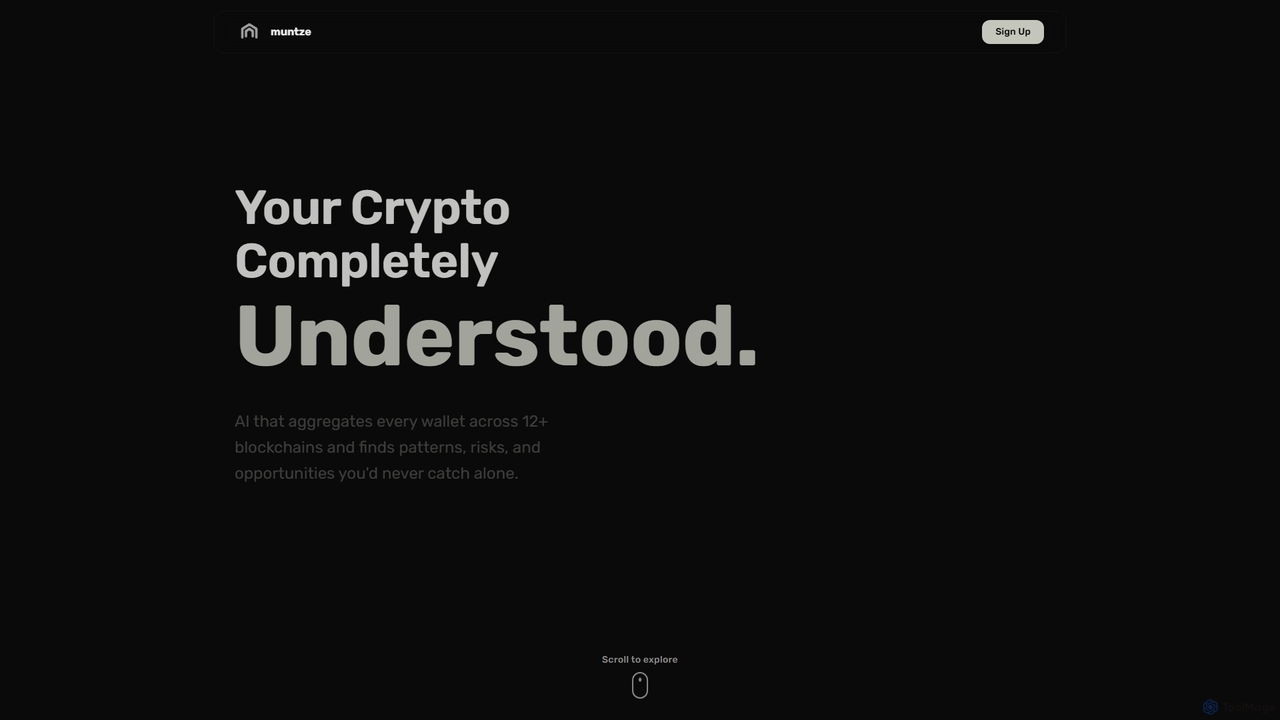
Muntze is an AI-powered cryptocurrency portfolio intelligence platform that aggregates wallets across 12+ blockchains. It provides unified insights, …

2.4K
TradeBot Signals

TradeBot Signals

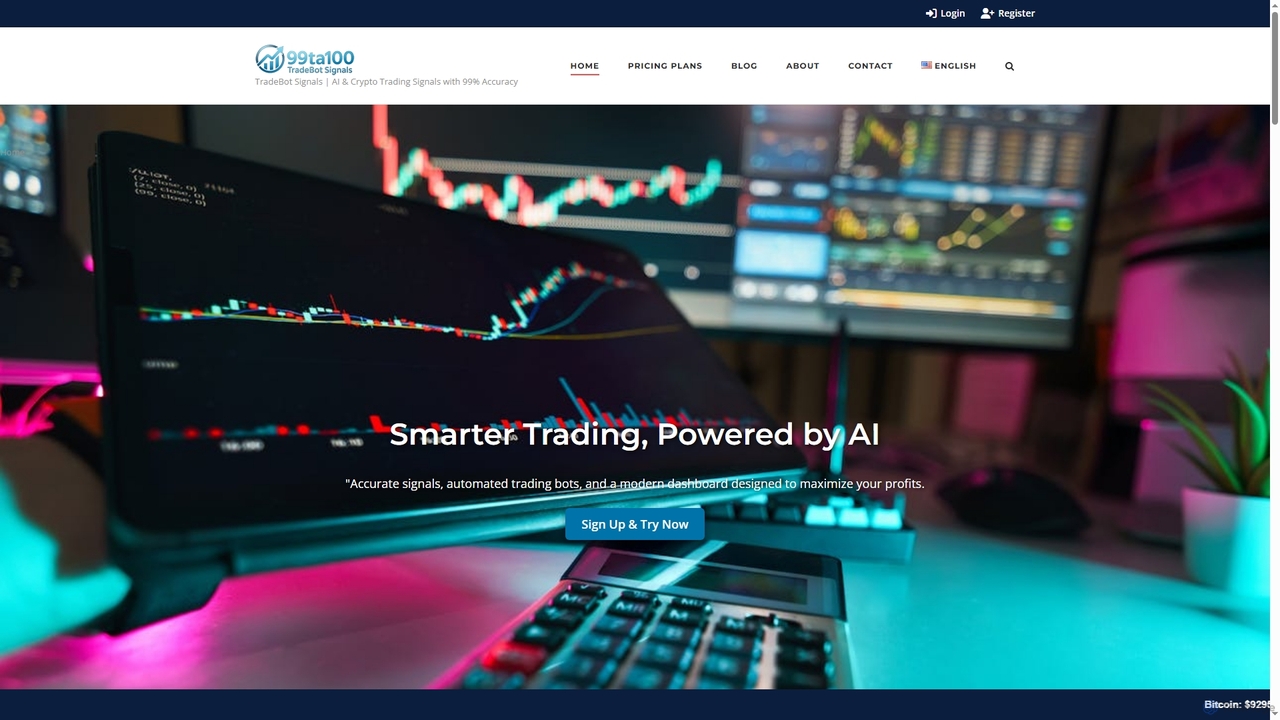
TradeBot Signals is an AI-powered platform offering real-time trading signals, automated bots, and a secure dashboard to help …

2.4K
ChartScout

ChartScout

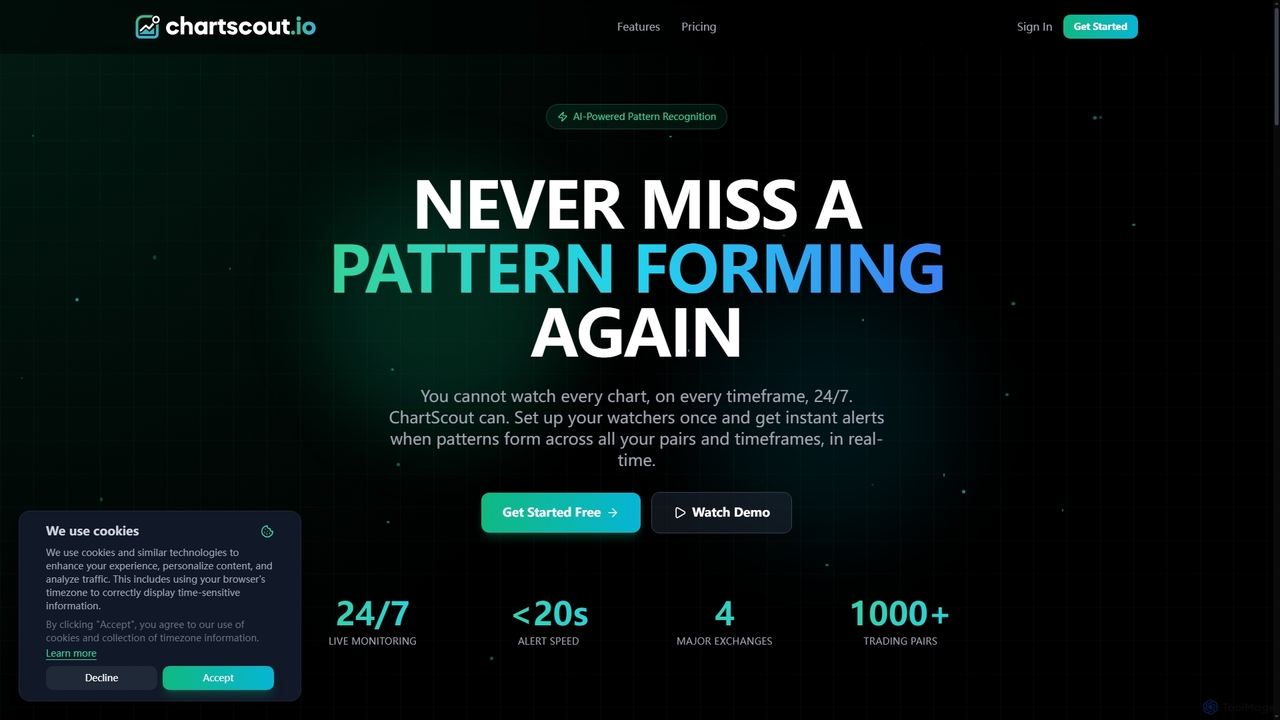
ChartScout is an AI-powered real-time cryptocurrency pattern scanner that monitors over 1,000 trading pairs across major exchanges 24/7. …

6.2K
EconPulse

EconPulse

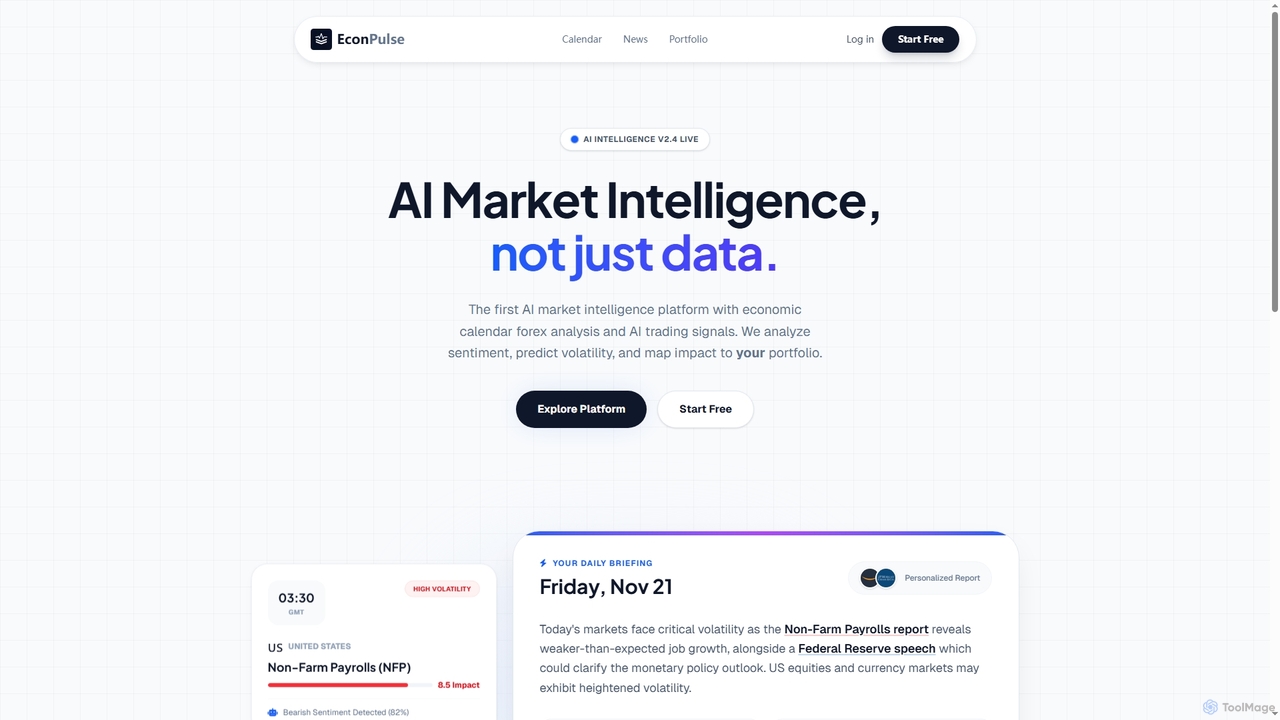
EconPulse is an AI market intelligence platform that provides real-time trading insights, economic calendar forex analysis, and personalized …

2.5K
AIBFarm

AIBFarm

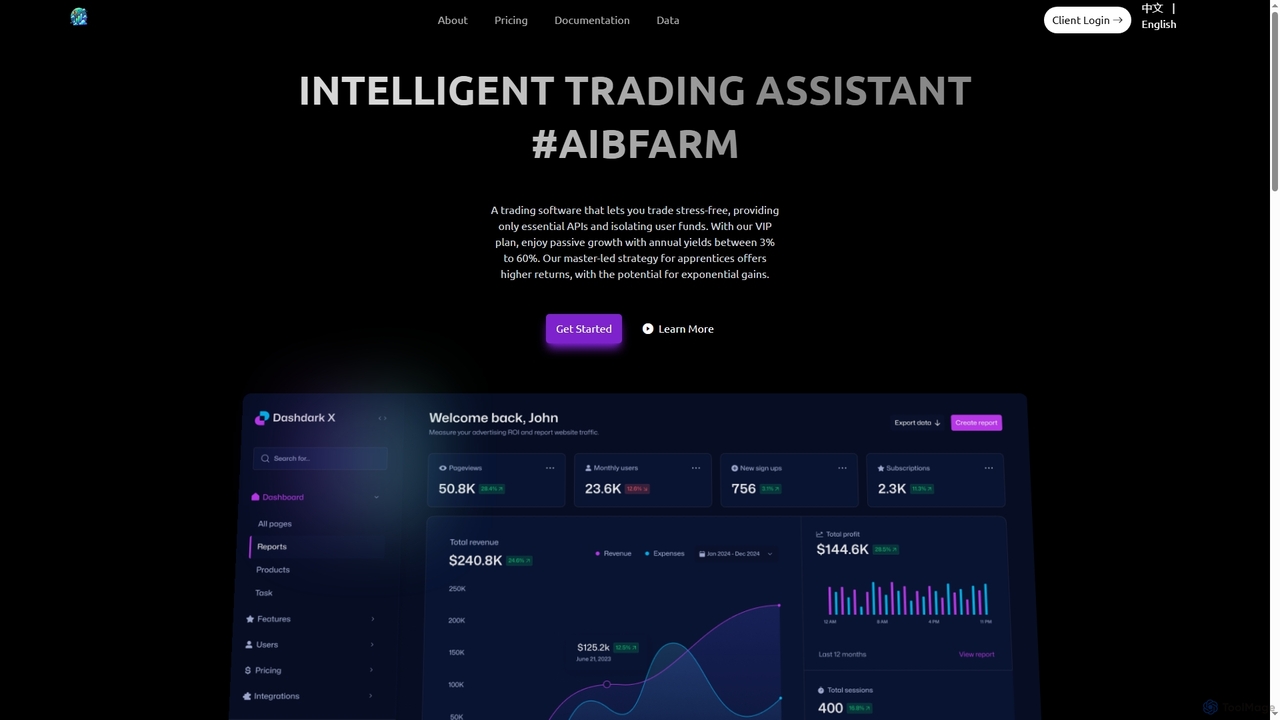
AIBFarm is an intelligent trading assistant designed for quantitative trading, offering automated strategies and stress-free market participation. It …

2.4K
Code88

Code88

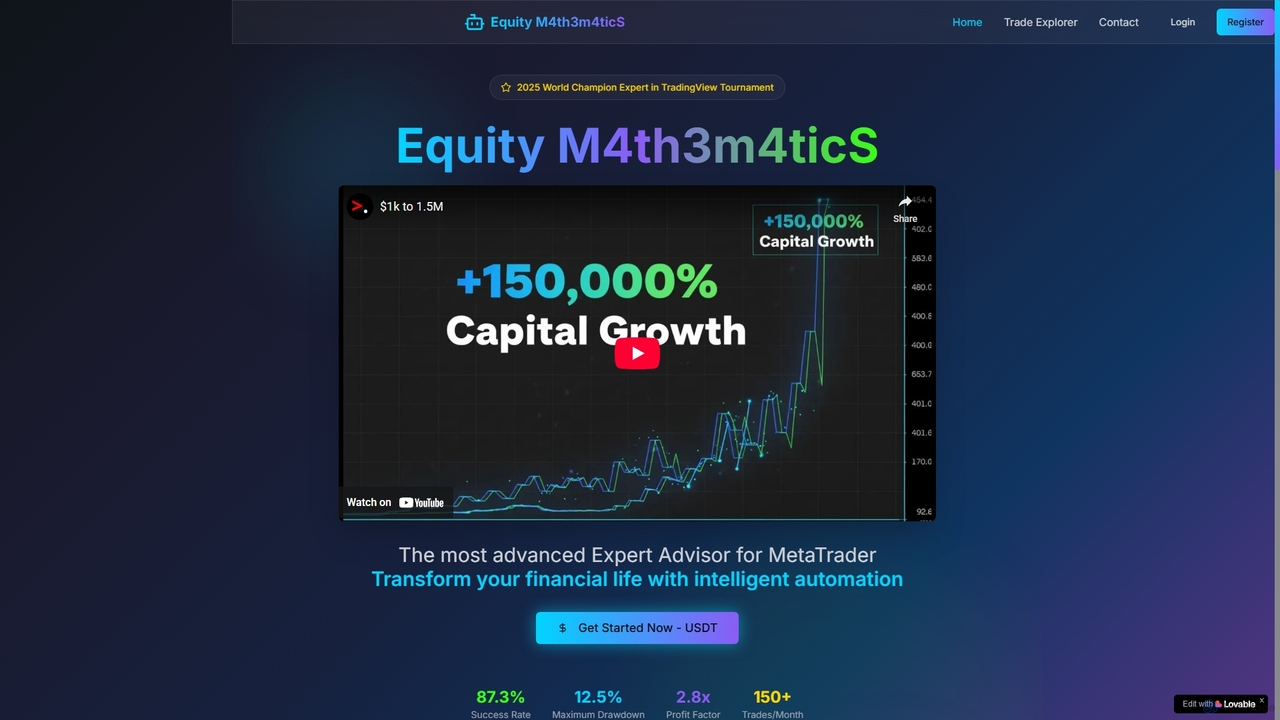
Code88 offers Equity M4th3m4ticS, an advanced AI-powered Expert Advisor for MetaTrader, designed to automate forex trading with high …

2.4K
Moodfol

Moodfol

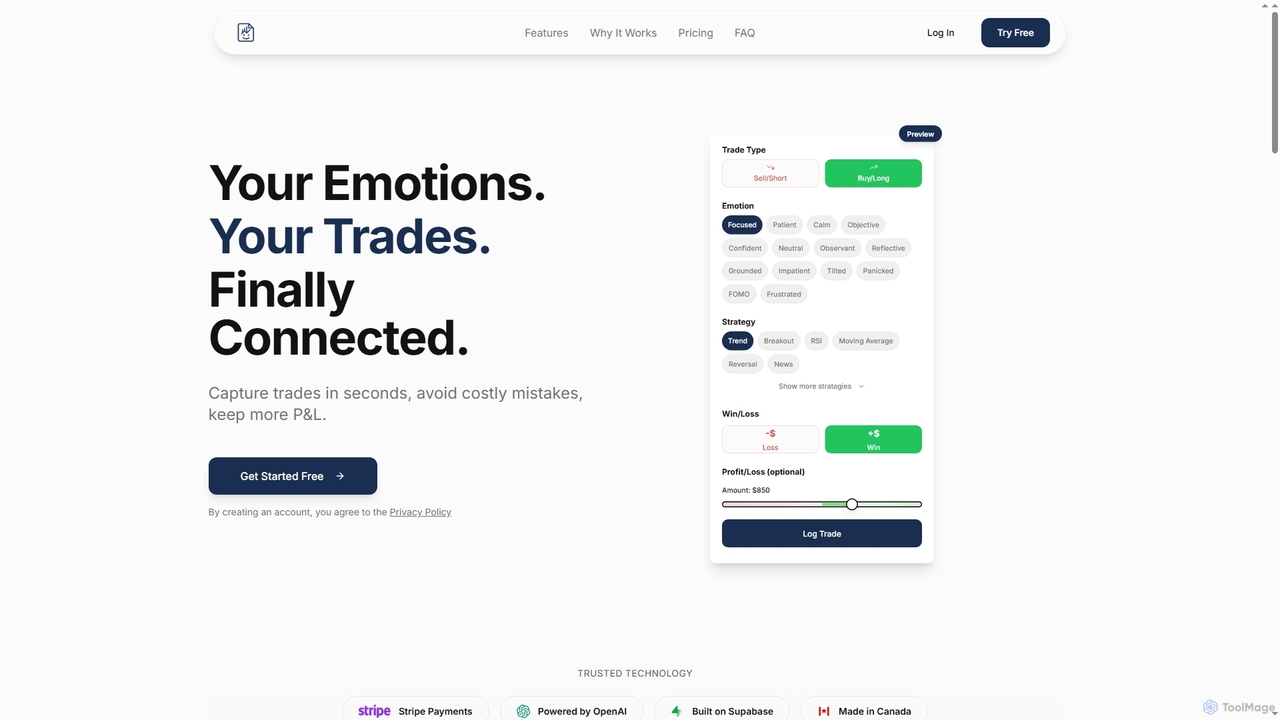
Moodfol is an AI-powered trading and emotional journal designed to help traders connect their emotions with their trades. …

2.4K

About Trading

Trading AI tools are sophisticated software solutions that leverage artificial intelligence and machine learning to analyze financial markets, execute trades, and manage portfolios. These tools process vast amounts of data, identify patterns, and make data-driven decisions, often with greater speed and accuracy than human traders. They empower investors and financial institutions to optimize trading strategies, mitigate risks, and uncover new opportunities across various asset classes.

Core Features

  • Algorithmic Execution: Automates trade placement and management based on predefined rules and real-time market conditions.
  • Market Sentiment Analysis: Utilizes natural language processing to gauge market mood from news, social media, and reports, influencing trading decisions.
  • Predictive Analytics: Employs machine learning models to forecast price movements, volatility, and other market indicators.
  • Risk Management: Monitors and manages portfolio risk exposure through dynamic adjustments and stop-loss mechanisms.
  • Portfolio Optimization: Rebalances asset allocations to maximize returns while adhering to specified risk tolerances.

Applicable Scenarios

Individual day traders use AI tools for rapid decision-making and automated execution. Hedge funds and institutional investors deploy them for complex quantitative strategies and large-scale portfolio management. Financial analysts leverage AI for deeper market insights and identifying arbitrage opportunities, enhancing their research capabilities.

How to Choose

When selecting Trading AI tools, consider the supported asset classes and markets, the depth of analytical features (e.g., backtesting, real-time data), and the level of automation offered. Evaluate the tool's integration capabilities with existing brokerage platforms and data sources, as well as its pricing model and the transparency of its underlying algorithms. User support and the community ecosystem are also crucial for long-term success.

TradingUse Cases

1

Automated High-Frequency Trading

Quantitative trading firms utilize AI algorithms to execute thousands of trades per second, capitalizing on minuscule price discrepancies across various exchanges. These tools analyze market data in real-time, identify arbitrage opportunities, and place orders with ultra-low latency, allowing firms to generate profits from fleeting market inefficiencies that human traders cannot exploit.

2

Enhanced Market Sentiment Analysis for Swing Trading

Swing traders employ AI tools to analyze news headlines, social media trends, and economic reports, identifying shifts in market sentiment for specific stocks or sectors. The AI aggregates and interprets this qualitative data, providing a sentiment score or trend indicator that helps traders anticipate short-to-medium term price movements and make informed entry and exit decisions.

3

Dynamic Portfolio Rebalancing and Risk Management

Wealth managers and individual investors use AI-powered platforms to continuously monitor their portfolios against predefined risk parameters and investment goals. The AI automatically suggests or executes rebalancing actions, such as adjusting asset allocations or hedging positions, to maintain optimal risk-adjusted returns and protect against adverse market movements.

4

Backtesting and Optimization of Trading Strategies

Traders and strategists leverage AI tools to rigorously test new trading strategies against historical market data. The AI can simulate various market conditions, optimize strategy parameters for maximum profitability and minimal risk, and provide detailed performance metrics, significantly reducing the time and effort required for strategy development and validation.

5

Identification of Arbitrage Opportunities Across Exchanges

Specialized AI systems scan multiple cryptocurrency or stock exchanges simultaneously to detect price differences for the same asset. These tools can identify and execute arbitrage trades almost instantly, buying an asset on one exchange where it's cheaper and selling it on another where it's more expensive, profiting from the temporary price discrepancies.

6

Predictive Modeling for Option Pricing and Volatility

Derivatives traders use AI to build sophisticated predictive models for option pricing and future volatility. By analyzing historical price data, implied volatility, and other market factors, the AI can provide more accurate estimations of option values and potential price swings, enabling traders to make more informed decisions on buying or selling options contracts.

TradingFrequently Asked Questions