Paid
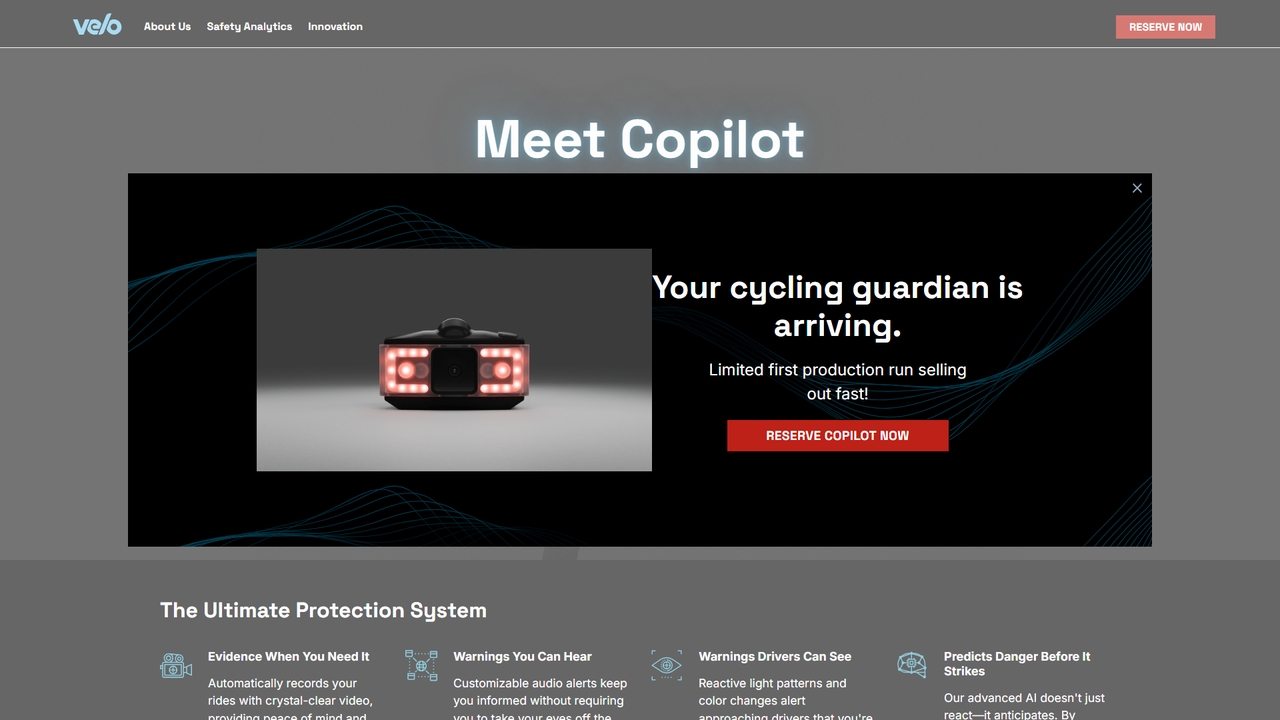
Popular Transportation AI tools include getcruise, Netradyne, Yassir, May Mobility, Sentiance, GULF-EL, and Copilot, helping you work more efficiently.

GULF-EL is an innovative AI-driven e-hailing platform revolutionizing passenger transport by integrating electric vehicles, blockchain technology, and cryptocurrency. It aims to create a transparent, secure, and rewarding Web3 ridesharing ecosystem for riders, drivers, and partners.
Smart Mobility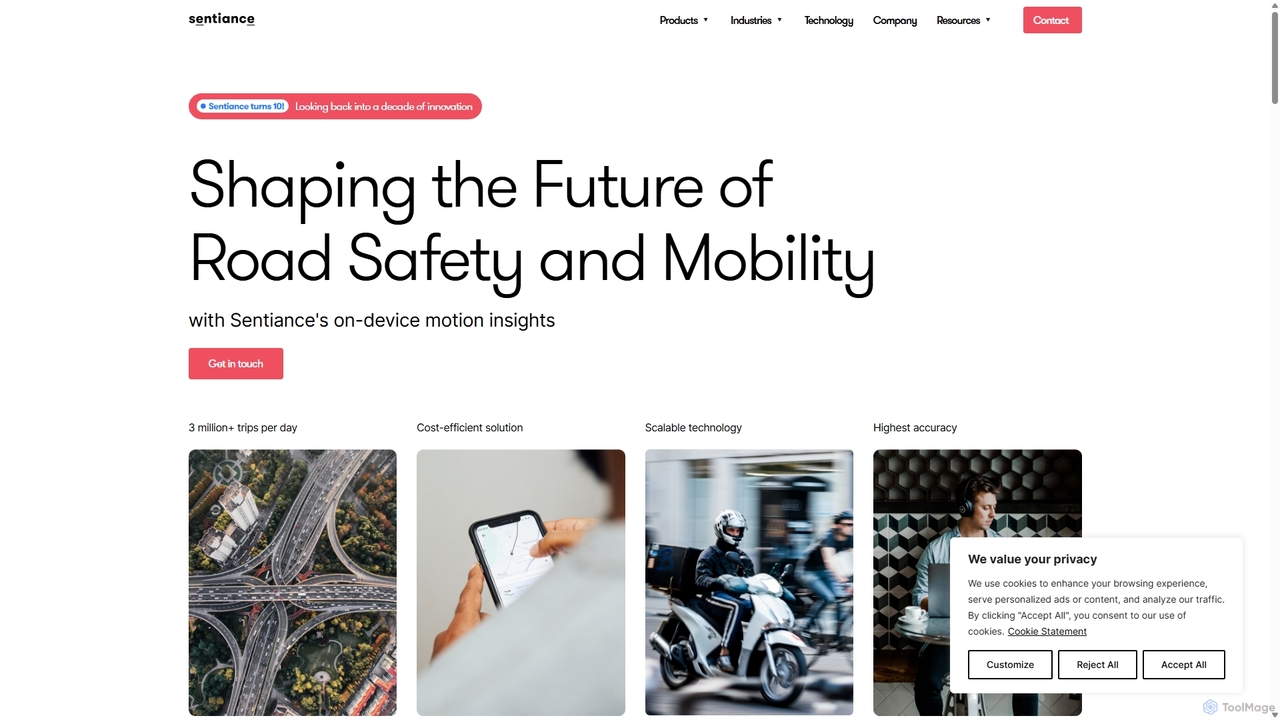
Sentiance is a leader in motion insights, utilizing on-device AI to analyze smartphone sensor data. It provides deep understanding of driver behavior, mobility patterns, and lifestyle profiles to enhance road safety, power usage-based insurance, and enable smarter mobility solutions for various industries.
3D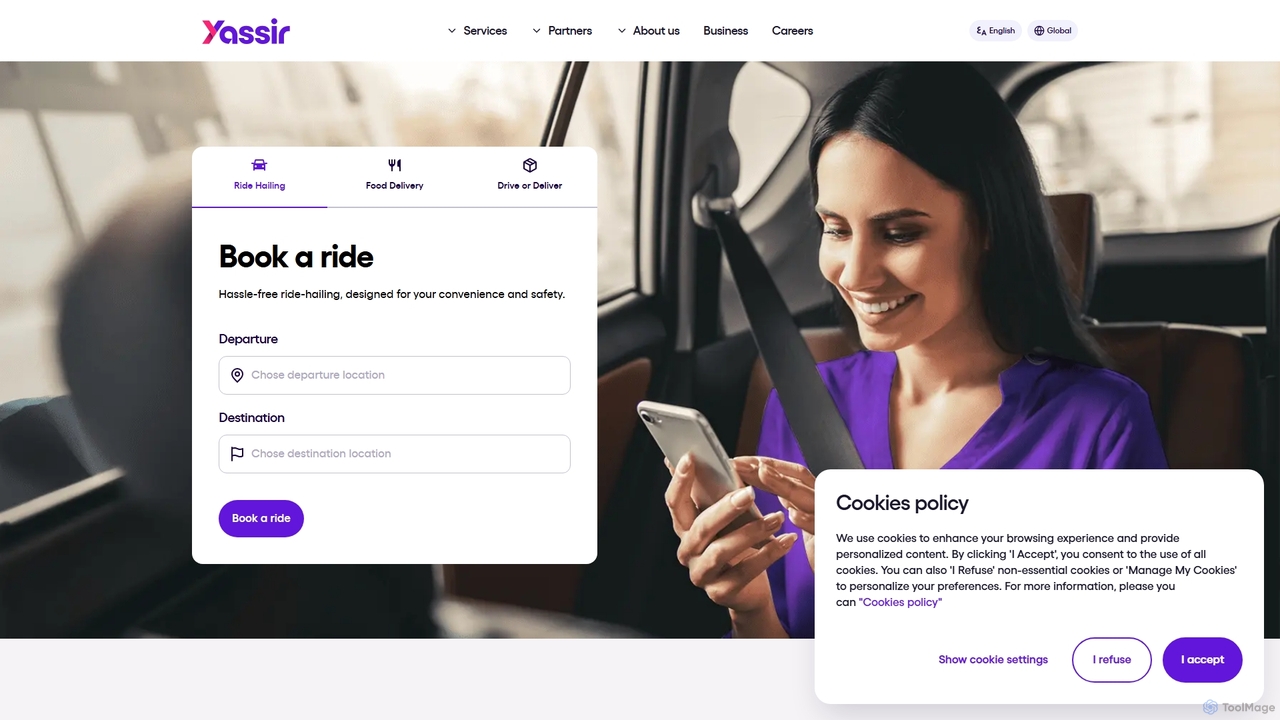
Yassir is an all-in-one super app providing on-demand services including ride-hailing, food and grocery delivery, and financial services. Leveraging AI for logistics optimization, dynamic pricing, and personalized recommendations, Yassir aims to simplify daily life for millions of users across Africa and beyond. It also offers income opportunities for drivers and delivery partners, and B2B solutions for corporate transportation management.
Fleet Management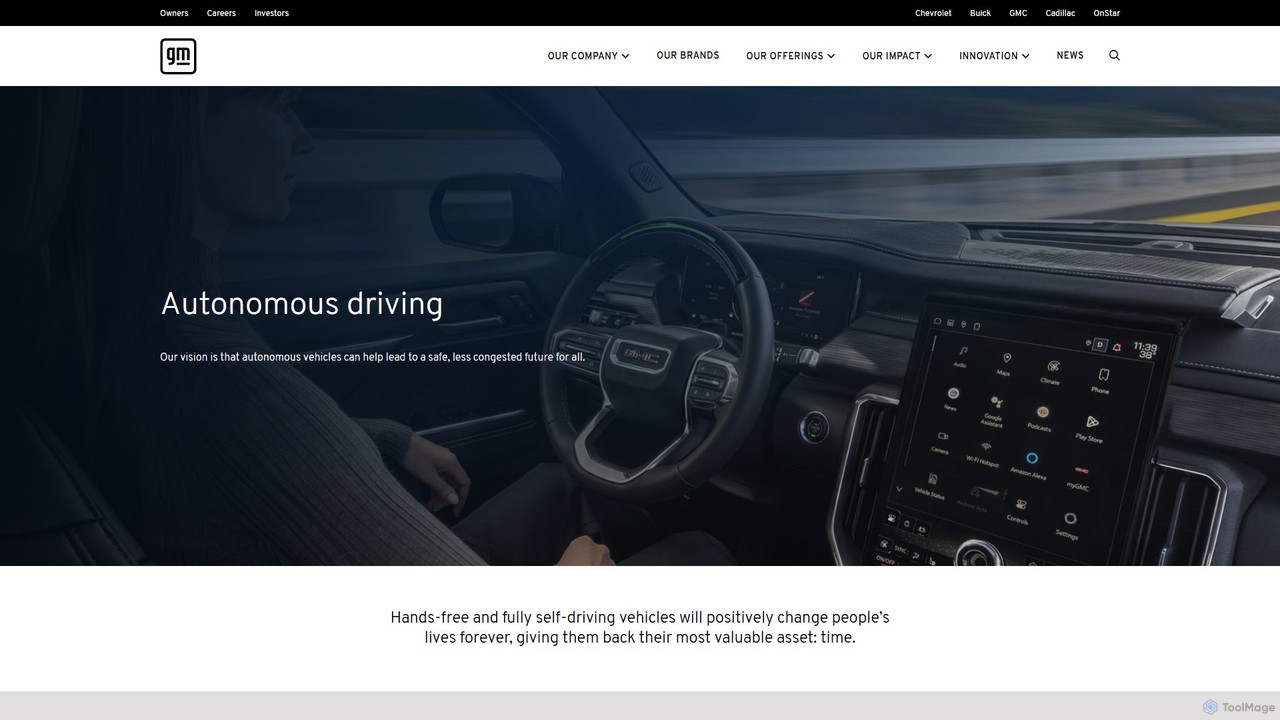
Cruise is an all-electric, self-driving car service that offers autonomous ride-hailing in select urban environments. Powered by advanced AI and a sophisticated sensor suite, Cruise aims to provide a safer, more convenient, and sustainable transportation solution, transforming urban mobility and giving people back their time.
Autonomous Vehicles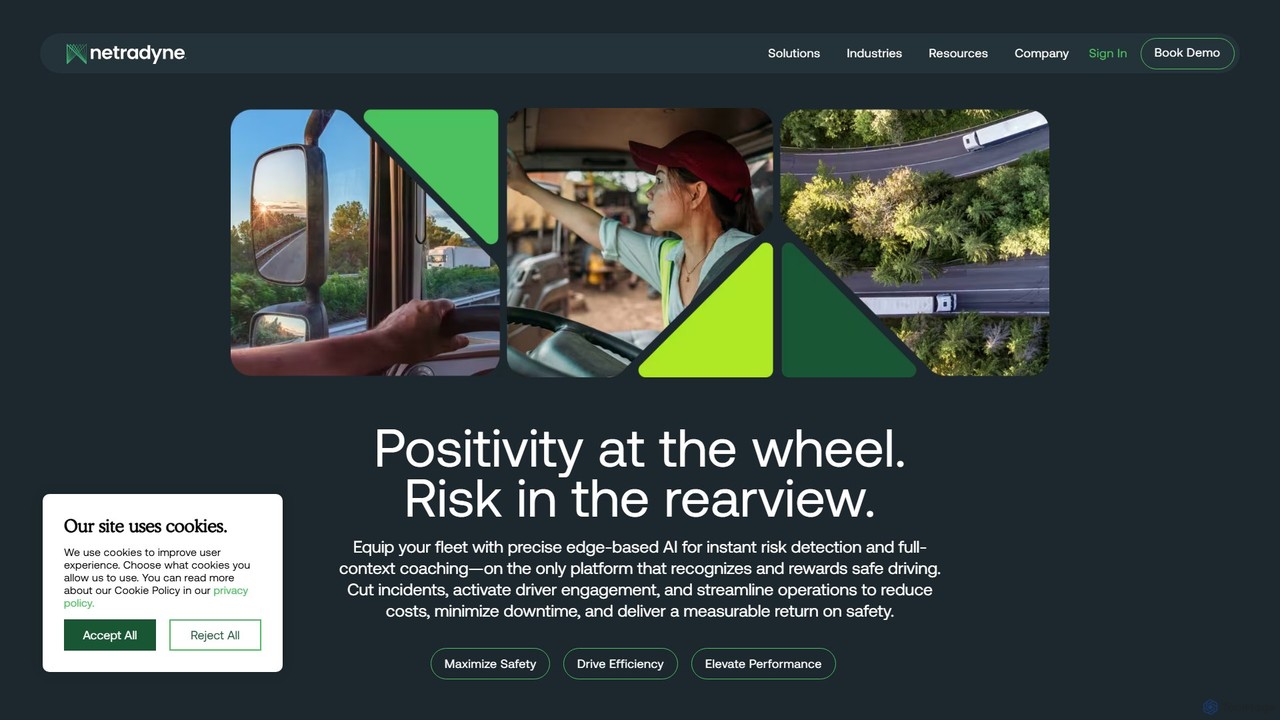
Netradyne is an AI-powered fleet safety and management platform featuring the Driver•i camera system. It analyzes 100% of drive time to provide real-time in-cab alerts, driver coaching, and comprehensive video data. The platform helps reduce risk, exonerate drivers, improve safety culture through positive reinforcement, and enhance overall operational efficiency for commercial fleets.
Compliance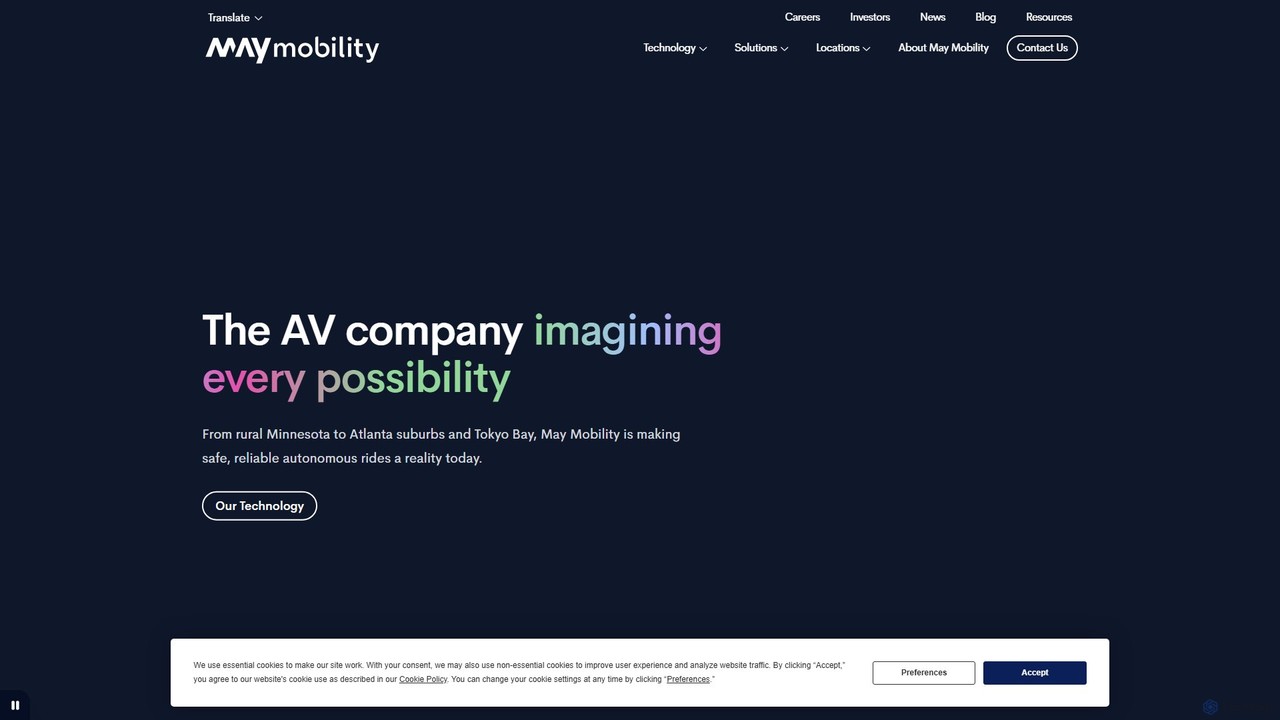
May Mobility is an autonomous vehicle (AV) technology company that develops and deploys self-driving transit solutions. Leveraging its proprietary Multi-Policy Decision Making (MPDM) AI, May Mobility provides safe, accessible, and reliable autonomous rides, partnering with cities, transit agencies, and businesses to solve transportation challenges.
LogisticsAI Transportation tools are a class of software that leverage artificial intelligence to optimize, manage, and automate the movement of people and goods. These tools utilize machine learning, predictive analytics, and computer vision to process vast amounts of real-time data from GPS, sensors, and traffic networks. Their primary value lies in creating more efficient, safer, and sustainable transportation systems, from individual vehicle navigation to large-scale logistics and urban traffic management. By analyzing complex variables, they enable dynamic route planning, autonomous vehicle operation, and proactive fleet maintenance.
AI Transportation tools are widely used in the logistics and supply chain industry for fleet management and last-mile delivery optimization. Municipal governments and urban planners use them for smart traffic control and public transit scheduling. Additionally, the automotive sector relies on these tools for developing autonomous driving systems, while airlines apply them to optimize flight paths and fuel consumption.
When selecting an AI Transportation tool, first assess its data integration capabilities with your existing systems, such as GPS trackers and vehicle telematics. Consider the tool's scalability to ensure it can handle the size of your fleet or the complexity of your network. Evaluate whether you need real-time analysis and dynamic adjustments or if batch processing is sufficient. Finally, choose a solution specialized for your specific domain, whether it's long-haul logistics, urban mobility, or maritime shipping.
A logistics manager for a regional courier service is responsible for ensuring hundreds of daily deliveries are completed on time. Using an AI transportation tool, the manager inputs all delivery addresses, vehicle capacities, and driver schedules. The system's algorithm instantly calculates the most efficient multi-stop routes for the entire fleet, considering real-time traffic data and predicted congestion. If an unexpected road closure occurs, the platform automatically re-routes the affected driver and notifies the manager. This results in a significant reduction in fuel costs, improved on-time delivery rates, and increased driver productivity by minimizing idle time.
A city's public transit authority manages a fleet of over 500 buses. To prevent unexpected breakdowns that disrupt service, they implement an AI-powered predictive maintenance system. The tool continuously collects and analyzes data from sensors on each bus's engine, brakes, and transmission. By identifying subtle anomalies in performance data that precede a failure, the AI flags specific buses for inspection. For example, it might detect a slight increase in engine temperature under load, predicting a coolant leak weeks in advance. This allows the maintenance team to schedule repairs during off-peak hours, preventing costly roadside failures and improving overall fleet reliability and passenger safety.
A city's traffic management center aims to reduce congestion in its downtown core. They deploy an AI system connected to traffic cameras and road sensors at major intersections. The AI analyzes real-time vehicle and pedestrian flow, dynamically adjusting traffic light timings to optimize throughput. During morning rush hour, it prioritizes green light time for major inbound arteries. If it detects a public bus approaching an intersection, it can extend the green light to help it stay on schedule. This adaptive control system reduces average commute times, lowers vehicle emissions from idling, and improves the overall flow of traffic without requiring costly physical road expansion.
A ride-sharing company wants to reduce passenger wait times and increase driver earnings. They use an AI platform that analyzes historical trip data, real-time traffic, weather forecasts, and local event schedules. The AI creates a dynamic 'heat map' of the city, predicting where and when demand for rides will surge. This information is pushed to drivers' apps, suggesting they move towards areas with high predicted demand before the surge actually happens. As a result, more drivers are available in the right places at the right times, leading to shorter wait times for riders, fewer 'dead miles' for drivers, and a more balanced supply-demand across the city.
A large e-commerce distribution center uses a fleet of AI-powered autonomous forklifts to manage inventory. When a new shipment arrives, the warehouse management system assigns tasks to the forklifts. Using a combination of LiDAR, cameras, and pre-loaded digital maps of the facility, each forklift navigates autonomously to the correct loading bay, picks up a pallet, and transports it to its designated storage location. The AI system coordinates the movements of all forklifts to avoid collisions and optimize traffic flow within the warehouse. This automation significantly increases the speed of inventory processing, reduces labor costs, and minimizes human error in pallet placement.
An international airline aims to reduce its significant fuel costs and carbon footprint. They adopt an AI platform that analyzes hundreds of variables for each flight, including aircraft type, payload weight, weather patterns, and air traffic control restrictions. Before takeoff, the system recommends the most fuel-efficient flight path and cruising altitude. During the flight, it provides real-time recommendations to pilots for minor speed and altitude adjustments to capitalize on favorable wind conditions. By optimizing these parameters across thousands of flights, the airline achieves a measurable reduction in annual fuel consumption, leading to substantial financial savings and a lower environmental impact.
AI Transportation tools are software applications that use artificial intelligence, particularly machine learning and predictive analytics, to improve the efficiency, safety, and management of moving people and goods. They process vast amounts of data from sources like GPS, traffic sensors, and vehicle telematics to make intelligent decisions. Key functions include optimizing delivery routes, predicting vehicle maintenance needs, managing urban traffic flow, and enabling autonomous navigation. Ultimately, these tools help transform traditional transportation and logistics into data-driven, automated systems.
Choosing the right AI Transportation tool requires evaluating several key factors. First, define your primary goal: are you optimizing last-mile delivery, managing a large fleet, or controlling city traffic? Select a tool specialized for that purpose. Second, assess data integration capabilities; ensure the tool can connect with your existing data sources like GPS, telematics, and order management systems. Third, consider scalability. The solution should be able to grow with your operations. Finally, evaluate the user interface and the level of support provided. A tool with an intuitive dashboard and responsive customer service will be easier to implement and manage.
Traditional GPS navigation, like Google Maps, is designed to find the fastest or shortest route for a single vehicle from point A to point B. AI route optimization is far more complex and is built for commercial operations with multiple vehicles and many stops. It solves the 'Traveling Salesperson Problem' on a massive scale by considering numerous constraints simultaneously, such as:
A wide range of industries and roles can benefit from AI Transportation tools. Key users include:
AI significantly enhances transportation safety in several ways. In autonomous and semi-autonomous vehicles, AI-powered computer vision and sensor fusion detect pedestrians, obstacles, and other vehicles, enabling features like automatic emergency braking and collision avoidance. For fleet management, predictive maintenance AI analyzes vehicle data to identify potential failures (e.g., brake wear, engine trouble) before they cause an accident. Furthermore, AI traffic management systems can analyze historical accident data to identify high-risk intersections and suggest infrastructure changes or adjust signal timings to reduce the likelihood of collisions.