
ToolMage
Sign in

Best 1 Conversational Video AI tools for Video

Popular Conversational Video AI tools in Video include StoryFile, helping you work more efficiently.

StoryFile
Paid

StoryFile

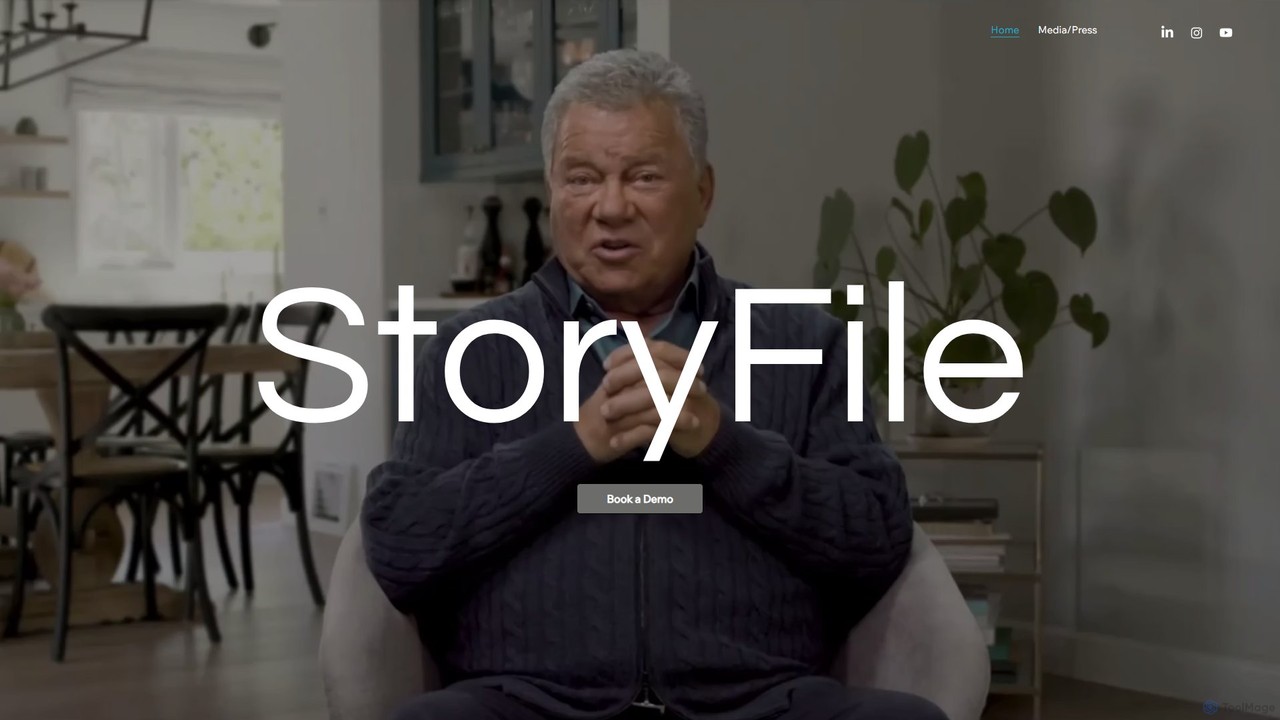
StoryFile is an AI-powered conversational video platform that allows users to have real-time, interactive conversations with pre-recorded video. It's used to preserve legacies, enhance education, and transform corporate communications by creating authentic, human-like interactions with historical figures, experts, and leaders.

Interactive Learning
Visits 18.3KFavorites 135Likes 127

About Conversational Video

Conversational Video tools are a specialized category of AI platforms that create interactive, two-way viewing experiences. They embed AI-powered avatars directly into videos, allowing viewers to speak or type questions and receive real-time, human-like responses. This transforms passive video content into an engaging dialogue, driven by natural language processing (NLP) and dynamic branching logic. The primary value lies in personalizing user journeys at scale, capturing qualified leads, and automating customer interactions in a more engaging format than traditional chatbots.

Core Features

  • Interactive Avatars: Generate or use AI characters that can listen and respond to user input in real-time.
  • Natural Language Processing (NLP): Understand the intent behind user questions in both text and voice formats.
  • Dynamic Content Branching: Alter the video's path and content based on the viewer's responses and questions.
  • Integrated Data Capture: Collect user information, such as names, emails, or demo bookings, directly within the conversation.
  • Engagement Analytics: Track viewer interaction paths, questions asked, and conversion rates to optimize performance.

Use Cases

These tools are highly effective for sales and marketing teams creating interactive landing pages, customer support departments for automated onboarding and FAQs, and HR for engaging employee training modules. They are also used in e-commerce to provide personalized shopping assistance and in real estate for interactive property tours.

How to Choose

When selecting a tool, evaluate the quality and realism of the AI avatars, the accuracy of its NLP engine, and its integration capabilities with your CRM or marketing automation software. Also consider the ease of use of the video script editor, the depth of the analytics provided, and whether the pricing model aligns with your expected usage and return on investment.

Conversational Video use cases

1

Interactive Lead Generation on Websites

A marketing manager embeds a conversational video on a key landing page. When a visitor arrives, an AI sales avatar greets them and asks qualifying questions like, 'What is your biggest business challenge?'. Based on the visitor's spoken answers, the AI can provide relevant information, show specific product features, and ultimately prompt the user to book a demo directly within the video by integrating with a calendar app. This automates the top-of-funnel sales process, increasing lead quality and conversion rates without requiring a live agent.

2

Automated Customer Onboarding and Support

A SaaS company uses a conversational video to guide new users through their platform. The video features a friendly AI guide that explains core features. New users can interrupt at any time to ask specific questions like 'How do I create a new project?' or 'Where can I find my billing information?'. The AI provides an immediate, relevant video segment answering the question, creating a personalized and efficient onboarding experience that reduces support tickets and improves user retention.

3

Personalized E-commerce Product Demos

An online electronics store places a conversational video on its high-end headphone product page. A virtual product expert appears and invites shoppers to ask questions. Customers can ask 'Does it have noise cancellation?' or 'What is the battery life?'. The AI avatar responds with pre-recorded video clips that showcase these specific features in action. This interactive engagement helps answer customer questions instantly, builds trust, and can increase add-to-cart rates by providing a richer experience than static text and images.

4

Engaging Corporate Compliance Training

An HR department replaces a passive, one-hour compliance presentation with an interactive conversational video. Employees engage with an AI trainer who presents various ethical scenarios. After each scenario, the AI asks the employee what they would do. The system records their choices, provides immediate feedback on their answers, and generates a completion certificate. This gamified approach improves knowledge retention, ensures active participation, and provides the company with auditable records of employee training completion.

5

Interactive Real Estate Virtual Tours

A real estate agency enhances its property listings with conversational video tours. A virtual agent guides potential buyers through a home. Viewers can ask questions like 'Show me the master bedroom again' or 'How old is the roof?'. The video dynamically jumps to the relevant section or provides a text overlay with the requested information. This allows buyers to explore properties on their own terms, 24/7, pre-qualifying their interest before scheduling an in-person visit and saving agents significant time.

6

Scalable Pre-Screening of Job Applicants

A recruitment team uses a conversational video to conduct initial interviews. Candidates interact with an AI recruiter who asks a standard set of screening questions about their experience, skills, and availability. The platform records and transcribes the candidates' video responses. This allows hiring managers to review a high volume of applicants quickly and consistently, focusing their time on the most promising candidates for live interviews. It also provides a modern and engaging experience for applicants.

Conversational Video FAQ

What is Conversational Video?

Conversational Video is a type of interactive media where viewers can have a two-way dialogue with an AI-powered character or avatar within the video itself. Unlike traditional, passive video, it uses Natural Language Processing (NLP) to understand and respond to user questions via voice or text. This creates a personalized experience where the video's content can change based on the conversation, making it ideal for sales, customer support, and training.

How is Conversational Video different from a standard chatbot?

The key difference lies in the medium and level of engagement. A standard chatbot is primarily text-based and operates in a chat widget. Conversational Video embeds the interactive element within a rich video format, featuring a human-like AI avatar that adds a personal, face-to-face element to the interaction. This visual and auditory engagement is often more effective at capturing attention and building trust than a simple text interface. It combines the personality of video with the interactivity of a chatbot.

What are the main benefits of using Conversational Video?

The primary benefits are increased user engagement, higher conversion rates, and improved scalability of personal interactions. Key advantages include:

  • Higher Engagement: The interactive, face-to-face format holds viewer attention longer than passive video or text.
  • Lead Qualification: It can automatically ask questions to qualify leads 24/7, freeing up sales teams.
  • Personalization at Scale: It delivers tailored information to each user based on their specific questions and needs.
  • Rich Data Collection: It captures valuable insights from user conversations, revealing customer pain points and interests.

Who is the ideal user for Conversational Video tools?

Conversational Video tools are ideal for businesses and professionals focused on digital engagement and automation. This includes marketing teams looking to increase landing page conversions, sales teams aiming to automate lead qualification, customer success departments creating interactive onboarding guides, and HR professionals developing engaging training modules. Any organization that wants to scale one-on-one conversations in a more human and engaging way than traditional methods can benefit from these tools.

How should I choose a Conversational Video platform?

When selecting a platform, consider four key factors. First, evaluate the AI Avatar Quality—how realistic and customizable are the characters? Second, assess the NLP Accuracy to ensure it can reliably understand user questions. Third, check its Integration Capabilities with essential tools like your CRM, calendar, or marketing platform. Finally, review the Analytics and Reporting features to ensure you can measure performance and gain insights from the conversations.