ToolMage
Sign in

Best 2 Video Streaming AI tools for Video

Popular Video Streaming AI tools in Video include Zero1cine and LingoSub, helping you work more efficiently.

Zero1cine
Free

Zero1cine

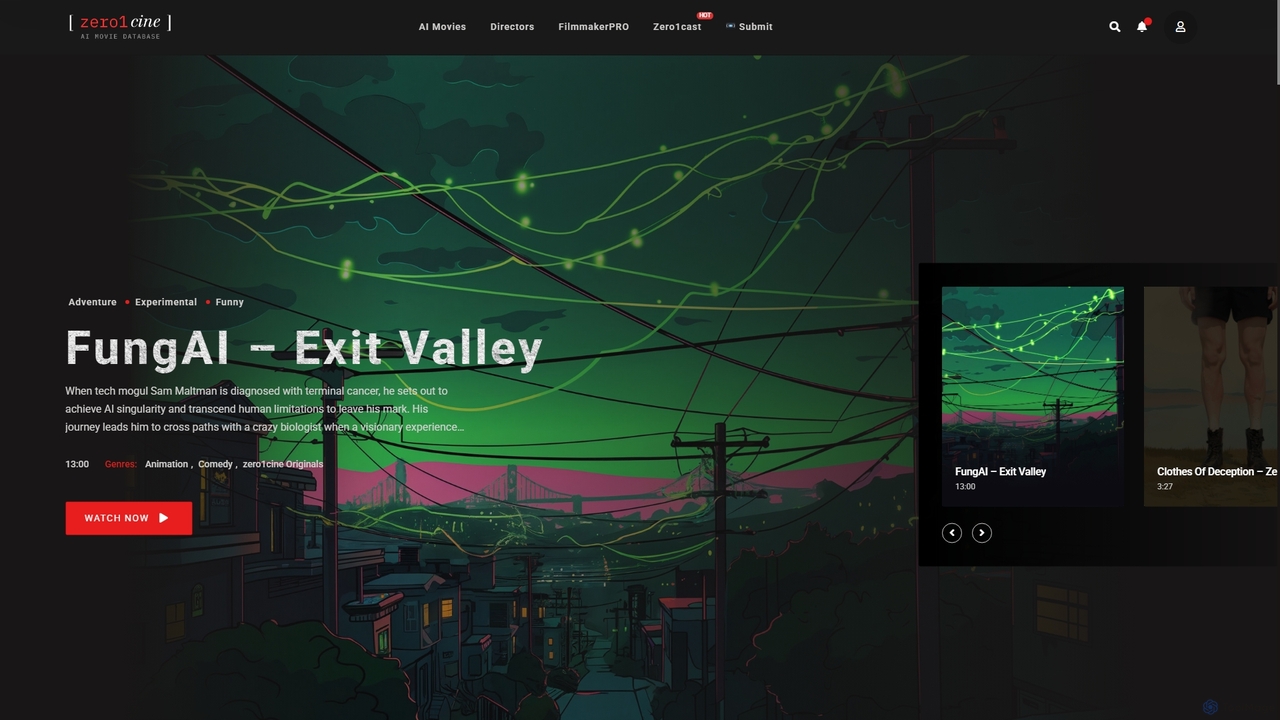
Zero1cine is a pioneering streaming platform and database dedicated to AI-generated films. It serves as a curated showcase for the best in AI cinema, empowering artists by providing a dedicated space to feature their work. Often described as the 'IMDb and Netflix for AI films,' it also offers free resources like the FilmmakerPRO GPT and the 'zero1cast' podcast to support the creative community.

Filmmaking
Visits 37.1KFavorites 110Likes 113
LingoSub
Freemium

LingoSub

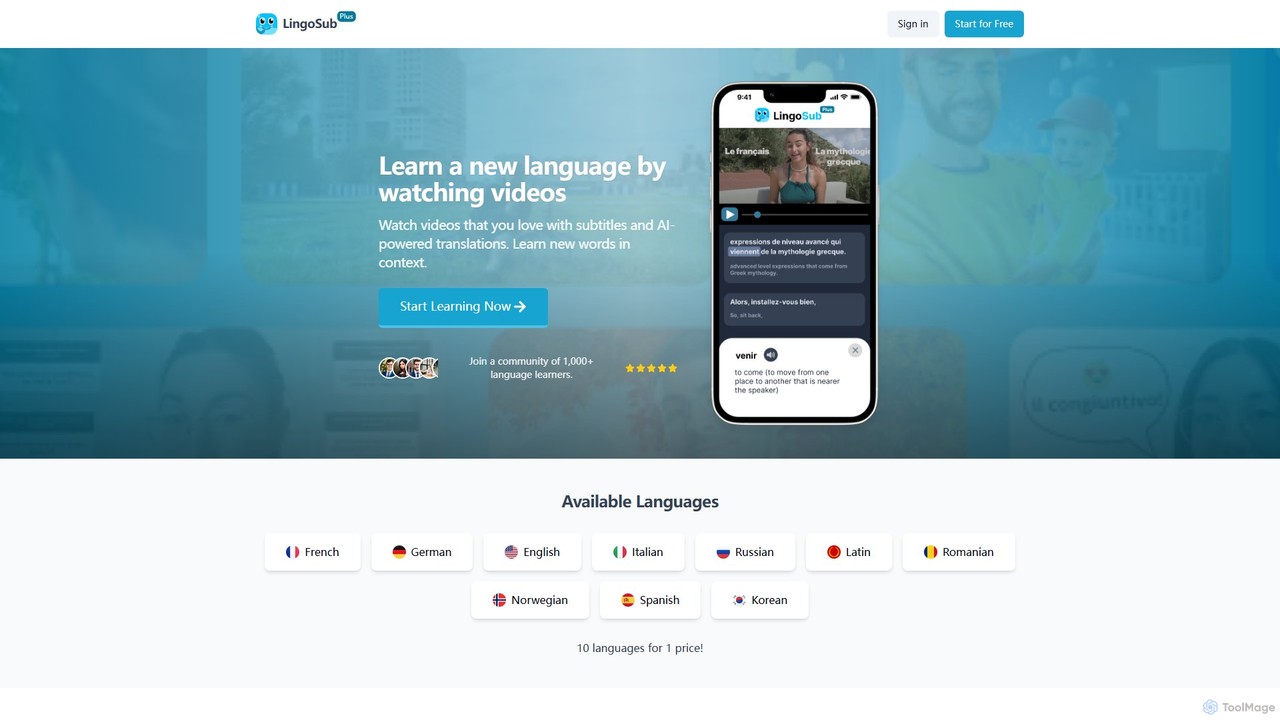
LingoSub is an innovative language learning platform that uses video content to teach languages. Based on the comprehensible input method, it allows users to watch a vast library of videos with dual-language subtitles. Users can click on any word for instant definitions and pronunciations, making it an immersive and contextual way to acquire new vocabulary and phrases for learners of all levels.

Language Learning
Visits 4.3KFavorites 99Likes 92

About Video Streaming

Video Streaming tools are AI-powered platforms designed to efficiently deliver live or on-demand video content to audiences across various devices and networks. These tools leverage advanced AI algorithms for tasks like adaptive bitrate streaming, real-time content encoding, and personalized content recommendations. They enable seamless, high-quality video distribution, enhancing viewer experience and expanding reach for content creators, businesses, and educators.

Core Features

  • Adaptive Bitrate Streaming: Automatically adjusts video quality based on viewer's network conditions for uninterrupted playback.
  • Real-time Encoding & Transcoding: Converts video into multiple formats and resolutions on the fly, optimizing for different devices and bandwidths.
  • Content Delivery Network (CDN) Integration: Distributes video content globally through edge servers, reducing latency and improving loading times.
  • Audience Engagement Tools: Incorporates features like live chat, polls, Q&A, and interactive overlays to foster viewer participation.
  • Monetization Options: Supports various revenue models including subscriptions (SVOD), pay-per-view (TVOD), and advertising (AVOD).

Applicable Scenarios

Video Streaming tools are essential for organizations and individuals requiring robust video distribution. They are widely used by media companies for broadcasting live events, e-learning platforms for delivering interactive courses, and businesses for internal communications or product launches. Content creators also utilize them to build and monetize their audience through personalized live streams and on-demand libraries.

How to Choose

When selecting a Video Streaming tool, consider its scalability to handle varying audience sizes, the latency for live broadcasts, and the quality of video output. Evaluate the available monetization options, integration capabilities with existing platforms, and the robustness of analytics for audience insights. User-friendliness and technical support are also crucial for a smooth operational experience.

Featured tool rankings

Video Streaming use cases

1

Live Event Broadcasting

Media companies and event organizers use AI video streaming tools to broadcast concerts, sports events, or conferences globally. These tools ensure low-latency delivery, high-quality adaptive streaming, and interactive features like live chat, allowing millions of viewers to participate in real-time, regardless of their location or device.

2

On-Demand E-Learning Platforms

Educational institutions and course creators leverage video streaming for delivering interactive online courses. AI-powered features enable personalized content recommendations, automatic chaptering, and adaptive playback, ensuring students receive an optimized learning experience with seamless access to lectures and tutorials.

3

Interactive Product Launches

Marketing teams utilize video streaming to host engaging virtual product launches or demonstrations. Tools offer features like integrated polls, Q&A sessions, and clickable overlays, allowing brands to directly interact with potential customers, gather immediate feedback, and drive conversions in a dynamic, immersive environment.

4

Corporate Internal Communications

Large enterprises deploy video streaming solutions for town halls, training sessions, and executive broadcasts to their global workforce. Secure, private streaming ensures sensitive information is shared efficiently and reliably, with features like audience segmentation and detailed viewership analytics for compliance and engagement tracking.

5

Gaming & Creator Live Streams

Individual gamers and content creators use video streaming platforms to broadcast their gameplay or creative processes live to their communities. These tools provide robust encoding, chat moderation, and donation/subscription integrations, enabling creators to build a loyal audience and monetize their content in real-time.

6

Virtual Fitness & Wellness Classes

Fitness instructors and wellness coaches employ video streaming to offer live and on-demand classes to a global clientele. Features like scheduled broadcasts, payment gateway integration, and interactive elements allow them to scale their reach beyond physical locations, providing accessible and engaging health and fitness content.

Video Streaming FAQ

What are Video Streaming tools?

Video Streaming tools are AI-enhanced platforms that facilitate the delivery of video content, either live or on-demand, over the internet to a wide range of devices. They utilize technologies like adaptive bitrate streaming and content delivery networks (CDNs) to ensure high-quality, low-latency playback. Their primary purpose is to enable efficient and engaging distribution of video for entertainment, education, marketing, and communication.

How do AI features enhance Video Streaming?

AI significantly enhances Video Streaming by optimizing various aspects of content delivery and user experience. AI algorithms power adaptive bitrate streaming, automatically adjusting video quality based on network conditions. They also enable intelligent content recommendations, personalized user interfaces, automated content moderation, and advanced analytics for audience behavior, leading to more efficient delivery and engaging interactions.

What's the difference between Video Streaming and general Video Production tools?

Video Streaming tools focus on the delivery and distribution of video content, ensuring it reaches viewers efficiently and with high quality. This includes encoding, hosting, CDN integration, and playback. In contrast, general Video Production tools are used for creating and editing video content, encompassing tasks like filming, editing, special effects, and audio mixing. While they are complementary, streaming tools are about getting the finished video to the audience, whereas production tools are about making the video itself.

What are the key considerations for choosing a Video Streaming platform?

When selecting a Video Streaming platform, key considerations include scalability to accommodate your audience size, the level of latency required for live broadcasts, and the overall video quality (resolution, bitrate). Evaluate the platform's monetization options (subscriptions, ads, pay-per-view), integration capabilities with your existing tech stack, and the depth of its analytics for audience insights. Security features and customer support are also vital.

Who typically uses Video Streaming tools?

Video Streaming tools are used by a diverse range of individuals and organizations. This includes media and entertainment companies for broadcasting, educational institutions for e-learning, businesses for internal communications and marketing, and individual content creators (e.g., gamers, vloggers, fitness instructors) for building and monetizing their online presence. Anyone looking to distribute video content effectively to an audience can benefit from these tools.