Video Best in category 5 results Voiceover AI Tool

Popular AI tools in the Voiceover field of Video include Text to Speech Online、Voxify、beepbooply、VanillaVoice、PromoMix, etc., helping you quickly improve efficiency.

Voxify

Voxify

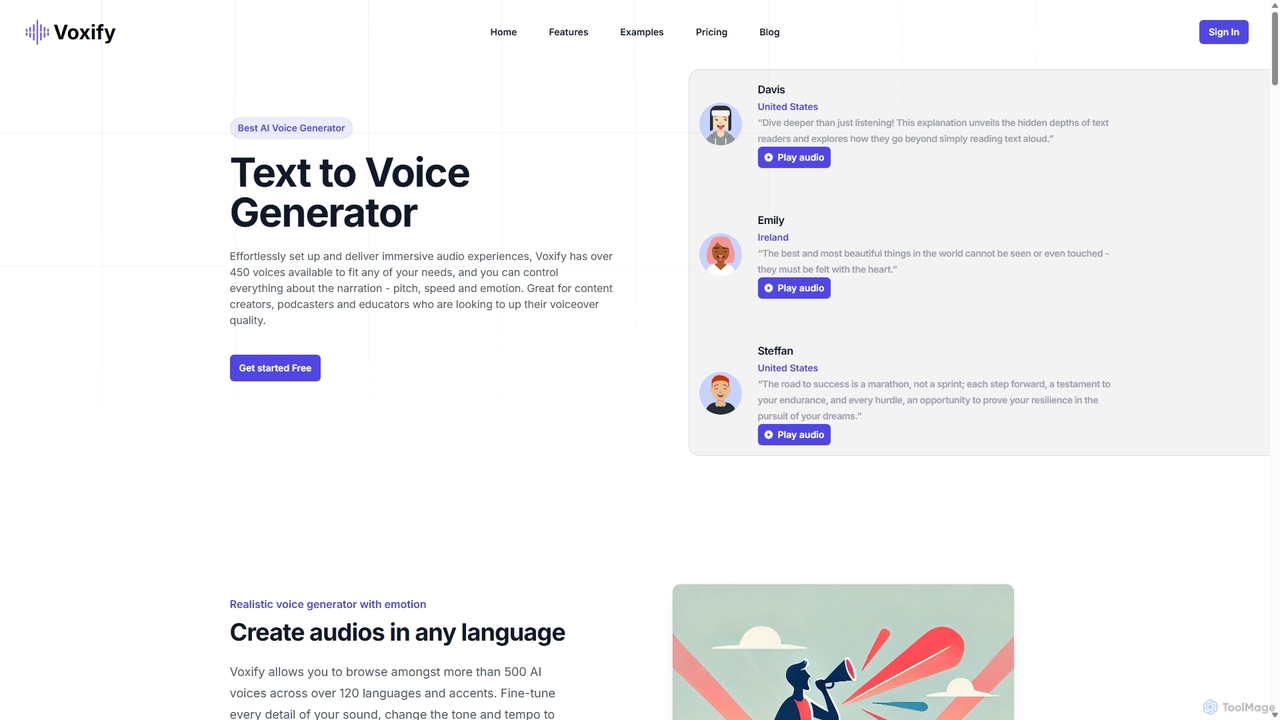
Voxify is a powerful AI voice generator that converts text to speech with remarkable realism. It offers over …

68.2K
VanillaVoice

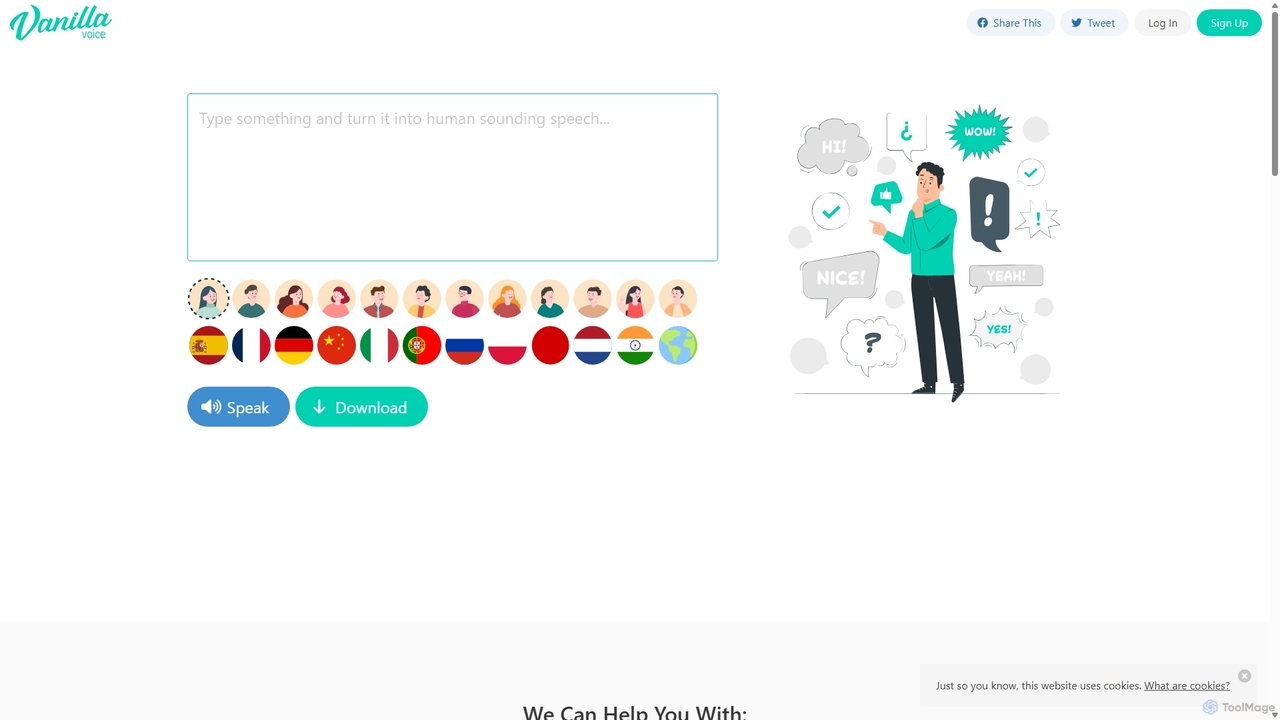
VanillaVoice

VanillaVoice is an AI-powered text-to-speech generator that converts written text into incredibly natural, human-sounding audio. It supports a …

4.1K
PromoMix

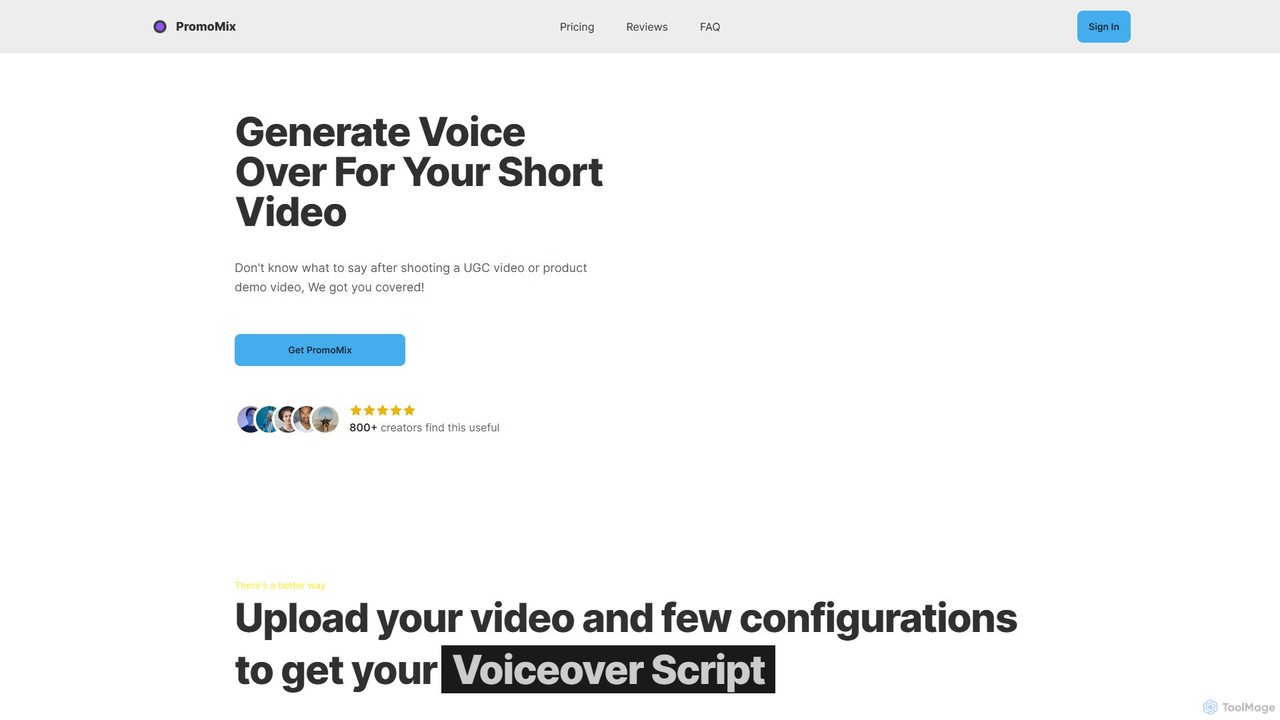
PromoMix

PromoMix is an AI-powered platform that automatically generates professional voiceovers and scripts for your short videos. Simply upload …

2.7K
Free
Text to Speech Online

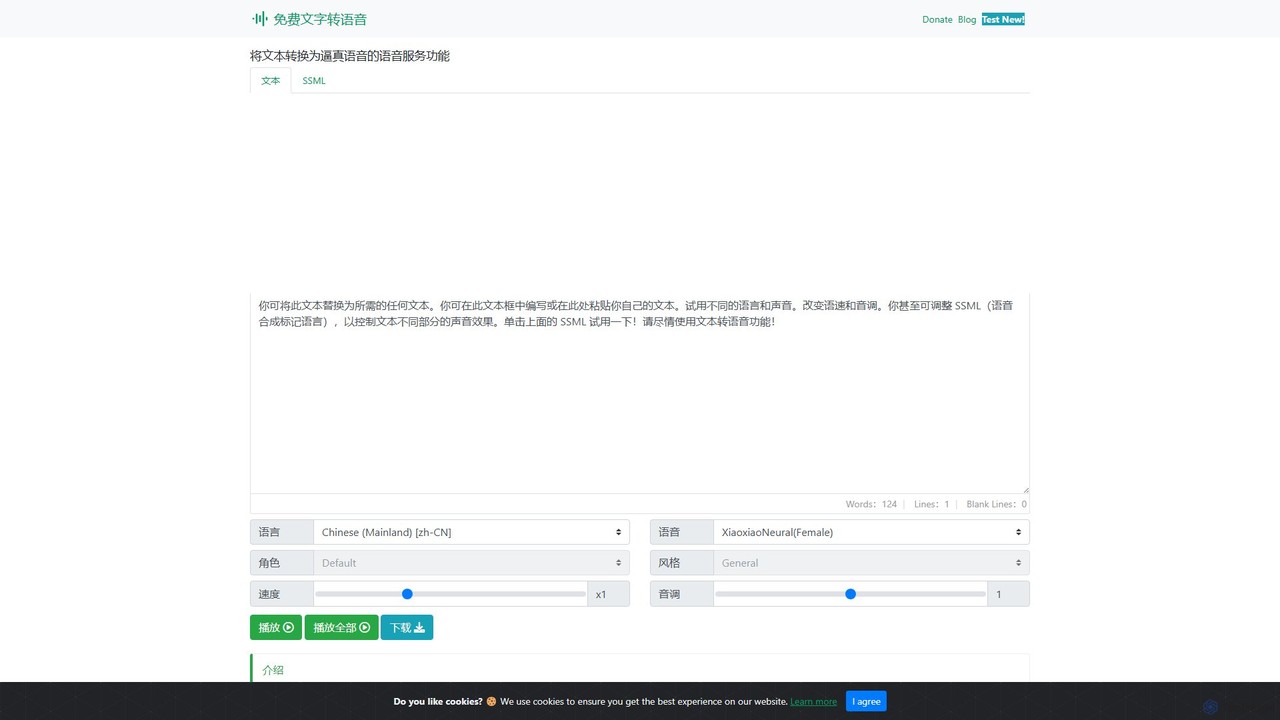
Text to Speech Online

A free, powerful online text-to-speech converter that uses advanced AI to generate realistic, human-like voices. It supports over …

466.1K
beepbooply

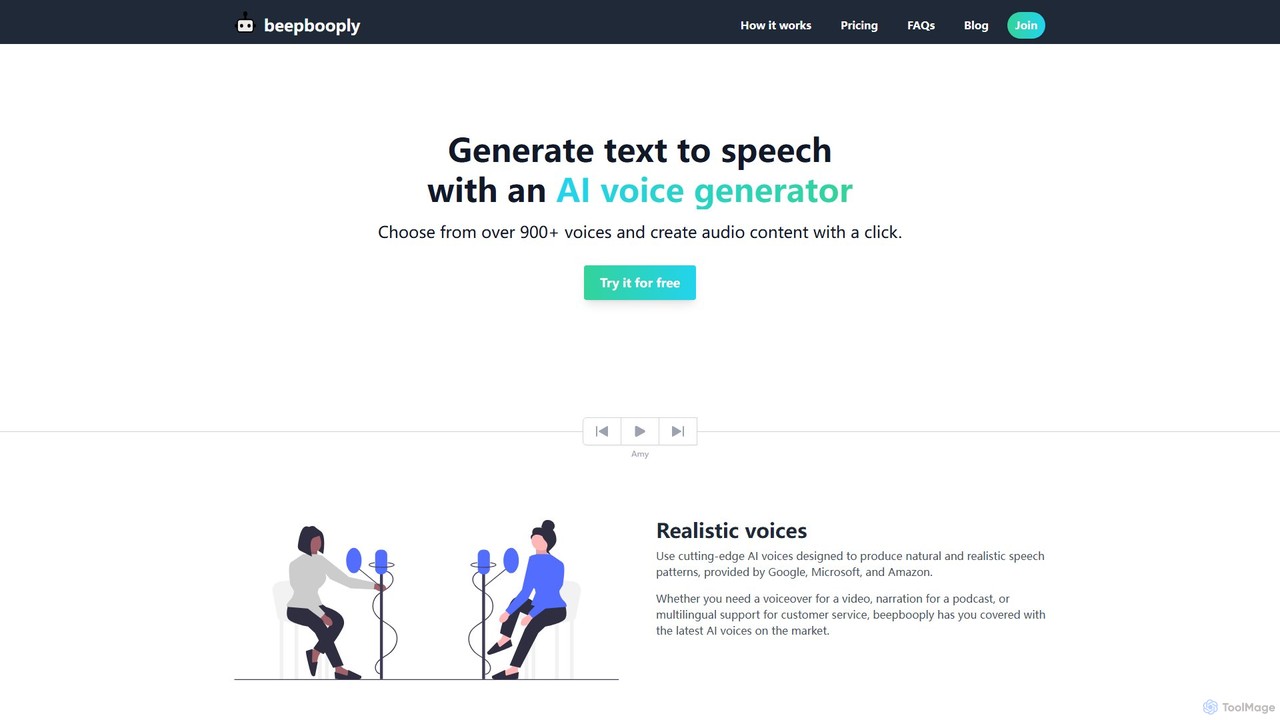
beepbooply

beepbooply is an AI-powered text-to-speech generator that creates realistic and natural-sounding audio content. It offers over 900 voices …

4.1K

About Voiceover

AI Voiceover tools are a class of software that uses advanced text-to-speech (TTS) technology to generate realistic, human-like narration from text. These tools leverage deep learning and neural networks to analyze text and synthesize audio that mimics human intonation, rhythm, and emotion. They provide a scalable and cost-effective solution for creating high-quality audio for videos, presentations, and other digital content without the need for professional voice actors or recording equipment. This makes them particularly valuable for rapid content production and localization.

Core Features

  • Realistic Voice Synthesis: Generates natural-sounding speech in various styles, genders, and ages using advanced AI models.
  • Voice Cloning: Creates a digital replica of a specific voice from a short audio sample for consistent branding.
  • Emotional & Tonal Control: Allows users to adjust the emotional tone, pitch, speed, and emphasis of the generated voice.
  • Multi-language & Accent Support: Offers a vast library of voices across numerous languages and regional accents for global content.
  • Audio-Video Synchronization: Provides tools to easily time the generated voiceover with video clips for seamless integration.

Use Cases

AI Voiceover tools are widely used by content creators for YouTube videos, podcasters, and e-learning developers to produce consistent and clear narration. Marketers also utilize them for creating voiceovers for advertisements and promotional videos, enabling quick iterations and A/B testing of scripts. Additionally, businesses use them for corporate training materials and automated voice response (IVR) systems.

How to Choose

When selecting an AI Voiceover tool, first evaluate the naturalness and quality of the voices offered. Consider the breadth of the language and accent library to ensure it meets your target audience's needs. Assess the level of customization available, such as control over pitch, speed, and emotional expression. Finally, review the pricing model (e.g., subscription vs. per-character) and check for API access if you need to integrate the service into your own applications.

VoiceoverUse Cases

1

Narration for YouTube & Social Media Videos

Content creators often need consistent, clear, and engaging voiceovers for their educational or entertainment videos. Using an AI Voiceover tool, a creator can simply paste their script, select a preferred voice and style, and generate the full audio track in minutes. This process eliminates the need for expensive recording equipment and the time-consuming task of recording and editing their own voice. It allows for rapid production, easy script updates, and maintaining a consistent channel voice, even when producing dozens of videos per month.

2

Developing Corporate & E-learning Modules

Instructional designers and corporate trainers are tasked with creating training materials for a diverse, often global, workforce. AI Voiceover tools enable them to produce high-quality narration for e-learning courses and training videos efficiently. A key advantage is localization; the same script can be converted into multiple languages using native-sounding voices, making training accessible to employees worldwide. Furthermore, if a policy or procedure changes, only the relevant text needs to be updated to regenerate the audio, ensuring materials are always current without re-hiring voice actors.

3

Audiobook and Podcast Production

Authors and podcasters can leverage AI Voiceover tools to convert written content, such as books or articles, into audio formats. This significantly lowers the barrier to entry for audiobook production, which traditionally requires substantial investment in studio time and professional narrators. An author can generate an entire audiobook, experiment with different narrator voices for different characters, and distribute their work on audio platforms. For podcasters, it's a useful tool for creating standardized intros, outros, or even voicing entire segments, ensuring a professional sound quality throughout.

4

Creating Voiceovers for Marketing & Ads

Marketing teams need to produce promotional content quickly and often test multiple versions of an ad to see what resonates with the audience. AI Voiceover tools are ideal for this workflow. A marketer can generate voiceovers for a video ad with several different scripts or emotional tones (e.g., energetic, trustworthy, calm) in a matter of hours, not days. This allows for rapid A/B testing to optimize campaign performance. It also facilitates the creation of localized ad versions for different international markets by simply translating the script and selecting an appropriate local accent.

5

Generating Accessibility Content

Web developers and content managers are increasingly focused on making digital content accessible to everyone, including users with visual impairments. An AI Voiceover tool can be used to automatically convert written articles, blog posts, and website text into high-quality audio. This audio version can be embedded on the page, allowing users to listen to the content instead of reading it. This not only improves compliance with accessibility standards like WCAG but also enhances the user experience for a broader audience, such as those who prefer to consume content audibly while multitasking.

6

Building IVR and Virtual Assistant Voices

Developers creating interactive voice response (IVR) systems for call centers or building virtual assistants need dynamic, natural-sounding voice prompts. Instead of using pre-recorded, static audio files, they can integrate an AI Voiceover API. This allows the system to generate responses in real-time, personalizing interactions by including a customer's name or specific order details. Using high-quality AI voices enhances the user experience, making the automated system sound more human and less robotic, which can lead to higher customer satisfaction.

VoiceoverFrequently Asked Questions