ToolMage
Sign in

Best 1 Cms AI tools for Web Development

Popular Cms AI tools in Web Development include wpproconverter, helping you work more efficiently.

wpproconverter
Paid

wpproconverter

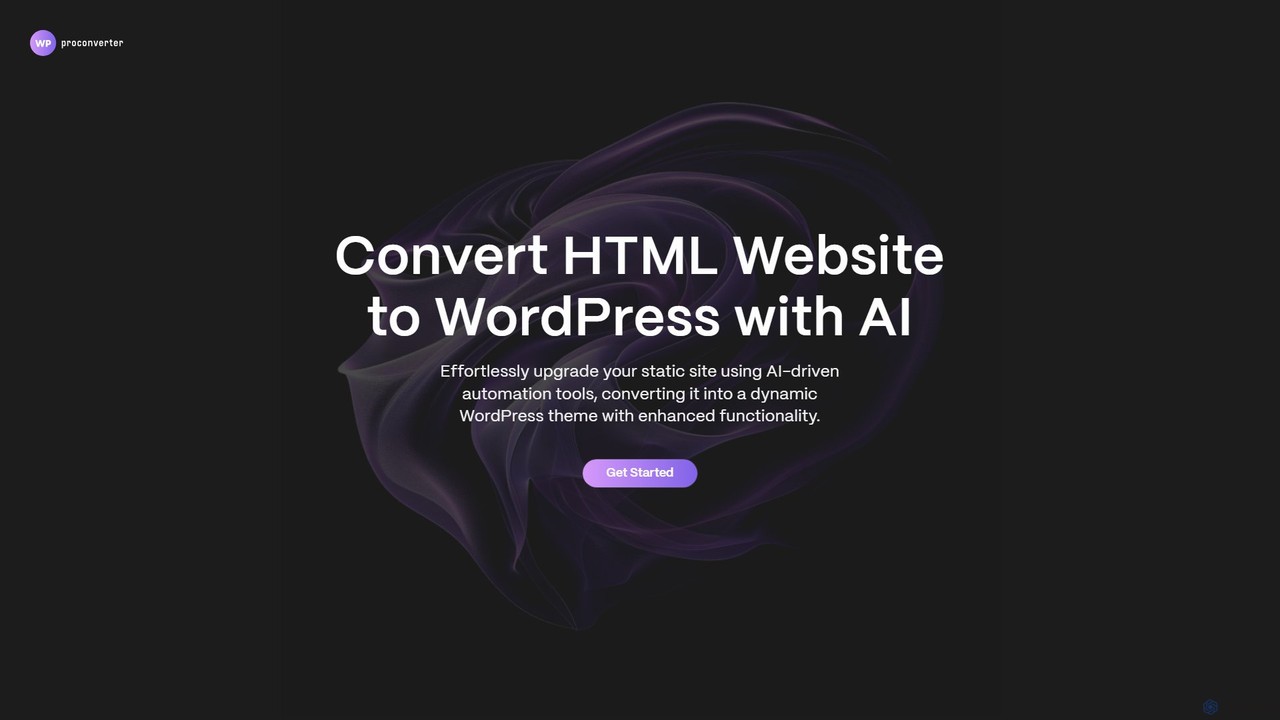
An AI-powered service that effortlessly converts static HTML websites into dynamic, fully functional WordPress themes. It uses automation and AI to generate pages and dynamic content sections, ensuring a pixel-perfect conversion with the added quality assurance of human verification for every project.

Website Builder
Visits 7.3KFavorites 95Likes 106

About Cms

CMS (Content Management System) tools are designed to streamline the creation, editing, publishing, and management of digital content for websites and applications. As a vital component of web development, AI-enhanced CMS platforms or those integrated with AI tools leverage artificial intelligence to automate content generation, optimize SEO, and personalize user experiences. These advancements significantly boost content operational efficiency and deliver more engaging digital interactions.

Core Features

  • AI Content Generation: Automatically drafts articles, product descriptions, and marketing copy based on prompts.
  • Intelligent SEO Optimization: Provides AI-driven suggestions for keywords, readability, and content structure to improve search rankings.
  • Personalization & Recommendation: Delivers tailored content and product suggestions to users based on their behavior and preferences.
  • Automated Content Tagging: Uses AI to automatically categorize and tag content, improving organization and searchability.
  • Multilingual Content Management: Facilitates automated translation and localization of website content for global audiences.

Applicable Scenarios

AI-powered CMS tools are invaluable for content creators, marketers, and e-commerce businesses. They enable bloggers to rapidly generate article drafts, allow online retailers to automate unique product descriptions, and help marketing teams personalize content delivery for targeted campaigns, streamlining workflows across various digital platforms.

How to Choose

When selecting an AI-integrated CMS, consider the specific AI capabilities offered, such as content generation quality or personalization depth. Evaluate its integration potential with your existing marketing and CRM tools, and assess its scalability to accommodate future growth. Additionally, factor in the platform's ease of use and the level of technical expertise required for implementation and maintenance.

Featured tool rankings

Cms use cases

1

Automated Blog Post Generation

Content creators and bloggers can leverage AI-powered CMS tools to rapidly generate drafts for articles, blog posts, and news updates. By inputting a topic or a few keywords, the AI assists in structuring the content, suggesting relevant points, and even drafting paragraphs, significantly reducing the time spent on initial writing and research. This allows for a higher volume of fresh content to be published consistently, keeping audiences engaged and improving SEO.

2

E-commerce Product Description Optimization

Online retailers managing large product catalogs can use AI-integrated CMS to automate the generation of unique, SEO-friendly product descriptions. Instead of manually writing each one, the AI can create compelling descriptions, variations, and even translate them for international markets, based on product specifications. This not only saves immense time but also ensures consistency and optimizes product pages for search engines, potentially increasing conversion rates.

3

Personalized User Experience Delivery

Marketing teams and publishers can utilize AI-driven CMS platforms to deliver highly personalized content and product recommendations to individual users. By analyzing user behavior, browsing history, and preferences, the AI dynamically adjusts website content, calls-to-action, and product displays. This tailored approach enhances user engagement, improves navigation, and increases the likelihood of conversions by presenting the most relevant information at the right time.

4

Multilingual Website Content Management

Global businesses and organizations often need to manage content in multiple languages. AI-integrated CMS tools can automate the translation and localization process, ensuring that website content is accurately adapted for different linguistic and cultural contexts. This capability significantly reduces manual translation efforts, speeds up content deployment across various regions, and helps maintain brand consistency while reaching a broader international audience effectively.

5

SEO Content Auditing & Improvement

SEO specialists and content strategists can utilize AI within CMS platforms to conduct comprehensive audits of existing content. The AI analyzes content for keyword density, readability, relevance, and adherence to SEO best practices, providing actionable recommendations for improvement. This allows teams to continuously optimize their content for better search engine rankings, identify gaps, and ensure that all published material contributes effectively to their digital marketing goals.

6

Dynamic Landing Page Creation for Campaigns

Digital marketers frequently need to create numerous landing pages for various campaigns, often requiring rapid deployment and A/B testing. AI-assisted CMS tools enable marketers to quickly generate multiple versions of landing pages, complete with optimized headlines, body copy, and calls-to-action, based on campaign goals and target audience data. This accelerates the campaign setup process, facilitates efficient experimentation, and helps identify the most effective page designs for maximizing conversion rates.

Cms FAQ

What is a CMS (Content Management System)?

A CMS (Content Management System) is a software application or a set of related programs used to create and manage digital content. It provides a user-friendly interface for content creation, editing, publishing, and organization without requiring extensive technical knowledge. In the context of AI, a CMS can integrate artificial intelligence features to automate content workflows, personalize user experiences, and optimize content for search engines, making content management more efficient and effective.

How does AI enhance traditional CMS platforms?

AI significantly enhances traditional CMS platforms by introducing automation, personalization, and optimization capabilities. It can automate content generation (e.g., drafting articles, product descriptions), provide intelligent SEO suggestions, and facilitate dynamic content personalization based on user behavior. Furthermore, AI assists in content moderation, automated tagging, and multilingual translation, transforming a static content repository into a dynamic, intelligent content hub that improves efficiency and user engagement.

What are the key benefits of using an AI-powered CMS?

The key benefits of an AI-powered CMS include enhanced efficiency through automation of repetitive tasks like content generation and tagging, leading to significant time and cost savings. It improves content quality and SEO performance with AI-driven optimization suggestions, boosting visibility. Furthermore, AI enables deeper content personalization, delivering more relevant experiences to users and increasing engagement and conversion rates. It also supports better scalability for managing large volumes of content and adapting to global audiences.

What should I consider when choosing an AI-integrated CMS?

When choosing an AI-integrated CMS, consider the specific AI functionalities that align with your needs, such as content generation quality, personalization depth, or SEO analysis capabilities. Evaluate its integration with your existing tech stack (CRM, marketing automation, analytics) and its scalability to handle future content volume and user traffic. Also, assess the platform's ease of use, the level of technical support, and the overall cost, including licensing, implementation, and maintenance fees, to ensure it fits your budget and team's expertise.

Is a headless CMS with AI different from a traditional CMS with AI?

Yes, there are fundamental differences. A traditional CMS with AI typically integrates AI features directly into its monolithic structure, managing both the content backend and the frontend presentation. A headless CMS with AI, however, separates the content repository (backend) from the presentation layer (frontend). AI features in a headless CMS often focus on content enrichment, optimization, and delivery via APIs, offering greater flexibility for developers to build custom frontends across various platforms (websites, mobile apps, IoT devices) while still benefiting from AI-driven content intelligence.