ToolMage
Sign in

Best 2 Internationalization AI tools for Web Development

Popular Internationalization AI tools in Web Development include i18now and Translation Strings, helping you work more efficiently.

Freemium

Translation Strings

Translation Strings is an AI-powered platform designed for developers to effortlessly manage and automate app localization. Leveraging GPT, it translates strings into multiple languages, allows for context addition to improve accuracy, and integrates seamlessly into development workflows via API and JSON exports. It simplifies the i18n process, saving time and costs compared to traditional methods.

Localization
Visits 3.4KFavorites 113Likes 132
Freemium

i18now

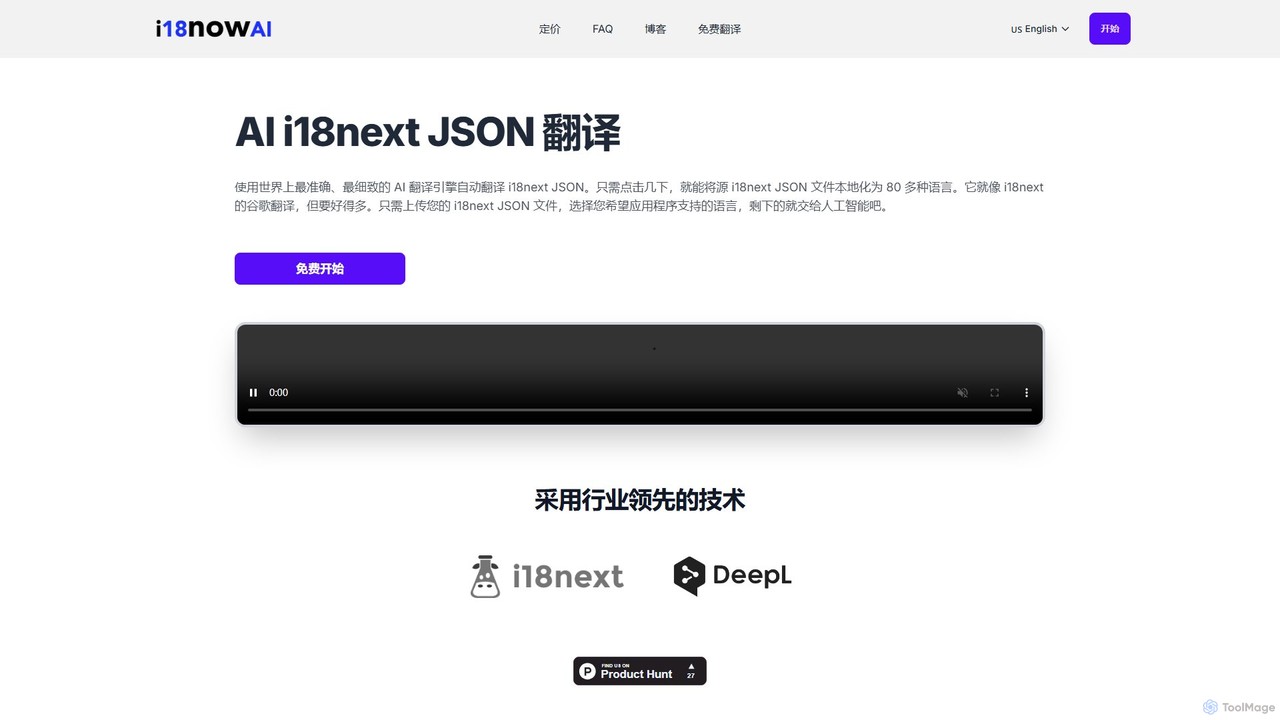
i18now is an AI-powered translation tool designed for developers using the i18next framework. It leverages the DeepL API to automatically translate i18next JSON files into over 80 languages with high accuracy. This service streamlines the localization process for web apps built with React, Vue.js, or Next.js, eliminating the need for manual translation. It features a simple, pay-as-you-go pricing model, making it a cost-effective solution for expanding an app's global reach.

Localization
Visits 5KFavorites 132Likes 139

About Internationalization

Internationalization tools are AI-powered solutions designed to prepare web applications and digital content for global audiences by enabling adaptation to various languages, regions, and cultures without requiring core code changes. These tools leverage advanced natural language processing (NLP) and machine learning to automate and streamline complex localization workflows, ensuring a seamless and culturally relevant user experience worldwide. They empower developers and content teams to efficiently manage multilingual assets, adapt user interfaces, and maintain consistency across diverse markets, significantly reducing the time and effort traditionally associated with global expansion.

Core Features

  • Automated Content Translation: AI-driven translation of text, UI elements, and dynamic content, often with context awareness.
  • Localization Workflow Management: Centralized platforms for managing translation memories, glossaries, and localization projects across multiple languages.
  • Cultural Adaptation & Formatting: AI assistance in adapting date, time, currency, number formats, and even visual elements to specific regional conventions.
  • Terminology Consistency Check: Ensuring consistent use of brand-specific terms and technical jargon across all localized content.
  • Quality Assurance & Error Detection: AI-powered checks for linguistic errors, formatting issues, and cultural appropriateness in localized versions.

Use Cases

Web developers and content managers utilize internationalization tools to build and maintain global websites and applications. For instance, an e-commerce platform expanding into new markets can use these tools to automatically translate product descriptions, user reviews, and checkout processes, while also adapting currency and payment methods. Similarly, SaaS companies can localize their entire application interface and help documentation, ensuring users in different countries receive a native-like experience.

How to Choose

When selecting internationalization tools, prioritize solutions offering robust AI-powered translation quality and context understanding. Evaluate their integration capabilities with existing development frameworks and content management systems (CMS). Consider the breadth of supported languages and regional formats, as well as features for collaborative workflow management. Finally, assess the level of customization for terminology and style guides, and the scalability to handle future growth.


Featured tool rankings

Internationalization use cases

1

Automating Website Content Localization

For marketing teams launching a global website, AI internationalization tools automatically translate and adapt website copy, blog posts, and landing pages for multiple target markets, ensuring cultural relevance and SEO effectiveness. This saves significant manual translation time and ensures consistent brand messaging across all regions.

2

Streamlining E-commerce Product Catalog Translation

E-commerce businesses expanding internationally use these tools to translate thousands of product titles, descriptions, and specifications into various languages. AI ensures consistency in technical terms and adapts pricing formats, accelerating market entry and improving customer experience in local markets.

3

Localizing SaaS Application User Interfaces

Software development teams employ internationalization tools to translate and adapt their application's UI elements, error messages, and notifications for users worldwide. This provides a native language experience, reducing support queries and increasing user adoption in non-English speaking regions.

4

Managing Multilingual Help Documentation & FAQs

Customer support departments leverage AI internationalization to translate and maintain up-to-date help articles, FAQs, and knowledge bases in numerous languages. This enables self-service support for global customers, reducing the burden on support agents and improving customer satisfaction.

5

Ensuring Consistent Brand Messaging Across Regions

Global marketing departments use these tools to maintain brand voice and terminology consistency across all localized marketing materials, from social media campaigns to email newsletters. AI-powered glossaries and style guides ensure that brand identity is preserved regardless of language.

6

Adapting Dynamic Content for Personalized Global Experiences

Publishers and media companies utilize internationalization tools to dynamically adapt content, such as news feeds or personalized recommendations, based on the user's location and language preferences. This creates highly relevant and engaging experiences for diverse international audiences.

Internationalization FAQ

What are AI Internationalization Tools?

AI Internationalization tools are software solutions that leverage artificial intelligence, particularly natural language processing and machine learning, to automate and enhance the process of adapting web applications and digital content for global audiences. They focus on making software adaptable to various languages, regional differences, and cultural nuances without requiring fundamental code changes, streamlining the path to global market readiness.

How do AI Internationalization Tools differ from standard Translation Tools?

While standard translation tools primarily focus on converting text from one language to another, AI Internationalization tools offer a broader scope. They not only provide AI-powered translation but also assist with cultural adaptation (e.g., date/time formats, currency, imagery), manage localization workflows, ensure terminology consistency across all content, and integrate directly into development pipelines to prepare an application for global deployment from the ground up. They are about making a product *ready* for localization, not just translating content.

What are the key benefits of using AI for Internationalization?

Using AI for internationalization significantly accelerates the global expansion process by automating repetitive tasks like translation and content adaptation, leading to faster time-to-market. It enhances consistency across all localized content through centralized terminology management and style guides. AI also helps reduce human error in localization, improves the quality of translated content, and ultimately provides a more authentic and engaging user experience for diverse global audiences, all while reducing costs.

What should I look for when choosing an AI Internationalization Tool?

When choosing an AI internationalization tool, consider its core AI translation capabilities, including accuracy and contextual understanding. Evaluate its integration with your existing tech stack (e.g., CMS, development frameworks). Look for robust workflow management features, support for a wide range of languages and regional formats, and the ability to customize glossaries and style guides. Scalability, security, and the quality of support are also crucial factors for long-term success.

Can AI Internationalization Tools handle cultural nuances beyond language?

Yes, advanced AI Internationalization tools are designed to go beyond mere linguistic translation. They can assist in adapting content for cultural nuances by recognizing and suggesting changes for elements like date and time formats, currency symbols, number separators, units of measurement, and even culturally sensitive imagery or color schemes. While human review is often still essential for deep cultural adaptation, AI significantly streamlines the initial adaptation process and flags potential issues.