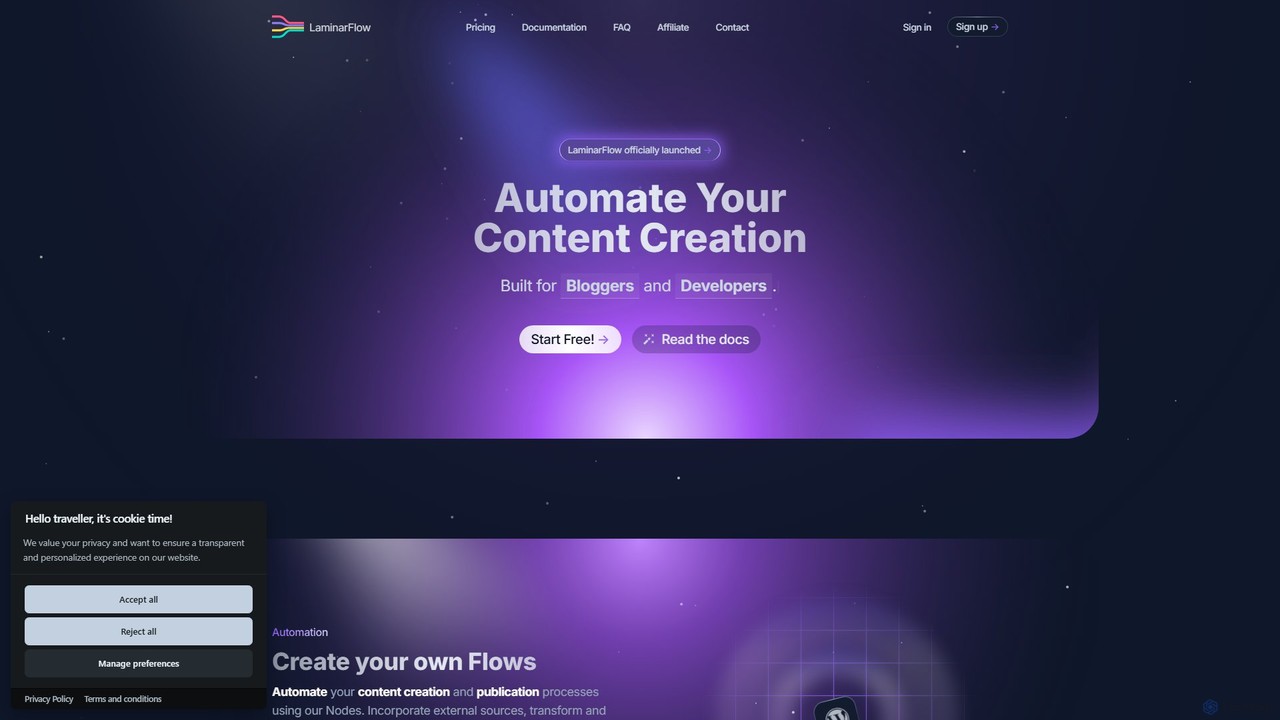
Blogging AI tools are a category of artificial intelligence applications designed to streamline and enhance the entire blog creation and management process. Leveraging advanced natural language processing (NLP) and machine learning, these tools assist with content generation, SEO optimization, and audience engagement. They empower content creators, marketers, and businesses to produce high-quality, search-engine-friendly blog posts more efficiently. From ideation to publication and promotion, AI blogging tools significantly reduce manual effort and improve content performance, making them invaluable for maintaining an active online presence.
Core Features
- Content Generation: Automatically drafts articles, paragraphs, or outlines based on keywords, topics, or brief prompts, accelerating the writing process.
- SEO Optimization: Provides suggestions for keywords, optimizes headings, meta descriptions, and content structure to improve search engine rankings.
- Topic Ideation: Generates fresh blog post ideas, content clusters, and trending topics based on market analysis and audience interests.
- Grammar & Style Correction: Refines writing for clarity, conciseness, grammatical accuracy, and adherence to a specific brand voice.
- Content Repurposing: Transforms existing long-form content into new blog posts, summaries, social media snippets, or email newsletters.
Applicable Scenarios
Individual bloggers struggling with writer's block or SEO can use these tools for inspiration and optimization. Marketing teams can scale their content production to meet aggressive publishing schedules, ensuring a consistent flow of fresh, relevant blog posts. Businesses leverage AI blogging tools to maintain an active, high-performing blog for lead generation, brand authority, and customer education, without extensive manual labor.
How to Choose
When selecting an AI blogging tool, consider its core feature set—does it focus on writing, SEO, or both? Evaluate its integration capabilities with your existing CMS (e.g., WordPress) and other marketing tools. Assess the quality and naturalness of the generated content, as well as its ability to adapt to your brand's tone. Finally, compare pricing models and ensure the tool offers sufficient flexibility and scalability for your content needs.