ToolMage
Sign in

Best 3 Wellbeing AI tools

Popular Wellbeing AI tools include maslo, hootz, and PrayerAI, helping you work more efficiently.

Free

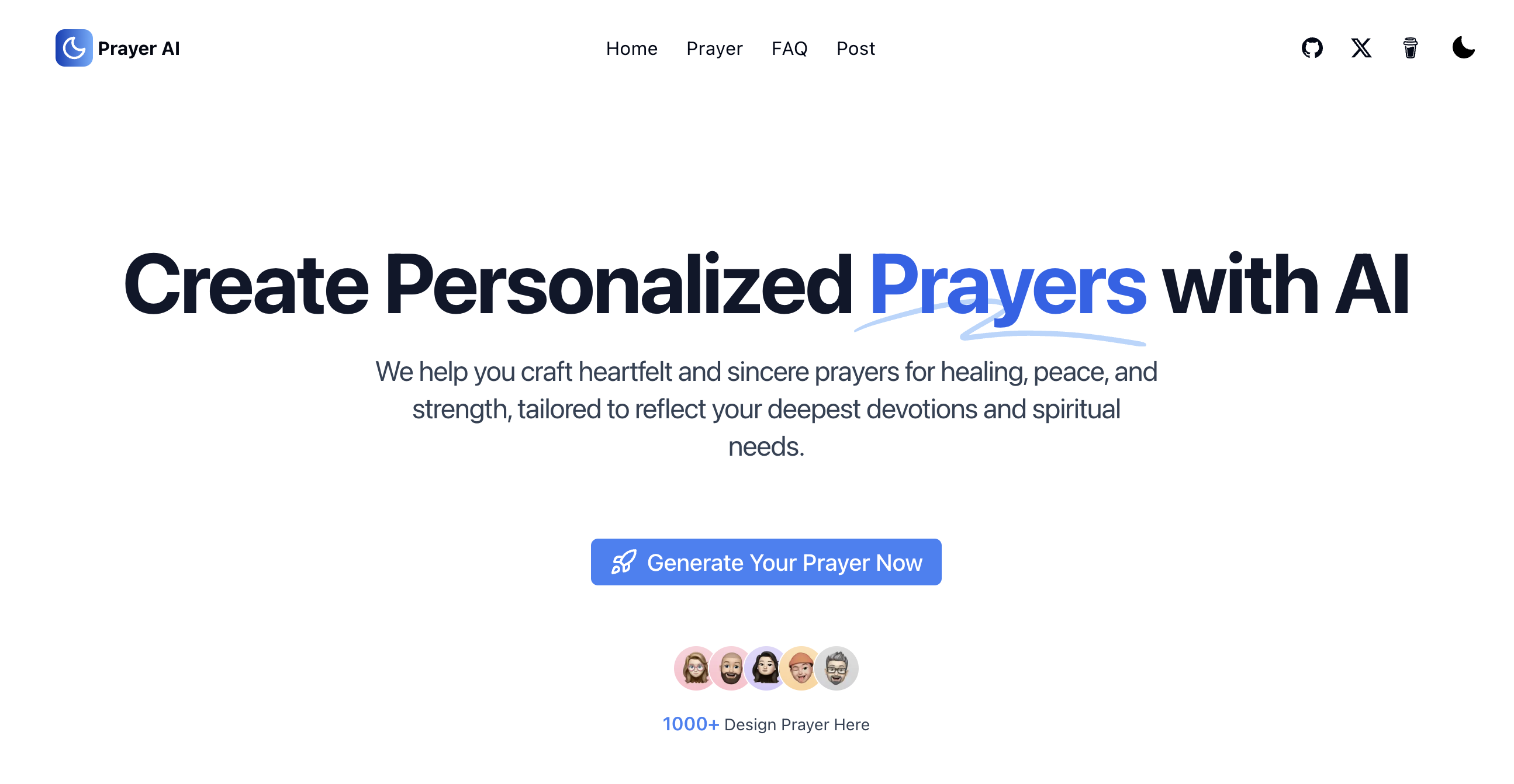
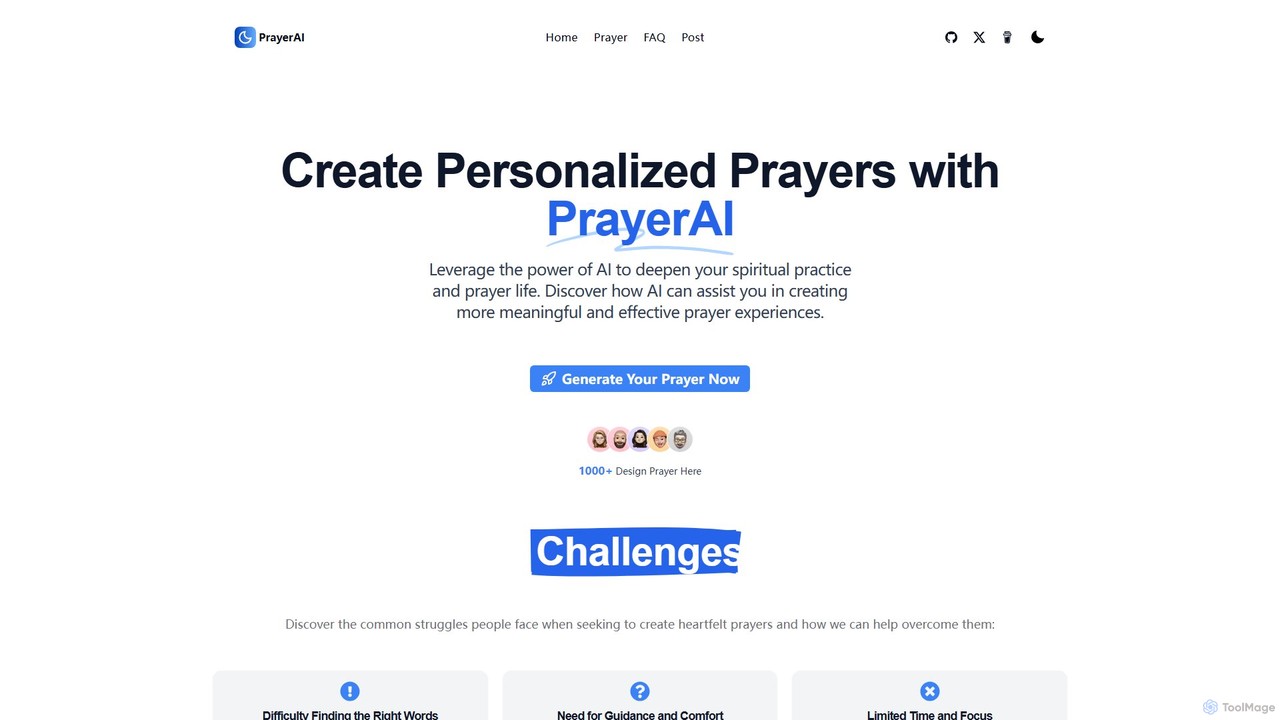
PrayerAI

PrayerAI is an AI-powered platform designed to help users create personalized, heartfelt prayers. It assists those who struggle to find the right words by generating custom prayers for various needs like healing, peace, and guidance. The tool is free, user-friendly, and aims to deepen one's spiritual practice and connection to faith.

Spiritual
Visits 3.4KFavorites 100Likes 110

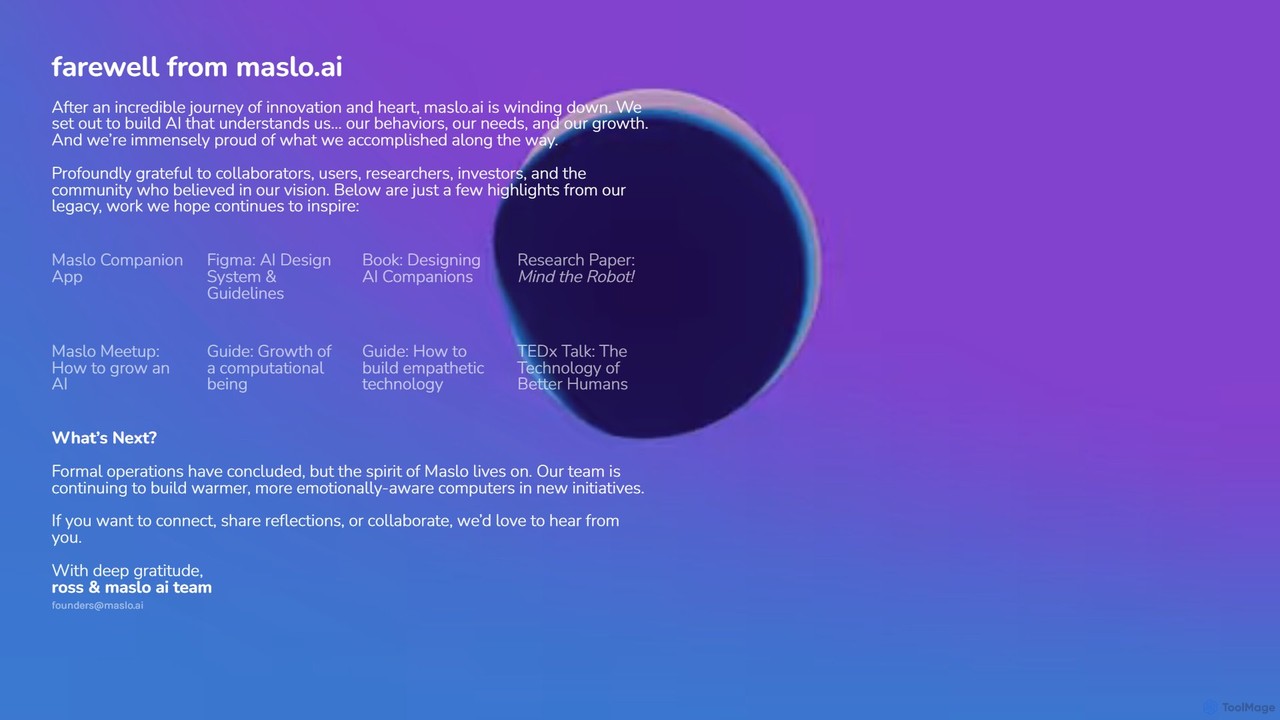
maslo

Maslo was a pioneering AI platform dedicated to creating empathetic and emotionally aware AI companions. Although the project has concluded, its legacy continues to influence the development of human-centric AI through its research, design systems, and vision for technology that understands human behavior and needs.

Api Platforms
Visits 4KFavorites 105Likes 99
Freemium

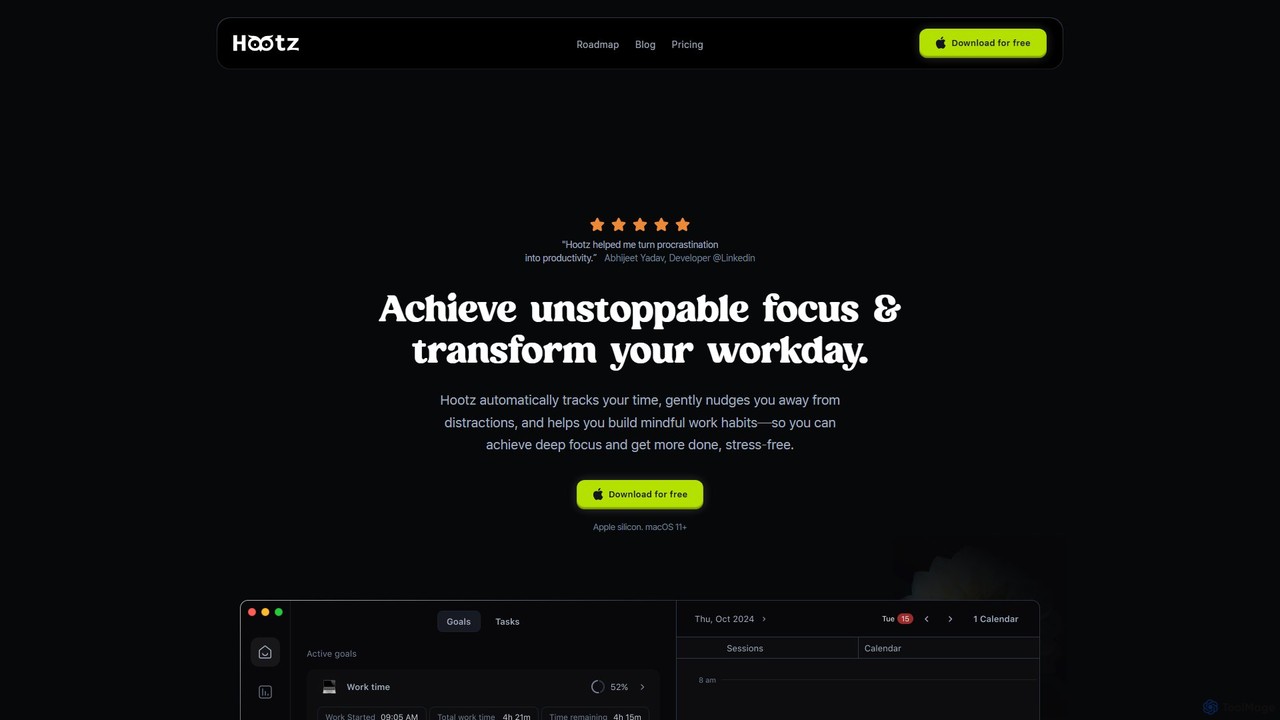
hootz

hootz is an AI-powered productivity companion for macOS designed to help users achieve deep focus. It automatically tracks time, blocks distractions, provides real-time nudges to stay on task, and integrates mindful practices to transform your workday and build better habits.

Focus
Visits 3.5KFavorites 114Likes 107

About Wellbeing

Wellbeing AI tools are AI-powered applications and platforms designed to enhance mental, physical, and emotional health. These tools leverage artificial intelligence, machine learning, and data analytics to offer personalized support, insights, and interventions. They aim to improve users' quality of life by assisting with stress management, sleep optimization, mindfulness practices, and overall personal development. By adapting to individual needs, Wellbeing AI tools provide accessible and continuous support for a healthier lifestyle.

Core Features

  • Personalized Mindfulness & Meditation: AI-guided sessions tailored to mood, stress levels, and goals.
  • Mood & Emotion Tracking: Analyzing user input (text, voice) to identify emotional patterns and provide insights.
  • Sleep Analysis & Improvement: Monitoring sleep cycles and offering personalized recommendations for better rest.
  • Stress Management Techniques: Providing AI-driven exercises, breathing techniques, and cognitive behavioral therapy (CBT) support.
  • Habit Formation & Goal Setting: Intelligent nudges and progress tracking to build positive routines.

Applicable Scenarios

Individuals seeking to manage daily stress, improve sleep quality, or cultivate mindfulness often turn to Wellbeing AI tools. They are also valuable for those needing accessible mental health support, fitness enthusiasts tracking progress, or anyone aiming to build healthier habits and enhance their overall life balance.

How to Choose

When selecting Wellbeing AI tools, consider the scientific backing of their methods, the level of personalization offered, and data privacy policies. Evaluate the range of features, ease of integration with other devices (like wearables), and the user interface's intuitiveness. Also, assess the subscription model and whether it aligns with your long-term wellness goals.

Featured tool rankings

Wellbeing use cases

1

Personalized Stress Reduction & Mindfulness Practice

An individual experiencing daily work-related stress can use a Wellbeing AI tool to receive personalized meditation exercises and breathing techniques. The AI analyzes their reported stress levels and provides guided sessions, helping them develop coping mechanisms and cultivate a calmer mindset, leading to improved emotional regulation and reduced anxiety.

2

Optimizing Sleep Quality Through AI Analysis

Someone struggling with inconsistent sleep patterns can utilize an AI-powered sleep tracker that monitors sleep cycles, disturbances, and environmental factors. The tool then offers tailored recommendations, such as adjusting bedtime routines, suggesting specific relaxation sounds, or identifying potential sleep disruptors, ultimately leading to more restorative sleep.

3

AI-Assisted Mood Tracking and Emotional Insight

A user wanting to better understand their emotional fluctuations can log their moods and daily activities into a Wellbeing AI app. The AI processes this data, identifies patterns, and provides insights into triggers or positive influences. This helps the user gain self-awareness and develop strategies for maintaining emotional balance.

4

Building Healthy Habits with Intelligent Nudges

An individual aiming to establish new healthy habits, like daily hydration or regular exercise, can use an AI wellbeing tool. The AI sends intelligent reminders, tracks progress, and offers motivational support based on their past behavior and goals. This consistent, personalized encouragement helps solidify new routines effectively.

5

Supporting Cognitive Behavioral Therapy (CBT) Exercises

For individuals undergoing CBT, an AI wellbeing tool can serve as a supplementary resource. It provides interactive exercises, thought journaling prompts, and guided reflections based on CBT principles. This allows users to practice techniques between therapy sessions, reinforcing learning and promoting self-management of thoughts and behaviors.

6

Enhancing Focus and Productivity with Digital Detox

A professional struggling with digital distractions can use a Wellbeing AI tool designed for focus enhancement. The AI helps schedule "deep work" periods, blocks distracting apps, and provides gentle reminders to take breaks. By creating a more conducive environment, the tool aids in improving concentration and overall productivity while reducing digital fatigue.

Wellbeing FAQ

What are AI Wellbeing tools?

AI Wellbeing tools are applications and platforms that use artificial intelligence to support and enhance mental, physical, and emotional health. They leverage AI to provide personalized experiences, from guided meditations and mood tracking to sleep analysis and stress management techniques, aiming to improve overall quality of life.

How do AI Wellbeing tools work?

These tools typically work by collecting user data (e.g., mood entries, sleep patterns, activity levels) and applying AI algorithms, including machine learning and natural language processing. The AI analyzes this data to identify patterns, offer personalized insights, generate tailored recommendations, and deliver adaptive interventions, such as guided exercises or cognitive prompts.

What are the main benefits of using AI for wellbeing?

The primary benefits include personalized support tailored to individual needs, increased accessibility to wellness resources, and continuous monitoring for proactive health management. AI tools can help users track progress, identify behavioral patterns, reduce stress, improve sleep, and cultivate mindfulness, often at a lower cost and with greater flexibility than traditional methods.

How to choose the right AI Wellbeing tool for my needs?

To choose the right tool, consider its specific focus (e.g., sleep, stress, mindfulness), the scientific evidence backing its methods, and its data privacy policies. Evaluate the level of personalization, user interface, compatibility with your devices, and the range of features offered. Reading user reviews and trying free trials can also help in making an informed decision.

Are AI Wellbeing tools safe and private with my personal data?

Reputable AI Wellbeing tools prioritize user safety and data privacy. They typically employ encryption, anonymization, and strict data handling protocols. It's crucial to review the app's privacy policy to understand how your data is collected, stored, and used. Look for tools that comply with relevant data protection regulations (e.g., GDPR, HIPAA) and offer clear consent options.