
Freemium
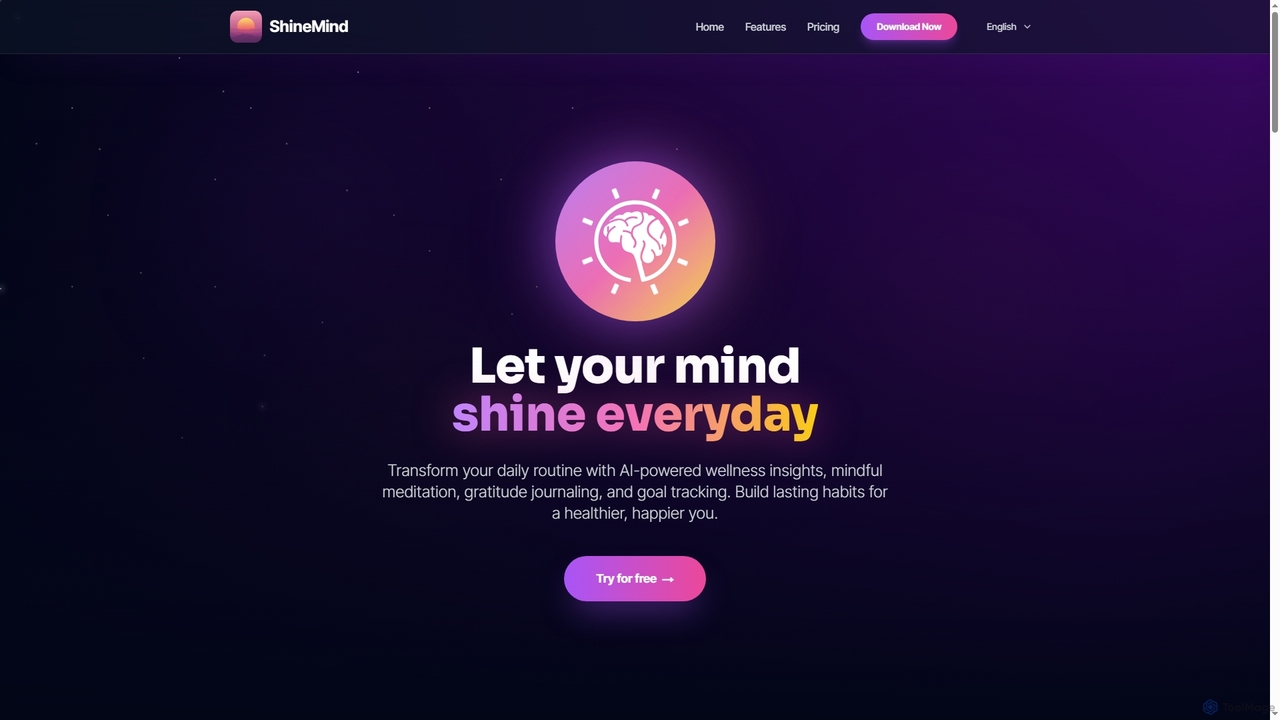
Popular Mental Health AI tools in Wellness include Jed, FlowCoach AI, and ShineMind, helping you work more efficiently.
AI Mental Health tools are applications designed to provide accessible psychological support and emotional wellness management using artificial intelligence. These tools often leverage Natural Language Processing (NLP) for conversational agents and machine learning to analyze mood patterns from user inputs. They offer personalized coping strategies, guided exercises, and a confidential space for users to reflect on their emotional state. While not a substitute for professional therapy, they serve as a valuable supplement for daily mental wellness maintenance.
These tools are widely used by individuals seeking daily emotional support and stress management techniques. They are also integrated into corporate wellness programs to provide employees with confidential mental health resources. Additionally, some therapists recommend these apps to clients as a supplementary tool for practicing skills between sessions.
When selecting an AI Mental Health tool, prioritize those with evidence-based approaches and input from clinical professionals. Evaluate the privacy policy carefully to ensure your data is secure and confidential. Consider the level of personalization offered and whether the therapeutic modalities (e.g., CBT, mindfulness) align with your needs. Finally, check user reviews for insights into the tool's effectiveness and user experience.
An individual looking to better understand their emotional fluctuations uses an AI mental health app for daily journaling. Each day, they log their mood, activities, and thoughts. The app's AI analyzes these text entries for sentiment and keywords, identifying correlations between activities like 'poor sleep' and moods like 'irritable'. Over time, the tool generates visual reports showing recurring patterns, helping the user proactively manage potential emotional triggers and improve their self-awareness.
A user experiencing anxiety about an upcoming presentation interacts with an AI chatbot trained in Cognitive Behavioral Therapy (CBT). The chatbot guides them through a 'thought record' exercise. It asks the user to identify their negative thought, question the evidence for and against it, and formulate a more balanced, alternative thought. This structured, interactive process helps the user reframe their anxiety in the moment, providing an accessible tool for practicing proven therapeutic techniques without needing to wait for a therapy session.
A busy professional uses an AI mental health tool to manage work-related stress. Based on their tracked mood data indicating high stress in the afternoons, the app proactively suggests a 5-minute guided breathing exercise at 3 PM. The AI selects the specific exercise (e.g., 'box breathing' vs. 'body scan meditation') based on the user's past ratings and effectiveness. This personalized and timely intervention helps the user de-stress and refocus, integrating mental wellness practices seamlessly into their workday.
An employee feels overwhelmed but is hesitant to speak with HR or a manager. They use the confidential AI mental health app provided by their company. They can chat with an AI bot about their stressors, access resources on burnout, and track their mood without their personal data being shared with the employer. This provides a safe, anonymous first step for seeking help, promoting early intervention and reducing the stigma associated with mental health in the workplace.
A patient in weekly therapy uses an AI tool recommended by their therapist. Between sessions, they use the app to practice grounding techniques discussed in therapy and to log specific situations that trigger their social anxiety. Before the next session, they review an AI-generated summary of their weekly logs. This allows them to come to their therapy session more prepared, with clear examples to discuss, making the time with their human therapist more focused and productive.
A young adult struggling with emotional reactivity uses an AI coach to develop better regulation skills. The app provides interactive modules on identifying emotions, understanding their triggers, and practicing healthy coping mechanisms. For example, when the user logs feeling 'angry', the AI might suggest a 'name it to tame it' exercise followed by a guided visualization for calming down. This consistent, on-demand practice helps build new neural pathways, improving the user's ability to manage intense emotions over time.
AI Mental Health tools are digital applications that use artificial intelligence to provide support for emotional well-being. They function as accessible, on-demand resources, often featuring AI chatbots for conversation, mood trackers to identify patterns, and personalized mindfulness exercises. Their primary goal is to help users build self-awareness and practice coping skills, serving as a supplement to, not a replacement for, professional mental healthcare.
Choosing a reliable app involves several key steps. First, look for tools developed with input from clinical psychologists or based on established therapeutic methods like CBT. Second, thoroughly review the privacy policy to understand how your sensitive data is handled and protected. Third, check for transparency about the AI's limitations and whether it clearly states it is not a substitute for a human therapist. Finally, consider user reviews and ratings, but prioritize apps that are backed by research or clinical guidance.
No, they are not a replacement. Reputable AI mental health tools are designed as supplements to support mental wellness, not to diagnose or treat clinical conditions. A human therapist provides empathy, nuanced understanding, and a therapeutic relationship that AI cannot replicate. These tools are best used for daily self-monitoring, skill-building, and providing support between professional therapy sessions or for individuals with subclinical stress and anxiety.
These tools primarily use techniques derived from established psychological practices. Common examples include:
A wide range of individuals can benefit. This includes people looking for ways to manage everyday stress, anxiety, or low mood. They are also valuable for those interested in personal growth and building emotional resilience. Additionally, individuals in therapy can use them as a supplementary tool to practice skills between sessions. However, they are generally not recommended as the sole resource for individuals with severe or complex mental health conditions, who should seek professional clinical care.