Writing Best in category 1 results Academic AI Tool

Popular AI tools in the Academic field of Writing include AIFreeforever, etc., helping you quickly improve efficiency.

Free
AIFreeforever

AIFreeforever

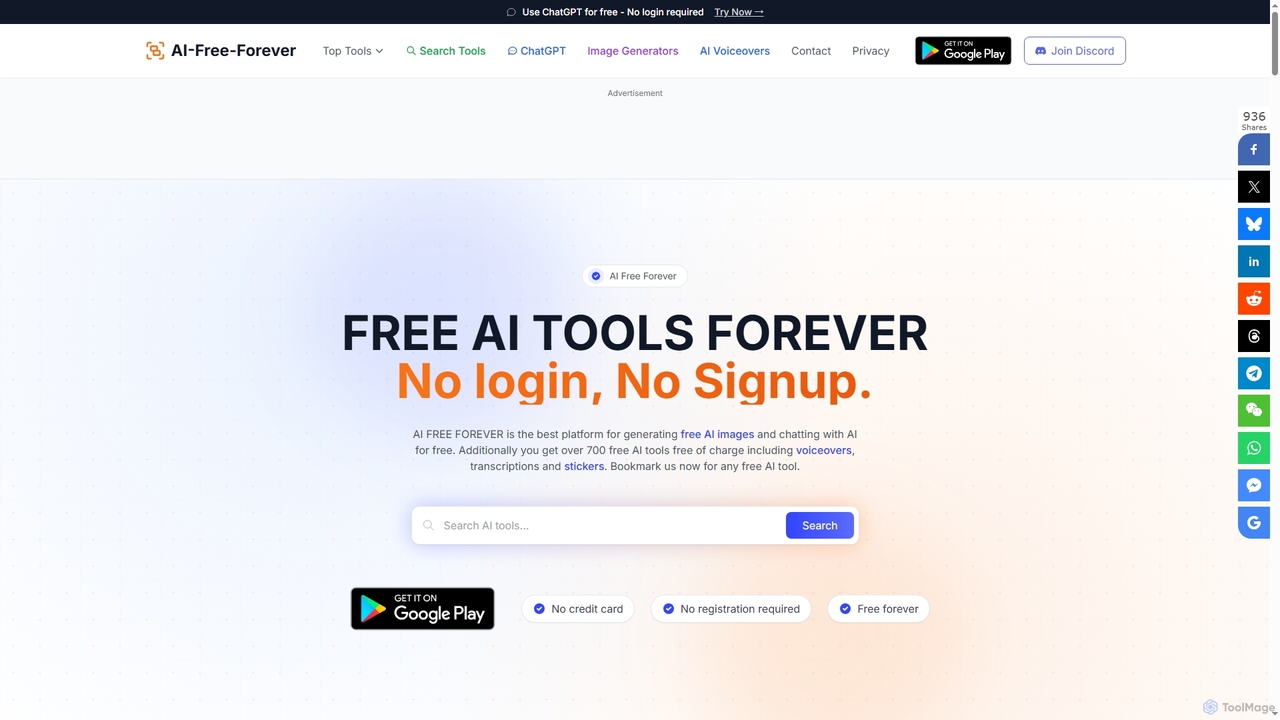
AIFreeforever is a comprehensive platform offering over 700 free AI tools for image generation, chatbots, text-to-speech, transcription, writing, …

640.1K

About Academic

Academic AI tools are specialized artificial intelligence applications designed to support researchers, students, and educators throughout their academic endeavors. These tools leverage advanced natural language processing, machine learning, and data analysis to streamline complex tasks such as literature review, academic writing, citation management, and plagiarism detection. By automating tedious processes and offering intelligent insights, they significantly enhance research efficiency, improve writing quality, and uphold academic integrity, making scholarly work more accessible and productive.

Core Features

  • Literature Review & Synthesis: Automatically identify, extract, and summarize key information from vast academic databases, helping researchers quickly grasp core concepts and thematic connections.
  • Academic Writing Assistance: Provide intelligent suggestions for improving clarity, conciseness, grammar, style, and academic tone, ensuring adherence to scholarly conventions.
  • Citation & Reference Management: Generate accurate in-text citations and comprehensive bibliographies in various academic styles (e.g., APA, MLA, Chicago), and assist in organizing research sources.
  • Plagiarism Detection: Scan submitted texts against extensive databases of academic papers, journals, and web content to identify potential instances of plagiarism and ensure originality.
  • Data Interpretation Support: Offer assistance in understanding research data, identifying trends, and suggesting appropriate visualizations, complementing traditional statistical analysis tools.

Applicable Scenarios

Academic AI tools are invaluable for various scholarly activities. PhD students can efficiently conduct exhaustive literature reviews and refine their thesis drafts for publication. University researchers can accelerate the writing of papers and grant proposals, ensuring all citations are meticulously formatted. Journal editors and faculty members can utilize these tools for robust plagiarism checks and to provide constructive feedback on submitted manuscripts, maintaining high academic standards.

How to Choose

When selecting an Academic AI tool, consider its specific functionalities: does it excel in literature review, writing refinement, or citation management? Evaluate its compatibility with required citation styles and its ability to integrate with existing research software like reference managers. Assess the accuracy and reliability of its outputs, particularly for plagiarism detection and factual summaries. Finally, prioritize tools with strong data privacy and security measures, especially when handling sensitive research information.

AcademicUse Cases

1

Automated Literature Review & Synthesis

A university researcher needs to quickly understand the current state of research in a new field. Using an Academic AI tool, they input their research question, and the AI scans thousands of relevant papers, identifies key themes, extracts methodologies, and generates a synthesized summary, drastically reducing the time spent on initial literature review from weeks to days.

2

Refining Research Paper Drafts

A PhD candidate has completed a draft of their dissertation chapter but struggles with maintaining a consistent academic tone and ensuring grammatical precision. They upload their draft to an AI writing assistant, which provides targeted suggestions for improving sentence structure, vocabulary, coherence, and adherence to specific academic style guides, enhancing the overall quality and readability of the manuscript.

3

Generating Accurate Citations & Bibliographies

An undergraduate student is preparing a research essay and needs to cite numerous sources in APA style. Instead of manually formatting each entry, they use an Academic AI tool that automatically generates correct in-text citations and a complete bibliography by simply inputting source details or URLs, eliminating common formatting errors and saving significant time.

4

Plagiarism Checking for Academic Integrity

A journal editor receives a submission and needs to ensure its originality before sending it for peer review. They run the manuscript through an AI-powered plagiarism detection tool. The tool quickly compares the text against a vast database of published works and web content, highlighting any potential matches and providing a detailed originality report, safeguarding the journal's reputation.

5

Summarizing Complex Scientific Articles

A medical professional needs to stay updated on the latest clinical trials but has limited time to read lengthy research papers. They use an Academic AI tool to input complex scientific articles, and the AI generates concise, accurate summaries highlighting the key findings, methodologies, and conclusions, allowing them to quickly absorb critical information and inform their practice.

6

Assisting with Grant Proposal Writing

A research team is applying for a competitive grant and needs to craft a compelling proposal. They utilize an Academic AI tool to help structure the proposal, suggest relevant keywords for impact, refine the language for clarity and persuasiveness, and ensure all sections meet the funder's specific requirements, increasing their chances of securing funding.

AcademicFrequently Asked Questions