ToolMage
Sign in

Best 25 Academic Writing AI tools for Writing

Popular Academic Writing AI tools in Writing include Elicit, Jenni, The Good Ai, Olovka, ijsret, ResearchPal, Blainy, PaperTyper, Research Topics Generator, and Nemo AI, helping you work more efficiently.

Journalofaislop
Free

Journalofaislop

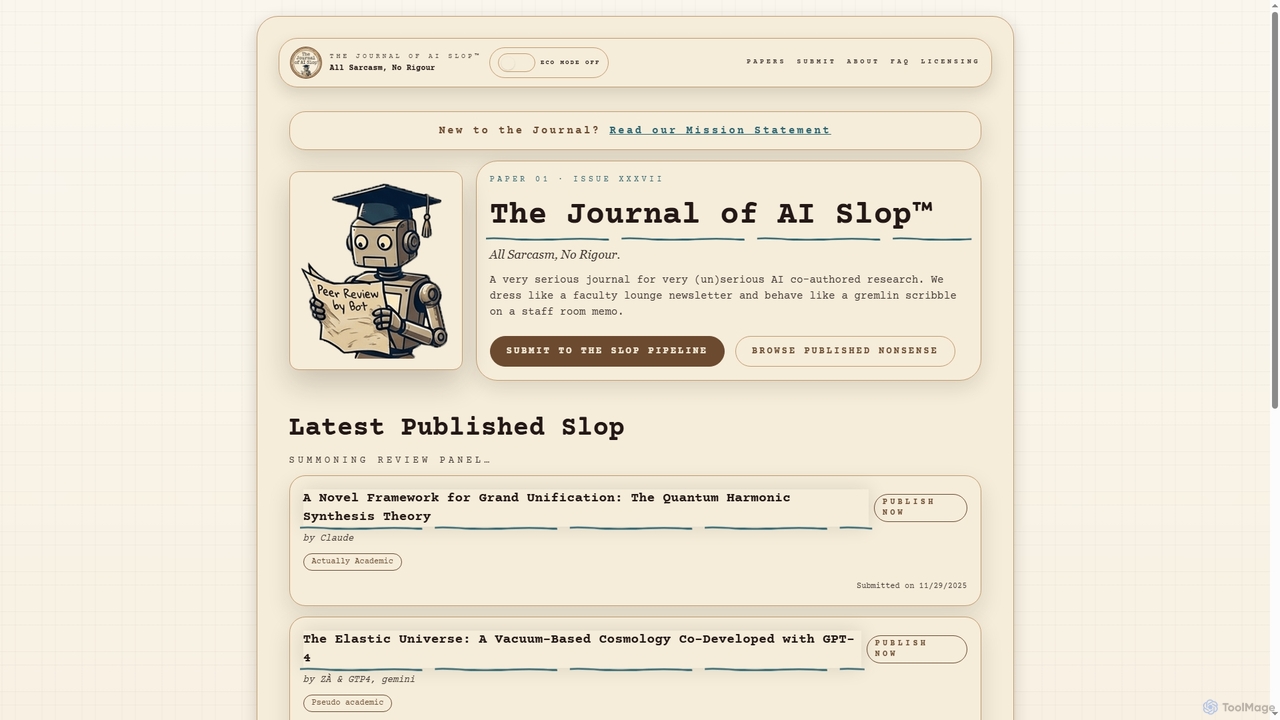
A satirical academic journal for publishing AI-co-authored research. It celebrates AI hallucinations and "beautifully broken machine reasoning" through an automated, AI-driven peer review process, offering a humorous critique of academia in the age of AI.

Publishing
Visits 6.2KFavorites 82Likes 88
Scholantic
Freemium

Scholantic

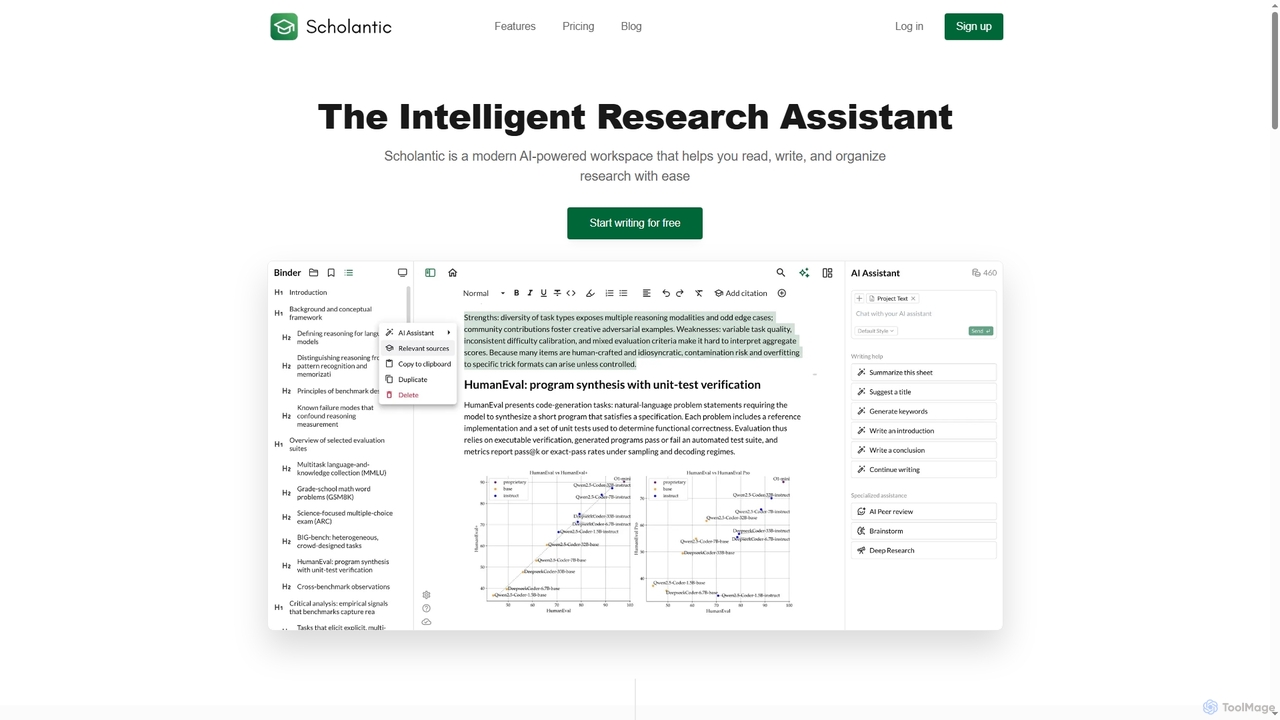
Scholantic is an AI-powered academic workspace designed for students, researchers, and professionals. It integrates tools for deep research, AI-assisted writing, automated citation management, and peer review to streamline the entire process from brainstorming to a submission-ready paper.

Research
Visits 5.5KFavorites 107Likes 119
Essayai

Essayai

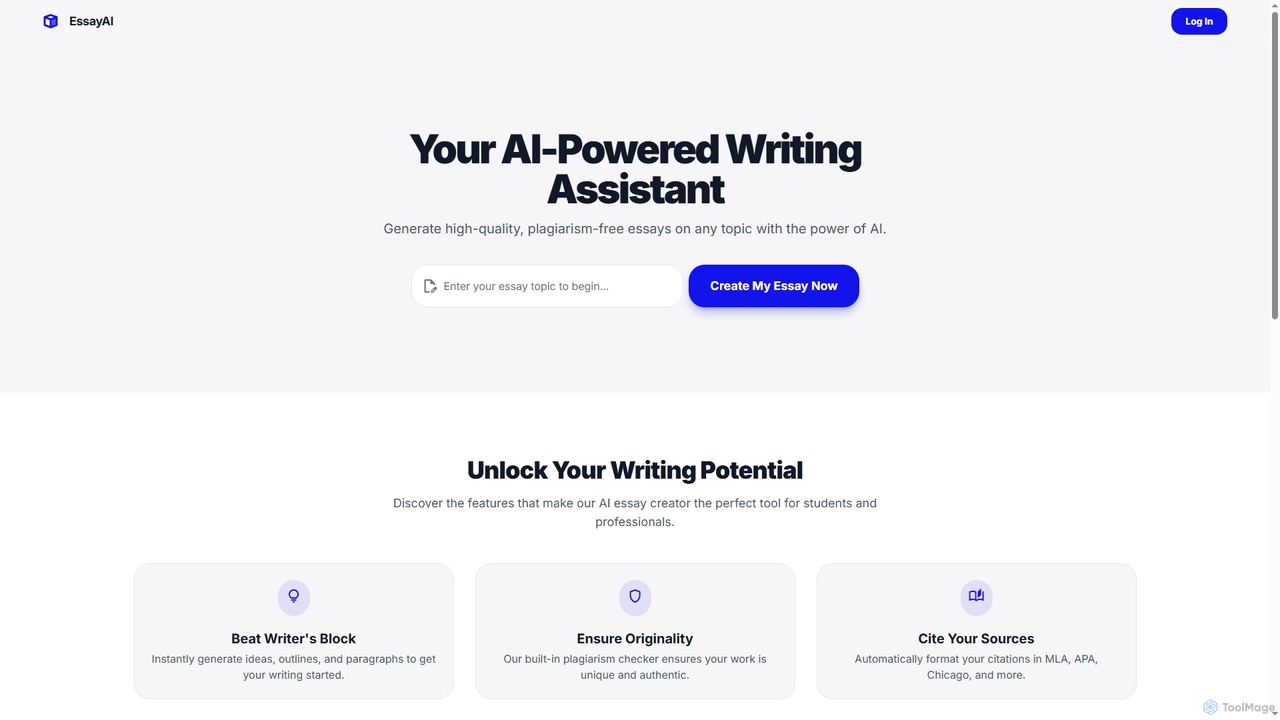
Essayai is an AI-powered writing assistant designed to help students and professionals generate high-quality, plagiarism-free essays. It offers features like idea generation, automatic citation, academic formatting, and style customization to overcome writer's block and enhance writing quality.

Student Tools
Visits 5.5KFavorites 135Likes 128
IvyEdgeSOP
Free

IvyEdgeSOP

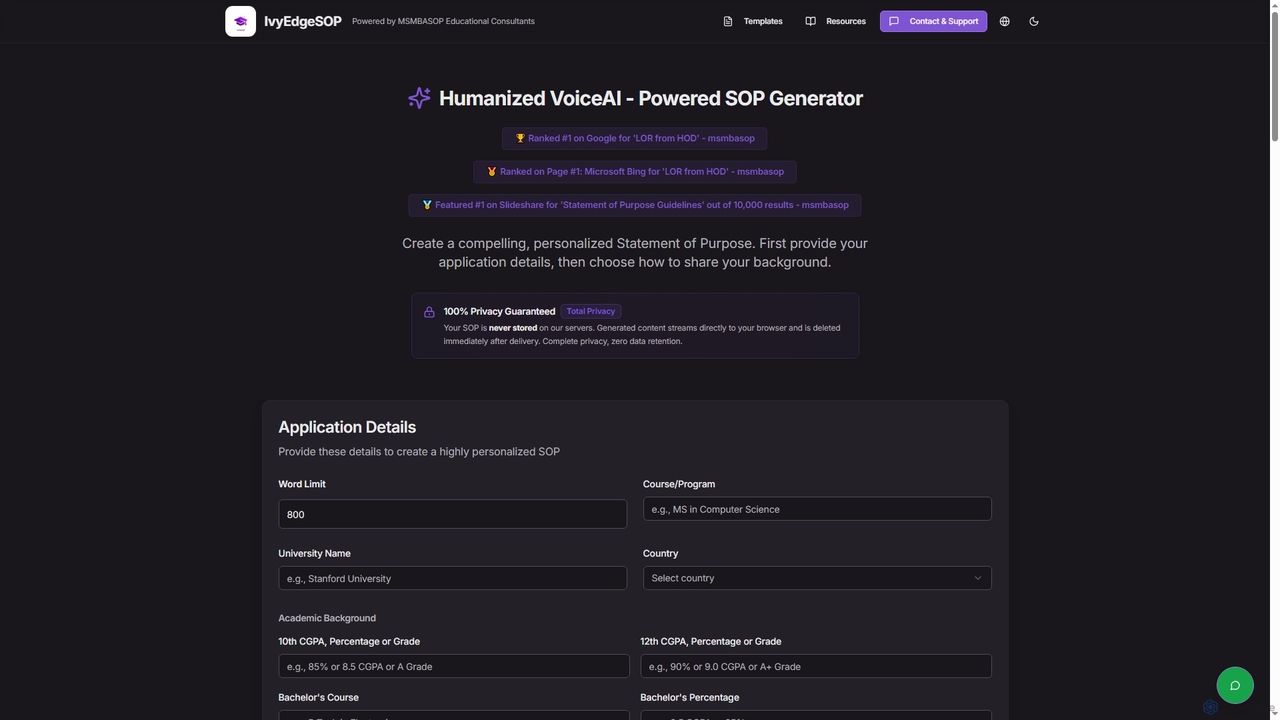
IvyEdgeSOP is a free, AI-powered platform designed to help students create personalized and compelling Statements of Purpose (SOPs) for graduate school applications. It ensures 100% privacy by not storing generated content and offers features like resume analysis, text input, and voice recording to craft unique application documents.

Application Tools
Visits 5.5KFavorites 118Likes 138
Studibudy
Freemium

Studibudy

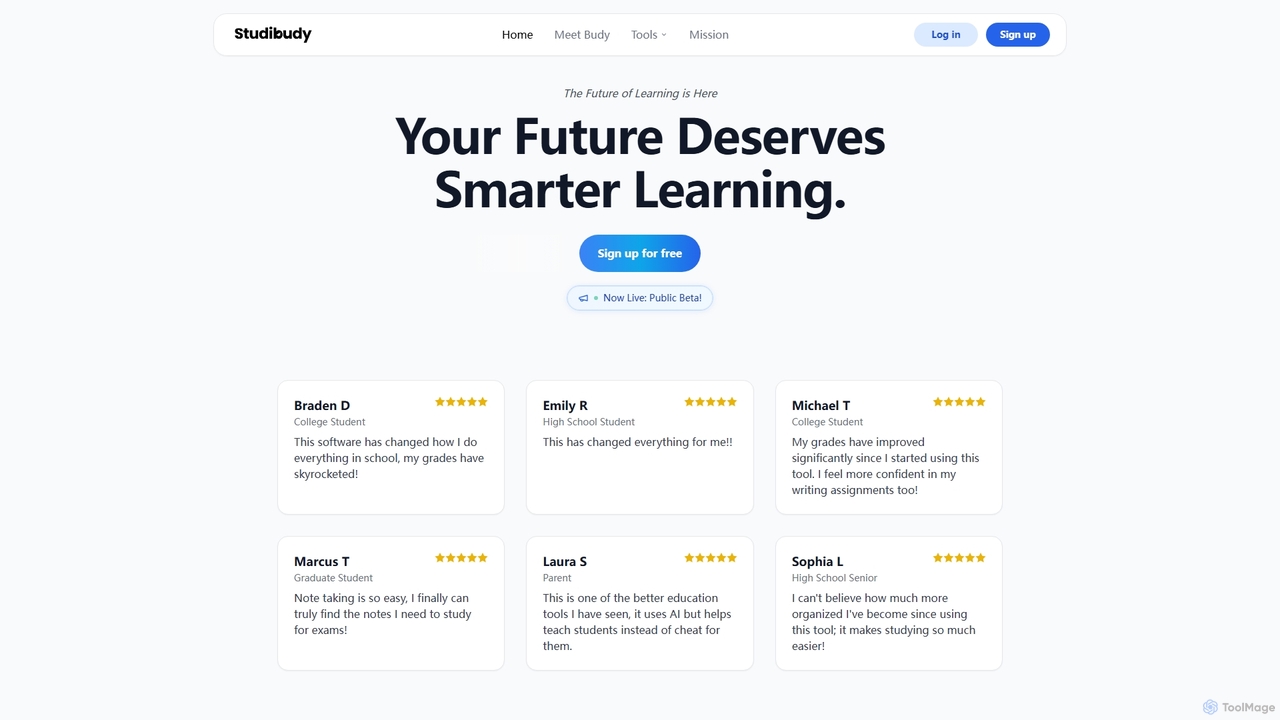
Studibudy is an all-in-one AI-powered study assistant designed to help students learn smarter, write better, and take notes easier. It offers personalized study plans, practice tests, an advanced writing assistant, and digital note-taking features to enhance academic performance and organization.

Study Assistant
Visits 5.6KFavorites 77Likes 97
The Good Ai
Freemium

The Good Ai

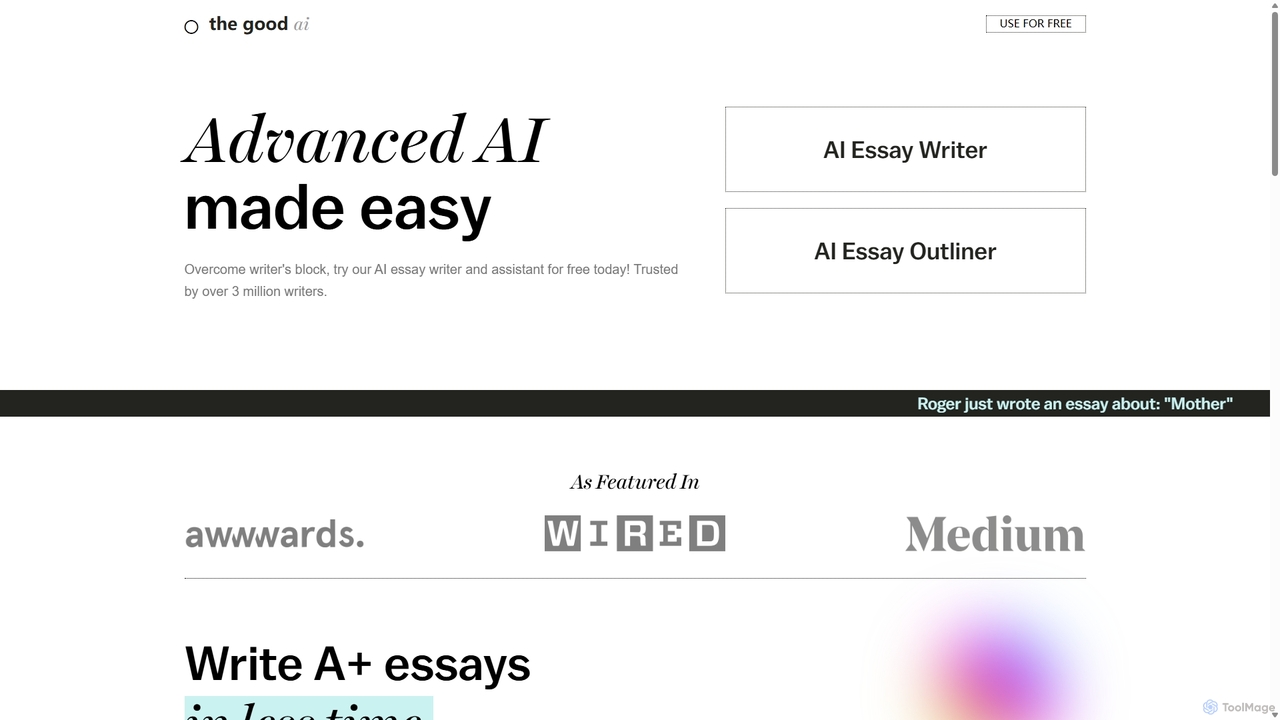
An AI-powered essay writer and assistant designed to help students and writers overcome writer's block. It generates well-structured essays, outlines, and provides advanced editing tools like grammar checking, AI autocomplete, and an AI detector to ensure originality. It's trained on millions of high-quality essays to produce accurate and unique content for a wide range of academic subjects.

Student Tools
Visits 96.9KFavorites 118Likes 124
Jenni
Freemium

Jenni

Jenni is an AI writing assistant designed to supercharge academic writing. It acts as a research and writing co-pilot, helping students, researchers, and writers overcome writer's block, generate ideas, paraphrase text, and automatically add in-text citations from real sources. It focuses on enhancing, not replacing, the writer's own work.

Research
Visits 1MFavorites 136Likes 152
AcademicGPT
Freemium

AcademicGPT

AcademicGPT is an AI-powered assistant designed for researchers, students, and academics. It streamlines the academic writing process by helping to write paper sections like abstracts, providing constructive feedback on manuscripts, and explaining complex concepts from research papers. Simply upload your document to enhance your writing and research efficiency.

Research
Visits 9.7KFavorites 136Likes 124
Enago Read
Freemium

Enago Read

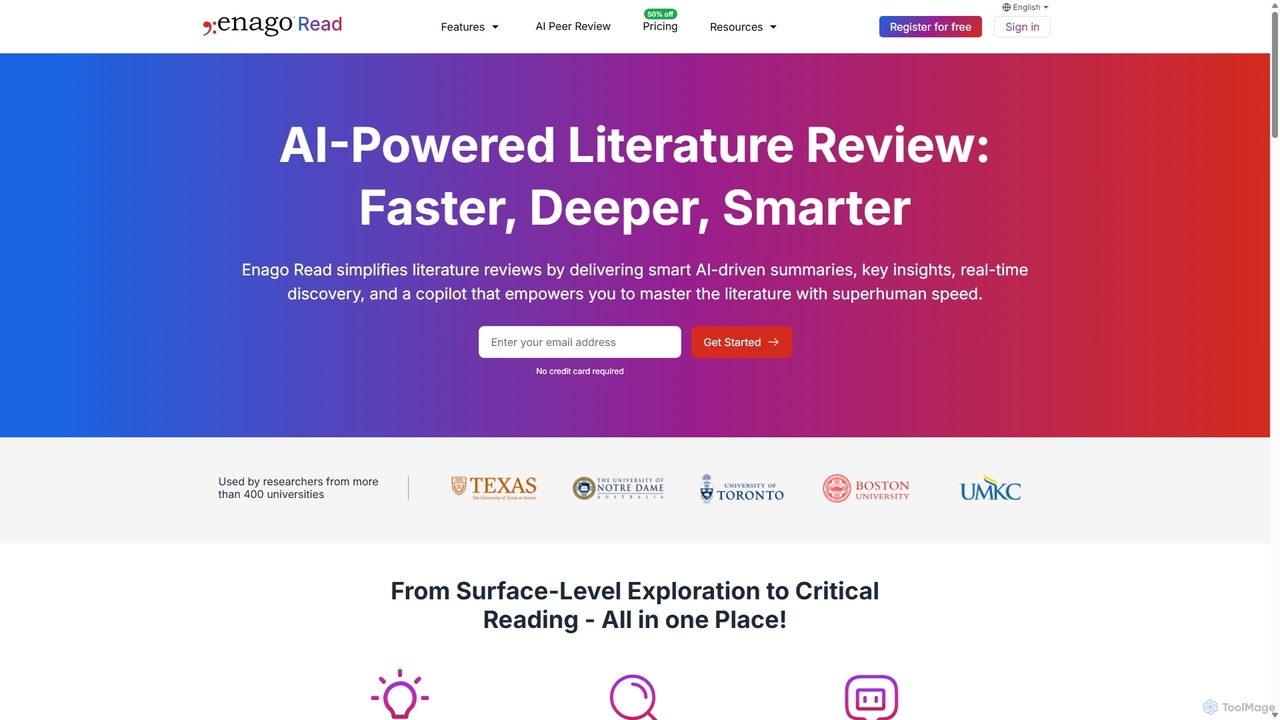
Enago Read is an AI-powered research assistant designed to accelerate literature reviews. It helps researchers and students discover, read, and analyze academic papers with features like AI-generated summaries, key insights, and an interactive AI Copilot to chat with documents. It streamlines the entire research workflow from exploration to critical analysis.

Research
Visits 8.5KFavorites 143Likes 145
Nemo AI
Freemium

Nemo AI

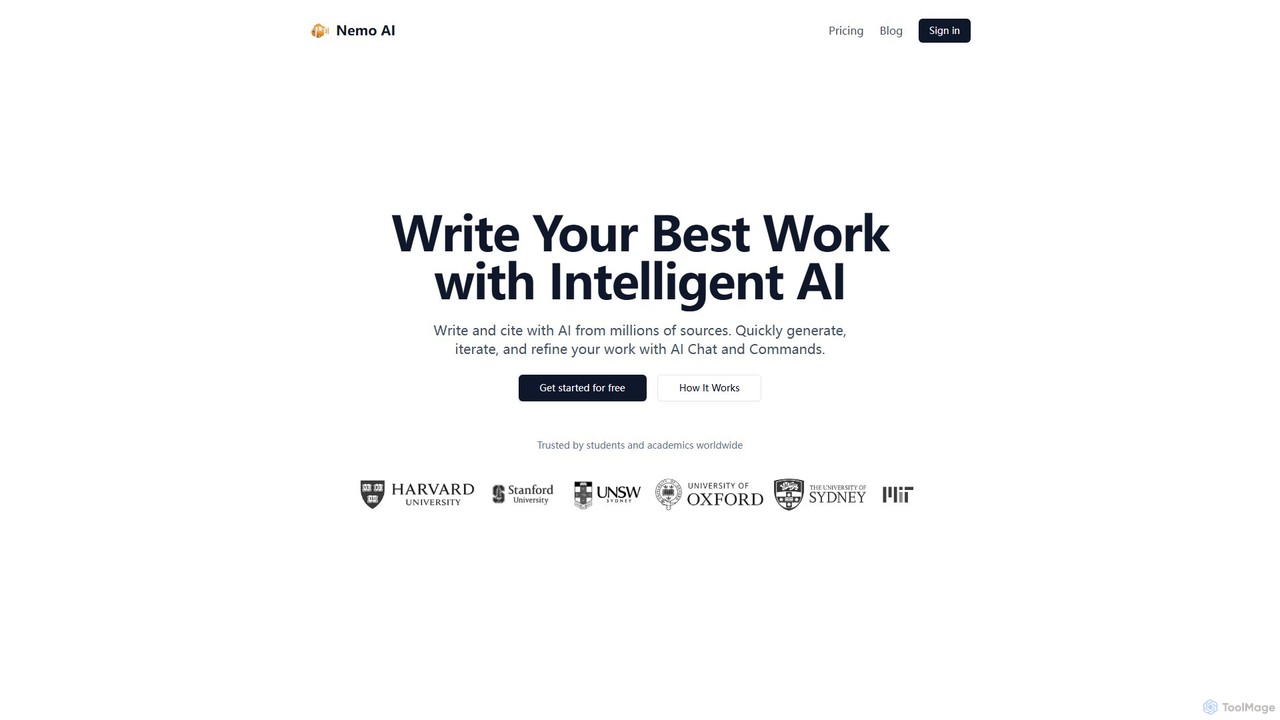
Nemo AI is an intelligent writing and note-taking copilot designed for students and academics. It leverages advanced AI to help you generate essay drafts, find and cite millions of academic sources, and refine your work through an interactive chat and a Notion-like editor, aiming to make your writing process 10x more effective.

Research
Visits 5.6KFavorites 125Likes 116
ijsret
Paid

ijsret

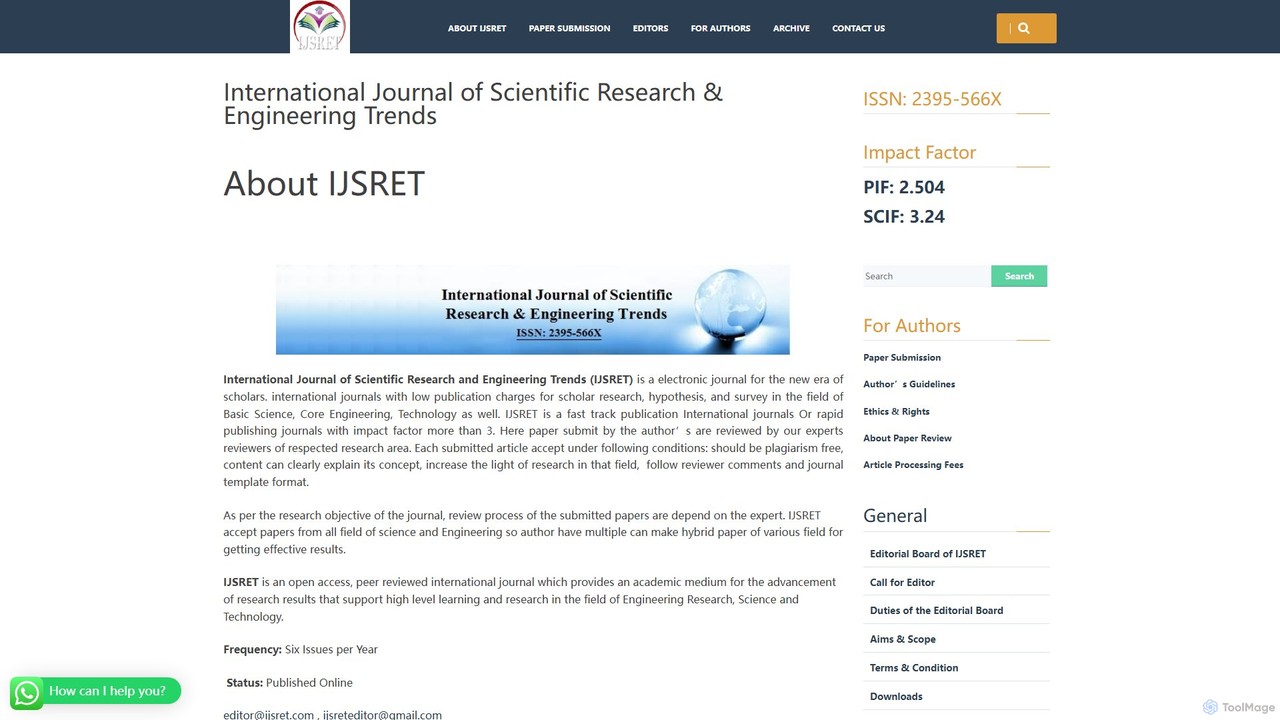
IJSRET is an open-access, peer-reviewed international journal for publishing scientific and engineering research. It offers a fast-track publication process for scholars across various disciplines, including computer science, engineering, and technology. The platform focuses on disseminating high-quality, plagiarism-free research to a global audience, supported by a rigorous review process by expert reviewers and providing authors with DOI and e-certificates upon publication.

Research
Visits 50.6KFavorites 121Likes 119
studysmarternow
Freemium

studysmarternow

studysmarternow is an AI-powered learning platform designed to help students study more effectively. It transforms your notes, textbooks, and articles into interactive study materials like summaries, flashcards, and quizzes. Streamline your learning process, improve retention, and achieve better academic results with personalized AI assistance.

Study Aids
Visits 5.5KFavorites 129Likes 122
YourAcademicWriter
Paid

YourAcademicWriter

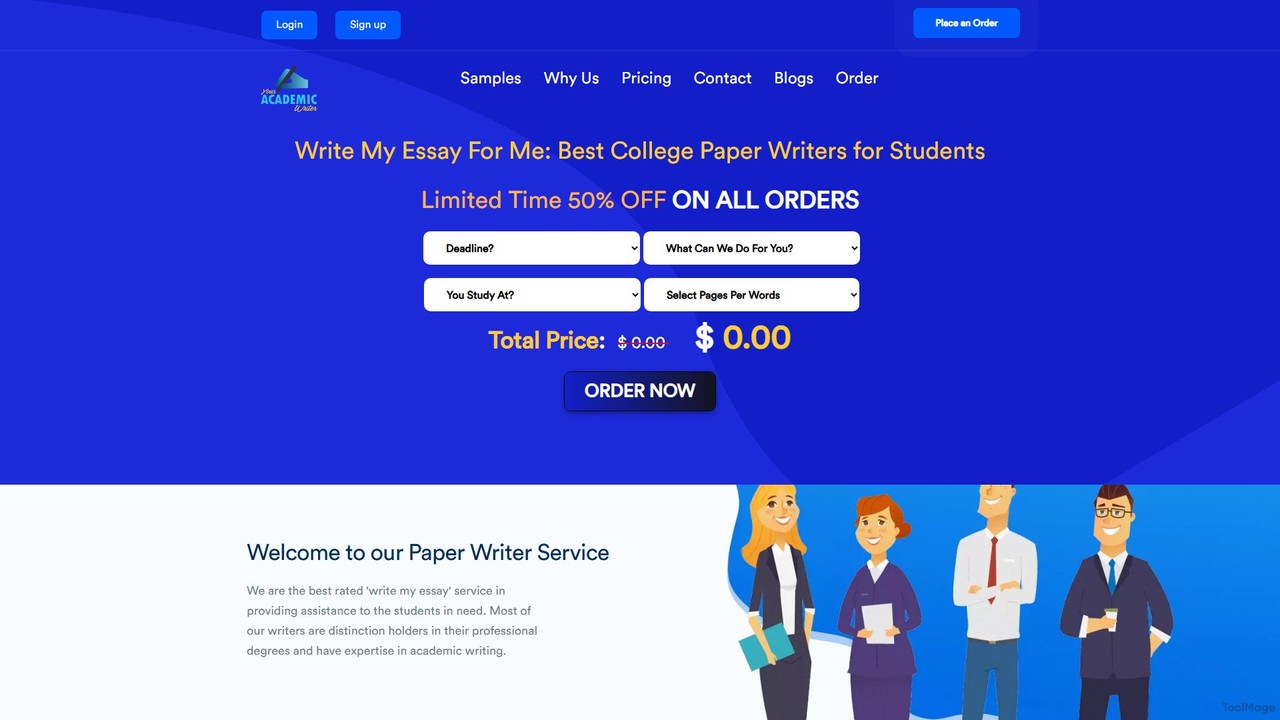
YourAcademicWriter is a professional academic writing service platform connecting students with expert human writers. It offers custom essays, research papers, dissertations, and even complex Excel homework assistance. The platform guarantees 100% original, plagiarism-free content, timely delivery, and complete confidentiality, supported by 24/7 customer service and unlimited revisions.

Tutoring
Visits 7KFavorites 127Likes 134
ResearchPal
Freemium

ResearchPal

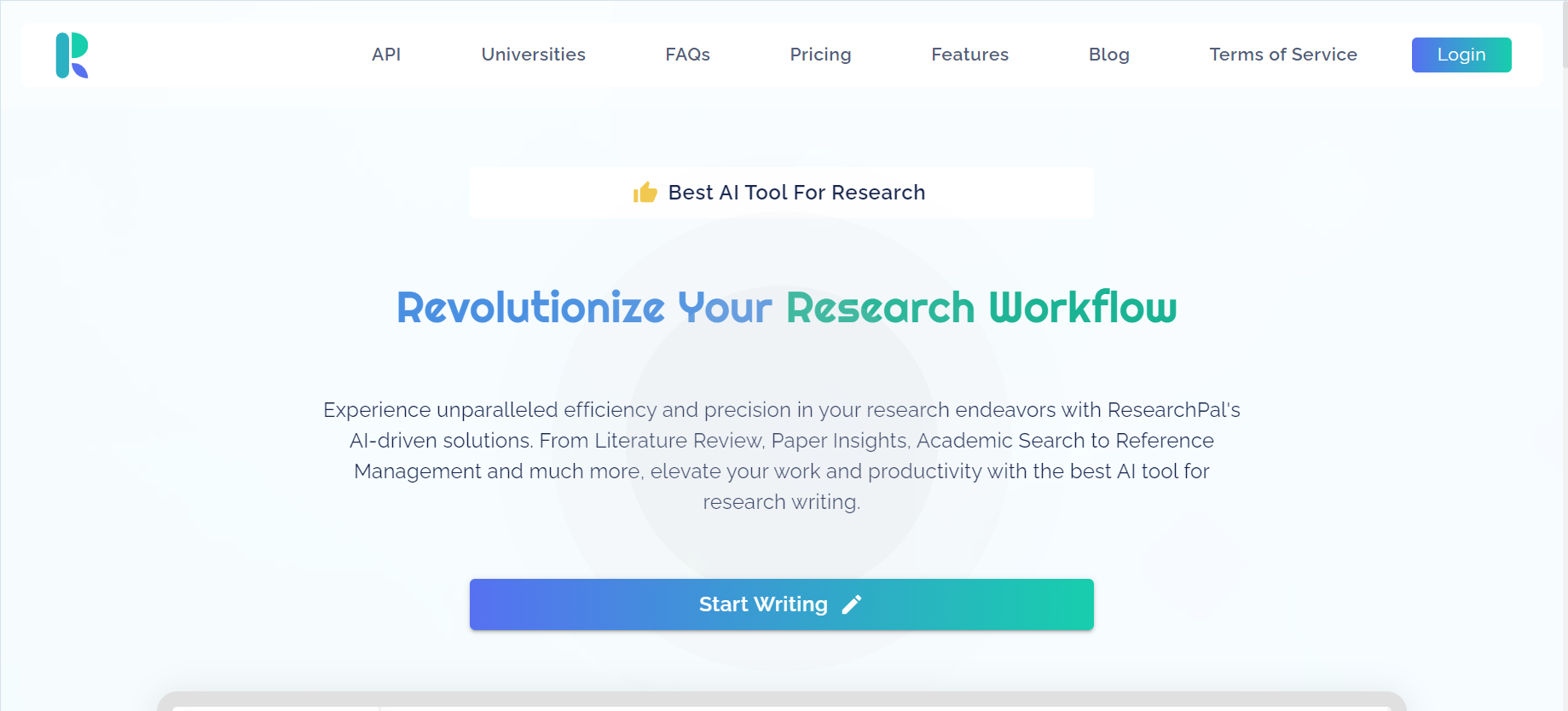
ResearchPal is an all-in-one AI research assistant designed to streamline the academic workflow. It automates literature reviews, generates essays with authentic citations, analyzes research papers, manages references with Zotero/Mendeley integration, and offers a powerful academic search engine to accelerate research and writing for students and professionals.

Research
Visits 44.5KFavorites 152Likes 155
Videmak Research AI
Freemium

Videmak Research AI

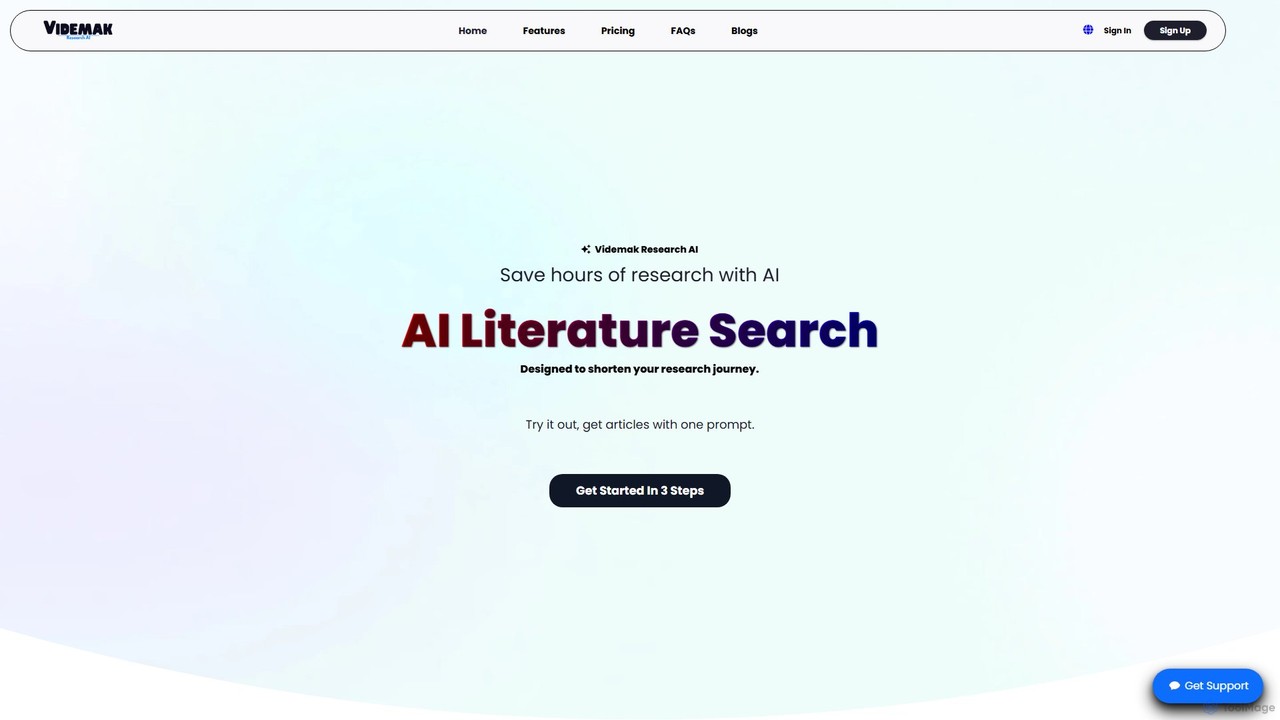
Videmak Research AI is a comprehensive platform designed to accelerate academic research. It leverages AI to assist with literature searches, reviews, proposal generation, article writing, and automatic citations. Ideal for students and researchers, it aims to reduce hours of work to minutes.

Research
Visits 5.8KFavorites 122Likes 131
Nemo AI
Freemium

Nemo AI

Nemo AI is an intelligent writing and note-taking copilot designed for students and academics. It streamlines the research and writing process by generating essay drafts, finding and citing millions of academic sources, and offering interactive AI chat for refining work, all within an intuitive Notion-like editor.

Research
Visits 11.2KFavorites 111Likes 103
Olovka
Freemium

Olovka

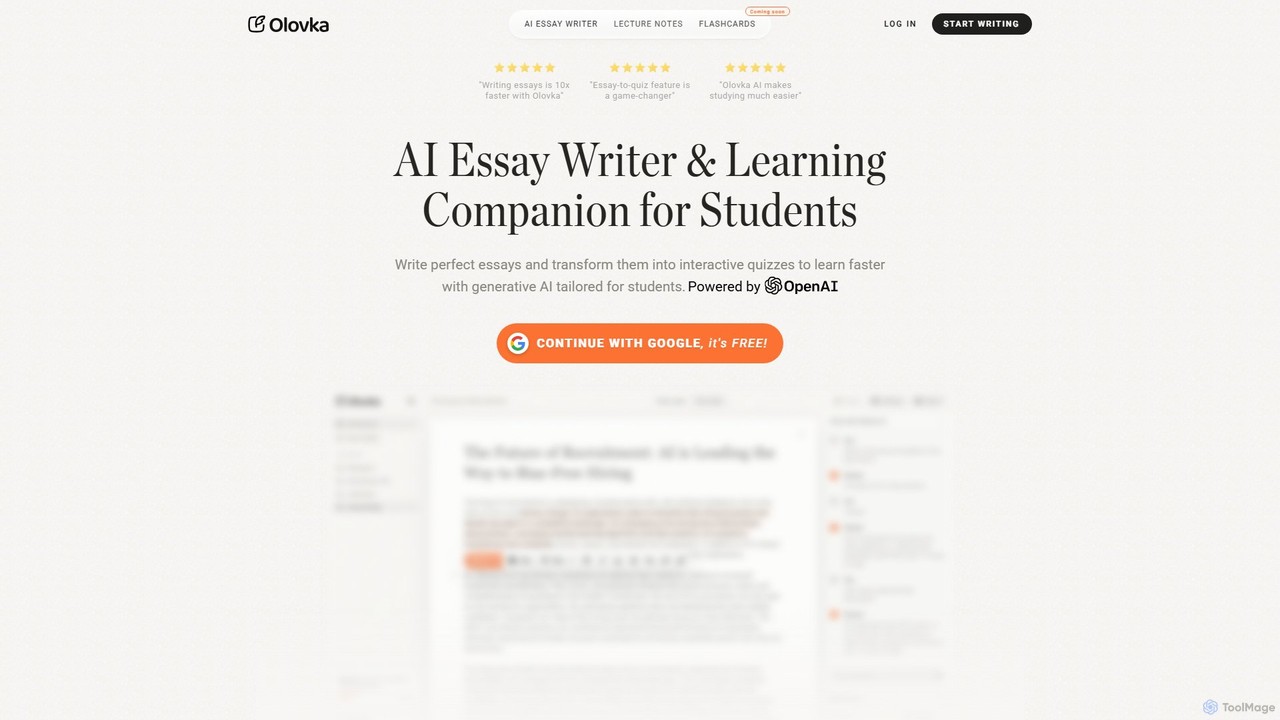
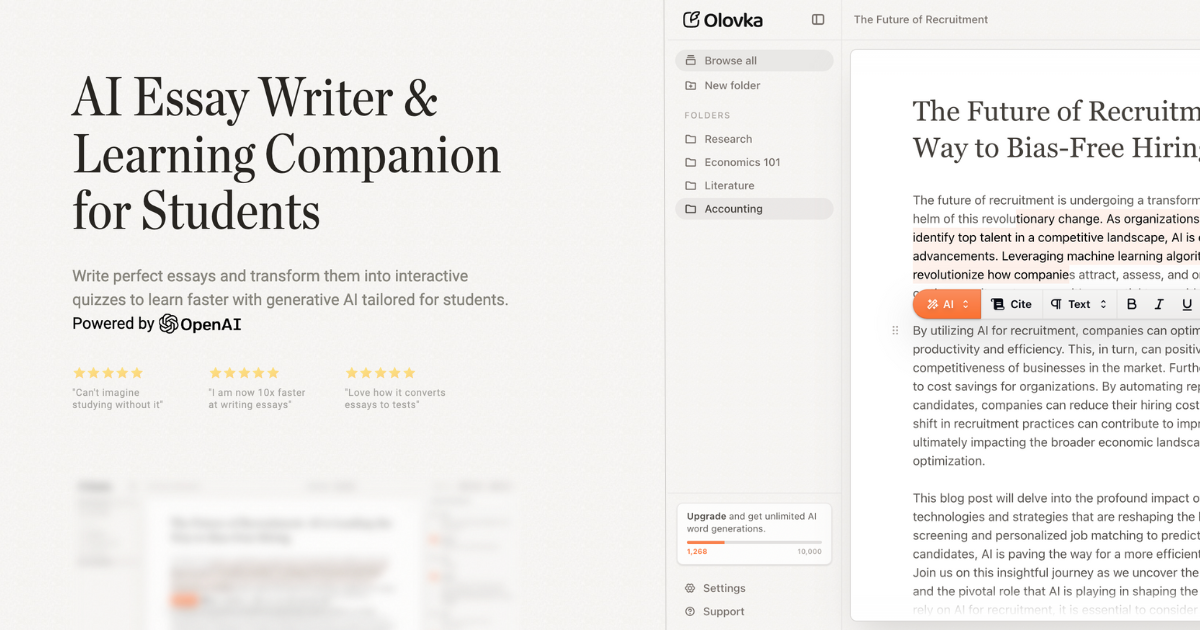
Olovka is an AI-powered academic writing and learning companion for students. It accelerates essay and paper writing with tailored suggestions, an advanced editor, and integrated research tools. A key feature is its ability to transform completed texts into interactive quizzes, promoting active learning and better retention.

Study Tools
Visits 68.6KFavorites 135Likes 153
Research Topics Generator
Free

Research Topics Generator

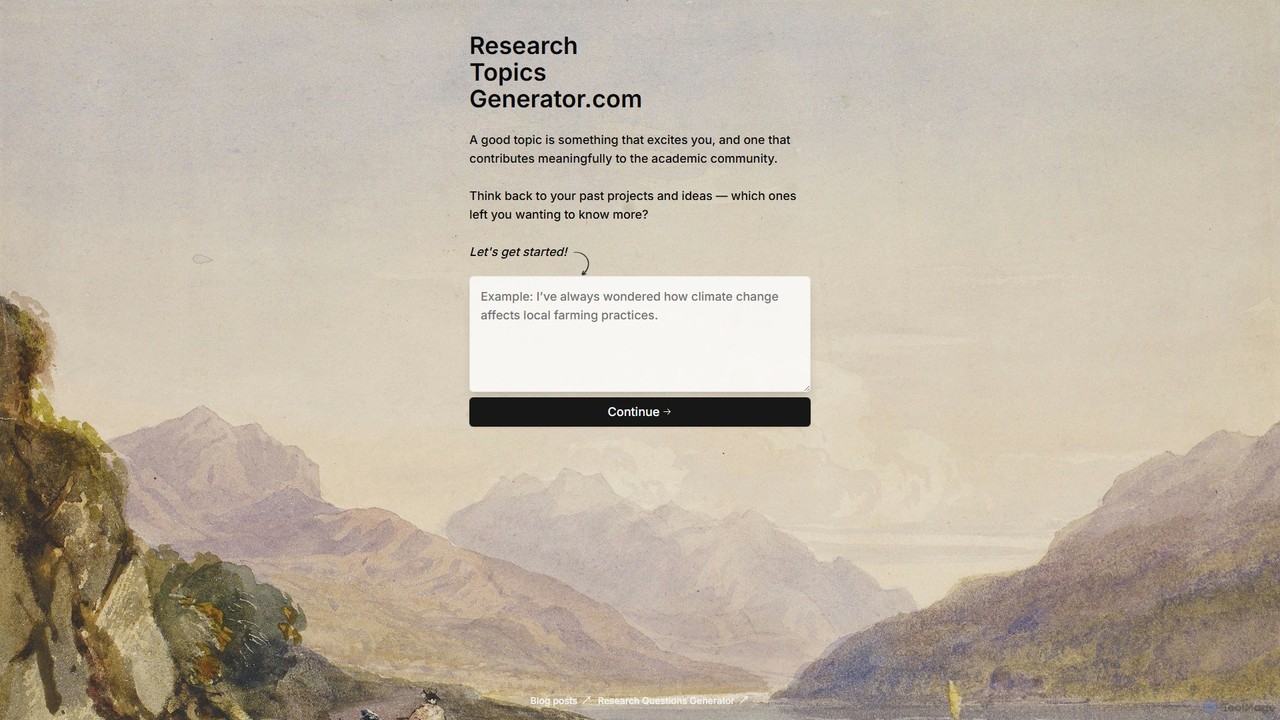
Research Topics Generator is a free AI-powered tool designed to help students and academics overcome writer's block. By inputting a general subject or keywords, users can instantly generate a variety of focused, relevant, and engaging research topics and questions. It's an ideal starting point for essays, term papers, theses, and dissertations, streamlining the initial phase of the research process and providing valuable inspiration.

Research
Visits 13.3KFavorites 132Likes 133
Edde AI
Freemium

Edde AI

Edde AI is an AI-powered academic writing assistant designed to streamline the entire writing process for students and researchers. From generating titles and outlines to assisting with research and automatically formatting citations, Edde.ai helps you write better, faster, and with greater confidence.

Research
Visits 8.9KFavorites 144Likes 137
Blainy
Freemium

Blainy

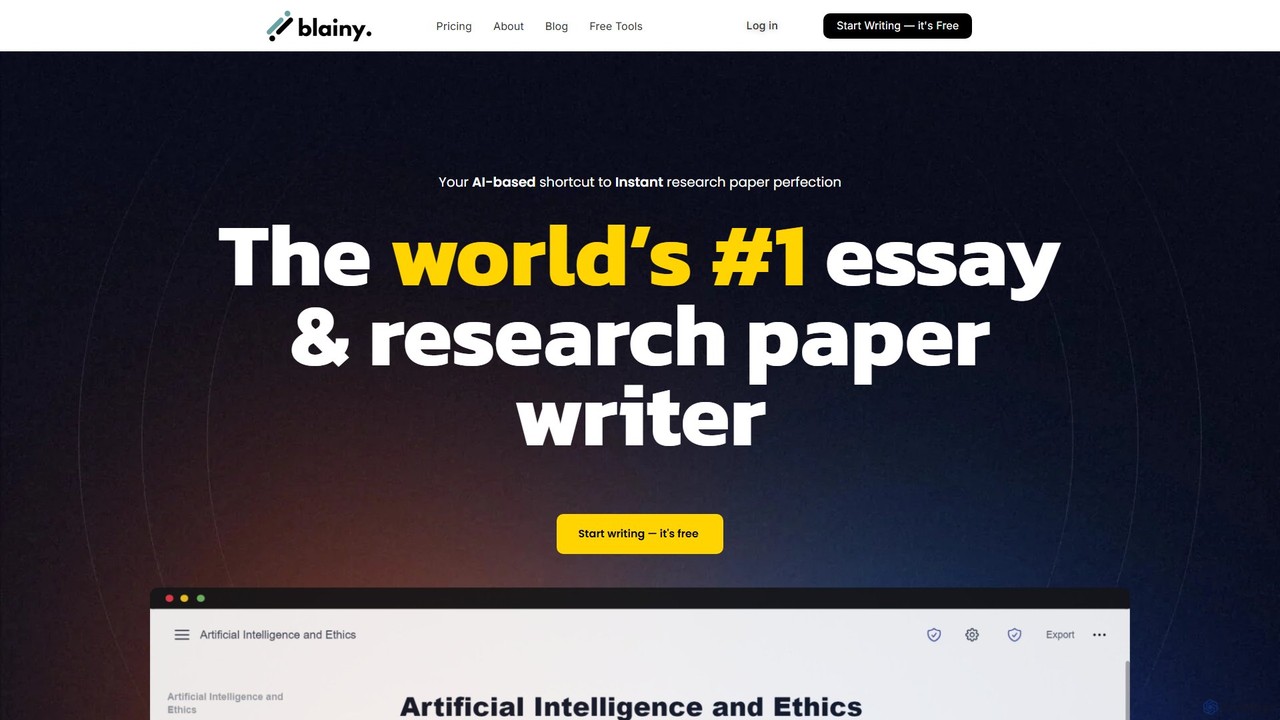
Blainy is an AI-powered research assistant designed for students, academics, and researchers. It streamlines the academic writing process by offering features like instant research support, AI-powered text completion, PDF-chat, advanced paraphrasing, and flawless in-text citations in various styles (APA, MLA, etc.). Blainy aims to help users write better, faster, and with greater confidence, transforming research paper creation from a daunting task into an efficient and seamless experience.

Research
Visits 23KFavorites 130Likes 115
Chisquares
Freemium

Chisquares

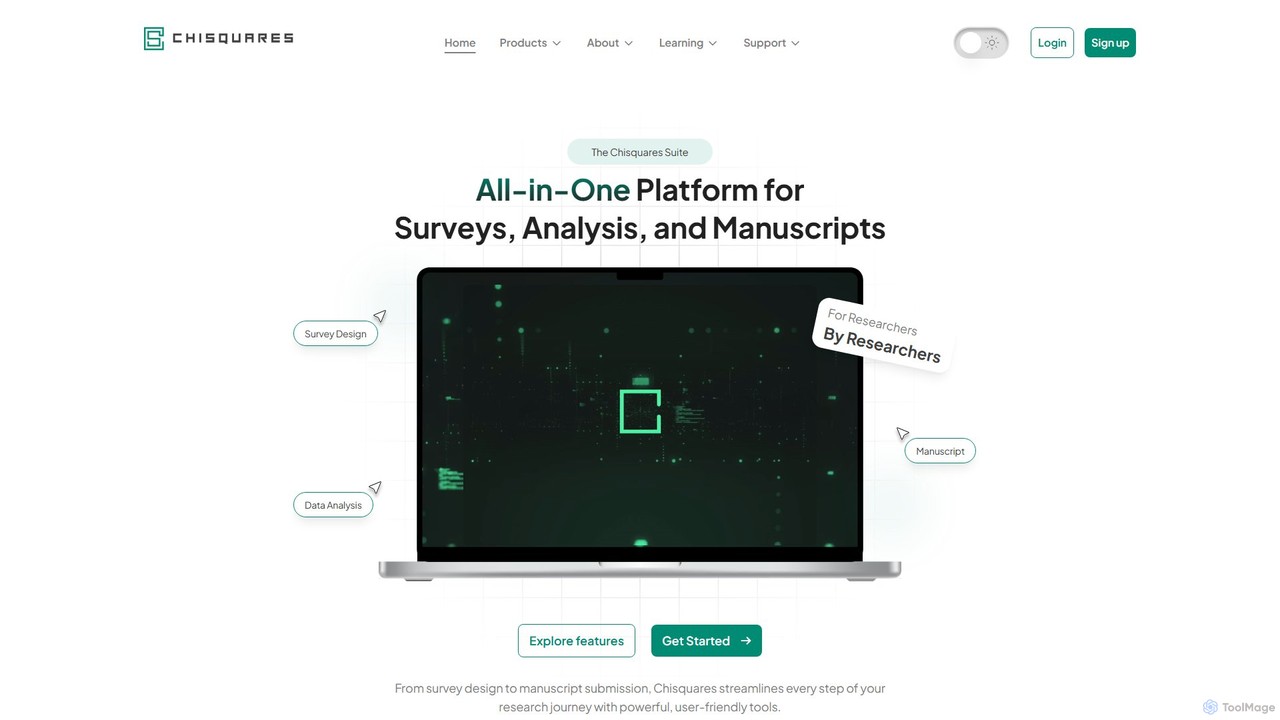
Chisquares is an all-in-one, AI-powered research platform designed to streamline the entire academic and professional research workflow. From survey design and offline data collection to advanced analysis and collaborative manuscript writing, it integrates every step into a single, user-friendly interface. It's built for researchers, students, and organizations to save time, eliminate manual tasks, and accelerate the path from data to publication.

Academic
Visits 6.1KFavorites 154Likes 168
sopcreator
Freemium

sopcreator

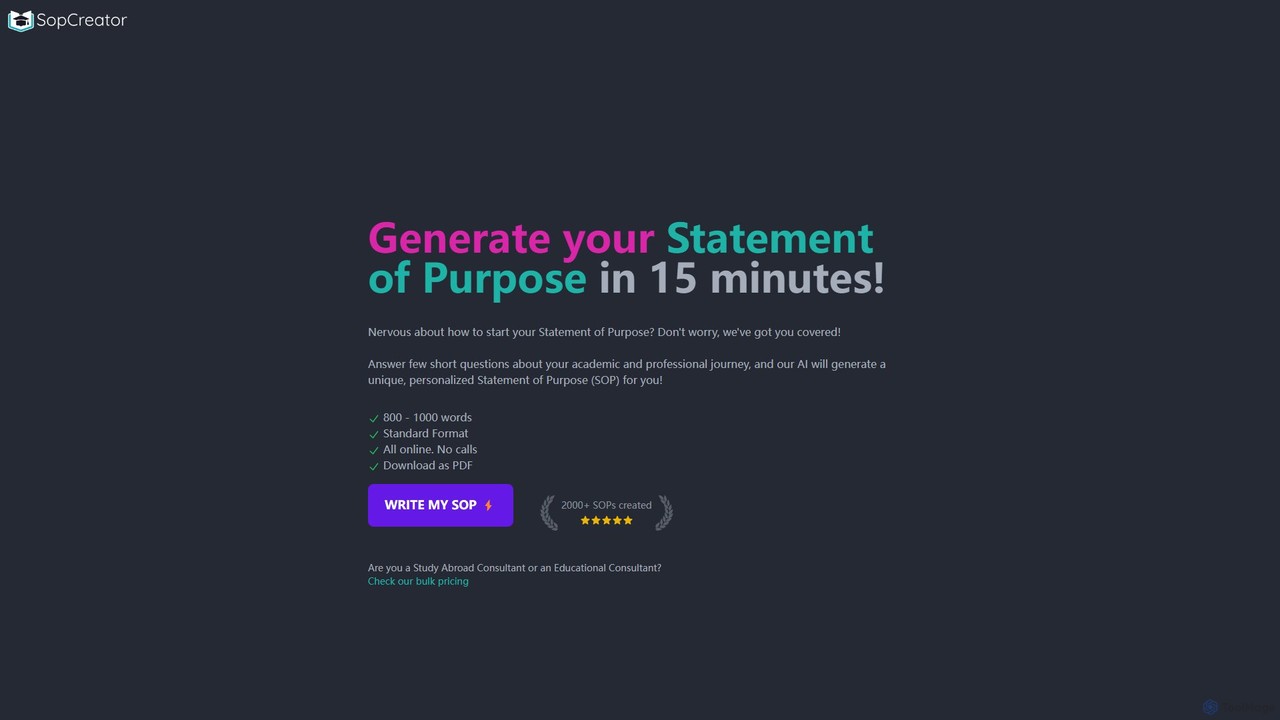
sopcreator is an AI-powered suite of tools designed to help students with their university applications. It can generate a personalized Statement of Purpose (SOP) in minutes by answering a few questions. The platform also includes a free AI SOP reviewer, an AI Letter of Recommendation (LOR) generator, and other resources to streamline the stressful application process and create high-quality, compelling documents.

Application
Visits 10.5KFavorites 122Likes 106
Elicit
Freemium

Elicit

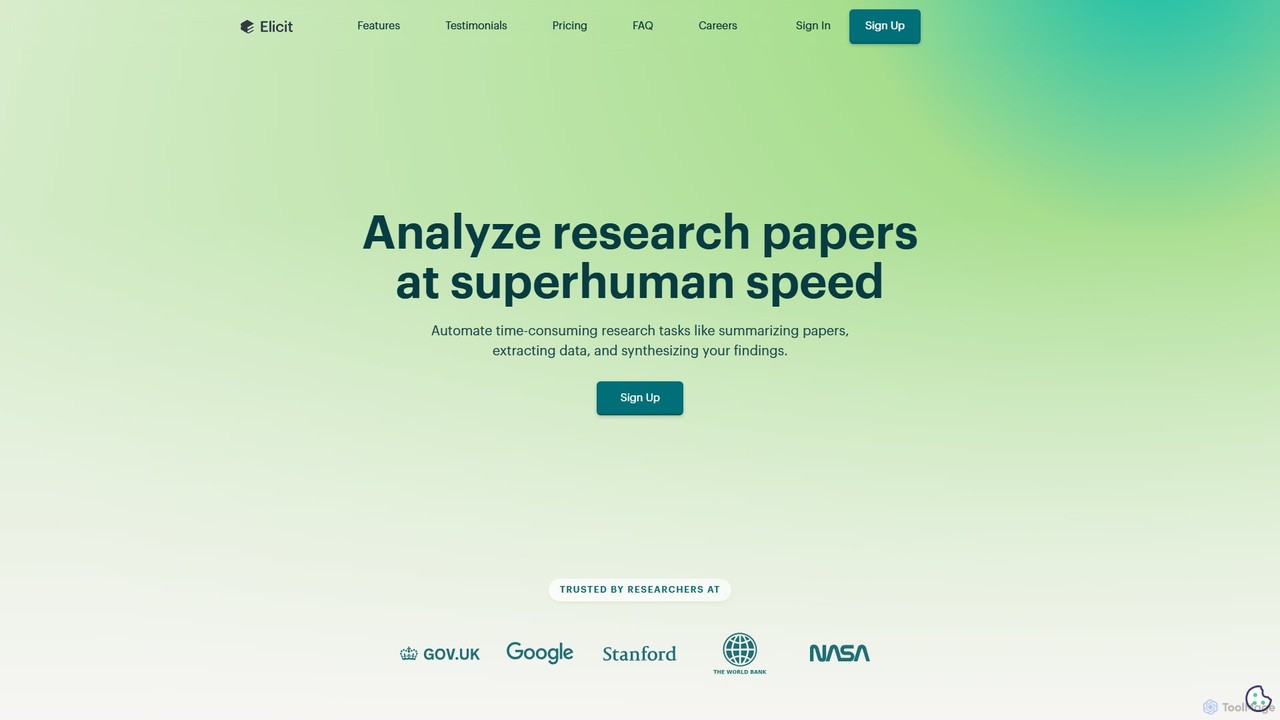
Elicit is an AI research assistant designed to automate and accelerate the literature review process. It helps researchers find relevant papers, summarize key findings, extract data, and synthesize information from a vast database of over 125 million academic articles. Elicit streamlines time-consuming tasks, enabling users to analyze more evidence with greater accuracy and speed.

Academia
Visits 2.1MFavorites 125Likes 133
study-like.pro
Freemium

study-like.pro

An AI-powered study assistant designed to help students and researchers learn more effectively. It summarizes complex texts, answers questions from documents, generates flashcards and quizzes, and assists with academic writing, transforming your study materials into interactive learning experiences.

Study Assistant
Visits 5.5KFavorites 149Likes 115

About Academic Writing

AI Academic Writing tools are specialized assistants designed to streamline the creation of research papers, theses, and scholarly articles. These tools leverage natural language processing and large language models to assist with complex tasks like literature discovery, citation management, and data analysis. They help researchers and students structure arguments, refine language for clarity and formality, and ensure adherence to specific formatting standards like APA or MLA. This enhances writing quality and significantly accelerates the research and publication process.

Core Features

  • Citation & Bibliography Management: Automatically generates and formats in-text citations and bibliographies in various academic styles (e.g., APA, MLA, Chicago).
  • Literature Review Assistance: Helps find, summarize, and synthesize relevant academic papers from databases like Google Scholar or PubMed.
  • Academic Paraphrasing: Rephrases text to avoid plagiarism while maintaining the original meaning and adopting a formal, scholarly tone.
  • Outline & Structure Generation: Creates logical outlines and structural frameworks for essays, research papers, or dissertations based on a topic or research question.
  • Data Analysis & Interpretation: Assists in analyzing research data and generating textual interpretations or summaries of the findings.

Use Cases

These tools are primarily used by university students, postgraduate researchers, academics, and scientists. They are integral in workflows involving drafting grant proposals, writing literature reviews, preparing manuscripts for journal submission, and completing dissertations. For instance, a PhD candidate can use them to organize hundreds of sources, while a professor can quickly draft a structured paper outline.

How to Choose

When selecting an AI Academic Writing tool, consider its supported citation styles and its ability to integrate with academic databases. Evaluate the accuracy of its plagiarism checker and its proficiency in handling technical language specific to your field. Also, assess its user interface for ease of use in managing complex projects with numerous sources and sections.

Featured tool rankings

Academic Writing use cases

1

Automating Literature Reviews for Research

A PhD student in sociology needs to write a comprehensive literature review for their dissertation. Instead of manually searching through dozens of databases and reading hundreds of abstracts, they use an AI academic writing tool. The student inputs their core research questions and keywords. The AI scans connected databases like JSTOR and Google Scholar, identifying and summarizing the 50 most relevant papers. It then groups these summaries by theme, helping the student quickly identify research gaps and structure their review chapter, saving weeks of manual labor.

2

Drafting a Structured Research Paper

A researcher in biomedical sciences has completed their experiments and needs to write a manuscript for a high-impact journal. Using an AI academic writer, they upload their raw data, charts, and a brief summary of their findings. The tool helps generate a structured draft, including a standard IMRaD (Introduction, Methods, Results, and Discussion) format. It suggests relevant citations for the introduction, writes a detailed methodology based on the experimental notes, and drafts a results section that accurately describes the data presented in the charts. This provides a solid first draft, allowing the researcher to focus on refining the scientific arguments and discussion.

3

Ensuring Correct Citation and Formatting

An undergraduate student is finalizing their term paper, which requires strict adherence to the APA 7th edition style guide. Manually formatting every citation and the bibliography is tedious and prone to errors. The student uses an AI academic writing tool with a browser extension. While researching, they click a button to save sources directly to their project library. When writing, the tool automatically inserts correctly formatted in-text citations. Upon completion, it generates a perfectly alphabetized and formatted reference list in one click, ensuring the paper meets all submission requirements and avoiding penalties for formatting mistakes.

4

Paraphrasing to Improve Clarity and Avoid Plagiarism

A master's student is incorporating complex theories from several seminal papers into their thesis. To avoid unintentional plagiarism and improve the flow of their writing, they use an AI paraphrasing feature specialized for academic content. They input a dense, technical sentence from a source. The tool provides several alternative phrasings that maintain the precise technical meaning but use different sentence structures and vocabulary. The student selects the clearest option and integrates it, ensuring their work is original while accurately representing the source material. This process also helps them deepen their own understanding of the concepts.

5

Generating a Grant Proposal Outline

A university professor is applying for a major research grant, which has a strict structure and page limits. To ensure all requirements are met, she uses an AI academic tool to generate a detailed proposal outline. She inputs the grant's guidelines, her research hypothesis, and key objectives. The AI produces a comprehensive outline with all required sections, such as 'Background and Significance,' 'Research Design and Methods,' and 'Budget Justification.' It even suggests key points and potential citations for each section, providing a strong framework that helps her write a compelling and compliant proposal efficiently.

6

Proofreading for Academic Tone and Style

An international student, for whom English is a second language, has written a draft of their history essay. While grammatically correct, the tone is too informal and contains colloquialisms. They use an AI academic writing tool's proofreader. The tool flags informal phrases like 'a bunch of reasons' and suggests more academic alternatives such as 'several key factors.' It also identifies overly complex sentences and suggests ways to simplify them for clarity without losing nuance. This helps the student refine their writing to meet the formal standards of academic discourse and submit a more polished, professional paper.

Academic Writing FAQ

What are AI Academic Writing tools?

AI Academic Writing tools are specialized software applications designed to assist students, researchers, and academics throughout the entire research and writing process. Unlike general writing assistants, they focus on tasks specific to scholarly work, such as finding relevant literature, generating citations in formats like APA and MLA, creating structured outlines, paraphrasing technical content to avoid plagiarism, and ensuring a formal, objective tone. They act as a research assistant, citation manager, and advanced proofreader combined into one platform.

How do AI academic writers differ from general AI writers?

The key difference lies in their purpose and features. General AI writers (like those for marketing or blogging) are optimized for creativity, engagement, and SEO. AI academic writers prioritize accuracy, evidence, and adherence to scholarly conventions. Key distinctions include:

  • Source Management: Academic tools integrate with databases like Google Scholar and manage citations, which general writers do not.
  • Tone and Style: Academic writers are trained to produce formal, objective, and analytical language, whereas general writers often aim for a persuasive or narrative tone.
  • Fact-Checking and Plagiarism: Academic tools have a stronger emphasis on referencing sources accurately and include robust plagiarism checkers.
  • Structure: They are designed to generate structured formats like IMRaD (Introduction, Methods, Results, and Discussion) common in scientific papers.

Is using AI for academic writing considered cheating?

Using AI for academic writing is a tool, and its ethical use depends on how it's employed. It is generally not considered cheating when used to assist with tasks like checking grammar, improving clarity, managing citations, or brainstorming ideas—similar to using a calculator for math or a grammar checker. However, it is considered academic misconduct to use AI to generate entire essays or sections of a paper and present them as one's own original work. Always check your institution's specific academic integrity policies, as guidelines can vary. Responsible use involves using AI to enhance your own thinking and writing, not to replace it.

How do I choose the right AI tool for academic writing?

Choosing the right tool depends on your specific needs. Consider the following factors:

  • Field of Study: Some tools are better for STEM fields with data analysis features, while others excel in humanities with strong textual analysis and literature search capabilities.
  • Citation Style Requirements: Ensure the tool supports the citation styles required by your institution or target journal (e.g., APA, MLA, Chicago, IEEE).
  • Integration: Look for tools that integrate with your existing workflow, such as word processors (Google Docs, MS Word) and academic databases (JSTOR, PubMed).
  • Core Features: Determine if your primary need is literature review, citation management, paraphrasing, or grammar and style checking, and choose a tool that excels in that area.
  • User Interface: A clean and intuitive interface is crucial for managing large, complex writing projects efficiently.

Can AI academic writing tools help with literature reviews?

Yes, assisting with literature reviews is one of the most powerful features of AI academic writing tools. They can significantly accelerate the process in several ways:

  • Automated Search: They can search across multiple academic databases simultaneously using your keywords to find relevant papers.
  • Summarization: AI can quickly generate concise summaries of long articles or papers, allowing you to assess their relevance much faster.
  • Thematic Analysis: Some advanced tools can analyze a collection of papers and identify recurring themes, key arguments, and research gaps.
  • Synthesis: They can help you synthesize information from multiple sources to build a coherent narrative for your review.
While AI provides powerful assistance, the critical analysis and interpretation of the literature remain the researcher's responsibility.