ToolMage
Sign in

Best 26 Cover Letter AI tools for Writing

Popular Cover Letter AI tools in Writing include huntr, ResumeUp, Resume Example, UpCat, Jobs-Scout, Jobalytics, ProRes, happypeopleai, resumas, and CareerSpark, helping you work more efficiently.

Resume Example
Freemium

Resume Example

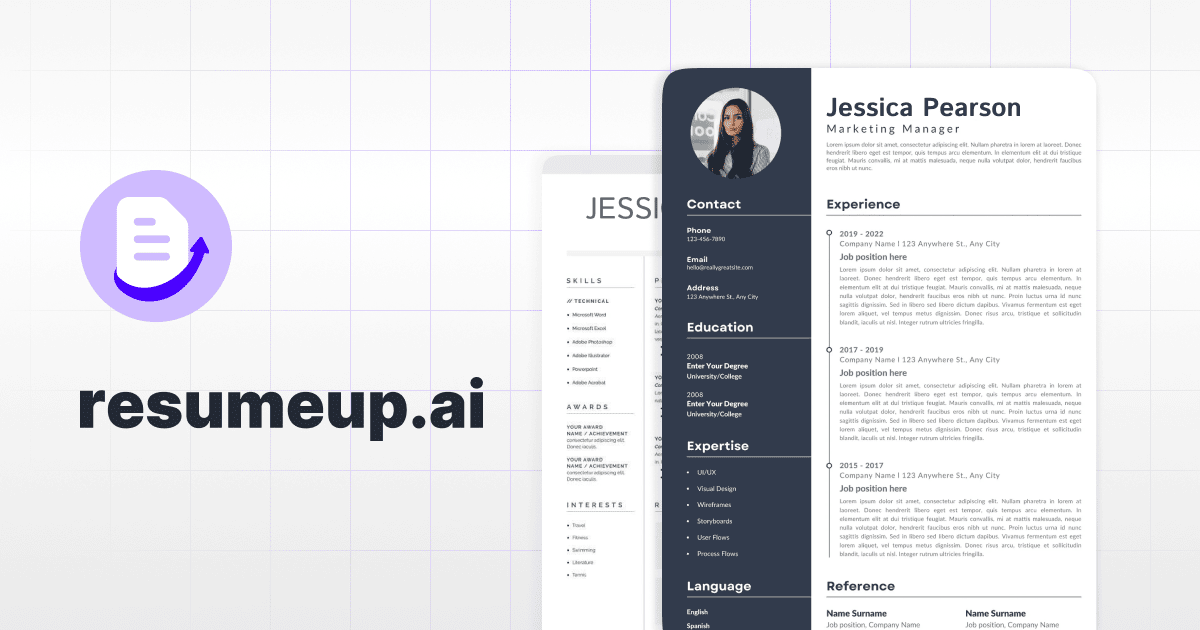
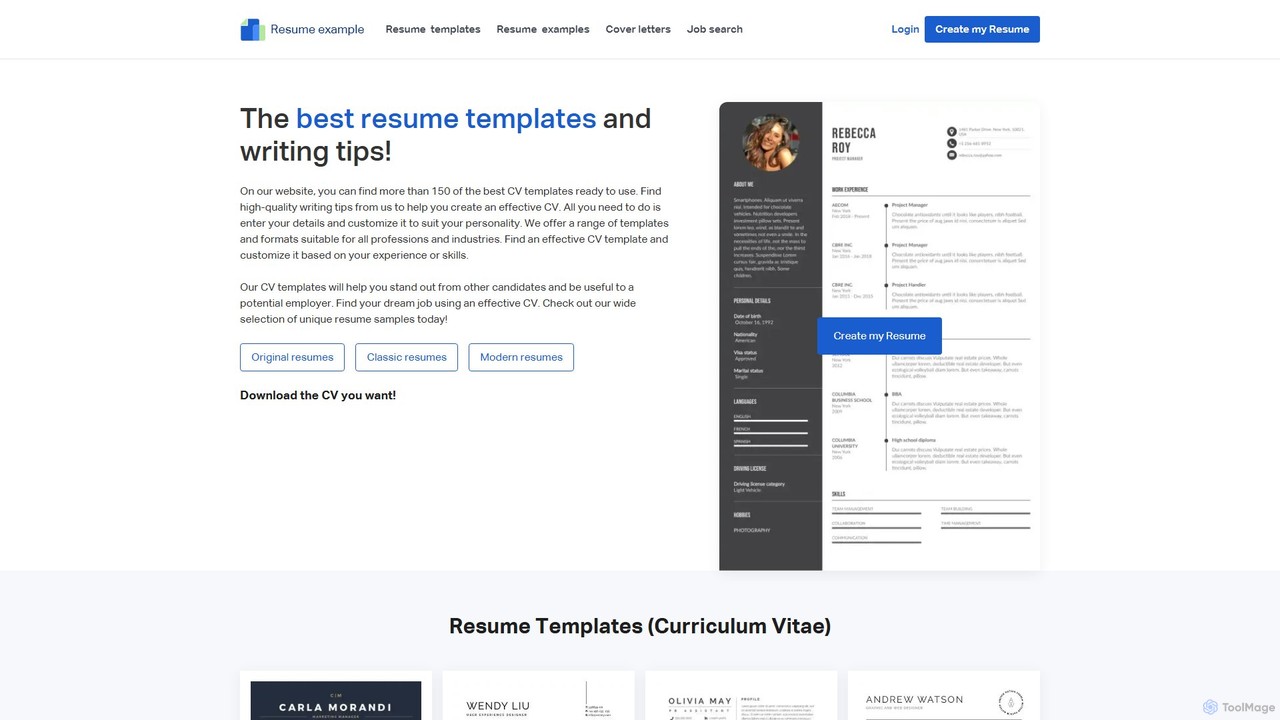
An AI-powered platform that helps you create professional, ATS-optimized resumes and cover letters. It offers over 150 templates, AI-driven keyword suggestions, and expert writing guidance to help you stand out to employers and land your dream job faster. Includes a resume builder, cover letter generator, and a helpful Chrome extension.

Resume Builder
Visits 67.5KFavorites 140Likes 148
applai.me
Freemium

applai.me

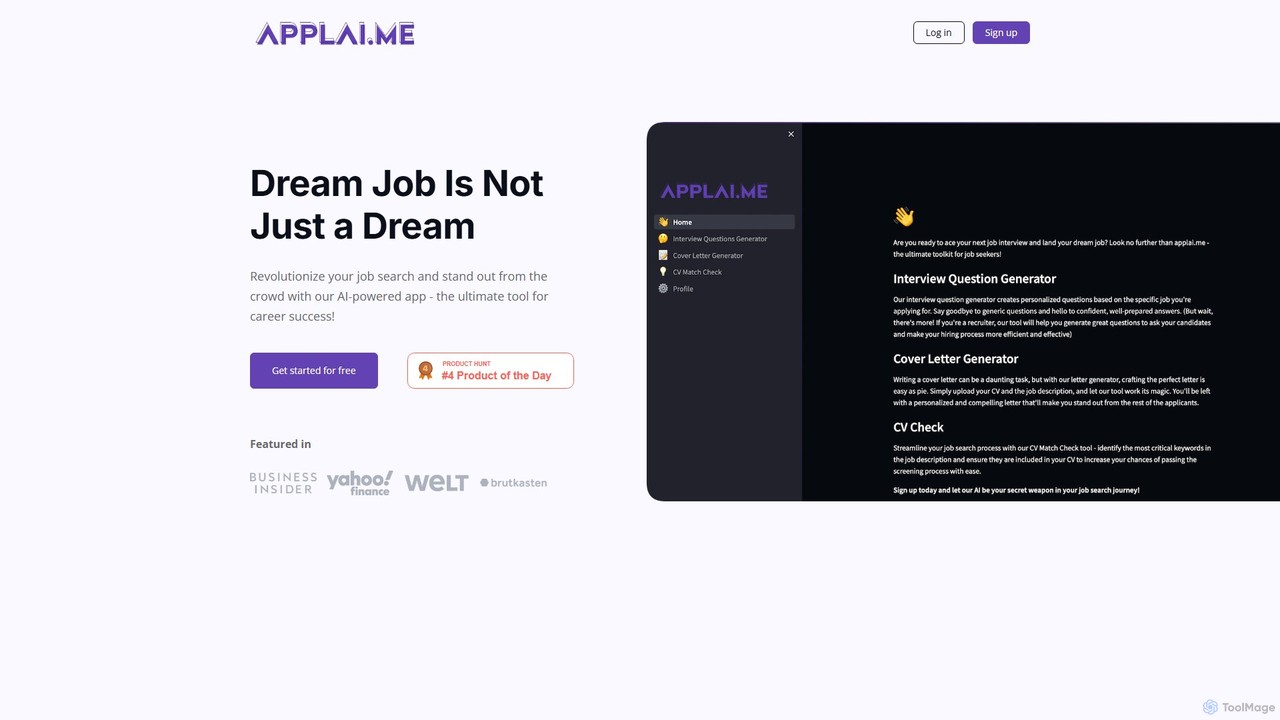
applai.me is an AI-powered job preparation toolkit designed to help job seekers succeed. It features an AI Interview Coach for personalized questions, a Cover Letter Generator for compelling letters, and a CV Check tool to optimize your resume for applicant tracking systems (ATS). This suite of tools helps you build confidence, stand out, and land your dream job.

Resume
Visits 5.9KFavorites 138Likes 115

About Cover Letter

Cover Letter AI tools are specialized applications that leverage artificial intelligence to assist users in generating, optimizing, and personalizing cover letters. These tools utilize natural language processing (NLP) and machine learning algorithms to analyze job descriptions and resumes, crafting compelling narratives that highlight relevant skills and experiences. They streamline the job application process, helping candidates create professional and impactful cover letters tailored to specific roles, significantly increasing their chances of securing interviews.

Core Features

  • Automated Content Generation: Instantly drafts cover letter content based on user input, job descriptions, and resume data.
  • Personalization & Customization: Adapts tone, style, and content to match specific company cultures and job requirements.
  • Keyword Optimization: Identifies and integrates relevant keywords from job postings to improve applicant tracking system (ATS) compatibility.
  • Grammar & Style Enhancement: Provides suggestions for improving readability, conciseness, and overall writing quality.
  • Template & Format Options: Offers various professional templates and formatting choices to ensure a polished presentation.

Use Cases

Job seekers across various industries, from recent graduates to experienced professionals, utilize these tools to efficiently produce high-quality application documents. They are particularly valuable for individuals applying to multiple positions, allowing for rapid customization of each cover letter to align with distinct job requirements and company values, saving significant time and effort in the application process.

How to Choose

When selecting a Cover Letter AI tool, consider its ability to deeply analyze job descriptions and resumes for accurate content generation. Evaluate the level of personalization offered, ease of customization, and the quality of grammar and style suggestions. Look for tools with a user-friendly interface, robust template options, and strong data privacy policies to ensure your personal information is handled securely.

Featured tool rankings

Cover Letter use cases

1

Tailoring Cover Letters for Multiple Applications

A marketing professional applying for several brand manager roles needs to customize each cover letter to highlight specific experiences relevant to each company's unique needs. An AI cover letter tool allows them to quickly input different job descriptions and their resume, generating distinct, targeted cover letters that emphasize relevant skills and achievements for each application, saving hours of manual writing and editing.

2

Crafting a First Impression for Recent Graduates

A university graduate with limited professional experience struggles to articulate their academic achievements and transferable skills into a compelling narrative. The AI tool guides them by suggesting relevant phrases and structures, helping them create a professional and confident cover letter that effectively showcases their potential and enthusiasm for entry-level positions, making a strong initial impact.

3

Optimizing for Applicant Tracking Systems (ATS)

An IT specialist applying for a software development position wants to ensure their cover letter passes through ATS filters. The AI tool analyzes the job description for critical keywords and phrases, then suggests how to naturally integrate them into the cover letter. This optimization significantly increases the likelihood of the application being seen by a human recruiter, improving their chances of an interview.

4

Personalizing Letters for Niche Industries

A specialist in renewable energy is applying for roles in a highly specific sector. Generic cover letter templates often fall short. An AI tool can be trained on industry-specific terminology and common requirements, enabling it to generate highly personalized cover letters that resonate with hiring managers in niche fields, demonstrating deep understanding and commitment to the industry.

5

Revamping an Outdated Cover Letter

An experienced professional returning to the job market after a long break needs to update their cover letter to reflect current industry standards and modern language. The AI tool can take their existing letter and suggest modern phrasing, stronger action verbs, and a more contemporary structure, transforming an outdated document into a fresh, impactful application that aligns with today's hiring expectations.

6

Generating Cover Letters for Internal Promotions

An employee seeking an internal promotion needs a cover letter that highlights their contributions within the company and their readiness for increased responsibility. An AI tool can help articulate their internal achievements, align their skills with the new role's requirements, and maintain a professional yet familiar tone, ensuring their application stands out to internal hiring committees.

Cover Letter FAQ

What are AI Cover Letter tools?

AI Cover Letter tools are software applications that use artificial intelligence, primarily natural language processing (NLP) and machine learning, to assist job seekers in writing and refining their cover letters. They analyze job descriptions and resumes to generate personalized content, optimize for keywords, and enhance overall writing quality, making the application process more efficient and effective.

How do AI Cover Letter tools personalize content?

These tools personalize content by analyzing the specific requirements and keywords from a job description, cross-referencing them with the user's resume and provided information. They then generate text that highlights the most relevant skills, experiences, and achievements, tailoring the tone and focus to match the target company's culture and the specific role's demands, ensuring a unique and targeted letter.

Are AI-generated cover letters detectable by recruiters?

While AI tools generate initial drafts, the best practice is to always review and edit the content to add a personal touch and ensure authenticity. Recruiters look for genuine voice and specific examples. If an AI-generated letter is too generic or lacks personal anecdotes, it might be less effective. However, when used as a starting point and refined by the user, they are generally indistinguishable from human-written letters.

How do AI Cover Letter tools differ from general AI writing assistants?

AI Cover Letter tools are highly specialized, focusing specifically on the structure, content, and optimization required for job application documents. Unlike general AI writing assistants that can write various types of content, cover letter tools are trained on vast datasets of successful job applications, enabling them to understand the nuances of professional recruitment language, ATS compatibility, and persuasive career storytelling.

What are the key benefits of using an AI Cover Letter tool?

The primary benefits include significant time savings in drafting and customizing cover letters, improved personalization for each application, and enhanced keyword optimization for Applicant Tracking Systems (ATS). They also help improve grammar, style, and overall readability, leading to more professional and impactful applications that increase the likelihood of securing an interview.