Writing Best in category 1 results Outlining AI Tool

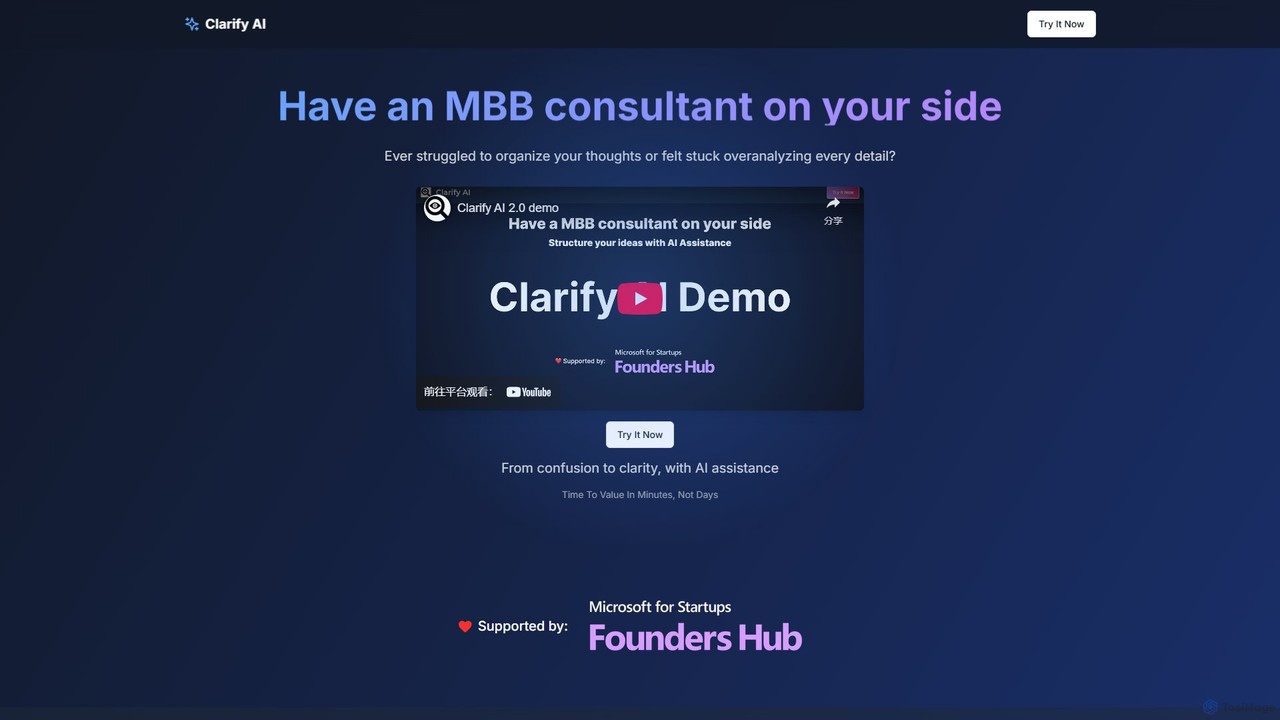
Popular AI tools in the Outlining field of Writing include clarify_ai, etc., helping you quickly improve efficiency.

clarify_ai

clarify_ai

Clarify AI is an AI-powered thought partner that transforms vague ideas into structured, actionable plans. It acts like …

5.1K

About Outlining

AI Outlining tools are specialized applications that automatically generate structured frameworks for written content. These tools leverage natural language processing to analyze a topic, keyword, or existing text, creating a logical, hierarchical structure of headings and subheadings. They are designed to help users organize their thoughts, plan their content flow, and build a solid foundation before the detailed writing process begins. This focus on structure accelerates the pre-writing phase and ensures a coherent final document.

Core Features

  • Hierarchical Generation: Automatically creates multi-level outlines (e.g., chapters, sections, bullet points) from a simple prompt.
  • Topic Expansion: Expands a single idea or keyword into a comprehensive set of related sub-topics and talking points.
  • Content Structuring: Analyzes unstructured text or research notes and organizes them into a logical outline format.
  • Visual Mind Mapping: Offers visual interfaces to drag, drop, and reorganize outline components, facilitating brainstorming.
  • Template-Based Outlines: Provides pre-built structure templates for common document types like blog posts, research papers, or business plans.

Use Cases

These tools are widely used by content creators for planning articles and scripts, students and academics for structuring research papers and theses, and business professionals for drafting reports, presentations, and project plans. Authors also use them to plot novel chapters and character arcs, ensuring a well-organized narrative.

How to Choose

When selecting an AI Outlining tool, consider the depth and complexity of the outlines it can generate. Evaluate its input flexibility—can it work from keywords, full text, or URLs? Check for integration capabilities with popular writing software like Google Docs or Microsoft Word. Finally, assess the user interface for ease of reorganization and collaboration features if you work in a team.

OutliningUse Cases

1

Structuring Long-Form Blog Posts

A content marketer needs to create a comprehensive guide on 'Digital Marketing Trends'. Instead of starting from a blank page, they input the main topic into an AI Outlining tool. The tool instantly generates a multi-level outline, including sections for SEO, Content Marketing, Social Media, and PPC, each with relevant sub-points like 'Voice Search Optimization' or 'Video Content Strategy'. The marketer can then easily drag and drop points to refine the flow, ensuring all key aspects are covered logically before writing a single paragraph. This process reduces planning time by over 50% and prevents writer's block.

2

Organizing Academic Research Papers

A university student is writing a thesis on climate change impacts. They have gathered dozens of research articles and notes. To manage this complexity, they paste their raw notes into an AI Outlining tool. The AI analyzes the text, identifies key themes like 'Economic Impact', 'Ecological Effects', and 'Policy Recommendations', and organizes the information under these headings. It creates a structured literature review outline, allowing the student to see gaps in their research and logically arrange their arguments. This transforms a chaotic collection of information into a coherent, well-structured academic paper framework.

3

Developing Business Plans and Proposals

An entrepreneur is seeking funding and needs to create a professional business plan. Using an AI Outlining tool with a 'Business Plan' template, they are prompted to fill in key sections. The tool generates a standard structure including an Executive Summary, Company Description, Market Analysis, Organization and Management, and Financial Projections. For each section, it suggests relevant sub-points, such as SWOT analysis under Market Analysis. This guided process ensures no critical component is missed and helps the entrepreneur structure their vision into a document that is clear, professional, and compelling to investors.

4

Planning a Book or Screenplay

An author is starting a new novel and wants to map out the entire plot. They use an AI Outlining tool to create a hierarchical structure. The top level consists of the three acts: 'Setup', 'Confrontation', and 'Resolution'. Within each act, they create nodes for chapters, and within each chapter, they outline key scenes, character introductions, and plot twists. The visual, nested structure allows them to see the entire narrative arc at a glance, easily move scenes between chapters, and ensure a balanced pacing throughout the story before committing to writing thousands of words.

5

Designing Online Course Curriculums

An online instructor wants to create a new course on 'Python for Beginners'. They use an AI Outliner to structure the curriculum. They start with top-level modules like 'Introduction to Python', 'Data Structures', 'Control Flow', and 'Functions'. The AI then helps expand each module into individual lessons, suggesting topics such as 'Variables and Data Types' for the first module. This creates a clear learning path for students. The instructor can easily reorder lessons or modules to optimize the educational flow, ensuring a logical progression from basic concepts to more advanced topics.

6

Creating Detailed Meeting Agendas

A project manager is preparing for a quarterly review meeting. To ensure the meeting is productive, they use an AI Outlining tool to draft the agenda. They input the main goal: 'Q3 Project Review'. The tool suggests a structure with timed sections: 'Welcome & Objectives (5 min)', 'Review of Q2 Action Items (10 min)', 'Q3 Performance Analysis (20 min)', and 'Planning for Q4 (15 min)'. It also suggests sub-bullets for each, like 'Key Wins' and 'Challenges' under the performance analysis. This structured approach ensures all topics are covered efficiently, keeps the meeting on track, and provides a clear document to share with attendees beforehand.

OutliningFrequently Asked Questions